
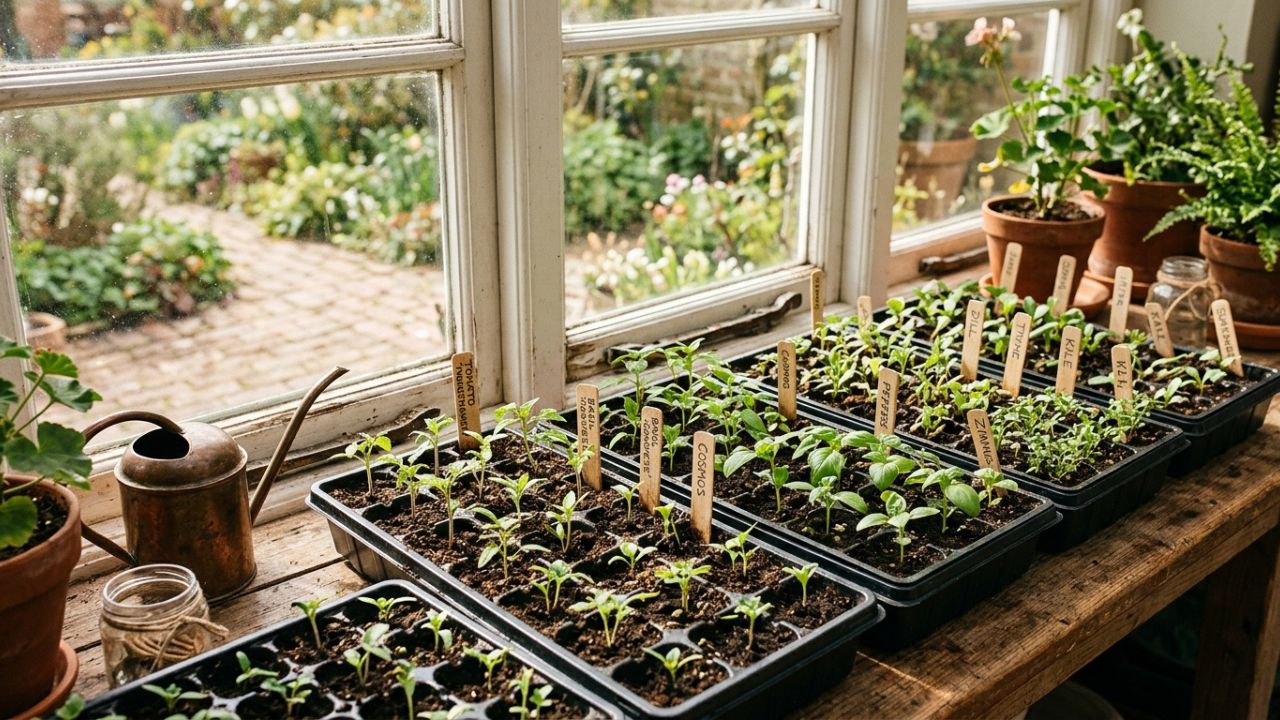
Starting a garden from seed is one of the most rewarding steps anyone can take toward a greener, more self sufficient lifestyle.
It cuts down on plastic packaging from store bought produce, reduces the carbon footprint tied to transporting food, and gives the gardener full control over what goes into the soil and onto the plate.
For people who care about sustainability, seed starting is more than a hobby. It is a small but meaningful act of independence from industrial food systems.
Getting seeds to sprout successfully, however, takes more than tossing them into a pot of dirt and hoping for the best. The right tools make the difference between a few leggy seedlings and a thriving tray of healthy starts ready for the garden bed. Below is a rundown of twelve essential seed starting products that can help any home gardener build a productive, eco-conscious garden from the ground up.
Why Seed Starting Matters for Sustainable Living
Before diving into the products themselves, it helps to understand why starting seeds at home fits so well into an eco-friendly lifestyle. Buying starter plants from a nursery often means single-use plastic pots, chemical fertilizers, and produce that has already used resources in its early growth stages.
Growing from seed allows the gardener to choose organic, heirloom, or open-pollinated varieties, avoid unnecessary plastic, and save seeds year after year to reduce future costs and waste.
Seed starting also extends the growing season. In cooler climates, starting seeds indoors weeks before the last frost means earlier harvests and a longer stretch of homegrown food. This reduces reliance on grocery store produce that has traveled long distances, which in turn lowers the household’s overall environmental impact.
The Essential Seed Starting Products
1. Seed Starting Trays or Cell Packs
A good seed starting tray is the foundation of any indoor growing setup. Trays divided into individual cells give each seedling its own space to develop roots without competing for nutrients. For a more sustainable option, look for trays made from recycled plastic, biodegradable materials, or even reusable trays that can be washed and used season after season instead of thrown away.
2. Biodegradable Seed Pots
For gardeners who want to avoid plastic altogether, biodegradable pots made from coconut coir, peat alternatives, cow manure, or recycled paper are an excellent choice. These pots can be planted directly into the garden soil, where they break down naturally and reduce the risk of disturbing young roots during transplanting. This method also cuts down on plastic waste significantly.
3. High Quality Seed Starting Mix
Regular garden soil is often too dense and may carry pathogens that harm young seedlings. A light, well-draining seed starting mix designed specifically for germination gives seeds the airy environment they need to sprout. Many organic options are available that skip synthetic fertilizers and chemical additives, keeping the process natural from the very first sprout.
4. Humidity Domes
A humidity dome is a clear plastic or reusable cover that fits over a seed tray to trap moisture and warmth. This creates a mini greenhouse effect that speeds up germination, especially for slower sprouting seeds like peppers or herbs. Reusable domes are far more sustainable than single-use plastic wrap, since they can be used for many growing seasons.
5. Heat Mats
Many seeds germinate faster and more reliably when the soil is kept at a consistent warm temperature. A seedling heat mat placed underneath the tray provides gentle, even warmth that mimics the conditions seeds would experience in warmer climates. This is especially useful for heat loving crops like tomatoes, eggplants, and peppers, which can struggle to sprout in a cool indoor environment.
6. Grow Lights
Natural sunlight from a windowsill is often not enough to produce strong, healthy seedlings, especially during the shorter days of late winter and early spring. Full spectrum grow lights supplement natural light and help prevent the leggy, weak stems that happen when seedlings stretch toward insufficient light. Energy efficient LED grow lights are a smart, low-impact choice that use less electricity than older fluorescent or incandescent options.
7. A Reliable Watering Can or Spray Bottle
Seedlings are delicate and can be easily damaged by a heavy stream of water. A watering can with a fine rose attachment or a simple spray bottle allows for gentle, controlled watering that keeps the soil moist without disturbing tender roots or washing away seeds before they germinate.
8. Plant Labels
It is easy to lose track of what was planted where, especially when starting multiple varieties at once. Reusable wooden, bamboo, or slate plant labels help keep everything organized and reduce the guesswork later when it comes time to transplant. Choosing labels made from natural materials keeps the process aligned with an eco-friendly approach rather than adding more plastic to the mix.
9. A Thermometer and Hygrometer
Tracking temperature and humidity levels helps gardeners fine tune conditions for optimal germination. A simple combined thermometer and hygrometer placed near the seed trays gives a clear picture of whether the environment is too dry, too cold, or just right, allowing for small adjustments that can make a big difference in germination rates.
10. Fine Mesh Sieve
A fine mesh sieve is useful for sifting seed starting mix to remove clumps and debris, creating a smoother surface for tiny seeds. This is particularly helpful for very small seeds like lettuce or herbs, which need a fine, even covering of soil to germinate properly.
11. Organic Liquid Fertilizer
Once seedlings develop their first true leaves, they often need a light feeding to continue growing strong. An organic liquid fertilizer, such as diluted compost tea or a seaweed based formula, provides gentle nutrients without introducing synthetic chemicals into the growing environment. This keeps the entire process organic from seed to harvest.
12. A Seedling Transplant Tool
When it is finally time to move seedlings into larger pots or out into the garden, a small hand trowel or dedicated transplanting tool helps minimize root disturbance. Gentle handling at this stage reduces transplant shock and gives young plants the best possible start in their new home.
Comparing Key Seed Starting Products
The table below offers a quick side by side look at some of the core products, their main purpose, and eco-friendly considerations to keep in mind when shopping for them.
| Product | Main Purpose | Eco-Friendly Tip |
|---|---|---|
| Seed Starting Trays | Provides individual growing space for seedlings | Choose reusable or recycled plastic trays |
| Biodegradable Pots | Reduces transplant shock and plastic waste | Look for coir, paper, or manure based pots |
| Seed Starting Mix | Gives seeds a light, airy medium to sprout in | Pick organic, peat-free blends |
| Humidity Domes | Traps warmth and moisture for faster germination | Reuse across multiple seasons |
| Heat Mats | Maintains consistent soil temperature | Use a timer to limit energy use |
| Grow Lights | Supplements natural light for strong stems | Choose energy efficient LED options |
| Watering Can or Spray Bottle | Delivers gentle, controlled moisture | Use a refillable container |
| Plant Labels | Keeps seed varieties organized | Choose wood or bamboo over plastic |
| Organic Liquid Fertilizer | Feeds seedlings once true leaves appear | Use compost tea or seaweed based formulas |
Tips for Getting the Most Out of Seed Starting Supplies
Reuse and Repurpose Whenever Possible
Many households already have items that can double as seed starting containers. Egg cartons, yogurt containers, and toilet paper rolls can all be repurposed into small starter pots, cutting down on the need to buy new plastic products. Just be sure to poke drainage holes in the bottom before adding soil.
Save Seeds for Next Season
Once the growing season wraps up, saving seeds from the healthiest, most productive plants is a great way to build a self-sustaining garden cycle. Open-pollinated and heirloom varieties are best for seed saving, since hybrid seeds do not always grow true to the parent plant.
Start Small and Scale Up
New gardeners do not need to buy every product on this list right away. Starting with a basic tray, a bag of seed starting mix, and a sunny windowsill or simple grow light setup is enough to get going. More specialized tools like heat mats and humidity domes can be added over time as the garden grows.
Keep an Eye on Moisture Levels
Overwatering is one of the most common mistakes new seed starters make. The soil should feel consistently damp, similar to a wrung out sponge, but never soggy. Too much water can lead to a fungal issue known as damping off, which can wipe out an entire tray of seedlings in a matter of days.
Harden Off Seedlings Before Transplanting
Before moving seedlings permanently outdoors, they need a period of adjustment called hardening off. This involves gradually exposing them to outdoor conditions like wind, direct sunlight, and temperature swings over the course of a week or two. Skipping this step can shock young plants and slow their growth once they are in the garden.
Building a Sustainable Seed Starting Routine
Creating a productive home garden starts long before the first seedling ever touches soil in the backyard. With the right combination of trays, quality growing mix, gentle lighting, and a bit of patience, anyone can turn a windowsill or spare corner into a thriving nursery for future vegetables, herbs, and flowers.
Choosing eco-friendly versions of these products, whether that means reusable trays, biodegradable pots, or organic fertilizers, helps align the entire gardening process with a broader commitment to sustainable living. Every seed started at home is one less plant that had to be shipped, packaged, and sold through a system that often prioritizes convenience over the planet.
For those just beginning their gardening journey, the investment in a few quality seed starting products pays off season after season. Not only does it lead to a more productive harvest, it also builds a deeper connection to the food being grown and a greater appreciation for the natural cycles that make it all possible.