
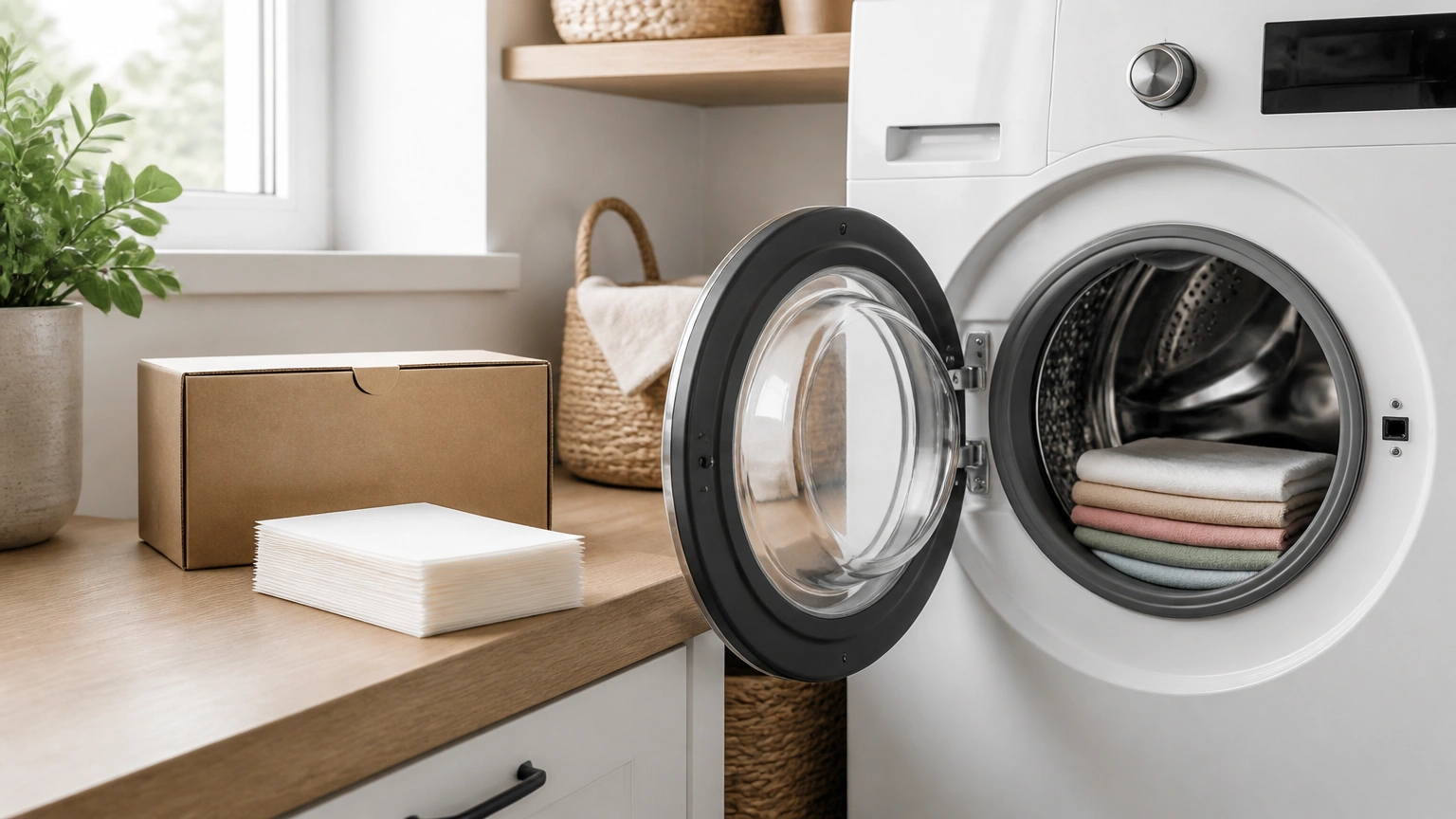
This article examines whether laundry detergent sheets are genuinely eco-friendly. It explains composition, environmental trade-offs, performance considerations, lifecycle impacts, cost and practical tips for choosing and using detergent sheets.
Introduction
Laundry detergent sheets have emerged as a popular alternative to liquid and powder detergents, often marketed as a greener, more convenient option. This article reviews the core claims and realities behind detergent sheets, covering ingredients, packaging, transportation impacts, washing performance, disposal, and certifications. Practical guidance for selecting and using detergent sheets is included, together with common questions and straightforward answers.
What Are Laundry Detergent Sheets?
Laundry detergent sheets are thin, pre-measured pieces of material infused with cleaning agents. They are designed to dissolve or break apart in the wash, releasing surfactants, enzymes, builders, and fragrance where applicable. The base material can be water-soluble polymers, cellulose fibers, or other dissolvable substrates.
Key Environmental Claims
Brands typically promote detergent sheets using several environmental claims:
- Reduced plastic waste: Sheets are often packaged in recyclable cardboard or compostable pouches instead of plastic jugs.
- Lower transportation emissions: Lightweight, compact packaging reduces shipping volume and potentially fuel use.
- Measured dosing: Pre-measured sheets limit overdosing, which can reduce chemical runoff.
- Biodegradability: Some formulations claim to be biodegradable or phosphate-free.
Breaking Down the Life Cycle
Evaluating eco-friendliness requires a life-cycle perspective. Key stages include raw material extraction, manufacturing, packaging, transport, use, and end-of-life. Each stage carries environmental trade-offs.
Raw Materials and Formulation
Surfactants, enzymes, and builders are the functional ingredients in most detergents. Some surfactants are plant-derived or considered more biodegradable than petroleum-based alternatives, but terminology and sourcing vary. Sheets often rely on polymer carriers or binders to hold ingredients in thin form; the environmental profile of these carriers depends on whether they are water-soluble, biodegradable, or persistent.
Manufacturing and Energy
Manufacturing detergent sheets involves specialized processes to coat, dry, and cut thin substrates. Compared with bulk liquid production, energy needs may be lower per unit mass, but the comparison depends on formulation concentration and production scale. Smaller producers may have higher per-unit energy use than large-scale liquid detergent manufacturers.
Packaging and Transportation
One of the clearest advantages of detergent sheets is reduced packaging volume and weight. By eliminating heavy plastic jugs and concentrating product into thin sheets, transport becomes more efficient, potentially lowering greenhouse gas emissions per wash. However, packaging materials still matter: compostable or recyclable cartons offer advantages over mixed-material pouches that are hard to recycle.
Use Phase Impact
The use phase determines much of a detergent’s environmental impact. Key factors include dosing accuracy, wash temperature, and machine efficiency. Pre-measured sheets can prevent overdosing, but if a sheet does not dissolve fully in cold water, it may lead to re-washing or residue, which increases environmental costs.
End-of-Life and Waste
After washing, detergent ingredients enter wastewater systems. Biodegradability and aquatic toxicity of ingredients are critical considerations. Some sheet carriers are fully water-soluble and break down in wastewater treatment systems, while others may contain microplastics or non-biodegradable polymers that raise environmental concerns.
Performance Considerations
Environmental benefits can be undermined if performance is inadequate. Effective stain removal, scent control, and fabric care influence whether an alternative product is used consistently.
Cleaning Power
Detergent sheets often contain lower absolute quantities of active ingredients compared with concentrated liquids or powders. For light loads and regular soils, sheets can perform well. Heavily soiled laundry, greasy stains, or hard water conditions may reveal limitations, sometimes necessitating boosters or repeat washes.
Dissolution and Residue
Proper dissolution is essential. Sheets formulated for modern high-efficiency machines usually dissolve reliably in warm water and standard cycles. Cold-water washes and very short cycles can challenge some formulations, possibly leaving visible residue on fabrics or in the machine.
Certifications, Labels and Claims
Third-party certifications offer a way to verify environmental claims. Signs to look for include recognized ecolabels that assess toxicity, biodegradability, and packaging impact. Claims such as “biodegradable,” “plant-based,” and “plastic-free” require scrutiny because definitions vary across jurisdictions and brands.
Common Labels
- Independent ecolabels: Some labels evaluate full product lifecycle and ingredient safety.
- Biodegradability standards: Specific tests determine whether an ingredient or product meets biodegradability criteria.
- Recyclability icons: Packaging recyclability differs from material recyclability; local facilities determine actual outcomes.
Practical Tips for Choosing Eco-Friendlier Detergent Sheets
Selection of detergent sheets should balance environmental priorities and laundry needs. Practical guidance includes:
- Check ingredients lists: Prefer products that disclose surfactants and builders and avoid unclear proprietary blends where possible.
- Look for reputable certifications: Choose products with third-party ecolabels or verified biodegradability claims.
- Assess packaging: Favor recyclable cardboard, refill options, or minimal packaging materials.
- Consider wash habits: If cold-water or short-cycle washing is frequent, select sheets formulated to dissolve in those conditions.
- Start with a trial: Test performance on typical loads before committing to large purchases.
Examples of Use Scenarios
Different households have varied needs; a few typical scenarios illustrate when sheets make sense.
- Urban apartment with limited storage: Compact sheets reduce clutter and shipping impact, especially when paired with a recyclable cardboard refill.
- Travel or small loads: Sheets provide convenient pre-measured doses for laundromats or travel laundry, reducing the need to transport heavy liquids.
- Large family with heavy soiling: Bulk liquids or powders may perform better for tough stains and very large loads unless sheets are specifically formulated for heavy-duty cleaning.
Cost and Availability
Price-per-wash comparisons vary by brand, formulation, and retail model. Detergent sheets can be competitively priced, particularly if shipped in bulk or bought via refill programs. Subscription services sometimes reduce costs but require commitment. Local availability can matter when refill or recycling options are part of the environmental case.
Environmental Trade-Offs: A Balanced View
Detergent sheets offer genuine environmental advantages in packaging and transport efficiency. However, their overall benefit depends on formulation transparency, biodegradability of carriers, and real-world washing practices. Sheets packaged in non-recyclable pouches or formulated with persistent polymers may diminish potential gains.
FAQ
- Do detergent sheets dissolve completely?
-
Many detergent sheets are designed to dissolve in standard wash cycles and temperatures, but dissolution can depend on formulation and machine settings. Cold or very short cycles may not allow full dissolution for some products.
- Are detergent sheets safe for septic systems?
-
Safety for septic systems depends on ingredient biodegradability. Products that disclose biodegradable surfactants and avoid harsh chemicals are more likely to be septic-safe, but local septic conditions vary and product labels or manufacturer guidance should be consulted.
- Can detergent sheets replace laundry pod or liquid detergent entirely?
-
Detergent sheets can replace other forms of detergent for many households, particularly for routine loads. Heavily soiled laundry or specific stain types may still require boosters, pre-treatments, or alternative detergents formulated for tough cleaning.
- Are detergent sheets biodegradable?
-
Some detergent sheets contain biodegradable ingredients and water-soluble carriers, but not all formulations are fully biodegradable. Verification through third-party testing and clear ingredient disclosure helps determine biodegradability.
Conclusion
Laundry detergent sheets can be an eco-friendlier option in certain contexts, notably by reducing plastic packaging and improving transport efficiency. The degree of environmental benefit depends on ingredient transparency, carrier biodegradability, packaging materials, and real-world washing habits. Evaluation based on life-cycle factors and trusted certifications helps determine whether a specific detergent sheet product aligns with sustainability goals.