
Plastic bags have become one of the most recognizable symbols of everyday waste. They show up in kitchen drawers, get stuffed under sinks, and eventually end up in landfills or waterways where they take hundreds of years to break down.
For anyone trying to live a little greener, swapping out plastic bags is often one of the first and easiest changes to make. The good news is that there are plenty of practical, affordable, and even stylish alternatives available today.
This article looks at the most useful substitutes for plastic bags, how they compare, and simple ways to build new habits that stick.
Why It Is Worth Ditching Plastic Bags
Before diving into alternatives, it helps to understand why so many people are making the switch. Plastic bags are lightweight, cheap to produce, and convenient, which is exactly why they became so widespread in the first place. Unfortunately, those same qualities make them a nightmare for the environment.
- They are made from petroleum based materials that require fossil fuels to produce.
- Most plastic bags are used for a matter of minutes but can persist in the environment for centuries.
- They frequently end up in oceans and rivers, where marine animals mistake them for food.
- Recycling rates for plastic bags remain low because they jam sorting machines at most recycling facilities.
- They break down into microplastics that have been found in soil, water, and even the human body.
Choosing an alternative is not about achieving perfection overnight. It is about making small, consistent choices that add up over time.
Reusable Fabric Bags
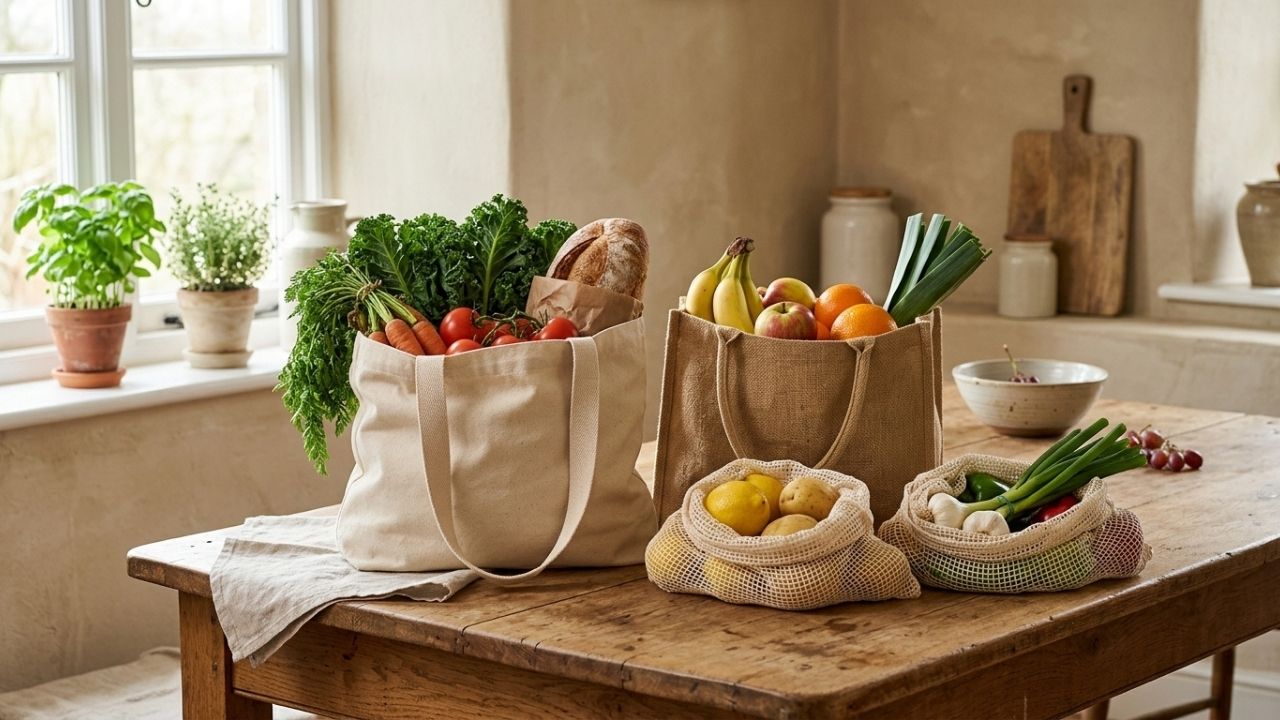
Reusable fabric bags are probably the most popular plastic bag alternative, and for good reason. They are sturdy, washable, and can be used hundreds of times before wearing out.
Cotton and Canvas Totes
Cotton and canvas totes are widely available and tend to be the go-to choice for grocery shopping. They are strong enough to carry heavy items like canned goods or bottled beverages, and many fold down small enough to fit in a purse or glove compartment.
Jute and Hemp Bags
Jute and hemp bags are made from natural plant fibers and are known for being extremely durable. They also tend to have a lower environmental footprint during production compared to cotton, which can be water intensive to grow.
Insulated Reusable Bags
For grocery runs that include frozen or perishable items, insulated reusable bags help keep food cold on the way home. These are a great addition to a reusable bag collection for anyone who shops less frequently and needs their cold items to stay fresh.
Reusable Produce Bags
Plastic bags are not just used at checkout. Many shoppers grab a handful of thin plastic bags in the produce aisle without a second thought. Mesh or lightweight cotton produce bags are a simple fix.
- Mesh bags allow air to circulate, which can help fruits and vegetables stay fresher longer.
- Muslin or cotton produce bags are gentle on delicate greens and herbs.
- Most produce bags are machine washable, making cleanup effortless.
- Many come with a drawstring closure to keep small items like berries from spilling out.
Keeping a set of produce bags tucked inside a larger tote makes it easy to remember them at the store.
Baskets and Bins for Bulk Shopping
For those who shop at bulk food stores or farmers markets, baskets and rigid bins can replace the need for bags altogether. A sturdy basket with handles works well for carrying multiple items at once, and it holds its shape better than a soft bag when loaded with heavier goods. Collapsible crates are another option, particularly for larger shopping trips, since they can be folded flat and stored in a car trunk until needed.
Beeswax Wraps and Silicone Bags
Plastic sandwich bags and cling film are close cousins of the plastic grocery bag, and they deserve attention too. Several reusable options can replace single use plastic wrap in the kitchen.
- Beeswax wraps are made from cotton fabric coated in beeswax, tree resin, and oil. They soften with the warmth of your hands and mold around food or bowls to create a seal.
- Silicone bags are dishwasher safe, freezer friendly, and can be used for everything from storing leftovers to packing snacks.
- Reusable cloth sandwich bags often have a waterproof lining and a hook and loop closure, making them ideal for lunches.
These options are especially helpful for anyone looking to reduce plastic waste beyond just shopping bags.
Paper Bags
Paper bags are not perfect, but they can be a better short-term choice than plastic in certain situations, especially since they are biodegradable and easier to recycle. Many grocery stores still offer paper as an option at checkout for shoppers who forgot their reusable bags.
That said, paper production has its own environmental costs, including deforestation and higher energy use during manufacturing. Paper bags also tend to tear more easily, especially when wet, so they are best used as a backup rather than a primary solution.
Comparing Common Plastic Bag Alternatives
The table below offers a quick side by side look at some of the most common alternatives, along with their strengths and things to keep in mind.
| Alternative | Best For | Reusability | Things to Consider |
|---|---|---|---|
| Cotton or canvas tote | Grocery shopping, everyday errands | Hundreds of uses | Needs to be washed occasionally |
| Jute or hemp bag | Heavy items, farmers markets | Hundreds of uses | Can be pricier upfront |
| Mesh produce bag | Fruits, vegetables, bulk bins | Hundreds of uses | May not suit very small items without a liner |
| Insulated bag | Frozen and perishable food | Hundreds of uses | Bulkier to store |
| Beeswax wrap | Wrapping food, covering bowls | Around one year with care | Not suitable for raw meat |
| Silicone bag | Freezer storage, snacks, leftovers | Hundreds of uses | Higher upfront cost than plastic |
| Paper bag | Backup option, light loads | Single use, recyclable | Tears easily, weaker when wet |
Building New Habits
Switching away from plastic bags is less about buying the perfect product and more about building a routine that sticks. A few simple strategies can make the transition smoother.
Keep Bags Where You Will Actually Use Them
One of the biggest reasons people forget reusable bags is simply that they are not within reach when needed. Storing a few folded totes in a car, by the front door, or inside a work bag makes it far more likely they will be grabbed on the way out.
Start Small
There is no need to replace every plastic item in the house at once. Starting with grocery totes, then adding produce bags, then moving on to kitchen storage, is a manageable way to build the habit without feeling overwhelmed.
Get the Whole Household Involved
Making sustainability a shared effort, rather than one person’s responsibility, helps the new habit stick. Assigning a designated spot for reusable bags that everyone in the household knows about can prevent them from being misplaced.
Repurpose What You Already Have
For those who already have plastic bags at home, the most sustainable move is often to use them up rather than throw them away. Old plastic bags can be reused as trash liners, for pet waste cleanup, or for packing items during a move before phasing them out entirely.
Common Questions About Plastic Bag Alternatives
Are reusable bags actually better for the environment?
Yes, over time. While reusable bags typically require more resources to produce than a single plastic bag, their environmental impact drops significantly the more times they are used. A cotton tote used consistently for a year or more can offset its higher production footprint many times over.
How often should reusable bags be washed?
Most fabric bags should be washed every few weeks, or more often if they carry raw meat, produce with soil on it, or spills. Mesh and cotton produce bags can usually go straight into the washing machine on a gentle cycle.
What is the most durable alternative to plastic bags?
Jute and hemp bags are generally considered among the most durable options due to their tough, woven plant fibers. They tend to hold up well under heavy loads and repeated use.
Can beeswax wraps replace all plastic wrap uses?
Not entirely. Beeswax wraps work well for fruits, vegetables, bread, and covering bowls, but they are not recommended for wrapping raw meat or fish due to hygiene concerns. Silicone bags or containers are a better fit for those situations.
Final Thoughts
There is no single perfect substitute for plastic bags, and that is okay. The most effective approach usually involves a mix of solutions, a sturdy tote for groceries, mesh bags for produce, and beeswax wraps or silicone bags for the kitchen. What matters most is consistency.
Every reusable bag that replaces a disposable one, even occasionally, helps reduce the demand for new plastic and keeps a little less waste out of landfills and waterways.
Making the switch does not require a complete lifestyle overhaul. It starts with small, practical swaps that fit naturally into daily routines, and over time those small choices add up to a meaningful difference.