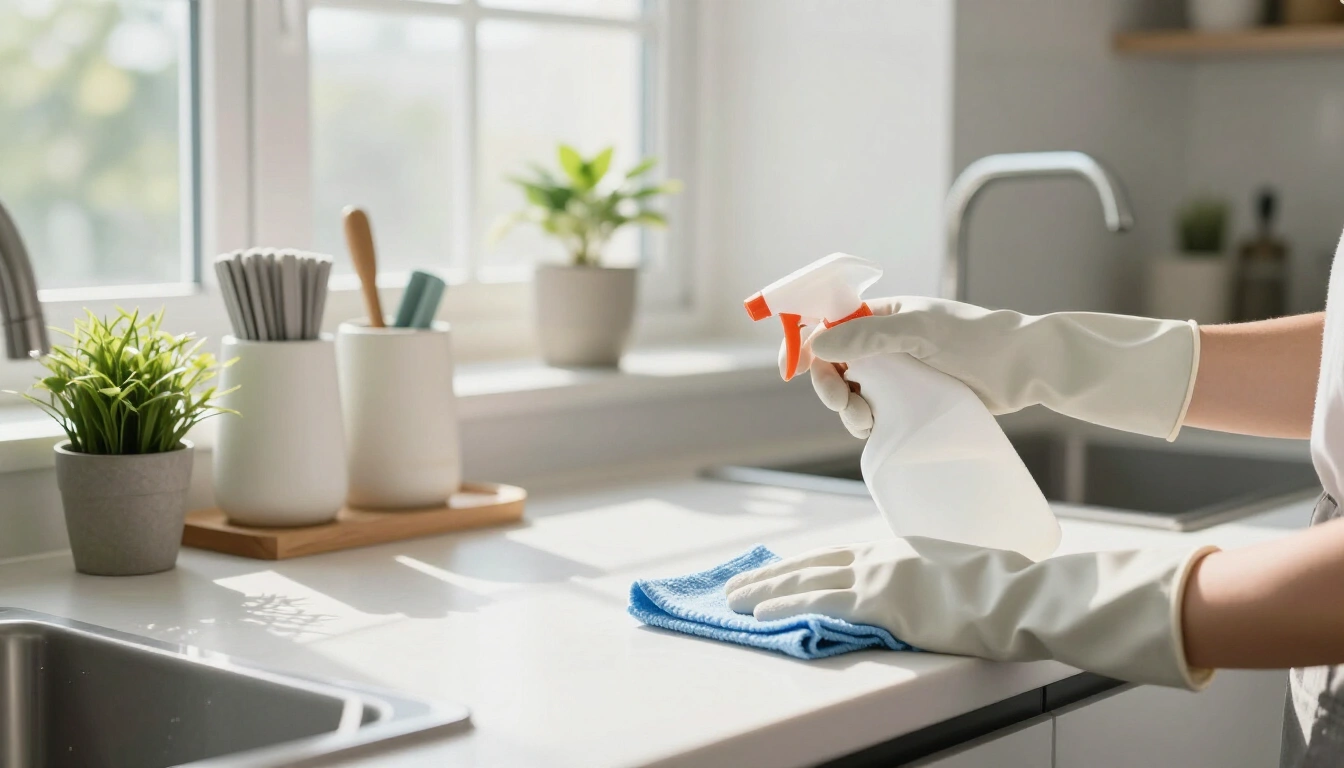
In modern households, cleaning and sustainability are increasingly intertwined. This article explains how to reduce environmental impact while maintaining a spotless home. Readers will learn about the core principles of sustainable cleaning, explore natural and renewable cleaning agents, discover practical routines that minimize waste and energy use, and examine adjustments for sensitive indoor air quality. The goal is to empower households to adopt effective cleaning habits that are gentle on the planet without compromising cleanliness.
Understanding sustainability in cleaning
Sustainable cleaning centers on minimizing resource consumption, reducing chemical exposure, and selecting products and practices that have a lower overall environmental footprint. The approach combines three broad strands: product choice, process efficiency, and waste management. Each strand reinforces the others, creating routines that are practical, affordable, and scalable across different home sizes and budgets.
Product choice: opting for safer, greener options
Safer, greener products typically rely on plant-based or mineral ingredients and avoid volatile organic compounds (VOCs), phosphates, and harsh synthetic fragrances. Although many conventional cleaners are effective, their environmental and health costs may be higher. A sustainable approach can involve using multipurpose cleaners, which reduce the number of bottles, and embracing DIY options that leverage common pantry ingredients with known safety profiles.
Process efficiency: conserving water, energy, and materials
Efficient cleaning means using the right amount of product and avoiding repeated passes over surfaces. For instance, pre-wetting a microfiber cloth and using it multiple times can reduce water use. Scheduling deep cleans during daylight or when natural light is available can cut energy use in households relying on artificial lighting. High-efficiency appliances and properly maintained equipment also contribute to lower energy consumption.
Waste management: reducing, reusing, and recycling
Waste reduction begins with product selection and ends with packaging choices. Refillable containers, concentrated formulas, and reusable cleaning tools help minimize waste. Recycling, composting organic residues, and choosing packaging made from recycled content support a circular economy. An effective waste strategy also includes proper disposal of old products in accordance with local guidelines.
Eco-friendly cleaning agents and their alternatives
Natural and safer cleaners can be powerful when used correctly. The following sections outline common ingredients, their roles, and practical cautions to consider when implementing greener solutions.
Common natural cleaners and their uses
- Vinegar: Effective for mineral deposits, some glass surfaces, and deodorizing. Not suitable for natural stone and certain metal surfaces.
- Baking soda: Functions as a gentle abrasive for stains and helps deodorize. Can be combined with liquids to form a mild paste.
- Lemon juice: Provides acidity for brightening and deodorizing, though it can affect certain surfaces and finishes.
- <strongCastile soap: A versatile base for all-purpose cleaners, dish soaps, and laundry additives when diluted properly.
- <strongEssential oils (optional): Used sparingly for fragrance and perceived cleaning power, but not essential for effectiveness. Some individuals may have sensitivities.
DIY cleaner formulas (basic and safe)
- <strongAll-purpose cleaner: Mix 1 cup distilled water, 1 cup white vinegar, 1 tablespoon baking soda dissolved in water, and a few drops of castile soap in a spray bottle. Shake gently before use. Note: avoid mixing vinegar with bleach or certain cleaning agents.
- <strongGlass and surface cleaner: Combine equal parts distilled water and white vinegar in a spray bottle. Wipe with a microfiber cloth for streak-free results.
- <strongDisinfecting option: Use heat and friction where appropriate for surfaces that tolerate it. For areas requiring disinfection, consider products that are EPA-registered and labeled for the intended use, and follow label directions carefully.
Store-bought green cleaners and certifications
Not all “green” labels are created equal. Look for certifications from recognized programs that assess product safety, biodegradability, and packaging sustainability. Reading ingredient lists and avoiding products with vague or overly broad claims can help ensure alignment with sustainability goals.
Practices and routines that support a sustainable clean
Adopting routines that minimize waste and conserve resources can make sustainable cleaning routine and sustainable living easier. The following practices offer practical steps and examples that can be adapted to different homes.
Routine design: frequency and scope
Effective routines balance frequency with depth. High-touch areas such as kitchens and bathrooms may require more frequent attention, while other spaces can be cleaned less often with targeted touch-ups. A weekly cleaning plan might include surface wiping, floor sweeping, and trash management, complemented by monthly or seasonal deep cleans that address grout, upholstery, and ventilation systems.
Water-saving techniques
- Use a bucket and damp microfiber cloths where possible to reduce running water during sink-based tasks.
- Rinse tools and cloths in a single basin rather than under a continuously running tap.
- Fix leaks promptly and consider low-flow fixtures to reduce water consumption over time.
Energy-conscious cleaning
- Plan cleaning activities during daylight hours to minimize artificial lighting needs.
- Utilize energy-efficient appliances and ensure filters and seals are clean for optimal performance.
- Operate vacuum cleaners and other powered devices at appropriate settings to maximize efficiency.
Waste reduction in the cleaning routine
- Opt for refillable bottles and reduce single-use packaging by purchasing concentrated formulas.
- Repurpose containers where safe and appropriate, and dispose of empties according to local recycling guidelines.
- Choose microfiber or other durable cleaning tools that can be reused many times, reducing disposable wipes usage.
Floor and surface care: material-aware approaches
- Different surfaces require different cleaners. For example, natural stone countertops demand pH-neutral products, while wood finishes require care to prevent damage.
- Hard floors may benefit from gentle mopping with minimal water, while carpets can be maintained with periodic deep cleaning using appropriate equipment and methods that minimize chemical use.
Air quality and indoor environments
Ventilation plays a crucial role in indoor air quality. Cleaning processes should minimize the release of strong chemicals and odors. Open windows when feasible, use air purifiers with true HEPA filters in occupied spaces, and consider fragrance-free or low-VOC products to maintain a healthier home environment.
Special considerations for households
Certain conditions demand tailored approaches, including households with allergy sufferers, families with young children, or spaces with pets. The following considerations help mitigate risks while maintaining effective cleaning outcomes.
Allergies and sensitivities
Minimizing fragrance and chemical exposure can significantly improve comfort for allergy-prone individuals. Testing new products in a small, inconspicuous area helps detect potential irritants. Routine cleaning that reduces dust buildup—especially in bedding, upholstery, and carpets—contributes to overall comfort.
Young children and pets
Non-toxic cleaning solutions and careful product storage are essential. Selecting concentrated cleaners that require dilution can reduce exposure risk, and keeping products out of reach minimizes accidental ingestion or contact. Replacing solvent-based products with water-based alternatives can lower potential hazards for curious pets and kids.
Seasonal deep cleans
Seasonal routines provide opportunities to tackle tasks that are often neglected during busier periods. Tasks may include washing curtains, deep-cleaning appliances, and inspecting ventilation and heating systems for efficiency and safety. Planning these tasks ahead can reduce the ecological footprint of each cleaning season.
Implementation plan: a practical, scalable routine
The following plan outlines a scalable approach that can be adapted to different homes. It emphasizes minimal waste, safety, and effectiveness across a typical weekly cycle and a monthly deep-clean schedule.
Weekly routine (short and efficient)
- Do a quick decluttering sweep to reduce surface dust accumulation.
- Wipe kitchen counters, stove, and sink with a diluted all-purpose cleaner.
- Wipe bathrooms with a gentle cleaner and rinse surfaces with a damp cloth to avoid residue buildup.
- Vacuum or sweep high-traffic areas and mop with a low-water approach for hard floors.
- Take out the trash and replace liners with attention to local recycling guidelines.
Monthly deep-clean examples
- Clean grout lines, rinse shower doors, and remove mineral buildup from fixtures.
- Wash curtains, cleaning upholstery, and refresh air filters where applicable.
- Inspect and clean ventilation systems, ensuring ducts are clear and operational.
Tracking progress and adjusting routines
Maintaining a sustainable cleaning program benefits from tracking methods such as simple checklists, shower and sink condition notes, and a monthly review of product packaging. Adjustments may include switching to even more concentrated formulas, increasing reusable tool usage, or refining schedules to accommodate seasonal changes in cleanliness needs.
FAQ
- Are natural cleaners as effective as conventional products?
Natural cleaners can be highly effective for many common tasks, especially when used correctly and with proper dilution. Certain tasks may require stronger detergents or validated disinfectants; in such cases, the selection of safer, approved products is advised while minimizing overall chemical load.
- What are the best practices for reducing plastic waste in cleaning?
Best practices include choosing refillable or concentrated products, using reusable spray bottles, and selecting packaging with recycled content. Purchasing multi-purpose products reduces the number of containers needed, and recycling programs should be followed for packaging disposal.
- How can indoor air quality be improved through cleaning?
Ventilation, the use of low-VOC or fragrance-free products, and routine removal of dust and allergens contribute to better indoor air quality. Air purifiers with effective filtration and maintaining clean HVAC systems also support healthier indoor environments.
- Is it necessary to disinfect surfaces during routine cleaning?
Disinfection is generally targeted, focusing on high-touch areas or during illness or high-risk situations. Emphasis on mechanical cleaning and proper contact time with approved disinfectants can achieve sanitation goals while limiting chemical exposure.
- How do seasonal changes affect sustainable cleaning plans?
Seasonal shifts influence dust levels, humidity, and the need for deep cleans. Planning seasonal tasks in advance ensures cleaning methods remain effective while aligning with waste reduction and energy-saving goals.
Conclusion
Adopting sustainable cleaning practices blends environmental responsibility with effective housekeeping. By choosing safer cleaners, reducing waste, conserving water and energy, and maintaining indoor air quality, households can achieve a healthier living space while minimizing ecological impact. The key lies in consistent routines, thoughtful product choices, and an ongoing commitment to improvements that suit individual homes.