Anyone who has ever thrown away a bag of wilted spinach or a forgotten block of cheese knows the quiet guilt that comes with wasted food. It is not just a dent in the wallet. It is also a missed opportunity to live a little more lightly on the planet.
For people who care about sustainability, reducing food waste is one of the simplest and most powerful habits they can build, and thankfully, there is a growing world of smart products designed to help.
This article explores ten clever product categories that can help anyone use more of the groceries they already buy. From clever storage solutions to smart kitchen gadgets, these tools make it easier to stretch meals further, cut down on spoilage, and feel good about every trip to the store.
Why Reducing Food Waste Matters
Before diving into the products themselves, it helps to understand why this topic deserves attention. Food waste is a major environmental issue. When food spoils and ends up in landfills, it breaks down and releases methane, a greenhouse gas far more potent than carbon dioxide. Growing, transporting, and packaging food also uses water, energy, and land, so every wasted item represents wasted resources on top of wasted money.
For someone trying to live a more eco-friendly lifestyle, tackling food waste at home is one of the most direct actions they can take. It does not require a complete lifestyle overhaul. It simply requires better tools and a bit of awareness.
1. Reusable Silicone Food Storage Bags
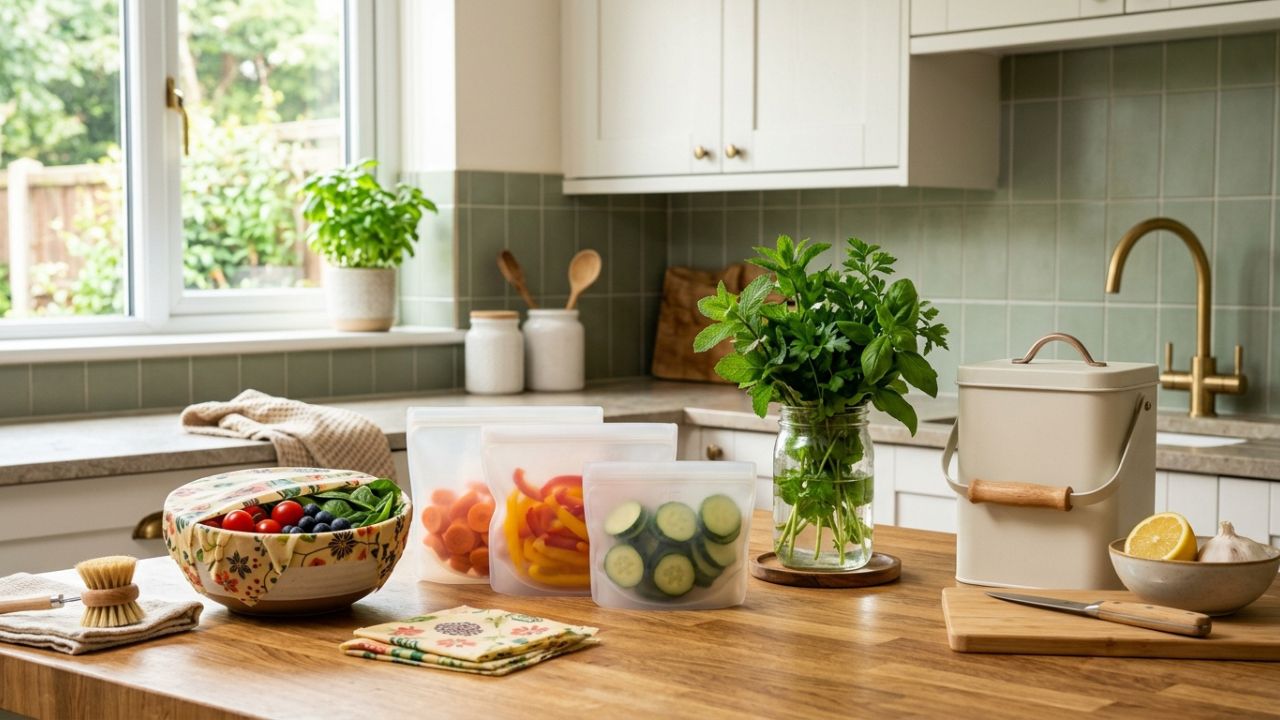
Plastic wrap and single-use zip bags are convenient, but they contribute heavily to landfill waste and are often used just once before being tossed. Reusable silicone bags offer a sturdy, washable alternative that can hold everything from sliced fruit to marinated meat.
These bags typically:
- Seal tightly to lock in freshness and prevent freezer burn
- Come in various sizes for snacks, sandwiches, or bulk storage
- Are dishwasher safe, making cleanup simple
- Last for years with proper care, cutting down on repeat purchases
By keeping produce fresher for longer, these bags naturally reduce the chances of food spoiling before it gets used.
2. Produce Storage Containers with Humidity Control
Many vegetables and fruits spoil faster simply because they are stored the wrong way. Humidity-controlled produce containers are designed with vents or adjustable openings that regulate airflow, keeping leafy greens crisp and berries firmer for longer.
Some containers use a raised base to keep produce away from pooling moisture, which is often the real culprit behind slimy greens or moldy berries. Others include charcoal filters that absorb the ethylene gas released by fruits like apples and bananas, a gas that speeds up ripening and can cause nearby produce to spoil faster.
Why This Matters for Eco-Friendly Living
Every piece of produce that gets used instead of discarded represents less waste sent to landfill and less demand placed on farms and supply chains. Small storage upgrades can make a noticeable difference over the course of a month.
3. Herb Keepers and Small Vase Systems
Fresh herbs are notorious for wilting within days of purchase, especially when left loose in the refrigerator drawer. Herb keeper products, often shaped like small vases or jars with a water reservoir, allow herbs like cilantro, parsley, and basil to be stored upright in water, much like flowers in a vase.
This simple trick can extend the life of herbs from a few days to two or three weeks, which means fewer half-used bunches ending up in the compost bin before they were fully enjoyed.
4. Vacuum Sealers for Bulk and Leftover Storage
Vacuum sealing removes air from packaging, which slows the growth of bacteria and mold. This makes it an excellent tool for anyone who buys groceries in bulk or wants to save leftovers for later without worrying about freezer burn.
Vacuum sealers are particularly useful for:
- Portioning meat before freezing
- Preserving fresh-baked bread
- Storing chopped vegetables for future meals
- Sealing in marinades to boost flavor while saving time
Because vacuum-sealed food lasts significantly longer in the freezer, households can buy in bulk with more confidence, often reducing packaging waste and the number of shopping trips needed overall.
5. Smart Fridge Organizers and Lazy Susans
Sometimes the biggest barrier to using groceries fully is simply forgetting they exist. Items pushed to the back of the fridge are often the ones that spoil first. Fridge organizers, including stackable bins, clear labeled containers, and rotating lazy Susans, help keep everything visible and easy to reach.
When food is organized by category, such as grouping dairy, sauces, and produce separately, it becomes much easier to see what needs to be used soon. This visual reminder alone can prevent a surprising amount of waste.
6. Compost Bins for Kitchen Counters
Even with the best intentions, some food scraps are unavoidable. Vegetable peels, eggshells, and coffee grounds are a normal part of cooking. Countertop compost bins offer a tidy, odor-controlled way to collect these scraps until they can be transferred to a larger compost pile or municipal collection service.
Composting turns waste into a resource rather than a burden. Instead of scraps rotting in a landfill and releasing methane, they break down aerobically and eventually become nutrient-rich soil that can be used in gardens or donated to community projects.
7. Ripeness Indicators and Ethylene Absorbers
Bananas ripen too fast. Avocados seem to go from rock hard to overripe overnight. Ethylene-absorbing products, such as small pouches or discs placed inside produce drawers, work to slow this process by soaking up the natural gases that cause fruit to age quickly.
Some brands of produce bags also include tiny holes designed to release excess ethylene and moisture, striking a balance that keeps fruits and vegetables fresher for much longer than standard plastic bags.
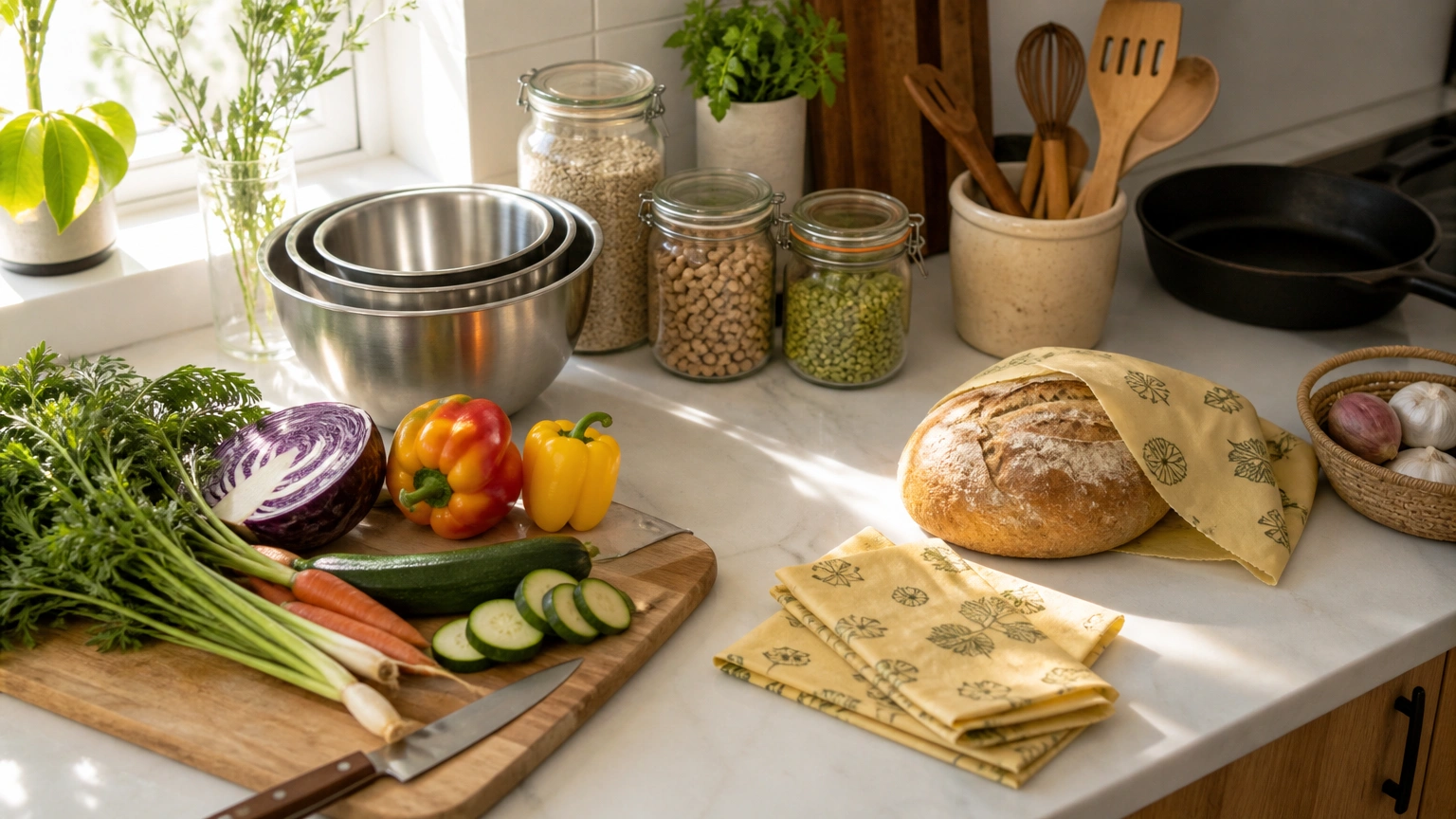
8. Reusable Beeswax and Plant-Based Food Wraps
As an alternative to plastic wrap, beeswax and plant-based wraps offer a breathable, washable way to cover bowls, wrap sandwiches, or preserve cut fruit. The natural wax coating creates a light seal that keeps food fresh while still allowing it to breathe, which can actually help certain foods last longer than they would under plastic.
These wraps are usually made from cotton infused with beeswax, tree resin, and jojoba oil, and they can last up to a year with proper care. Simply washing them with cool water and mild soap keeps them ready for reuse.
9. Digital Food Inventory Trackers
For those who enjoy a bit of tech in their kitchen routine, digital food inventory apps and smart labels can help track what is in the fridge and pantry, along with expiration dates. Some systems sync with a phone app and send reminders when an item is nearing its use-by date.
This kind of tracking helps prevent the common scenario of buying duplicate items simply because someone forgot what was already in the pantry. It also encourages meal planning around what needs to be used first, which naturally reduces waste.
10. Multi-Use Kitchen Tools for Repurposing Scraps
Certain kitchen tools are specifically designed to help people get more out of every part of their produce. Spiralizers can turn vegetable scraps into noodles. Citrus zesters make use of peels that might otherwise be discarded. Stock-making bags or containers allow vegetable trimmings, bones, and herb stems to be frozen and later turned into broth.
These tools shift the mindset from “this part is trash” to “this part still has value,” which is a core principle of sustainable cooking.
Comparing the Products at a Glance
| Product Type | Best For | Typical Lifespan | Waste Reduction Impact |
|---|---|---|---|
| Silicone storage bags | Snacks, meats, produce | Several years | High |
| Humidity-controlled containers | Leafy greens, berries | Several years | High |
| Herb keepers | Fresh herbs | Ongoing use | Moderate |
| Vacuum sealers | Bulk meat, leftovers | Long-term appliance | Very high |
| Fridge organizers | General food visibility | Long-term use | Moderate |
| Countertop compost bins | Food scraps | Long-term use | High |
| Ethylene absorbers | Fruits, avocados | A few weeks per pouch | Moderate |
| Beeswax wraps | Sandwiches, bowls | Up to one year | Moderate |
| Digital inventory trackers | Pantry and fridge items | Ongoing app use | Moderate |
| Multi-use kitchen tools | Scraps, peels, stems | Long-term use | Moderate to high |
Building a Routine Around These Products
Owning the right tools is only part of the equation. Building a simple routine around them makes the biggest difference. A few habits worth considering include:
- Doing a quick fridge check before grocery shopping to avoid duplicate purchases
- Storing new groceries behind older ones so nothing gets forgotten
- Setting aside one night a week to cook a “clean out the fridge” meal
- Freezing extras instead of letting them spoil on the counter
- Keeping compost bins easily accessible so scraps do not pile up in the trash
Over time, these small actions combined with the right products can significantly cut down on how much food ends up wasted.
The Bigger Picture
Choosing to reduce food waste at home is a small, personal decision that adds up to something much larger. When millions of households make similar choices, the collective impact on landfill methane emissions, water conservation, and resource use becomes significant. It is a quiet but meaningful way to support a healthier planet, one grocery trip at a time.
For anyone interested in living more sustainably, investing in a few of these products can be a practical starting point. It does not require perfection. It simply requires a willingness to notice where waste tends to happen and to make small adjustments that help groceries go further.
Final Thoughts
Reducing food waste does not have to feel like a chore. With the right combination of storage tools, organizational habits, and a bit of creativity in the kitchen, it becomes a natural part of everyday life.
These ten product categories offer accessible ways to stretch groceries further, save money, and support a more sustainable lifestyle, all without requiring a dramatic change in routine.
Small shifts, like storing herbs in water or vacuum sealing leftovers, may seem minor on their own. But together, they represent a meaningful step toward a kitchen that wastes less and values more.