
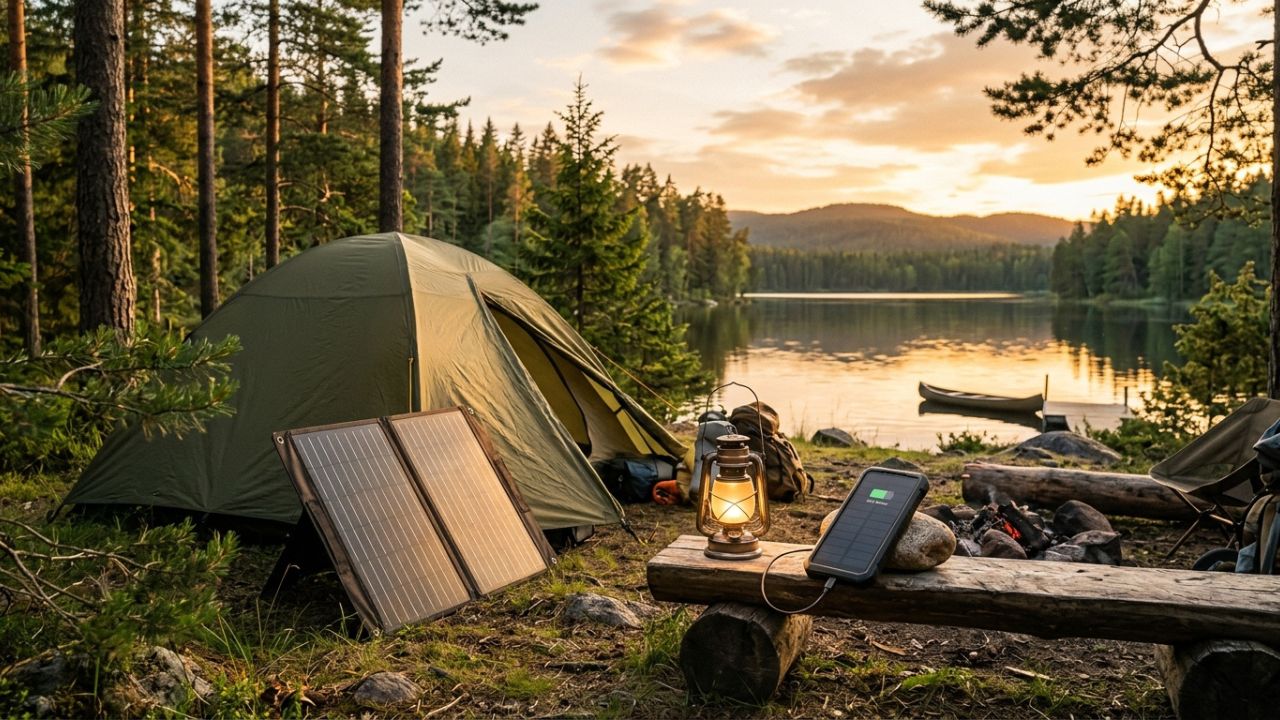
Living lightly on the planet does not mean giving up power, comfort, or convenience. For anyone who spends time camping, van dwelling, hiking, or simply wants a backup energy source at home, portable solar products have become one of the easiest ways to stay connected while reducing reliance on fossil fuels.
These devices capture sunlight and turn it into usable electricity for phones, lights, coolers, and even small appliances, all without a single drop of gasoline or a noisy generator running in the background.
For someone interested in sustainable living, portable solar gear represents a small but meaningful step toward energy independence. It reduces carbon footprints, cuts down on waste from disposable batteries, and offers peace of mind during power outages or remote adventures. This article walks through ten of the most useful portable solar products available today, explains how each one works, and offers guidance on choosing the right setup for different lifestyles.
Why Portable Solar Makes Sense for Eco-Conscious Living
Before diving into the products themselves, it helps to understand why portable solar has become such a popular choice among people trying to live greener lives.
Solar energy is renewable, silent, and free once the equipment is purchased. Unlike gas-powered generators, solar panels produce zero emissions while running. They also require very little maintenance, and many products are designed to last for years with proper care. For off-grid travelers, this means fewer trips to buy fuel and less noise pollution in natural spaces. For everyday households, it means a reliable way to keep essential devices charged during storms or grid failures.
Portable solar products also encourage a slower, more intentional relationship with energy use. Since sunlight is not always guaranteed, users often become more mindful of how much power they consume, which naturally supports a more sustainable mindset overall.
1. Portable Solar Panels
Portable solar panels are the foundation of any off-grid solar setup. These fold-out panels are lightweight, often made with durable fabric backing, and can be clipped to a backpack or propped against a tree, tent, or vehicle window to catch direct sunlight.
- Ideal for hikers, van lifers, and campers
- Typically fold into a compact size for easy transport
- Many models include USB ports for direct device charging
Most portable panels range in wattage from around 20 watts for casual phone charging to over 200 watts for powering larger battery systems. The higher the wattage, the faster the charging speed, though heavier and larger panels are best suited for vehicle-based travel rather than backpacking.
2. Solar Power Banks
Solar power banks combine a rechargeable battery with a small built-in solar panel. While the solar panel alone usually cannot charge a battery quickly, it serves as a helpful backup source when a wall outlet is not available.
These are especially popular among hikers and travelers who want a lightweight way to top off their phone or GPS device during multi-day trips. Many solar power banks also include flashlights, carabiner clips, and rugged, waterproof exteriors built for rough outdoor conditions.
What to Look for in a Solar Power Bank
- Battery capacity measured in milliamp hours (mAh)
- Waterproof or water-resistant rating
- Number of USB output ports
- Overall weight for backpacking suitability
3. Solar Generators
Solar generators are essentially large battery packs paired with solar panels, capable of powering small appliances, laptops, mini fridges, and even power tools. Unlike traditional generators, they run silently and do not require fuel.
These units are a favorite among off-grid cabin owners, van dwellers, and families preparing for emergency power outages. Many solar generators can be recharged through a wall outlet, a car charger, or attached solar panels, giving users flexibility depending on their situation.
4. Solar String Lights
For anyone setting up a campsite, patio, or off-grid living space, solar string lights offer a simple and charming way to add ambient lighting without wiring or batteries. A small solar panel absorbs sunlight during the day and automatically powers the lights at dusk.
These are lightweight, easy to hang, and require no cords, making them ideal for tents, RVs, tiny homes, and backyard gatherings focused on sustainable entertaining.
5. Solar Lanterns
Solar lanterns are a staple for off-grid living and outdoor adventures. They charge during the day, either hanging from a backpack or sitting on a windowsill, and provide hours of bright, steady light at night.
- Great for camping trips and power outages
- Many models are collapsible for compact storage
- Some include USB charging ports for small devices
Because they eliminate the need for disposable batteries, solar lanterns are a favorite among people trying to reduce household waste.
6. Solar Phone Chargers
Dedicated solar phone chargers are smaller and more streamlined than solar panels, designed specifically for charging smartphones on the go. These are perfect for day hikes, beach trips, or simply reducing dependence on wall outlets at home.
Many are foldable with multiple small panels that unfold like a book, offering a good balance between portability and charging speed.
7. Solar Water Purifiers
Clean drinking water is essential for any outdoor adventure, and solar-powered water purifiers make it possible to treat water without electricity or chemicals. These devices use UV light or solar-powered filtration systems to remove harmful bacteria and pathogens from natural water sources.
For off-grid travelers exploring remote areas, this technology reduces the need for single-use plastic water bottles, supporting both health and sustainability goals.
8. Solar Cooling Fans
Staying cool during hot outdoor excursions or off-grid living situations can be a challenge, especially without access to electricity. Solar cooling fans solve this problem by using built-in solar panels to power small, energy-efficient fans.
These are commonly used in tents, greenhouses, chicken coops, and vehicles parked in the sun. Some models include battery backups so they continue running even after the sun goes down.
9. Solar Camping Stoves
Solar cookers and camping stoves harness sunlight to heat and cook food without propane, wood, or charcoal. While cooking times may be longer than traditional methods, solar stoves are silent, fuel-free, and leave no smoke or ash behind.
They are particularly useful in dry, sunny climates and are gaining popularity among off-grid homesteaders looking to reduce fuel costs and environmental impact.
Benefits of Solar Cooking
- No fuel costs or emissions
- Reduces fire risk in dry environments
- Works well for slow-cooked meals and boiling water
10. Solar Battery Chargers for AA and AAA Batteries
Many outdoor gadgets, from headlamps to walkie-talkies, still rely on standard AA or AAA batteries. Solar battery chargers allow users to recharge these batteries using sunlight instead of throwing them away after use.
This small but impactful product helps reduce battery waste, which is a major contributor to landfill pollution. It is a smart addition to any off-grid or outdoor gear kit for someone focused on sustainable living.
Comparing Portable Solar Products at a Glance
| Product | Best For | Portability | Power Output |
|---|---|---|---|
| Portable Solar Panels | Van life, camping | Medium to High | Low to High |
| Solar Power Banks | Hiking, daily use | High | Low |
| Solar Generators | Off-grid homes, emergencies | Low to Medium | High |
| Solar String Lights | Campsites, patios | High | Very Low |
| Solar Lanterns | Camping, outages | High | Low |
| Solar Phone Chargers | Day trips, backpacking | High | Low |
| Solar Water Purifiers | Remote travel | High | Low |
| Solar Cooling Fans | Tents, coops, vehicles | Medium | Low |
| Solar Camping Stoves | Cooking outdoors | Medium | Medium |
| Solar Battery Chargers | Small gadgets | High | Very Low |
How to Choose the Right Portable Solar Product
Selecting the right solar product depends largely on individual needs, travel style, and energy demands. Someone backpacking through remote trails will prioritize lightweight, compact gear, while a family living off-grid full time may need a more robust solar generator paired with large panels.
Questions to Ask Before Buying
- How much power is actually needed on a daily basis
- Will the product be used for short trips or long-term off-grid living
- Is weight or capacity the higher priority
- How much direct sunlight is typically available in the area of use
- Is waterproofing necessary for the intended environment
Taking time to answer these questions can prevent overspending on unnecessary features or underestimating power needs during an important trip.
Tips for Maximizing Solar Efficiency Outdoors
Even the best solar equipment performs poorly if not used correctly. A few simple habits can make a significant difference in charging speed and overall efficiency.
- Position panels directly facing the sun and adjust angle throughout the day
- Clean dust or debris off panels regularly to maintain efficiency
- Charge batteries fully during peak sunlight hours, typically late morning to early afternoon
- Store solar equipment in a dry place when not in use to extend lifespan
- Use energy-efficient devices to stretch stored power further
The Bigger Picture: Solar and Sustainable Living
Portable solar products are more than just convenient gadgets. They represent a shift toward cleaner, quieter, and more self-sufficient ways of living. Every phone charged by sunlight instead of a coal-powered grid, every lantern lit without disposable batteries, and every meal cooked without propane adds up to a smaller environmental footprint over time.
For those just beginning their sustainability journey, starting small with a solar power bank or lantern can be an easy entry point. For seasoned off-grid enthusiasts, investing in a full solar generator setup can provide long-term independence from traditional power sources.
As solar technology continues to improve, portable products are becoming more efficient, lightweight, and affordable, making it easier than ever for outdoor lovers and eco-conscious individuals to enjoy the benefits of clean energy wherever their adventures take them.
Final Thoughts
Choosing portable solar products is a practical and rewarding way to embrace a more sustainable lifestyle, whether at a campsite, in a van, or during an unexpected power outage at home. From simple solar lanterns to powerful solar generators, there is an option suited to nearly every outdoor need and budget.
By harnessing the power of the sun, outdoor enthusiasts can reduce waste, cut down on fuel costs, and enjoy the quiet satisfaction of living a little closer to nature.



