Living sustainably often sounds like a full time job. Between work, kids, errands, and the general chaos of daily life, many people assume that going green requires hours of research, a bigger budget, and a complete lifestyle overhaul.
The truth is much simpler. Small, consistent swaps can make a real difference without adding stress to an already packed schedule.
This article breaks down ten practical, budget friendly swaps that busy households can make today. None of these require special skills or a total home renovation. They are designed to fit into real life, not an idealized version of it.
Why Small Swaps Matter More Than Big Gestures
It is easy to feel like sustainability only counts when it is dramatic, like installing solar panels or going completely zero waste overnight. In reality, most environmental impact comes from everyday habits repeated over time. A household that swaps just a few disposable items for reusable ones can prevent hundreds of pieces of plastic from entering landfills and waterways each year.
Small swaps also tend to stick. Big lifestyle changes often fail because they are hard to maintain under pressure. A busy parent juggling school drop offs and work deadlines is far more likely to remember a reusable water bottle than to commit to composting every food scrap perfectly. Starting small builds momentum, and momentum is what actually changes long term habits.
1. Reusable Shopping Bags Instead of Plastic Ones
Plastic bags are one of the easiest things to eliminate from a household routine. They pile up quickly under the sink, rarely get reused more than once, and take hundreds of years to break down in landfills.
Keeping a few reusable bags in the car, by the front door, or clipped to a purse or backpack makes this swap almost automatic. Many stores now sell durable, foldable options that take up very little space.
- Choose bags made from recycled materials for a lower environmental footprint
- Keep a spare bag in every vehicle so forgetting one is less likely
- Wash cloth bags regularly to keep them sanitary for food shopping
2. Switching to a Reusable Water Bottle
Single use plastic bottles are one of the most common sources of household waste. A reusable water bottle pays for itself quickly and eliminates the need for constant repurchasing.
For families with different needs, insulated stainless steel bottles keep drinks cold for outdoor activities, while lightweight options work well for everyday errands. Investing in one bottle per family member, rather than sharing, tends to encourage more consistent use.
Tips for Making This Swap Stick
- Keep bottles by the door or in bags so they are easy to grab
- Set a reminder to refill bottles each morning as part of a routine
- Choose a bottle with a straw or easy sip lid for kids to encourage daily use
3. Cloth Napkins and Towels Instead of Paper
Paper towels and disposable napkins are convenient, but they add up in cost and waste over time. Cloth alternatives can be washed and reused hundreds of times, making them a smarter long term choice for busy households.
A simple way to start is by keeping a stack of cloth napkins near the dining area and a few absorbent towels in the kitchen for spills. This does not mean eliminating paper products completely, but reducing daily reliance on them.
| Item | Disposable Option | Reusable Swap |
|---|---|---|
| Napkins | Paper napkins | Cloth napkins |
| Kitchen wipes | Paper towels | Reusable cloth towels |
| Cleaning cloths | Disposable wipes | Washable microfiber cloths |
| Coffee filters | Paper filters | Reusable metal or cloth filters |
4. Refillable Cleaning Products
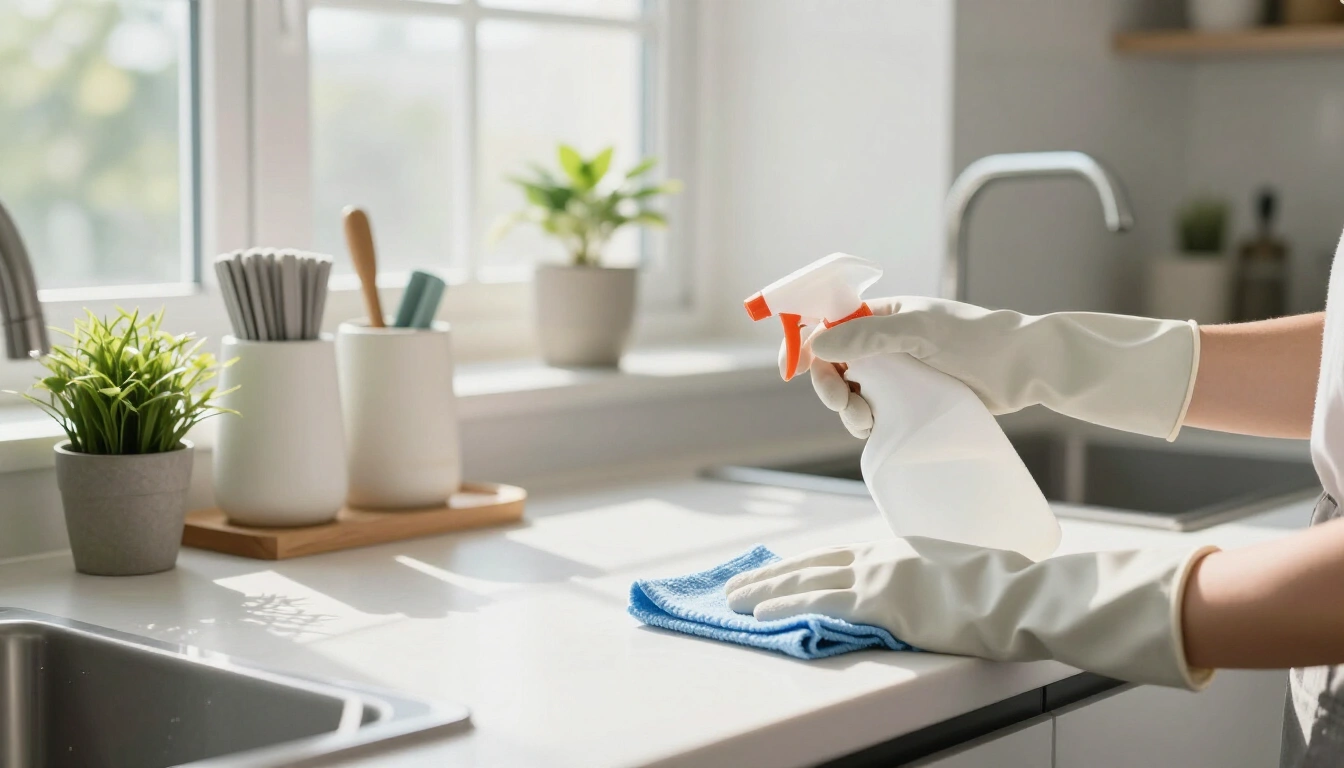
Cleaning supplies are often packaged in single use plastic bottles, even when the product inside is used up quickly. Refillable cleaning systems allow households to reuse the same bottle multiple times by purchasing concentrated refills or making simple solutions at home.
This swap is especially useful for busy households because it reduces the number of trips needed to restock supplies. Many concentrated refills are also more affordable per use than traditional bottled cleaners.
- Look for concentrated refill pouches that reduce packaging waste
- Reuse spray bottles instead of buying new ones with each purchase
- Consider simple homemade solutions using vinegar and water for basic cleaning tasks
5. Energy Efficient Lighting
Switching to energy efficient light bulbs is one of the simplest upgrades a household can make. Unlike many sustainability swaps, this one requires almost no ongoing effort once the bulbs are installed.
Energy efficient bulbs use significantly less electricity and tend to last much longer than traditional options, meaning fewer replacements and lower utility bills over time. For busy households, this translates into one less recurring task to think about.
Why This Swap Is Worth Prioritizing
- Lower electricity bills without changing daily habits
- Bulbs last years longer, reducing how often replacements are needed
- Available in a range of brightness levels and tones for every room
6. Meal Planning to Reduce Food Waste
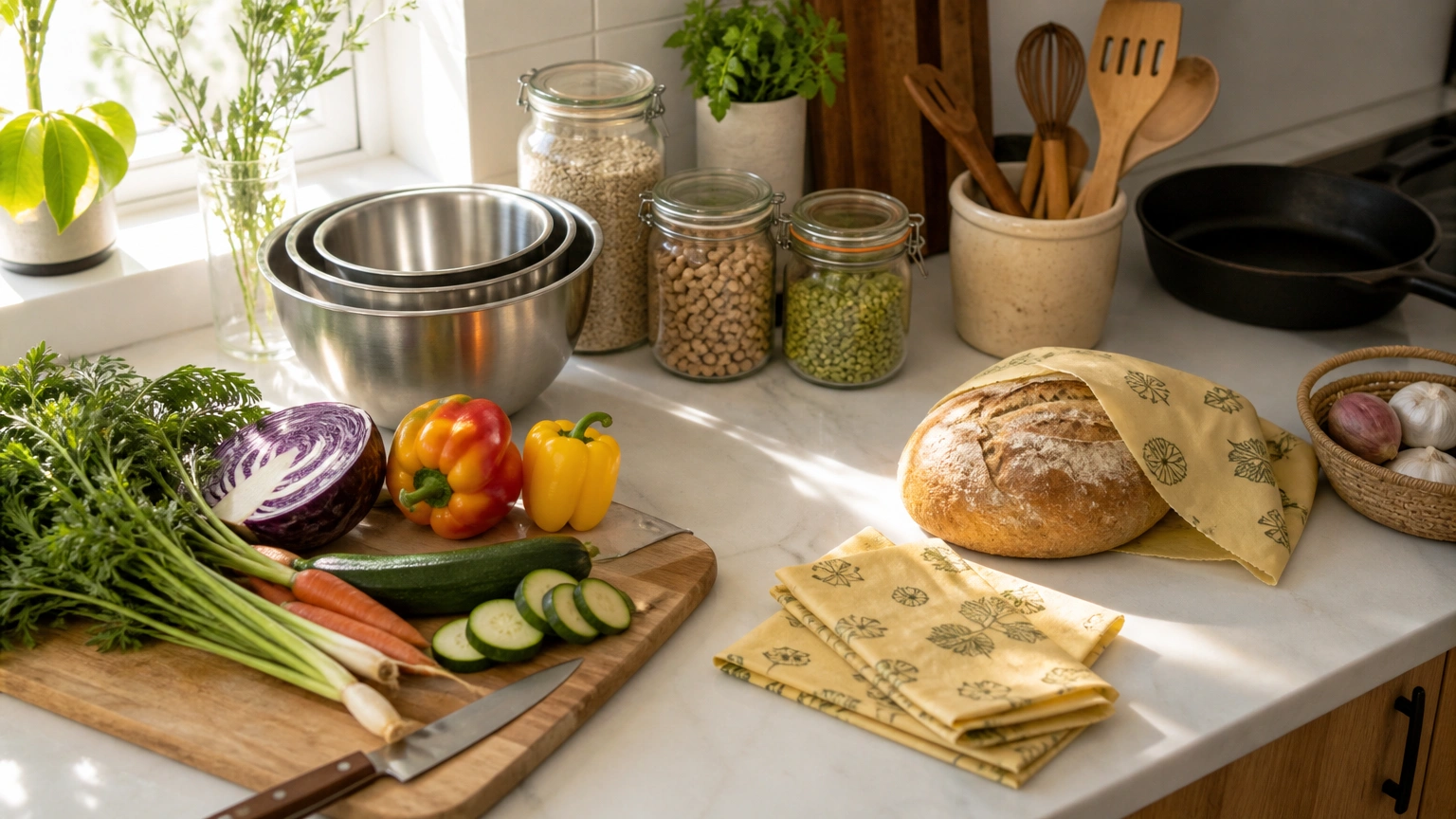
Food waste is one of the most overlooked sustainability issues in the average household. Busy schedules often lead to last minute takeout or forgotten groceries that spoil before they are used.
A simple weekly meal plan can reduce both food waste and grocery costs. This does not need to be elaborate. Even a rough outline of five meals for the week can prevent overbuying and reduce the number of ingredients that go unused.
- Plan meals around ingredients that are already in the fridge or pantry
- Batch cook on a day off to save time during the busy work week
- Store leftovers in clear containers so they are easier to remember and use
7. Composting Made Simple
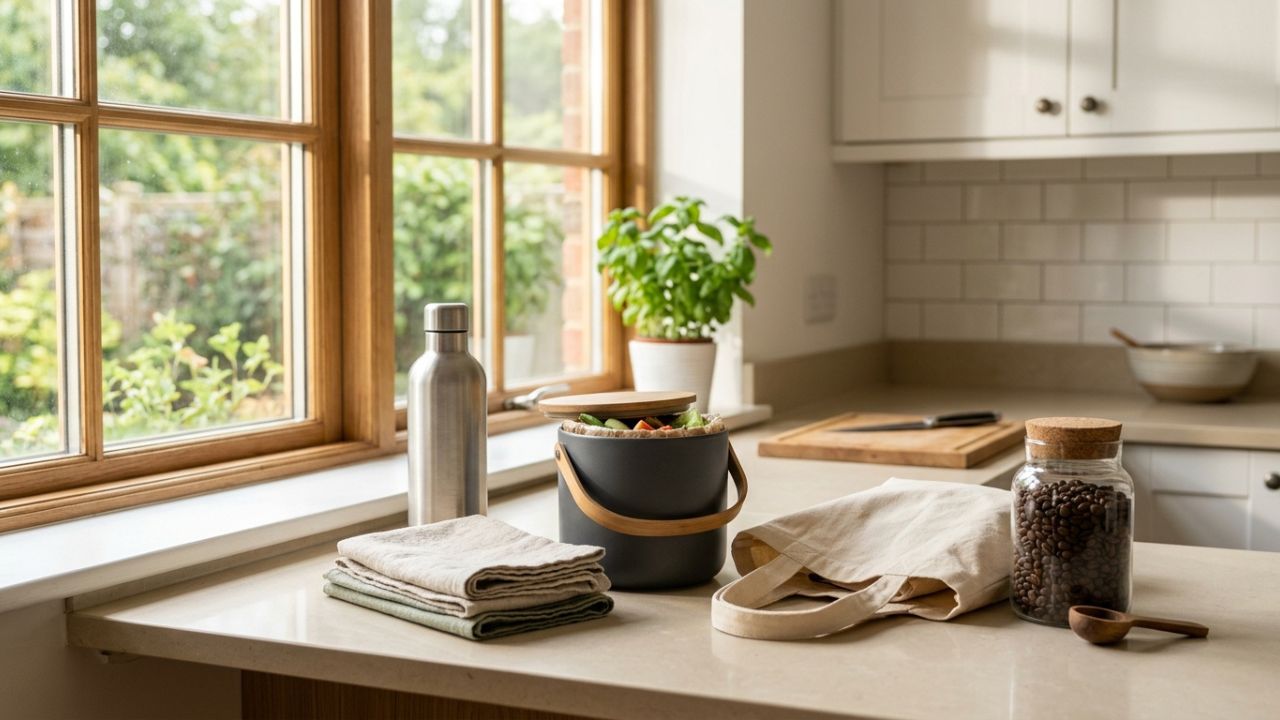
Composting sounds intimidating, but it does not have to involve a large backyard setup or constant maintenance. Many cities now offer curbside compost pickup, and countertop compost bins make it easy to collect scraps without odor or hassle.
For households without access to municipal composting, a small indoor bin paired with a local drop off point, such as a farmers market or community garden, can make the process manageable.
Getting Started With Composting
- Start with a small countertop bin to collect fruit and vegetable scraps
- Research local drop off points if curbside pickup is not available
- Avoid composting meat, dairy, or oily foods to prevent odor issues
8. Secondhand and Thrifted Clothing
Fast fashion contributes heavily to landfill waste and resource consumption. Choosing secondhand clothing, even occasionally, helps extend the life cycle of existing garments and reduces demand for new production.
This swap does not require giving up personal style. Many thrift and consignment shops offer well maintained pieces at a fraction of retail prices, and online resale platforms make it easy to shop secondhand without leaving home.
- Check secondhand options first before buying new clothing items
- Donate gently used clothing instead of throwing it away
- Consider clothing swaps with friends or family for kids who outgrow items quickly
9. Reducing Single Use Coffee Pods
Single serve coffee pods are convenient but generate a significant amount of plastic and foil waste. Reusable pod filters allow households to keep the convenience of a pod machine while using their own coffee grounds instead of disposable capsules.
For households that prefer drip coffee, a reusable filter is an even simpler swap that eliminates paper waste entirely.
- Use a reusable filter designed for the household’s specific coffee maker
- Buy coffee in bulk to reduce packaging waste over time
- Compost used coffee grounds instead of throwing them away
10. Smart Thermostats and Power Strips
Energy use is often the least visible source of household waste. A smart thermostat can automatically adjust heating and cooling based on daily routines, reducing energy consumption without requiring constant manual adjustments.
Power strips with an on and off switch also make it easier to fully cut power to electronics that draw energy even when turned off, sometimes called phantom power draw.
| Upgrade | Benefit | Effort Level |
|---|---|---|
| Smart thermostat | Automatically reduces energy use | Low, set once |
| Power strips | Cuts phantom energy draw | Low, flip a switch |
| Weather stripping | Reduces heating and cooling loss | Moderate, one time install |
Building Habits That Actually Last
The key to making sustainable swaps stick in a busy household is choosing changes that fit naturally into existing routines rather than forcing an entirely new lifestyle. Trying to adopt all ten swaps at once can feel overwhelming and may lead to burnout before any habit has a chance to form.
A more realistic approach is to choose one or two swaps to start with, allow them to become second nature, and then gradually add more. Over the course of a year, this steady approach can lead to meaningful reductions in household waste and energy use without requiring drastic lifestyle changes.
Final Thoughts
Sustainability does not have to be complicated or time consuming to be effective. For busy households, the goal is progress, not perfection. Choosing reusable products, planning meals more intentionally, and making a few energy efficient upgrades can add up to a significant positive impact over time.
The most important part of any sustainable swap is consistency. Even small, imperfect efforts practiced regularly tend to outperform occasional grand gestures. By starting with a few manageable changes, any household, no matter how busy, can move toward a more eco-friendly way of living.