Living a more sustainable lifestyle does not require a complete home renovation or a huge budget. In fact, many of the most effective changes come from small, simple devices that quietly reduce energy waste in every room of the house.
These tools help lower electricity bills, reduce carbon footprints, and make daily routines a little more mindful of the planet.
Whether someone is just starting their eco-friendly journey or looking to fine tune an already efficient home, these ten devices offer practical, room by room solutions. Each one is affordable, easy to install, and delivers noticeable results over time.
Why Energy-Saving Devices Matter
Energy waste often happens without anyone noticing. Lights left on in empty rooms, appliances running on standby, and inefficient heating systems all add up to higher bills and unnecessary emissions. Small devices can help correct these habits automatically, taking the guesswork out of conservation.
Choosing energy-saving devices is also a gentle way to build sustainable habits without feeling overwhelmed. Instead of overhauling an entire lifestyle overnight, homeowners can start with one room and gradually expand their efforts throughout the house.
1. Smart Power Strips for the Living Room
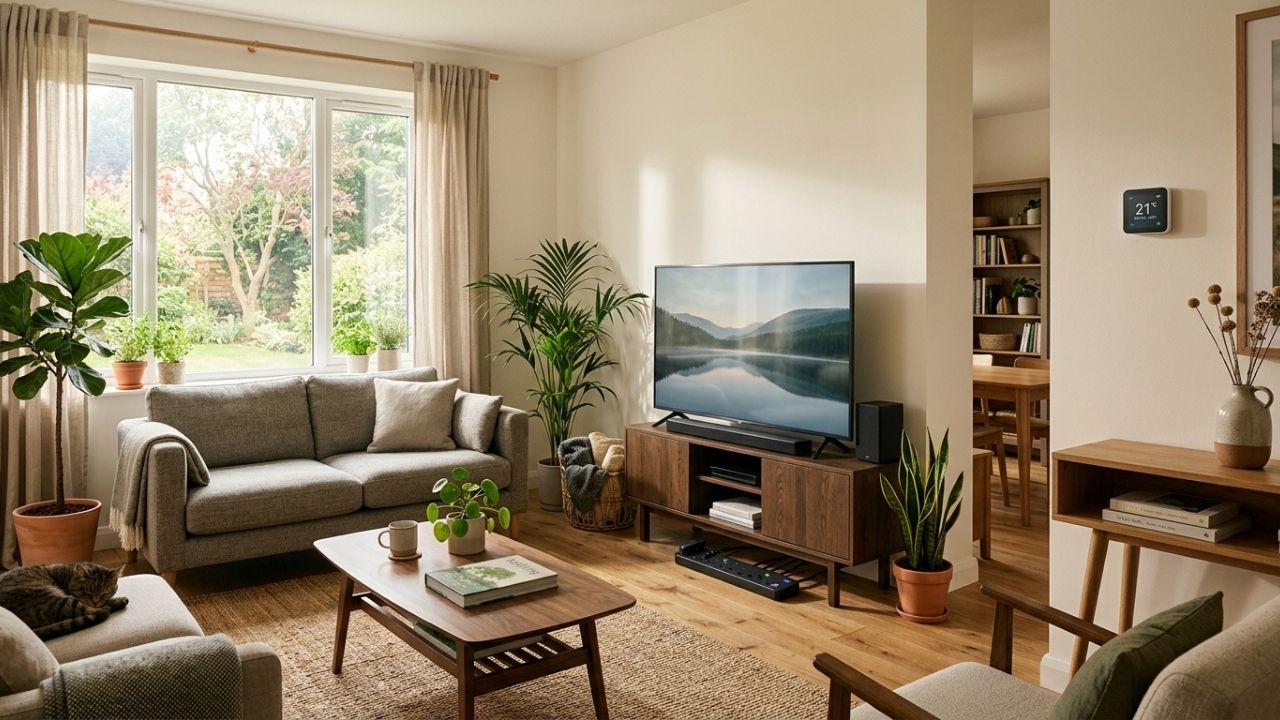
Living rooms are often packed with electronics such as televisions, gaming consoles, speakers, and streaming devices. Many of these continue to draw power even when turned off, a phenomenon known as phantom load or vampire energy.
A smart power strip solves this problem by automatically cutting power to devices that are not in active use. Some models detect when a television is off and shut down connected accessories like sound bars or consoles at the same time.
- Reduces phantom energy draw from electronics
- Groups multiple devices under one control point
- Some versions can be scheduled or controlled through an app
How It Helps the Environment
By eliminating standby power consumption, a household can noticeably cut its electricity use without changing any daily habits. It is one of the simplest upgrades for anyone who wants results without extra effort.
2. Programmable Thermostats for the Hallway
Thermostats are usually placed in central hallways because they help regulate temperature throughout the home. A programmable or smart thermostat allows homeowners to set specific heating and cooling schedules based on when people are actually home.
Instead of running the heater or air conditioner all day, the system can lower energy use during work hours or overnight, then adjust before anyone wakes up or returns.
- Learns daily routines and adjusts automatically
- Can be controlled remotely through a smartphone
- Reduces unnecessary heating and cooling cycles
Many programmable thermostats also provide usage reports, giving homeowners insight into patterns they might not have noticed otherwise.
3. LED Motion Sensor Lights for the Bathroom
Bathrooms are notorious for lights being left on, especially in households with children. Motion sensor LED lights solve this by turning on automatically when someone enters and switching off after a set period of no movement.
Pairing motion sensors with LED bulbs multiplies the energy savings, since LEDs already use significantly less electricity than traditional incandescent bulbs.
- Prevents lights from being left on accidentally
- LED bulbs last longer and use less power
- Ideal for spaces used briefly throughout the day
4. Low-Flow Showerheads and Water Heater Timers
While not strictly electrical devices, water heating accounts for a large portion of household energy use. A low-flow showerhead reduces water consumption without sacrificing comfort, while a water heater timer ensures the heater is not running constantly when hot water is not needed.
- Low-flow showerheads cut water usage significantly
- Timers prevent water heaters from running overnight
- Combined use reduces both water and energy bills
5. Smart Plugs for the Kitchen
Kitchens are full of small appliances like coffee makers, toasters, and slow cookers that often stay plugged in around the clock. Smart plugs allow these devices to be scheduled or turned off remotely, preventing unnecessary energy use when they are not needed.
Some smart plugs also monitor energy consumption in real time, giving homeowners a clearer picture of which appliances use the most power.
- Enables remote or scheduled control of small appliances
- Tracks real time energy usage for better awareness
- Simple to install without any rewiring
6. Energy Efficient Refrigerator Thermometers
Refrigerators are one of the most energy-intensive appliances in any home, running continuously throughout the day. A simple refrigerator thermometer helps ensure the appliance is set to the optimal temperature, which is typically between 37 and 40 degrees Fahrenheit for the fridge and 0 degrees Fahrenheit for the freezer.
Running a refrigerator colder than necessary wastes energy, while running it too warm risks food safety. A thermometer takes the guesswork out of finding that balance.
- Confirms the fridge is not overworking unnecessarily
- Helps maintain food safety standards
- Inexpensive and easy to check regularly
7. Draft Stoppers and Door Sweeps for Entryways
Entryways and front doors are common places where conditioned air escapes and outside air seeps in. Draft stoppers, sometimes called door snakes, and door sweeps are simple physical devices that block these gaps.
This small addition helps heating and cooling systems work less to maintain a comfortable indoor temperature.
- Blocks drafts under doors and windows
- Reduces strain on heating and cooling systems
- Affordable and requires no installation tools
8. Smart Blinds or Window Films for the Bedroom
Bedrooms often face direct sunlight during certain parts of the day, which can significantly affect indoor temperature. Smart blinds automatically adjust based on sunlight or programmed schedules, helping to keep rooms cooler in summer and retain warmth in winter.
For those not ready to invest in smart blinds, energy-efficient window films offer a similar benefit at a lower cost by reflecting heat while still allowing natural light in.
- Reduces reliance on air conditioning during sunny hours
- Helps retain warmth during colder months
- Window films are a budget-friendly alternative
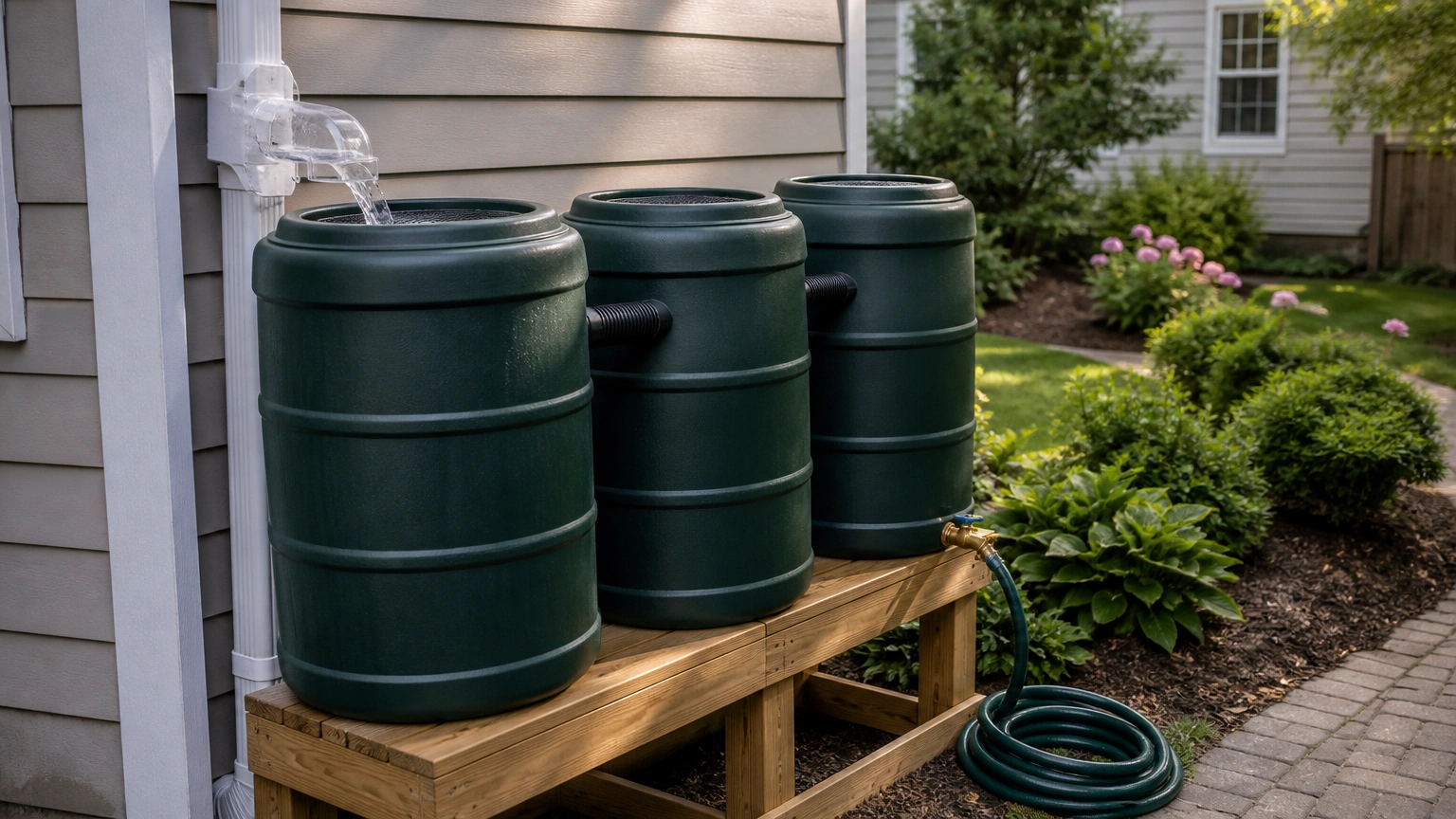
9. Smart Sprinkler Controllers for Outdoor Spaces
Outdoor spaces also play a role in a home’s overall energy and water efficiency. Smart sprinkler controllers use weather data to adjust watering schedules, preventing unnecessary water use during rainy periods or overwatering during cooler seasons.
- Adjusts watering based on real-time weather conditions
- Prevents water waste from fixed, outdated schedules
- Supports healthier lawns and gardens with less resource use
10. Energy Monitors for the Whole Home
For those who want a complete overview of their household energy use, a whole-home energy monitor tracks consumption across every connected circuit. These devices sync with an app and provide detailed breakdowns of which appliances or rooms use the most power.
This bigger picture view often reveals surprising sources of energy waste, motivating households to make further changes where they matter most.
- Provides a full breakdown of household energy use
- Identifies which rooms or appliances need attention
- Encourages long term sustainable habits
Comparing the Ten Devices at a Glance
| Device | Best Room | Main Benefit |
|---|---|---|
| Smart Power Strip | Living Room | Eliminates phantom power draw |
| Programmable Thermostat | Hallway | Automates heating and cooling schedules |
| Motion Sensor LED Lights | Bathroom | Prevents lights left on unnecessarily |
| Low-Flow Showerhead and Timer | Bathroom | Reduces water heating energy |
| Smart Plug | Kitchen | Controls small appliances remotely |
| Refrigerator Thermometer | Kitchen | Optimizes fridge and freezer temperature |
| Draft Stopper and Door Sweep | Entryway | Blocks drafts and air leaks |
| Smart Blinds or Window Film | Bedroom | Regulates indoor temperature naturally |
| Smart Sprinkler Controller | Outdoor Space | Prevents water waste from overwatering |
| Whole-Home Energy Monitor | Entire Home | Tracks and identifies energy waste |
Getting Started Without Feeling Overwhelmed
Adopting all ten devices at once is not necessary to see meaningful results. A good approach is to start with the room used most often, since that is typically where the biggest energy savings will show up first. From there, homeowners can gradually add more devices as their budget and interest allow.
- Start with one high-traffic room, such as the kitchen or living room
- Track energy bills before and after each addition
- Expand to other rooms once initial changes feel routine
Small, consistent changes tend to be more sustainable than drastic overhauls. Each device on this list works quietly in the background, meaning the effort required from homeowners is minimal once everything is set up.
Final Thoughts
Creating a more energy-efficient home does not have to be complicated or expensive. These ten simple devices, spread across the living room, hallway, bathroom, kitchen, bedroom, entryway, and outdoor spaces, offer an accessible way to reduce waste and lower utility costs.
For anyone committed to living a more sustainable lifestyle, starting with these small upgrades is a practical and rewarding first step toward a greener home.