
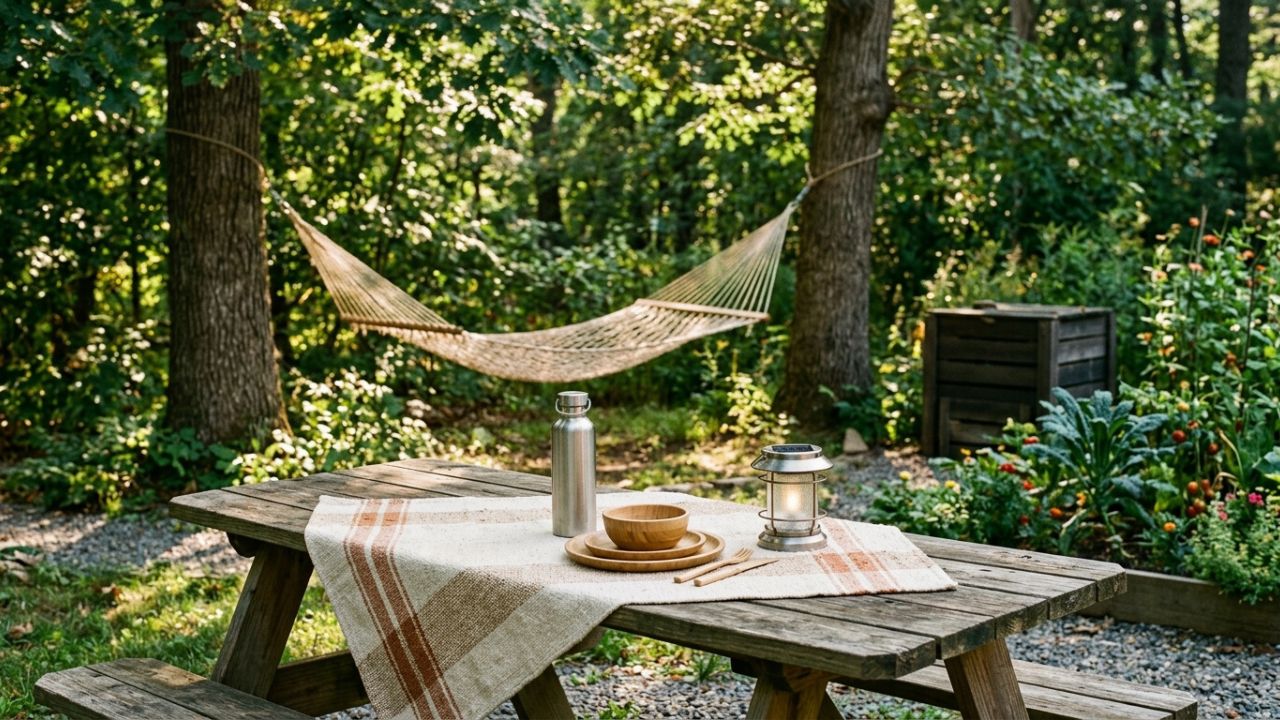
More people are rethinking how they spend time outdoors, and that shift is showing up in the products they choose. Whether it’s a weekend hike, a backyard garden project, or a simple picnic in the park, the gear used for these activities can either add to landfill waste or support a lower impact way of living.
Sustainable outdoor products are no longer a niche interest. They have become a practical way for everyday people to enjoy nature while reducing their environmental footprint.
This article walks through ten sustainable outdoor finds that make it easier to live a greener lifestyle. Each item is chosen because it blends everyday usefulness with materials or practices that are kinder to the planet. From reusable gear to solar powered tools, these finds show that eco-conscious living does not require giving up comfort or convenience.
Why Sustainable Outdoor Gear Matters
Outdoor activities naturally connect people to the environment, so it makes sense that the gear used for those activities should reflect the same values. Traditional outdoor products are often made from virgin plastics, treated with harsh chemicals, or designed to be replaced quickly rather than repaired. Over time, this creates a cycle of waste that works against the very nature people are trying to enjoy.
Choosing sustainable alternatives helps in a few important ways.
- It reduces the amount of single use plastic and disposable packaging that ends up in landfills or waterways.
- It supports companies that prioritize ethical sourcing, recycled materials, and fair labor practices.
- It often results in longer lasting products, which saves money over time.
- It encourages a mindset shift toward mindful consumption rather than impulse buying.
With that foundation in mind, here are ten outdoor finds worth considering for anyone looking to build a greener routine.
1. Reusable Water Bottles Made from Recycled Materials
A reusable water bottle is one of the simplest and most effective swaps a person can make. Instead of relying on single use plastic bottles, a durable bottle made from recycled stainless steel or recycled aluminum can last for years. Many brands now use post consumer recycled materials, which reduces the demand for new raw resources.
What to Look For
- Bottles made from recycled stainless steel or aluminum rather than virgin plastic
- Double wall insulation to keep drinks cold or hot for longer
- A leak proof design that holds up during hikes, bike rides, or road trips
2. Solar Powered Lanterns and Chargers
Solar powered lanterns and chargers are a favorite among campers and outdoor enthusiasts because they eliminate the need for disposable batteries. These devices absorb sunlight during the day and provide light or power at night, making them ideal for camping trips, backyard gatherings, or emergency preparedness kits.
Solar lanterns are especially useful because they reduce reliance on battery powered devices that often end up in landfills once they stop holding a charge. Many newer models also include USB ports, allowing users to charge phones or small electronics directly from stored solar energy.
3. Biodegradable Camping Utensils and Dinnerware
Disposable plastic plates and utensils are a common source of waste during camping trips and outdoor picnics. Biodegradable alternatives made from bamboo, cornstarch, or sugarcane fiber offer a practical solution. These products break down naturally over time instead of sitting in a landfill for centuries.
Benefits of Biodegradable Dinnerware
- Breaks down significantly faster than traditional plastic
- Often lightweight and easy to pack for trips
- Usually free from harmful chemicals like BPA
4. Organic Cotton Picnic Blankets
A picnic blanket might seem like a small detail, but the materials used to make it matter. Organic cotton blankets are grown without synthetic pesticides or fertilizers, which reduces the environmental impact of the farming process. These blankets are also often paired with recycled backing material to make them water resistant without relying on harmful plastic coatings.
5. Recycled Plastic Outdoor Furniture
Outdoor furniture made from recycled plastic, sometimes called recycled HDPE, gives new life to plastic waste that would otherwise end up in oceans or landfills. This furniture is designed to withstand weather conditions without fading, cracking, or requiring chemical treatments like traditional wood furniture often needs.
| Furniture Type | Common Material | Sustainability Benefit |
|---|---|---|
| Outdoor chairs | Recycled HDPE plastic | Diverts plastic waste from landfills |
| Garden benches | Reclaimed wood | Reduces demand for new lumber |
| Patio tables | Recycled aluminum | Lowers energy use compared to new metal production |
| Storage bins | Recycled polypropylene | Extends the life cycle of plastic materials |
6. Compost Bins for Backyard Gardening
Composting is one of the most impactful habits a household can adopt, and having a dedicated outdoor compost bin makes the process much easier. Food scraps and yard waste can be turned into nutrient rich soil instead of contributing to methane emissions in landfills.
Types of Compost Bins to Consider
- Tumbling compost bins that speed up the decomposition process
- Stationary bins made from recycled plastic or untreated wood
- Worm composting bins, also known as vermicomposting systems, for smaller spaces
7. Natural Fiber Hammocks
Hammocks made from organic cotton, hemp, or recycled polyester offer a relaxing way to enjoy the outdoors while supporting sustainable material choices. Hemp in particular is known for being a low impact crop that requires less water and fewer pesticides compared to conventional cotton.
These hammocks are often just as durable as synthetic versions, and many are designed to be fully biodegradable at the end of their life cycle, which is a meaningful benefit compared to standard nylon hammocks.
8. Eco-Friendly Insect Repellent
Traditional insect repellents often contain synthetic chemicals that can affect both human health and local ecosystems. Eco-friendly alternatives use natural ingredients like citronella, eucalyptus, or lemongrass oil to keep bugs away without introducing harmful compounds into the environment.
Why This Swap Matters
- Reduces chemical runoff into soil and water sources
- Often comes in refillable or recyclable packaging
- Safer for pets and children who spend time outdoors
9. Solar Powered Garden Lights
Solar powered garden lights are a simple upgrade for anyone looking to reduce electricity use outdoors. These lights charge during the day using built in solar panels and automatically turn on at night, eliminating the need for wiring or grid electricity.
Beyond the environmental benefits, solar garden lights are also cost effective since they do not add to a monthly electricity bill. Many are made with weather resistant, recyclable materials that hold up well across seasons.
10. Reusable Produce and Grocery Bags
While not exclusively an outdoor item, reusable produce and grocery bags often come along for farmers market trips, outdoor markets, and picnic prep. Made from organic cotton mesh or recycled polyester, these bags replace the thin plastic bags typically used for fruits and vegetables.
Advantages of Reusable Bags
- Cuts down on single use plastic waste from grocery trips
- Machine washable, so they stay clean and reusable for years
- Often more breathable, which helps produce stay fresh longer
How to Start Building a Sustainable Outdoor Collection
Switching to sustainable outdoor gear does not have to happen all at once. A gradual approach often works best, both for the budget and for the environment, since replacing usable items too quickly can create unnecessary waste.
A few practical steps to consider include:
- Replacing items only once they wear out rather than discarding usable gear early
- Researching brands that are transparent about their sourcing and manufacturing practices
- Looking for secondhand or refurbished outdoor gear before buying new
- Prioritizing multi use items that serve more than one purpose
The Bigger Picture
Choosing sustainable outdoor products is about more than just the items themselves. It reflects a broader commitment to reducing waste, supporting ethical production, and being mindful of how everyday choices affect the environment. Each swap, whether it is a reusable water bottle or a solar powered lantern, contributes to a larger pattern of intentional living.
Outdoor time is meant to be a way to connect with nature, so it makes sense that the tools used for that time should align with protecting it. These ten finds offer a starting point for anyone ready to build a greener outdoor lifestyle, one thoughtful choice at a time.
Final Thoughts
Living sustainably outdoors does not require a complete lifestyle overhaul. Small, consistent changes, like swapping disposable items for reusable ones or choosing solar powered tools over battery operated ones, add up over time.
By exploring options like recycled furniture, biodegradable dinnerware, and natural fiber textiles, anyone can enjoy the outdoors while supporting a healthier planet for future generations.



