
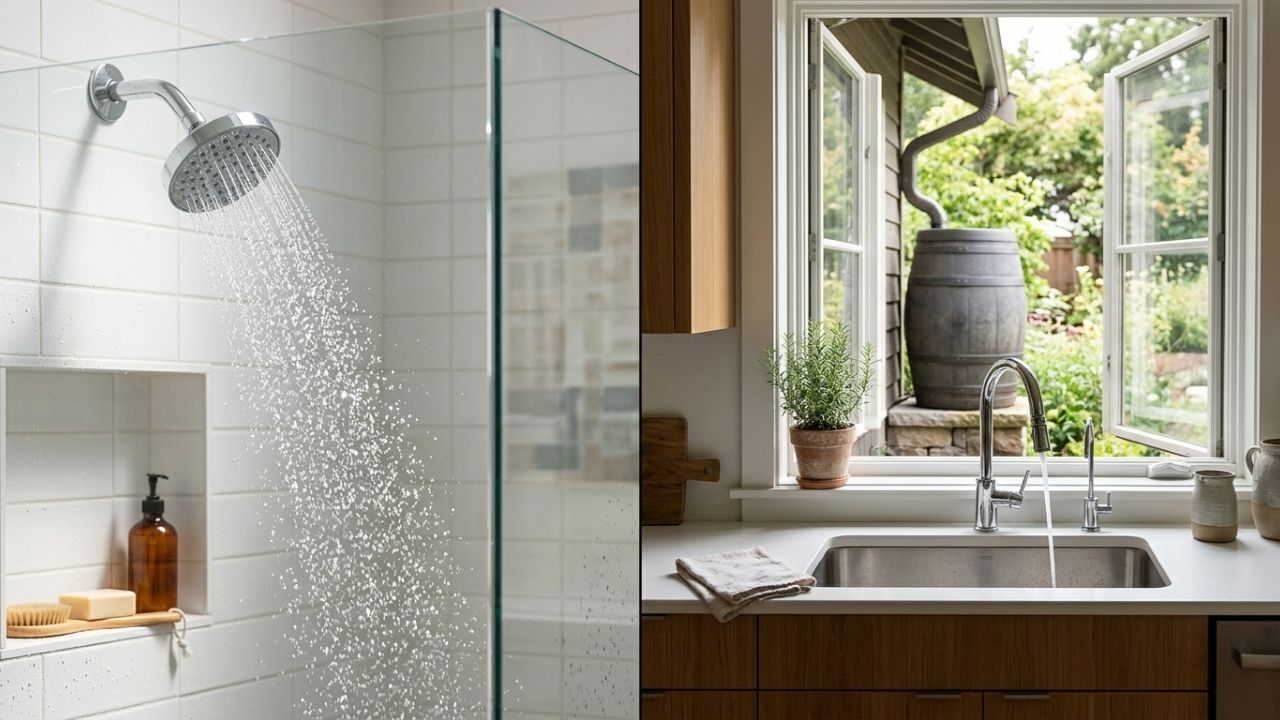
Water is one of those resources people tend to take for granted until it becomes scarce. Every time a tap runs, a shower steams up, or a washing machine spins, gallons of clean water disappear down the drain. For anyone trying to live a more sustainable lifestyle, cutting back on water waste is one of the simplest and most impactful changes to make at home.
The good news is that saving water does not require a complete lifestyle overhaul or a huge budget. A handful of smart household products can quietly reduce water consumption every single day without anyone having to think twice about it.
This article walks through eleven household products that genuinely help make water use more efficient, why they work, and how they fit into an eco-conscious home.
Why Water Efficiency Matters at Home
Households account for a significant chunk of daily water consumption, from showers and laundry to dishwashing and lawn care. Much of that usage is invisible waste, like a dripping faucet or an old showerhead that pushes out far more water than necessary to get the job done.
Reducing water waste is not only good for the planet, it also lowers utility bills and eases pressure on local water systems, especially in regions dealing with drought or water restrictions.
Small upgrades around the house can add up to meaningful savings over a year. Choosing the right products is often the easiest starting point because they work passively in the background, no extra effort required.
1. Low-Flow Showerheads
Showers are one of the biggest water users in any home, and a standard showerhead can use several gallons per minute. Low-flow showerheads are designed to maintain strong water pressure while using significantly less water, often cutting usage by close to half.
Many modern versions mix air with the water stream so the shower still feels powerful, even though less water is actually flowing through.
Installing one is usually a simple do-it-yourself job that takes just a few minutes, making it one of the easiest upgrades for anyone starting their water-saving journey.
2. Faucet Aerators
Faucet aerators are small, inexpensive attachments that screw onto the tip of a kitchen or bathroom faucet. They work by mixing air into the water stream, which reduces the overall flow without reducing water pressure. This means hands still get washed and dishes still get rinsed effectively, just with less water being used in the process.
Because aerators are cheap and easy to install, they are often one of the first products recommended to households wanting to make an immediate difference.
3. Dual-Flush Toilets
Toilets are responsible for a large share of indoor water use. Dual-flush toilets offer two flush options, a lighter flush for liquid waste and a stronger flush for solid waste. This gives households control over how much water is used with every flush instead of using a single, often excessive, amount every time.
Older toilets can use several gallons per flush, while dual-flush models use noticeably less on the lighter setting. Over time, this adds up to a substantial reduction in water consumption for a family household.
4. Water-Efficient Washing Machines
Front-loading washing machines are generally far more water-efficient than older top-loading models because they use a tumbling action instead of fully submerging clothes in water. Many newer machines also come with sensors that detect load size and adjust water levels accordingly, avoiding the waste of running a full cycle for a small load.
Choosing a washing machine with a strong water efficiency rating can make a noticeable dent in a household’s overall water footprint, especially for families doing laundry several times a week.
5. Smart Irrigation Controllers
Outdoor watering is one of the sneakiest sources of water waste, particularly when sprinklers run on a fixed schedule regardless of weather conditions. Smart irrigation controllers use local weather data, soil moisture readings, and plant type information to adjust watering schedules automatically. If it rained the day before, the system knows to skip or reduce the next watering cycle.
This kind of automation prevents overwatering, keeps gardens healthy, and avoids the common mistake of watering a lawn right before or during rainfall.
6. Rain Barrels
Rain barrels collect and store rainwater runoff from rooftops, which can then be used for watering gardens, lawns, or potted plants. Instead of relying on treated tap water for outdoor use, households can tap into a free, natural water source that would otherwise run off into storm drains.
Rain barrels are especially useful in regions with regular rainfall, and they pair well with drip irrigation systems for an even more efficient outdoor watering setup.
7. Water-Efficient Dishwashers
It is a common myth that hand-washing dishes uses less water than a dishwasher. In reality, modern water-efficient dishwashers often use far less water per load than washing the same dishes by hand under a running tap. These machines are engineered with targeted spray jets and shorter cycles that clean effectively while minimizing water use.
Running the dishwasher only with full loads, rather than partial ones, further boosts the efficiency benefits these appliances offer.
8. Leak Detection Devices
A small, unnoticed leak can waste an enormous amount of water over time. Leak detection devices monitor water flow throughout the home and send alerts the moment unusual activity is detected, such as water running continuously overnight when no one is using it. Some devices can even automatically shut off the water supply if a major leak is detected, preventing costly damage as well as water waste.
These smart devices are particularly helpful for catching hidden leaks behind walls or under floors that might otherwise go unnoticed for months.
9. Drip Irrigation Kits
For anyone with a garden, drip irrigation kits are one of the most efficient ways to water plants. Instead of spraying water broadly across an area, drip systems deliver water directly to the base of each plant through a network of tubes and emitters. This targeted approach reduces water lost to evaporation and runoff, and it ensures plants get consistent moisture right at the root zone.
Drip irrigation is especially valuable for vegetable gardens and flower beds where precise watering supports healthier plant growth.
10. Water-Saving Toilet Tank Devices
For households not ready to replace an entire toilet, toilet tank devices offer a budget-friendly alternative. These simple attachments, such as adjustable fill valves or tank displacement devices, reduce the amount of water used per flush in an existing toilet. Some versions allow homeowners to fine-tune exactly how much water fills the tank after each flush.
This is a practical solution for renters or anyone looking for a quick fix without a full bathroom renovation.
11. Greywater Recycling Systems
Greywater systems capture relatively clean wastewater from sinks, showers, and washing machines, then filter and reroute it for reuse in toilet flushing or garden irrigation. Rather than treating every drop of household water as single-use, greywater systems give water a second life before it eventually leaves the home.
While these systems require a bigger upfront investment and sometimes professional installation, they offer some of the most significant long-term water savings available to a household.
Comparing Water-Saving Products at a Glance
| Product | Best For | Typical Water Savings |
|---|---|---|
| Low-flow showerhead | Bathrooms | Up to 50 percent less per shower |
| Faucet aerator | Kitchen and bathroom sinks | Noticeable reduction in flow rate |
| Dual-flush toilet | Bathrooms | Significant savings on liquid flushes |
| Water-efficient washing machine | Laundry rooms | Less water per load |
| Smart irrigation controller | Lawns and gardens | Prevents unnecessary watering cycles |
| Rain barrel | Outdoor watering | Free, reused rainwater |
| Water-efficient dishwasher | Kitchens | Less water than hand-washing |
| Leak detection device | Whole home | Prevents ongoing hidden waste |
| Drip irrigation kit | Gardens | Targeted, low-waste watering |
| Toilet tank device | Bathrooms | Reduced fill volume per flush |
| Greywater recycling system | Whole home | Reuses water for a second purpose |
How to Choose the Right Products for a Home
Not every household needs all eleven products right away. It helps to think about where water is being used the most and start there.
- Start with the cheapest, easiest wins first, such as faucet aerators and low-flow showerheads.
- Focus on the bathroom, since toilets and showers together account for a large share of indoor water use.
- Consider the climate, since outdoor watering products like rain barrels and drip irrigation matter more in dry or drought-prone regions.
- Think long term for bigger investments like greywater systems or water-efficient appliances, since the payoff builds up gradually through lower utility bills.
- Check for local rebates, as many water utilities offer incentives for installing efficient fixtures or appliances.
Simple Habits That Complement These Products
Products alone are not the whole story. Pairing them with a few mindful habits can amplify the water savings even further.
- Turn off the tap while brushing teeth or scrubbing dishes instead of letting it run.
- Fix leaks as soon as they are noticed rather than putting it off.
- Run washing machines and dishwashers only with full loads.
- Water gardens early in the morning or late in the evening to reduce evaporation.
- Reuse water where possible, such as using leftover cooking water for houseplants.
Final Thoughts
Making a home more water-efficient does not require sacrificing comfort or convenience. From a simple faucet aerator to a full greywater recycling system, there is a water-saving product suited to almost every budget and household size.
Each small upgrade contributes to a bigger picture, one where less water is wasted, utility bills shrink, and daily habits align more closely with a genuinely sustainable lifestyle. For anyone ready to take the next step toward eco-friendly living, starting with even one or two of these products is a meaningful place to begin.



