More people are rethinking what they keep in their bathroom cabinets. The shift toward sustainable living has moved beyond the kitchen and closet and into one of the most overlooked rooms in the house: the bathroom.
Plastic bottles, synthetic fragrances, and chemical-laden formulas have long dominated personal care shelves, but a growing number of eco-conscious individuals are swapping these out for natural, low-waste alternatives.
Building an eco-friendly bathroom does not require a complete overhaul overnight. It can start with a single swap, like trading a plastic shampoo bottle for a solid bar, or replacing a disposable razor with a reusable one. Over time, these small changes add up to a grooming routine that is gentler on the body and lighter on the planet.
This article explores eleven natural grooming products worth considering for anyone who wants a more sustainable bathroom, along with practical tips on how to choose products that are both effective and environmentally responsible.
Why Natural Grooming Products Matter
Conventional grooming products often rely on petroleum-based plastics, synthetic preservatives, and ingredients that are not biodegradable. When these products are rinsed down the drain or thrown away, they can contribute to water pollution and landfill waste.
Many mainstream personal care items also come wrapped in single-use plastic packaging that takes hundreds of years to break down.
Natural grooming products, on the other hand, tend to prioritize:
- Biodegradable or compostable ingredients
- Reusable or recyclable packaging
- Fewer synthetic chemicals and fragrances
- Cruelty-free and often vegan formulations
- Ingredients sourced from renewable plant or mineral sources
Choosing natural alternatives is not just about reducing environmental impact. Many people find that these products are gentler on sensitive skin and scalp, since they avoid harsh sulfates, parabens, and artificial dyes that can cause irritation.
11 Natural Grooming Products Worth Adding to the Bathroom
1. Solid Shampoo Bars
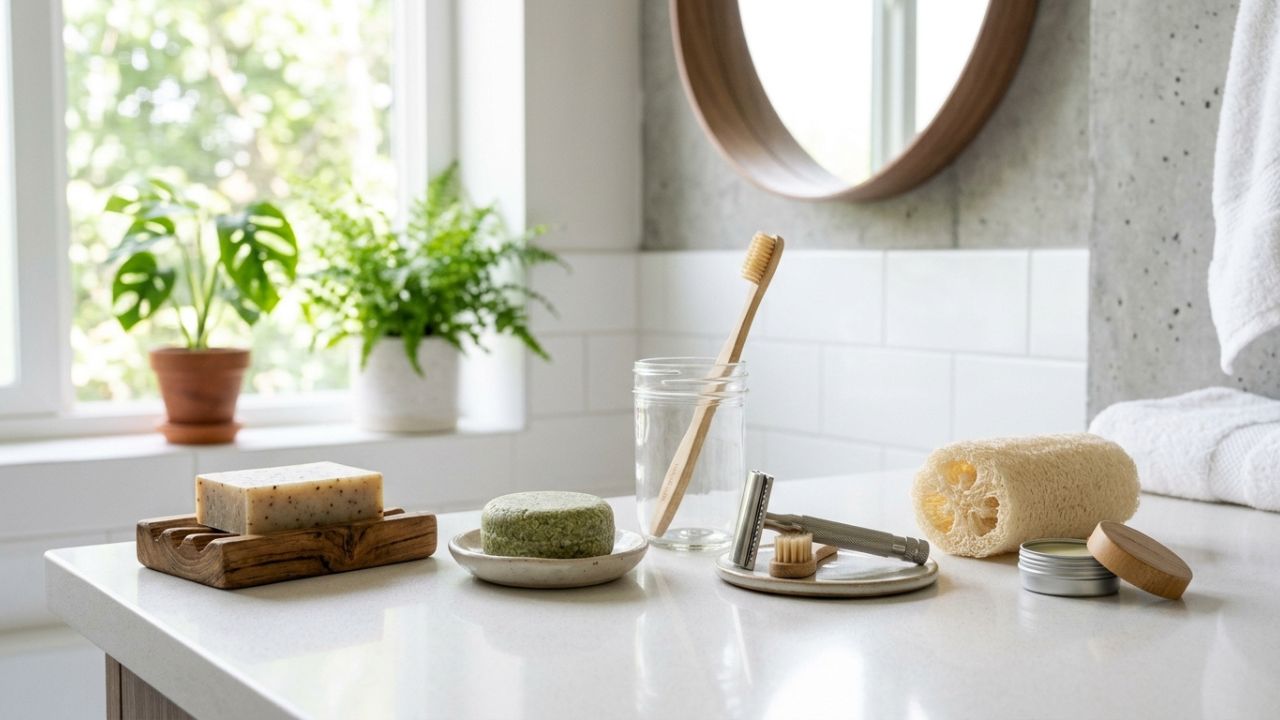
Solid shampoo bars have become one of the most popular swaps for plastic bottle shampoo. A single bar can last as long as two or three bottles of liquid shampoo, and most come with little to no packaging at all. Look for bars made with plant-based oils like coconut or argan, along with essential oils for fragrance instead of synthetic scents.
2. Bar Soap Instead of Body Wash
Bar soap has made a comeback, and for good reason. It typically uses less packaging than bottled body wash and often lasts longer per use. Natural bar soaps made with ingredients like shea butter, oatmeal, or activated charcoal can cleanse the skin without stripping its natural oils.
3. Bamboo Toothbrushes
Plastic toothbrushes are replaced every few months, which means the average person throws away dozens of them over a lifetime. Bamboo toothbrushes offer a biodegradable alternative to plastic handles. While the bristles are sometimes still nylon, the handle itself can be composted, significantly reducing the amount of plastic waste generated.
4. Natural Deodorant
Traditional deodorants and antiperspirants often contain aluminum compounds, parabens, and synthetic fragrances. Natural deodorants typically rely on ingredients like baking soda, arrowroot powder, coconut oil, and shea butter to neutralize odor without blocking sweat glands. Many now come in compostable paper tubes or reusable metal containers.
5. Safety Razors
Disposable plastic razors are a major contributor to bathroom waste, with millions ending up in landfills each year. A safety razor, made from durable metal, uses replaceable blades instead of a disposable plastic cartridge. While the upfront cost is higher, a safety razor can last for years and produces far less waste over time.
6. Reusable Cotton Rounds
Single-use cotton pads for removing makeup or applying toner add up quickly in landfill waste. Reusable cotton rounds, often made from organic cotton or bamboo fleece, can be washed and reused hundreds of times. They are typically sold in sets with a small mesh laundry bag for easy washing.
7. Natural Loofahs and Konjac Sponges
Plastic mesh shower puffs shed microplastics every time they are used. Natural alternatives like loofahs, grown from a fibrous gourd, or konjac sponges, made from the root of the konjac plant, offer a gentle exfoliating experience without shedding synthetic fibers into waterways.
8. Solid Conditioner Bars
Just like shampoo bars, conditioner bars eliminate the need for plastic bottles. They are typically formulated with butters and oils that help detangle hair and lock in moisture. Many people find that a little goes a long way, making these bars a cost-effective option as well.
9. Natural Fiber Hairbrushes
Plastic hairbrushes are another item that often gets overlooked. Brushes made with bamboo handles and natural boar bristles or wooden pins offer a biodegradable alternative. Natural bristles are also gentler on the hair cuticle, which can help reduce frizz and static.
10. Reef-Safe Sunscreen
Many conventional sunscreens contain chemicals like oxybenzone and octinoxate, which have been linked to coral reef damage. Mineral-based sunscreens made with zinc oxide or titanium dioxide offer broad-spectrum protection without the same environmental concerns. Choosing a reef-safe formula is especially important for anyone who swims in oceans, lakes, or rivers regularly.
11. Natural Lip Balm in Compostable Packaging
Lip balm is a small item, but the plastic tubes it comes in rarely get recycled due to their size. Natural lip balms made with beeswax or plant-based waxes, packaged in paperboard tubes or small metal tins, offer a low-waste alternative that still keeps lips moisturized.
Comparing Conventional vs Natural Grooming Products
The table below offers a quick side-by-side look at how conventional grooming products compare to their natural counterparts.
| Product Category | Conventional Option | Natural Alternative | Key Benefit |
|---|---|---|---|
| Shampoo | Plastic bottle liquid shampoo | Solid shampoo bar | Less plastic waste |
| Body Wash | Plastic bottle body wash | Natural bar soap | Longer lasting, less packaging |
| Toothbrush | Plastic handle toothbrush | Bamboo toothbrush | Biodegradable handle |
| Deodorant | Aluminum-based antiperspirant | Baking soda or arrowroot deodorant | Fewer synthetic chemicals |
| Razor | Disposable plastic razor | Metal safety razor | Long lasting, less landfill waste |
| Makeup Removal | Single-use cotton pads | Reusable cotton rounds | Washable and reusable |
| Shower Sponge | Plastic mesh puff | Loofah or konjac sponge | No microplastic shedding |
| Sunscreen | Chemical sunscreen | Mineral-based sunscreen | Reef-safe formula |
How to Transition to a More Natural Bathroom Routine
Switching an entire grooming routine at once can feel overwhelming, both for the budget and the habit-forming process. A gradual approach tends to work best for most people.
Start with Everyday Essentials
It often makes sense to begin with products that get used up quickly, like shampoo, soap, or toothpaste. As these items run out, they can be replaced with natural alternatives rather than repurchasing the same conventional product.
Read Ingredient Labels Carefully
Not every product labeled “natural” or “green” is actually free of synthetic ingredients. It helps to look for certifications from recognized organizations, or to check for a clear ingredient list rather than relying on marketing language alone. Common ingredients worth watching for include:
- Parabens
- Sulfates like sodium lauryl sulfate
- Synthetic fragrances listed simply as “fragrance” or “parfum”
- Phthalates
- Triclosan
Prioritize Packaging as Much as Formula
Packaging plays a huge role in a product’s environmental footprint. When comparing two similar products, it can help to consider whether the packaging is:
- Recyclable in most municipal programs
- Made from post-consumer recycled materials
- Refillable through a brand’s refill program
- Compostable, such as paperboard or plant-based plastics
Consider Cost Over Time, Not Just Upfront Price
Some natural grooming products, like a safety razor or solid shampoo bar, have a higher upfront cost than their conventional counterparts. However, because they tend to last longer or require fewer replacement purchases, the cost often evens out or becomes cheaper over the course of a year.
Common Questions About Natural Grooming Products
Are natural grooming products just as effective as conventional ones?
Many natural grooming products perform just as well as conventional versions, though there can be an adjustment period. For example, hair may go through a transition phase when switching to a shampoo bar, as the scalp adjusts to a different cleansing formula.
Do natural products cost more?
Some do have a higher price point, particularly items with premium or organic ingredients. That said, products like bar soap and shampoo bars often last significantly longer than their liquid counterparts, which can offset the initial cost difference.
Is it necessary to switch everything at once?
Not at all. A gradual transition, replacing one product at a time as it runs out, tends to be more manageable and sustainable in the long run than an overnight overhaul.
Building a Bathroom That Reflects Sustainable Values
An eco-conscious bathroom is not about achieving perfection or owning every zero-waste product on the market. It is about making thoughtful choices that align with a desire to reduce environmental impact, one product at a time. Whether it starts with a bamboo toothbrush or a solid shampoo bar, each swap contributes to a routine that is kinder to the planet.
As demand for natural grooming products continues to grow, more brands are innovating with better formulas, refill programs, and compostable packaging. This means the options available for a sustainable bathroom are more accessible and effective than ever before, making it easier for anyone to build a grooming routine that reflects their values without sacrificing quality or performance.
Small changes, repeated consistently, can lead to a meaningfully lower environmental footprint over time. A bathroom filled with natural, thoughtfully packaged grooming products is a simple but powerful way to live more sustainably every single day.