
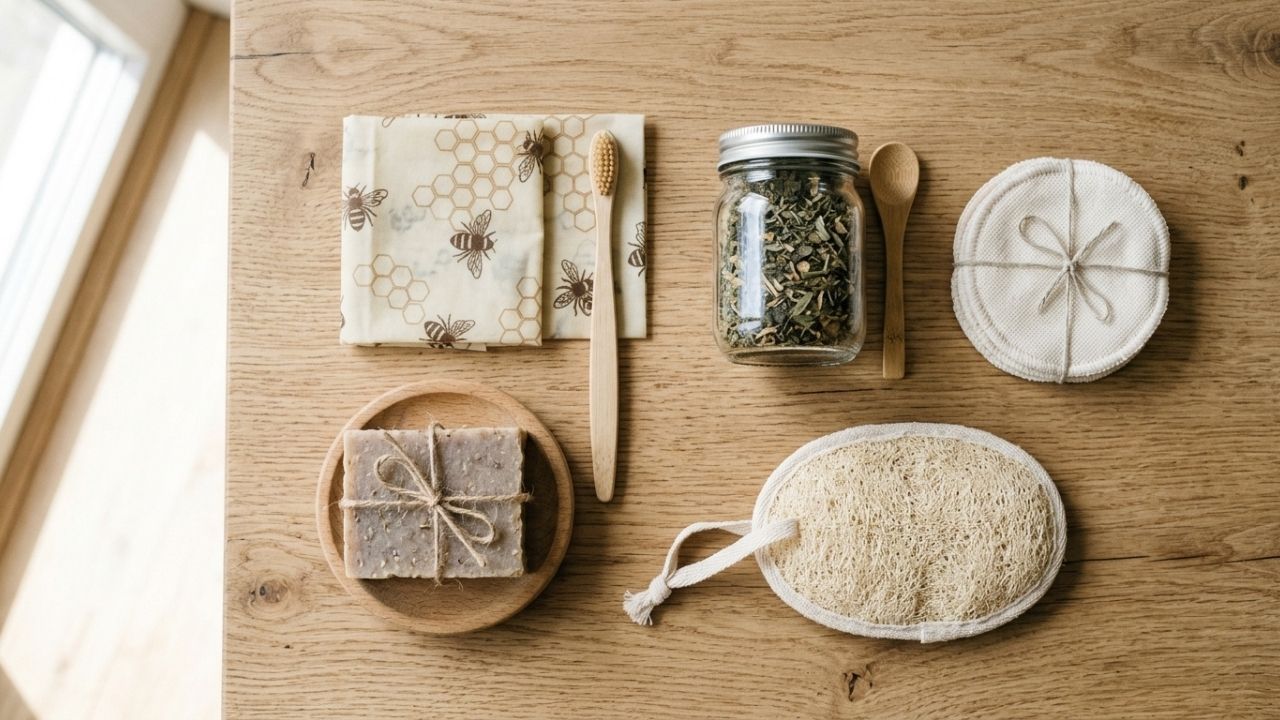
Plastic packaging has quietly taken over daily life. It wraps food, bottles shampoo, seals toothpaste, and lines almost every product on store shelves. For anyone trying to live a little lighter on the planet, cutting back on packaging waste is one of the most practical places to start.
The good news is that switching to natural, low-packaging products does not require a complete lifestyle overhaul. It simply means making a few thoughtful swaps, one product at a time.
This article walks through eleven natural products that can help reduce packaging waste at home, along with why they matter and how to start using them without feeling overwhelmed.
Why Packaging Waste Deserves Attention
Packaging waste is one of the largest contributors to household trash. Much of it, especially flexible plastics and multi-material wrappers, cannot be recycled through standard municipal programs. Even packaging labeled recyclable often ends up in a landfill because of contamination or a lack of local processing facilities.
Choosing natural products with minimal or plastic-free packaging helps in a few important ways:
- It reduces the amount of single-use plastic entering landfills and waterways.
- It lowers demand for petroleum-based materials used in plastic production.
- It often means fewer synthetic chemicals in everyday products, since natural items tend to skip heavy preservatives.
- It encourages a slower, more intentional style of shopping and consuming.
None of this requires perfection. Small, consistent swaps add up over time and can meaningfully shrink a household’s waste footprint.
1. Bar Soap Instead of Bottled Body Wash
Bar soap is one of the simplest swaps a person can make. Traditional body wash comes in plastic bottles that are often not fully recycled, while bar soap can be wrapped in paper, cardboard, or nothing at all.
Natural bar soaps made with plant oils like olive, coconut, or shea butter tend to be gentler on skin than mass-produced liquid soaps that rely on synthetic detergents. They also last longer per ounce than bottled versions, which means fewer purchases and less packaging overall.
What to Look For
- Soaps wrapped in paper or completely unwrapped
- Ingredient lists with recognizable plant oils and butters
- Cold-process soaps, which retain more natural glycerin for skin hydration
2. Shampoo and Conditioner Bars
Shampoo bottles are notoriously hard to recycle because of their shape, pump mechanisms, and mixed materials. Shampoo and conditioner bars solve this by concentrating the formula into a solid bar, similar to soap.
These bars typically last two to three months with regular use, which drastically cuts down on plastic bottle waste compared to buying a new bottle every month. Many are formulated with natural oils and butters that nourish hair without stripping its natural moisture.
A small learning curve exists when switching from liquid to bar shampoo, since hair may need a short adjustment period. Using a wide-tooth comb and a lower water temperature during the first few washes can help ease the transition.
3. Toothpaste Tablets or Powder
Standard toothpaste tubes are made from layered plastics and aluminum that are almost impossible to recycle. Toothpaste tablets and tooth powders offer a low-waste alternative, usually sold in glass jars or compostable pouches.
Tablets are chewed and combined with a wet toothbrush, creating a paste right in the mouth. Tooth powders work similarly, with a pinch applied directly to a damp brush. Both options often use natural ingredients like baking soda, clay, or essential oils for freshness.
4. Beeswax or Plant Wax Food Wraps
Plastic cling wrap and sandwich bags are used once and thrown away, yet they persist in landfills for decades. Beeswax wraps, and plant-wax alternatives for those avoiding animal products, offer a reusable substitute for covering bowls, wrapping sandwiches, or storing cut produce.
These wraps are made from cotton fabric infused with wax, tree resin, and sometimes jojoba oil. The warmth of a person’s hands softens the wax just enough to mold it around containers or food items, and it firms back up as it cools.
Caring for Wax Wraps
- Wash with cool water and mild soap, never hot water
- Air dry completely before folding or storing
- Refresh with a light coat of melted wax once they start to lose their stick, typically after six months to a year
5. Solid Dish and Laundry Soap
Dish soap and laundry detergent bottles are among the most common plastic containers found in a kitchen or laundry room. Solid versions of both are gaining popularity as more people look for lower-waste options.
Solid dish soap bars work by rubbing a wet dish brush or sponge directly on the bar to create suds. Laundry soap bars or solid detergent strips can be tossed directly into a wash load. Both tend to come in cardboard boxes or paper wrapping, cutting out plastic bottles almost entirely.
6. Loose Leaf Tea Instead of Bagged Tea
Many tea bags contain a thin layer of plastic to help them hold their shape, which means they do not fully break down and cannot always be composted. Loose leaf tea, sold in bulk bins, paper bags, or metal tins, avoids this issue completely.
A simple stainless steel infuser or reusable cloth bag allows loose tea to be steeped just as easily as a bagged version, with the added benefit of being able to buy exactly the amount needed and reduce food waste from unused tea bags.
7. Bulk Bin Grains, Nuts, and Spices
Bulk bins have become more common in grocery stores and health food shops, allowing shoppers to fill their own containers with grains, nuts, seeds, dried fruit, and spices. This cuts out the individual plastic bags and boxes that pre-packaged versions rely on.
Bringing reusable cloth bags or glass jars to the store makes this swap even more effective. Many stores now allow customers to weigh their own containers beforehand so the tare weight can be subtracted at checkout.
| Product Type | Typical Packaging | Bulk Bin Alternative |
|---|---|---|
| Rice and grains | Plastic bags or boxes | Reusable cloth or jar |
| Nuts and seeds | Plastic pouches | Reusable cloth or jar |
| Spices | Small plastic jars | Refillable glass jars |
| Dried fruit | Plastic clamshells | Reusable cloth or jar |
| Coffee beans | Foil-lined bags | Refillable containers |
8. Natural Deodorant in Compostable or Reusable Packaging
Traditional deodorant sticks are packaged in plastic tubes that are rarely recyclable due to their mixed materials and small size. Natural deodorants often come in paperboard push-up tubes, reusable metal tins, or refillable containers.
Formulas made with ingredients like baking soda, arrowroot powder, coconut oil, and shea butter offer a plant-based alternative to synthetic antiperspirants. Some brands even offer refill pouches that can be used to top off a reusable metal container, eliminating packaging waste on repeat purchases.
9. Reusable Cotton Rounds Instead of Disposable Cotton Balls
Disposable cotton balls and pads are often individually packaged in plastic bags and used just once before being thrown away. Reusable cotton rounds, made from soft organic cotton or bamboo fleece, can be washed and reused hundreds of times.
They work well for applying toner, removing makeup, or general skincare use. Most come with a small mesh laundry bag, making it easy to toss them in the wash without losing them in the machine.
10. Bamboo Toothbrushes
Plastic toothbrushes take centuries to break down and are one of the most common items found during beach cleanups. Bamboo toothbrushes offer a biodegradable handle alternative, often packaged in simple cardboard boxes instead of plastic blister packs.
While the bristles on most bamboo toothbrushes are still made from nylon for effective cleaning, the handle itself, which makes up the bulk of the product, breaks down naturally when composted or disposed of properly. Some brands are now experimenting with plant-based bristles as well.
Disposing of Bamboo Toothbrushes Properly
- Remove the bristles with pliers before composting the handle
- Check local guidelines, since some composting facilities accept the whole brush
- Reuse old brushes for cleaning tight spaces like grout or shoe soles before discarding
11. Natural Loofahs and Konjac Sponges
Plastic mesh shower puffs are lightweight but non-biodegradable, and they shed microplastics with every use. Natural loofahs, grown from a type of gourd, and konjac sponges, made from the root of the konjac plant, offer fully compostable alternatives.
Loofahs provide gentle exfoliation and can be composted once they wear out. Konjac sponges are softer and work well for facial cleansing, often marketed in simple paper packaging or no packaging at all.
Making the Transition Without Overwhelm
Switching every product in a household at once is not realistic, and it is not necessary. A more sustainable approach is to replace items as they run out rather than throwing away partially used plastic products.
A few tips to make the transition smoother include:
- Start with one category, such as bathroom products, before moving on to the kitchen or laundry room.
- Keep a small list of natural alternatives to reference while shopping, so decisions feel easier in the moment.
- Look for local refill stores or co-ops that allow bringing in containers to refill soap, detergent, and pantry staples.
- Accept that some products may not work perfectly on the first try, and that finding the right natural alternative can take a bit of trial and error.
The Bigger Picture
Choosing natural, low-packaging products is not about achieving a zero-waste household overnight. It is about shifting habits gradually and making choices that align with a more mindful, sustainable way of living. Every bar of soap chosen over a plastic bottle, every reusable wrap used instead of cling film, and every bulk bin filled instead of a pre-packaged box represents a small step toward less waste.
Over time, these small steps build into meaningful change, both for the household making them and for the broader effort to reduce the strain that packaging waste places on the planet. Living sustainably does not require perfection. It simply asks for a willingness to try, one product at a time.



