
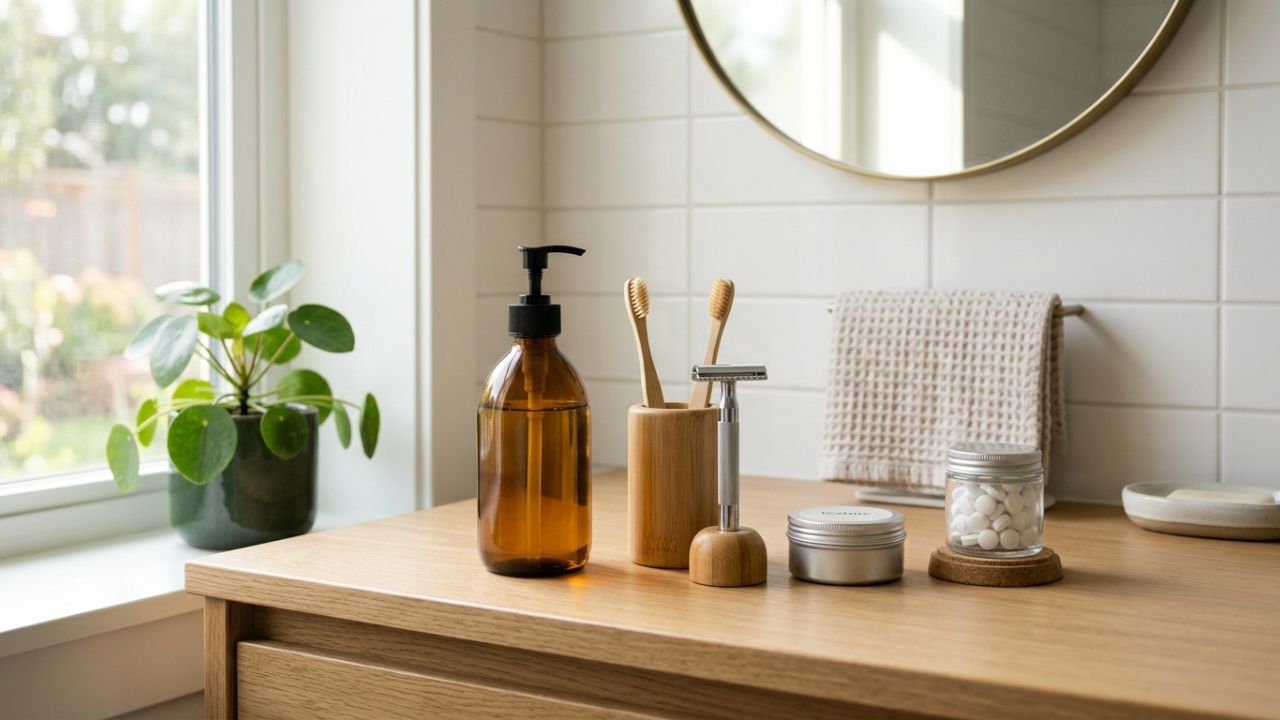
The bathroom is one of the biggest sources of plastic waste in the average home. Shampoo bottles, toothpaste tubes, razor cartridges, and lotion pumps pile up in the trash week after week, and most of them are not recycled the way people assume.
For anyone trying to live a more sustainable lifestyle, switching to refillable toiletry products is one of the easiest and most impactful changes to make. It does not require a complete lifestyle overhaul, just a few smart swaps in the space where daily routines already happen.
This article walks through eleven refillable bathroom products worth considering, why they matter, and how to start using them without disrupting a daily routine.
Why Refillable Toiletries Matter
Plastic bathroom containers are often made from a mix of materials that are difficult to sort and recycle. Pumps, spray nozzles, and multi-layer tubes frequently end up in landfills even when placed in a recycling bin. Refillable systems reduce this problem by keeping one durable container in use for years while only replacing the product inside.
Beyond the environmental benefit, refillable toiletries tend to:
- Save money over time since refills are usually cheaper than buying a new bottle each time
- Reduce clutter under the sink because packaging is more consistent and often more compact
- Encourage more mindful consumption, since people tend to notice how quickly they go through products
- Support brands that prioritize responsible sourcing and lower-impact manufacturing
Making the switch does not mean giving up favorite scents, textures, or formulas. Most categories now offer refillable versions that perform just as well as their disposable counterparts.
1. Shampoo
Shampoo bottles are one of the most common single-use plastics in any bathroom. Refillable shampoo comes in a few different forms, including concentrated liquid pouches that get mixed with water in a reusable bottle, refill stations at select retailers, and shampoo bars that eliminate packaging almost entirely.
What to Look For
A good refillable shampoo should lather well, rinse clean, and suit the intended hair type, whether that is color-treated, curly, oily, or fine. Concentrated refills are worth checking for since they reduce shipping weight and packaging significantly.
2. Conditioner
Conditioner often gets overlooked in sustainability conversations, but it follows the same packaging pattern as shampoo. Refillable conditioner pouches or bars work well alongside a refillable shampoo routine, and many brands now sell them as a matched set to simplify shopping.
3. Body Wash
Body wash bottles are typically larger than shampoo bottles, which means they contribute even more plastic waste per household. Refillable body wash options include concentrate pouches that stretch a small amount of packaging into several bottles worth of product, as well as bar soap alternatives that some people find easier to fully use up without leftover residue.
4. Hand Soap
Hand soap gets used constantly throughout the day, so the container wears out and gets replaced often. A refillable foaming or liquid hand soap dispenser paired with concentrate refills is one of the simplest swaps on this list. Many refill pouches are designed to be mixed with water directly in the existing pump bottle, so there is no need to buy a new pump every time.
5. Deodorant
Deodorant packaging has historically been difficult to recycle because of the mix of plastic components in a standard stick. Refillable deodorant now comes in reusable cases made from metal, bamboo, or recycled plastic, with replaceable inner cartridges. This keeps the outer case in permanent use while only the product itself needs restocking.
6. Toothpaste
Traditional toothpaste tubes are made of layered materials that are almost never recyclable through curbside programs. Refillable toothpaste alternatives include:
- Toothpaste tablets that get chewed or crushed before brushing
- Powder toothpaste stored in a reusable glass jar
- Tube refill systems where a reusable metal or bamboo tube gets refilled from a larger container
A Quick Comparison
| Format | Packaging Waste | Ease of Travel | Learning Curve |
|---|---|---|---|
| Toothpaste tablets | Very low | Easy | Low |
| Toothpaste powder | Low | Moderate | Moderate |
| Refillable tube system | Low | Easy | Low |
7. Mouthwash
Mouthwash bottles are large, rigid, and rarely reused, which makes them a heavier contributor to bathroom waste than people expect. Refillable mouthwash usually comes as a tablet or concentrated liquid that gets dissolved in water inside a reusable glass or aluminum bottle. This also cuts down on the water weight shipped from the manufacturer, which lowers the overall carbon footprint of the product.
8. Lotion and Body Moisturizer
Lotion pumps are notoriously hard to recycle because of the spring mechanism inside. Refillable lotion systems typically involve a durable outer bottle or jar paired with a lightweight pouch or bar refill. Solid lotion bars are also gaining popularity since they need no packaging at all beyond a small tin or wrapper.
9. Facial Cleanser
Facial cleanser is another product that often comes in a plastic tube or pump bottle used once and discarded. Refillable facial cleanser options include concentrate drops added to water in a foaming bottle, as well as solid cleansing bars formulated for sensitive or acne-prone skin. Choosing a refill system here can significantly cut down on the number of small plastic bottles that accumulate in a skincare routine.
10. Razors
Disposable razors and plastic cartridge razors generate a surprising amount of waste over a year of regular shaving. A refillable razor typically means a long-lasting metal handle paired with replaceable blades. This single swap can prevent dozens of plastic razors from ending up in the trash annually, and metal razor handles often last for many years with basic care.
Tips for Switching to a Refillable Razor
- Start with a double-edge safety razor if new to the format, since blades are inexpensive and widely available
- Keep the handle dry between uses to prevent rust
- Replace the blade regularly for the safest, most comfortable shave
11. Dental Floss
Standard dental floss containers are small plastic cases that get thrown away once the floss runs out. Refillable floss dispensers are usually made of glass or metal and designed to hold a spool of floss that can be replaced once it runs low. Some options also use floss made from natural fibers rather than nylon, which pairs well with a fully refillable approach.
How to Start Building a Refillable Bathroom Routine
Switching every product at once can feel overwhelming and is not necessary to make a meaningful difference. A more sustainable approach usually works better long term.
- Replace one product at a time as current bottles run out, rather than throwing away partially used items
- Choose refill formats that match existing habits, since a routine that feels convenient is one that actually sticks
- Keep reusable containers clean and dry between refills to avoid product buildup or mold
- Store refill pouches or concentrates somewhere cool and dry to preserve their shelf life
- Track which products get used up fastest to prioritize where refillable swaps will have the biggest impact
Common Questions About Refillable Toiletries
Are refillable products more expensive upfront?
The initial container, such as a razor handle or a deodorant case, often costs more than a disposable version. However, the ongoing refills are typically cheaper per use, so the cost evens out and often becomes cheaper over time.
Do refillable products work as well as regular ones?
Formulas have improved significantly in recent years. Many refillable shampoos, soaps, and toothpaste tablets perform comparably to their traditional counterparts, though it may take a short adjustment period to find a favorite brand or scent.
What should be done with the old plastic bottles?
Rinsing out old bottles and checking local recycling guidelines is a good first step. Some brands also run take-back programs that accept empty containers for proper recycling or reuse.
Final Thoughts
Building a more sustainable bathroom does not have to happen overnight. Starting with even two or three refillable products, such as hand soap and shampoo, can meaningfully cut down on household plastic waste while saving money over time.
As more brands invest in refill systems, it continues to get easier to find high-quality, effective products that align with an eco-friendly lifestyle. Small, consistent changes in the bathroom add up, and over a year or more, they can prevent a noticeable amount of plastic from ever reaching a landfill.



