
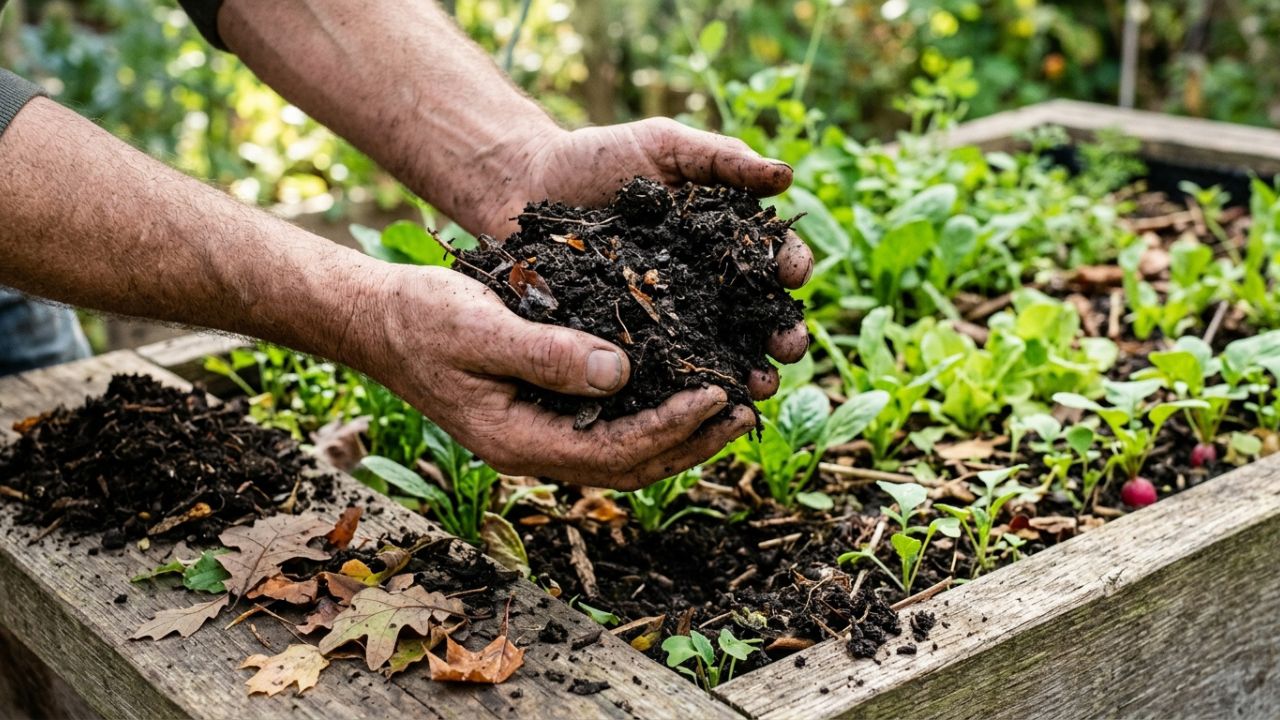
Healthy soil is the foundation of every thriving garden, and for anyone trying to live a more sustainable and eco-friendly lifestyle, improving soil naturally is one of the most rewarding places to start. Good soil holds water more efficiently, supports beneficial microorganisms, reduces the need for chemical fertilizers, and helps plants grow stronger without relying on synthetic inputs that can harm the environment over time.
Whether someone is growing vegetables in raised beds, tending a backyard flower garden, or working with a small container garden on a balcony, the quality of the soil determines how well those plants will grow. The good news is that there are many soil improvement products available that are both effective and gentle on the planet.
This article explores eleven of the best options for building richer, more sustainable soil, along with tips on how and when to use them.
Why Soil Health Matters for Sustainable Gardening
Before diving into specific products, it helps to understand why soil health is so closely tied to sustainability. Soil is not just dirt. It is a living ecosystem filled with bacteria, fungi, worms, and countless microorganisms that break down organic matter and cycle nutrients back to plants. When soil is healthy, it can:
- Retain moisture more effectively, reducing the need for frequent watering
- Resist erosion, which protects nearby waterways from runoff
- Support diverse plant life and pollinators
- Reduce dependency on synthetic fertilizers and pesticides
- Store carbon, helping to combat climate change
Improving soil naturally, rather than relying on chemical-heavy products, keeps this ecosystem intact and allows a garden to become more self-sufficient over the years. That is where the following soil improvement products come in.
1. Compost
Compost is often considered the gold standard of soil improvement, and for good reason. Made from decomposed organic material such as food scraps, leaves, and grass clippings, compost adds nutrients back into the soil while improving its structure. It helps sandy soil retain water and helps clay soil drain better, making it one of the most versatile amendments available.
Gardeners can buy finished compost from a garden center or make their own at home using a compost bin or tumbler. Home composting is especially appealing to those focused on sustainability because it diverts food waste from landfills and turns it into something useful.
Tips for Using Compost
- Mix a few inches of compost into the top layer of soil before planting
- Use it as a mulch layer around established plants
- Turn homemade compost regularly to speed up decomposition
2. Worm Castings
Worm castings, sometimes called vermicompost, are the nutrient-rich waste produced by earthworms. They are gentle enough to use on seedlings and young plants without the risk of burning roots, which can happen with some stronger fertilizers. Worm castings also introduce beneficial microbes into the soil that help plants absorb nutrients more efficiently.
Many gardeners set up small worm bins at home, feeding worms kitchen scraps and collecting the castings for use in the garden. This is a low-cost, low-waste way to continuously improve soil quality.
3. Aged Manure
Aged or well-rotted manure from cows, chickens, or horses is another excellent way to add organic matter and nutrients to soil. Fresh manure can be too strong and may contain pathogens, so it needs time to age or compost before it is safe to use around plants. Once properly aged, manure improves soil texture and feeds the microbial life that keeps soil healthy.
Sourcing manure locally from a farm is often more sustainable than buying processed bagged products, since it reduces packaging waste and transportation emissions.
4. Cover Crops
Cover crops are plants grown specifically to protect and enrich the soil rather than for harvest. Popular choices include clover, rye, and legumes like vetch. These plants prevent erosion, suppress weeds, and add organic matter when they are cut down and left to decompose on the surface or tilled into the soil.
Legume cover crops have an added benefit: they pull nitrogen from the air and store it in their roots, naturally fertilizing the soil for the next planting season. This is a favorite technique among gardeners who want to reduce or eliminate synthetic fertilizer use entirely.
Common Cover Crop Options
- Clover for nitrogen fixing and pollinator support
- Winter rye for erosion control in colder months
- Buckwheat for fast-growing summer coverage
- Field peas for improving soil structure
5. Biochar
Biochar is a form of charcoal made by burning organic material in a low-oxygen environment, a process called pyrolysis. When added to soil, biochar improves water retention, provides a habitat for beneficial microbes, and can even help sequester carbon for long periods of time. It is particularly useful in soils that struggle to hold nutrients.
Because biochar is so porous, it acts almost like a sponge for water and nutrients, slowly releasing them to plant roots. Many gardeners mix it with compost before applying it to the soil to help activate its full benefits.
6. Leaf Mold
Leaf mold is simply decomposed leaves, and it is one of the easiest and cheapest soil improvers a gardener can make at home. Instead of bagging up fallen leaves in autumn and sending them to a landfill, gardeners can pile them up and let them break down over a year or two into a dark, crumbly material that improves soil structure and water retention.
Leaf mold is especially good for improving the texture of heavy clay soils and adding organic matter without significantly changing the soil’s nutrient balance.
7. Mulch
While technically applied to the surface rather than mixed into the soil, mulch plays a major role in long-term soil health. A layer of organic mulch such as straw, wood chips, or shredded bark helps regulate soil temperature, retain moisture, suppress weeds, and slowly break down to feed the soil below.
Using natural, locally sourced mulch is more sustainable than synthetic alternatives like rubber mulch, which does not break down and can leach chemicals into the soil over time.
8. Rock Dust (Mineral Amendments)
Rock dust, sometimes called rock powder or mineral fines, is finely ground rock that adds trace minerals back into soil that may have been depleted through years of farming or gardening. While it does not provide the same nitrogen boost as compost or manure, it helps replenish minerals like calcium, magnesium, and potassium that plants need for overall health.
This product is particularly popular among gardeners practicing regenerative or organic growing methods, since it mimics the natural mineral cycling that occurs when rocks weather over time.
9. Mycorrhizal Fungi Inoculants
Mycorrhizal fungi form a symbiotic relationship with plant roots, extending their reach into the soil and helping them absorb more water and nutrients, especially phosphorus. Adding a mycorrhizal inoculant to soil, particularly when planting new trees, shrubs, or vegetables, can significantly improve plant establishment and resilience.
These products usually come in a powder form that is applied directly to the root ball at planting time. Once established, the fungal network continues to benefit the soil for years.
10. Green Sand
Green sand is a natural mineral product mined from ancient sea deposits, rich in potassium and trace minerals. It helps loosen compacted soils, improves water retention in sandy soils, and slowly releases nutrients over an extended period. Because it works gradually, it is considered a gentle, long-term soil conditioner rather than a quick fix.
Green sand pairs well with compost, since compost provides the immediate nutrients while green sand offers a slower mineral release over subsequent seasons.
11. Bokashi
Bokashi is a fermentation-based composting method that uses a specific type of bran inoculated with beneficial microbes to break down kitchen scraps, including items that traditional composting struggles with, such as meat and dairy. The fermented material, once fully broken down, can be buried in soil where it continues to decompose and enrich the surrounding area.
This method appeals to gardeners with limited outdoor space, since bokashi bins can be kept indoors and produce very little odor when managed correctly.
Comparing Soil Improvement Products
The table below offers a quick overview of how these products compare in terms of what they offer and how they are best used.
| Product | Main Benefit | Best For |
|---|---|---|
| Compost | Adds nutrients and improves structure | Nearly all soil types |
| Worm Castings | Gentle nutrient boost with microbes | Seedlings and container plants |
| Aged Manure | Rich organic matter and nutrients | Vegetable gardens |
| Cover Crops | Prevents erosion, adds nitrogen | Fallow beds between seasons |
| Biochar | Improves water and nutrient retention | Sandy or nutrient-poor soil |
| Leaf Mold | Improves texture and moisture retention | Heavy clay soil |
| Mulch | Regulates temperature and moisture | Surface application, all gardens |
| Rock Dust | Replenishes trace minerals | Depleted or overworked soil |
| Mycorrhizal Fungi | Boosts root nutrient absorption | New trees, shrubs, transplants |
| Green Sand | Slow-release potassium and minerals | Long-term soil conditioning |
| Bokashi | Ferments kitchen waste into soil food | Small spaces, indoor composting |
How to Choose the Right Product for a Garden
Not every gardener needs to use all eleven of these products at once. Choosing the right one depends on a few key factors:
- Soil type: Sandy soil often benefits most from compost, biochar, and leaf mold, while heavy clay soil responds well to leaf mold, compost, and gypsum-based amendments.
- Garden size: Smaller spaces or container gardens may benefit more from worm castings, bokashi, or mycorrhizal inoculants, since these can be used in smaller quantities with big results.
- Budget: Homemade options like compost, leaf mold, and bokashi are often more affordable and reduce household waste at the same time.
- Time available: Cover crops and compost require patience, while worm castings and mycorrhizal fungi tend to show results more quickly.
A simple soil test, which can often be done at home with an inexpensive kit or through a local extension office, can also help identify specific nutrient deficiencies before choosing a product.
Building a Long-Term Sustainable Soil Routine
Improving soil is not usually a one-time task. It works best as an ongoing practice that builds on itself year after year. A sustainable soil routine might include:
- Adding a fresh layer of compost or aged manure each planting season
- Rotating in cover crops during the off season
- Applying mulch consistently to protect and slowly feed the soil
- Introducing worm castings or mycorrhizal fungi when starting new plants
- Occasionally testing soil to check nutrient levels and pH balance
Over time, these small, consistent efforts create a soil ecosystem that supports itself, reducing the need for outside inputs and making the garden more resilient to drought, pests, and disease.
Final Thoughts
Improving soil naturally is one of the most impactful steps anyone can take toward a more sustainable and eco-friendly garden. From homemade compost and leaf mold to specialized products like biochar and mycorrhizal fungi, there are options suited to every budget, soil type, and gardening goal.
By focusing on feeding the soil rather than just the plants, gardeners can build a healthier, more self-sustaining garden that benefits both their harvest and the wider environment for years to come.



