Anyone who has tried to live a more sustainable life eventually runs into the same frustrating pattern. A blender breaks after two years. A pair of shoes falls apart after one rainy season. A plastic storage container cracks the first time it is dropped.
This cycle of buying, replacing, and throwing away is not just annoying, it is also one of the biggest hidden contributors to household waste. The good news is that a growing number of people are shifting away from disposable culture and choosing items that are built to last for decades rather than months.
This shift is often called the “buy it for life” mindset, and it pairs naturally with an eco-conscious lifestyle. Choosing durable household items reduces the amount of waste sent to landfills, cuts down on the resources needed to manufacture replacement products, and often saves money over time even though the upfront cost may be higher. Below is a look at twelve household items that are known for standing the test of time, along with practical guidance on how to choose them and care for them.
Why Durability Matters for Sustainable Living
Before diving into the list, it helps to understand why durability is such an important part of sustainable living. Every product that gets thrown away represents wasted raw materials, wasted energy from manufacturing, and wasted transportation resources. When a household item lasts twenty years instead of two, that is potentially ten fewer products manufactured, shipped, and eventually discarded.
There is also a financial angle that many people overlook. Cheaply made products often need to be replaced again and again, which adds up to more money spent over time than a single well-made purchase. This is sometimes referred to as the “cost per use” principle, where a higher upfront price is offset by years or decades of reliable use.
The Environmental Cost of Disposable Products
Disposable and poorly made goods contribute to environmental strain in several ways:
- They require constant extraction of raw materials such as plastic, metal, and wood
- They generate more packaging waste with each new purchase
- They often end up in landfills where they take years to decompose, if they decompose at all
- They increase the carbon footprint associated with manufacturing and shipping
Choosing long-lasting alternatives helps break this cycle and supports a household that produces less waste overall.
1. Cast Iron Cookware
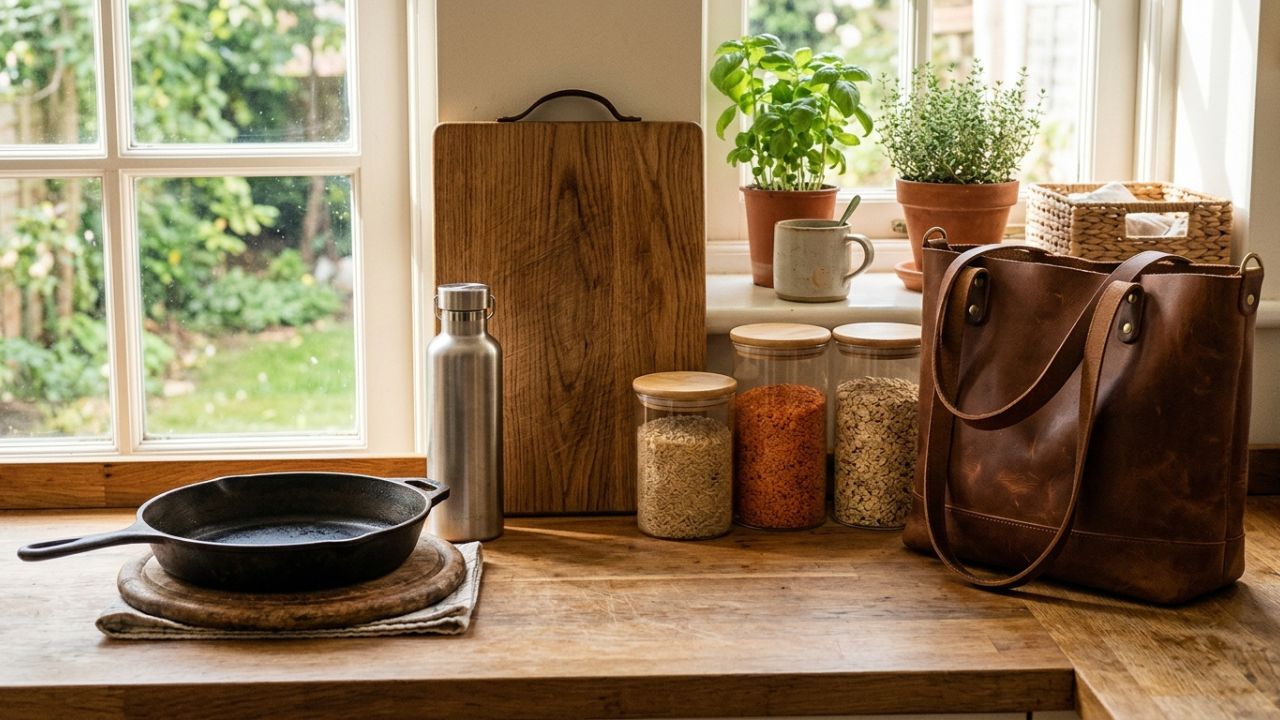
Cast iron skillets and pots are famous for lasting generations when cared for properly. Unlike nonstick pans that lose their coating after a few years, cast iron can be seasoned and reseasoned indefinitely. Many people still cook with cast iron pans that once belonged to their grandparents.
Caring for cast iron is simple once the basics are understood. It should be dried thoroughly after washing, lightly coated with oil, and stored in a dry place to prevent rust.
2. Stainless Steel Water Bottles
A quality stainless steel water bottle can replace hundreds, if not thousands, of single use plastic bottles over its lifetime. Stainless steel resists dents, does not retain odors the way plastic does, and holds up well to daily wear and tear.
What to Look For
- Double walled insulation for temperature retention
- A powder coated exterior to resist scratches
- A leak proof lid design
3. Wooden Cutting Boards
Solid wood cutting boards, particularly those made from hardwoods like maple or walnut, can last for many years with basic maintenance. Unlike plastic boards that develop deep grooves and need frequent replacing, wood is naturally antimicrobial and can be sanded down if it becomes worn.
4. Leather Boots and Shoes
Well constructed leather footwear can be resoled and repaired multiple times, extending its usable life far beyond typical fast fashion shoes. A good cobbler can often restore a worn pair of boots to near original condition for a fraction of the cost of a new pair.
5. Wool Blankets and Sweaters
Natural wool fibers are known for their durability, breathability, and resistance to odor. A well made wool blanket can last for decades if stored properly and protected from moths.
Simple Wool Care Tips
- Air out wool items regularly instead of washing too frequently
- Store with cedar blocks to deter moths
- Avoid high heat when washing or drying
6. Glass Storage Containers
Glass containers do not stain, absorb odors, or degrade the way plastic containers do over time. They can go from the refrigerator to the oven without warping, and they are easy to clean thoroughly.
7. Manual Coffee Grinders
A manual burr grinder made from stainless steel or ceramic components can last for many years without needing batteries or electricity. These grinders are simple by design, which means there are fewer parts that can break down.
8. Solid Wood Furniture
Furniture made from solid hardwood, rather than particleboard or laminate, can be refinished, repaired, and passed down through generations. Solid wood pieces often become more valuable over time rather than needing to be replaced.
Comparing Furniture Materials
| Material | Typical Lifespan | Repairability | Environmental Impact |
|---|---|---|---|
| Solid hardwood | 30+ years | High, can be refinished | Lower over time due to longevity |
| Particleboard | 5 to 10 years | Low, difficult to repair | Higher due to frequent replacement |
| Metal frame | 20+ years | Moderate | Moderate, depends on materials used |
| Plastic composite | 3 to 7 years | Very low | Higher due to short lifespan |
9. Sewing Machines
Many mechanical sewing machines built decades ago are still functioning today, often better than some modern electronic models. Because they rely on simple mechanical parts rather than complex circuit boards, they are easier to repair when something goes wrong.
10. Quality Kitchen Knives
A well forged knife made from high carbon steel can last a lifetime with occasional sharpening. Instead of replacing dull knives, sharpening restores their function, which reduces waste significantly compared to disposable or low quality knife sets.
11. Canvas and Leather Bags
Bags made from heavy canvas or full grain leather tend to improve with age rather than falling apart. These materials develop a natural patina and can often be repaired by restitching seams or replacing straps.
12. Wind Up or Mechanical Clocks
Mechanical clocks that do not rely on batteries can run for decades with proper winding and occasional servicing. They represent a simpler kind of engineering that was built with repair in mind rather than replacement.
How to Shop for Long Lasting Household Items
Building a home filled with durable goods does not happen overnight. It is a gradual process of making thoughtful choices as items naturally need to be replaced.
Questions to Ask Before Buying
- Is this item made from natural or high quality materials rather than cheap plastic
- Can this item be repaired if something breaks
- Does the manufacturer offer replacement parts or repair services
- Are there reviews or historical evidence that this type of product lasts a long time
- Is the price reasonable when considered against the expected lifespan
Signs a Product Is Built to Last
- Solid construction with minimal plastic components
- Simple mechanical design rather than overly complex electronics
- Availability of spare parts or repair guides
- A warranty that reflects confidence in the product’s lifespan
- Materials such as solid wood, stainless steel, cast iron, wool, or full grain leather
Caring for Durable Items So They Actually Last
Buying a durable item is only half the equation. Proper care plays a huge role in whether that item truly lasts for decades or ends up being replaced early anyway.
- Clean items according to their specific material needs rather than using generic methods for everything
- Store items properly, especially textiles and wood products that are sensitive to moisture and pests
- Repair small issues quickly before they become bigger problems
- Learn basic maintenance skills such as knife sharpening, wood conditioning, or simple mechanical repairs
- Avoid harsh chemicals that can degrade natural materials over time
The Bigger Picture
Choosing durable household items is not about achieving a perfectly minimalist or zero waste home overnight. It is about shifting priorities over time toward products that respect both money and the environment. Every cast iron pan, wool blanket, or solid wood table that replaces a disposable alternative represents one less item destined for a landfill.
This approach also encourages a different relationship with belongings. Instead of viewing household items as disposable and replaceable, people begin to see them as long term investments worth caring for and repairing. That mindset shift is often just as valuable as the environmental benefit itself, since it slows down consumption and encourages more intentional living.
Over time, a household filled with well chosen, long lasting items tends to feel calmer and more grounded. There is less clutter from broken or discarded products, less frequent shopping, and a quiet satisfaction in knowing that everyday objects were built with care and intended to serve for years to come.