Every year, millions of plastic bottles, tubes, and containers from bathroom shelves end up in landfills and oceans. Shampoo bottles, deodorant sticks, razor cartridges, and toothpaste tubes are used once and thrown away, often within weeks of purchase.
For anyone interested in reducing their environmental footprint, personal hygiene routines are one of the easiest places to start making meaningful change. Refillable products offer a practical solution that doesn’t require sacrificing comfort, effectiveness, or daily habits.
Switching to refillable hygiene products means investing in a durable container once and then purchasing only the product itself when it runs low, rather than an entirely new plastic vessel each time. This simple shift can dramatically cut down on single use plastic waste while often saving money over the long run. Below is a closer look at twelve refillable personal hygiene products worth considering for anyone ready to build a more sustainable bathroom routine.
Why Refillable Products Matter
Before diving into the list, it helps to understand why refillable hygiene products have become such a popular focus for eco-conscious shoppers. Bathroom products are used daily and replaced frequently, which means their packaging waste adds up quickly over a person’s lifetime.
Refillable systems typically rely on:
- A durable outer container made from glass, metal, bamboo, or recycled plastic that can be reused indefinitely
- A refill option, such as a pouch, bar, tablet, or concentrate, that uses significantly less packaging material
- Reduced shipping weight and volume, since many refills are sold in concentrated or solid form
This approach reduces the overall demand for virgin plastic production and cuts down on the energy and resources required to manufacture new containers repeatedly.
1. Refillable Shampoo and Conditioner Bottles
Many personal care brands now offer shampoo and conditioner in concentrated refill pouches or bars that fit into a permanent bottle or dispenser. Instead of buying a new plastic bottle every month, a person can simply top off their existing container. Some systems use aluminum bottles with a locking pump, while others rely on compostable refill pouches that ship flat, reducing shipping emissions as well.
2. Shampoo and Conditioner Bars
For those who prefer to skip bottles altogether, solid shampoo and conditioner bars are a compact, long-lasting alternative. A single bar often lasts as long as two or three bottles of liquid shampoo and comes wrapped in minimal paper packaging rather than plastic. Stored in a small tin or reusable travel case, these bars are also convenient for travel since they are not subject to liquid restrictions.
3. Refillable Deodorant
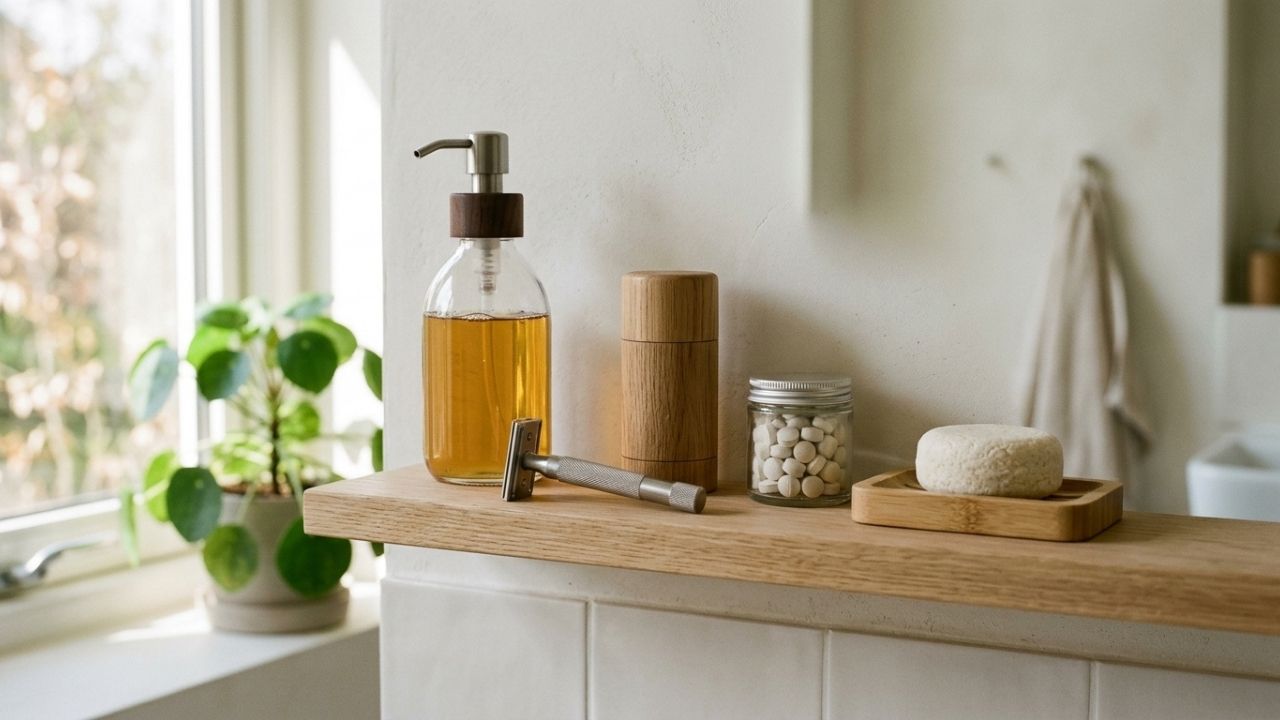
Deodorant is one of the most frequently repurchased hygiene items, and traditional plastic deodorant sticks are rarely recycled due to their mixed materials. Refillable deodorant containers, often made of stainless steel, bamboo, or glass, allow the user to insert a fresh solid stick or twist up refill once the original runs out. This small switch alone can eliminate dozens of plastic containers from a household’s waste stream over several years.
4. Refillable Hand Soap
Refillable hand soap systems have become common in many households, either through concentrated soap tablets that dissolve in water or through bulk refill stations found in some grocery and specialty stores. A glass or metal pump bottle kept on the sink can be refilled repeatedly, cutting down significantly on the plastic pump bottles typically discarded after a few weeks of use.
5. Toothpaste Tablets or Refillable Toothpaste Tubes
Traditional toothpaste tubes are notoriously difficult to recycle because they combine layers of plastic and metal. Toothpaste tablets, which are chewed and activated with brushing, come in reusable glass jars with compostable or recyclable refill pouches. Some newer refillable toothpaste tube systems also allow the tube itself to be reused with replaceable inner cartridges.
6. Refillable Razors
Disposable razors and razor cartridges generate an enormous amount of plastic and metal waste each year. A refillable safety razor, typically made of stainless steel or aluminum, uses replaceable blades that are far cheaper and more sustainable than plastic cartridge refills. Because the razor handle itself can last for decades with proper care, this switch tends to be one of the most cost-effective sustainable swaps available.
7. Refillable Lotion and Body Wash Containers
Lotion and body wash bottles are often bulky and made from thick plastic. Many sustainable brands now offer these products in concentrated refill pouches that use up to 90 percent less plastic than a standard bottle. The concentrate is mixed with water in a reusable bottle at home, which also reduces the weight and cost of shipping.
8. Refillable Makeup Containers
For those who wear makeup regularly, refillable compacts for products like pressed powder, blush, and eyeshadow are growing in popularity. Instead of tossing an entire compact once the product is used up, a person can simply pop in a new pan or refill insert. This is especially useful for frequently repurchased items like foundation and setting powder.
9. Refillable Lip Balm and Lip Care
Lip balm tubes are small but numerous, and most end up in the trash after just a few uses. Refillable lip balm containers, often made from metal or bamboo, allow a new balm stick to be inserted once the old one is finished. Some versions even allow the user to melt and pour their own balm mixture directly into the reusable tube.
10. Refillable Perfume and Cologne Bottles
Fragrance packaging is often glass or heavy plastic, and while glass is recyclable, reusing it is even better for the environment. Several fragrance brands have introduced refill programs where a decorative glass bottle can be topped off using a concentrated refill vial, cutting down on the resources needed to manufacture new bottles for every purchase.
11. Refillable Body Scrub and Exfoliant Jars
Body scrubs and exfoliants are frequently sold in plastic tubs that are difficult to fully empty and clean for recycling. Refillable glass jars paired with compostable pouch refills solve this problem by allowing the same jar to be used indefinitely, while the refill packaging is significantly lighter and easier to dispose of responsibly.
12. Refillable Feminine Hygiene Products
Reusable and refillable options in feminine hygiene have expanded significantly in recent years. Menstrual cups, reusable cloth pads, and period underwear all reduce the need for single use disposable products. While not a traditional refill system in the same sense as a bottle or tube, these products serve the same core purpose of eliminating repeated disposable purchases and reducing landfill waste over time.
Comparing the Environmental and Cost Benefits
To help visualize the impact of switching to refillable hygiene products, the table below compares a few common categories against their traditional disposable counterparts.
| Product Category | Traditional Packaging Waste | Refillable Alternative | Estimated Waste Reduction |
|---|---|---|---|
| Shampoo | Plastic bottle every 1-2 months | Refill pouch or bar | Up to 80 percent less plastic |
| Deodorant | Plastic stick container | Reusable metal or bamboo case | Up to 90 percent less plastic |
| Razors | Disposable plastic razors | Reusable metal safety razor | Up to 95 percent less waste |
| Toothpaste | Mixed material tube | Glass jar with tablet refill | Nearly eliminates tube waste |
| Hand soap | Plastic pump bottle | Refillable glass or metal pump | Up to 70 percent less plastic |
These figures can vary depending on the specific brand and refill system chosen, but the overall pattern remains consistent. Refillable systems reduce packaging waste substantially compared to single use disposable products.
Tips for Getting Started with Refillable Hygiene Products
Transitioning an entire bathroom routine at once can feel overwhelming, so it often helps to start gradually. A few practical strategies can make the switch easier:
- Replace one product category at a time, starting with whichever item runs out first
- Look for local refill stations at grocery stores or specialty shops that allow bringing in an existing container
- Choose durable containers made from materials like stainless steel or glass, which tend to last far longer than plastic
- Keep a small stock of refills on hand to avoid running out and reverting to disposable options out of convenience
- Research return or mail back refill programs offered by some brands, which further reduce shipping waste
Storing and Maintaining Refillable Containers
Proper care extends the life of refillable containers significantly. Metal and glass containers should be cleaned regularly to prevent product buildup, and any moving parts like pumps or locking mechanisms should be checked periodically for wear. Storing containers away from direct sunlight and extreme temperature changes can also help preserve both the container and the product inside.
Considering the Full Lifecycle
It is worth remembering that sustainability is not only about the packaging itself but also about the full lifecycle of a product. A refillable container manufactured using large amounts of energy and resources needs to be used many times to offset its initial environmental cost. This is why durability and long term use matter just as much as the refill system itself. Choosing well made containers designed to last for years, rather than trendy items that may break or go out of style quickly, ensures the environmental benefits are fully realized.
Common Questions About Refillable Hygiene Products
Are refillable products more expensive upfront?
In many cases, yes. The initial container often costs more than a standard disposable product because it is designed to last for years rather than weeks. However, the ongoing cost of refills is typically lower than repurchasing full packaged products, which means the investment often pays off over time.
Do refillable products work as well as disposable ones?
Most refillable hygiene products are formulated to perform just as effectively as their disposable counterparts. Formulas have improved significantly in recent years, and many refill options now match or exceed the quality of traditional packaged products.
Where can refills be purchased?
Refills are increasingly available through online retailers, specialty eco-friendly stores, and even some mainstream grocery chains that have introduced refill stations. Checking directly with a preferred brand’s website is often the easiest way to find refill options.
Building a Long Term Sustainable Routine
Switching to refillable personal hygiene products is a manageable and impactful way to reduce household waste without dramatically changing daily habits. Each small swap, from a refillable razor to a reusable deodorant case, contributes to a much larger reduction in plastic waste over the course of a year. For anyone genuinely interested in living a more sustainable lifestyle, the bathroom is one of the simplest places to begin, and the twelve products outlined above offer a solid starting point for building habits that are better for both personal routines and the planet.
Making the shift does not require perfection. Even replacing a few key items with refillable alternatives can meaningfully reduce a household’s environmental footprint. Over time, these small, consistent choices add up to a bathroom routine that reflects genuine care for the environment, without requiring extra effort once the initial switch is made.