Living a more sustainable life does not have to mean giving up convenience. In fact, one of the easiest ways to reduce household waste is to swap a handful of disposable items for reusable ones. Small changes like these add up quickly, both for the environment and for the wallet.
Once a person starts looking around their kitchen, bathroom, or office, it becomes obvious just how many single-use products get thrown away every single day.
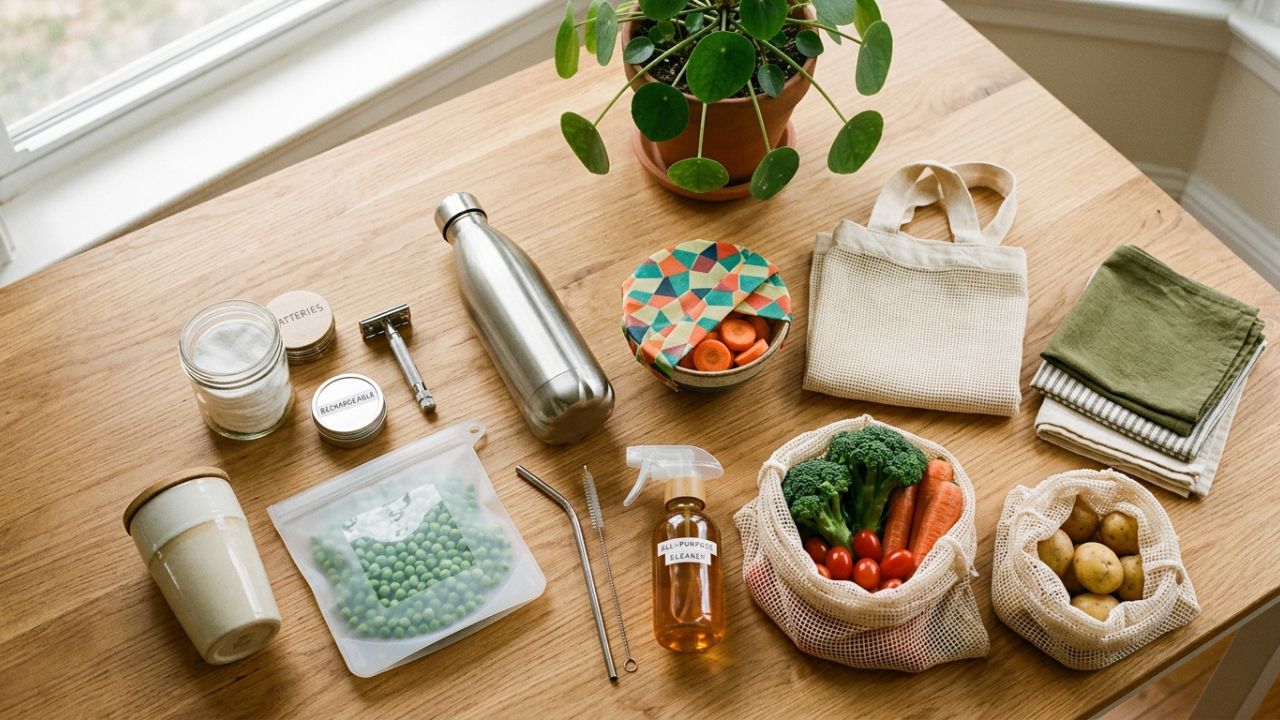
This article looks at twelve reusable products that can genuinely make a difference in cutting everyday waste. Each one is practical, affordable, and easy to fit into a normal routine. Nobody needs to overhaul their entire lifestyle overnight. Even switching out two or three of these items is a meaningful step toward a lower-waste home.
Why Reusable Products Matter
Before diving into the list, it helps to understand why reusable products are worth the effort. Disposable items are convenient in the moment, but they come at a cost. Plastic bags, paper towels, coffee cups, and food wrap are used for minutes and then sit in a landfill for decades or longer.
A few reasons reusable products matter:
- They reduce the amount of plastic and paper waste sent to landfills
- They cut down on the resources needed to manufacture replacement items over and over
- They often save money over time, since a durable product is bought once instead of repeatedly
- They reduce the amount of microplastics and chemicals that can leach into food and drinks
- They encourage a mindset shift toward thoughtful consumption rather than a throwaway culture
With that context in mind, here is a closer look at twelve reusable products that can help any household cut down on everyday waste.
1. Reusable Water Bottles
A reusable water bottle is often the first swap people make, and for good reason. Bottled water generates an enormous amount of plastic waste, much of which is never recycled. A sturdy stainless steel or glass bottle can last for years and handles hot or cold drinks equally well.
What to Look For
- Insulated walls to keep drinks cold or hot longer
- A wide mouth for easy cleaning
- A leak-proof lid for travel
2. Reusable Shopping Bags
Plastic shopping bags are lightweight, flimsy, and notorious for ending up tangled in trees or floating in waterways. Cloth or woven reusable bags are stronger, hold more groceries, and fold down small enough to keep in a car or purse.
Keeping a few bags by the front door or in the trunk makes it much easier to remember them before heading to the store.
3. Beeswax Wraps or Silicone Food Covers
Plastic wrap is used once and tossed, yet food often only needs to be covered for a short time. Beeswax wraps and silicone stretch covers can be washed and reused hundreds of times. They work well for covering bowls, wrapping sandwiches, or storing half a cut vegetable in the fridge.
4. Reusable Produce Bags
Many shoppers still grab a thin plastic bag for every apple, onion, or bunch of spinach at the grocery store. Mesh or cotton produce bags are washable and can be used for years. They also tend to let produce breathe better than sealed plastic, which can help fruits and vegetables last longer.
5. Cloth Napkins
Paper napkins seem harmless individually, but a household using several a day adds up to hundreds or thousands per year. Cloth napkins can be tossed in the laundry with regular loads and reused indefinitely, making them a simple and stylish alternative for everyday meals.
6. Reusable Coffee Cups and Travel Mugs
Disposable coffee cups are a major source of daily waste, especially since many are lined with plastic and are not easily recyclable. A reusable coffee cup or travel mug solves this problem while also keeping drinks hot for longer. Many coffee shops even offer small discounts to customers who bring their own cup.
7. Silicone Food Storage Bags
Single-use plastic sandwich and freezer bags are handy but wasteful. Silicone storage bags can be washed, dried, and reused for years. They work in the freezer, microwave, and dishwasher, making them a flexible replacement for everyday food storage needs.
8. Rechargeable Batteries
Household electronics, remote controls, and toys often rely on disposable batteries that get thrown away once drained. Rechargeable batteries paired with a charger can be reused hundreds of times, cutting down significantly on battery waste and the hazardous materials that come with it.
9. Reusable Cotton Rounds
Makeup remover pads and cotton balls are used once and discarded, often ending up in landfills within seconds of use. Reusable cotton rounds, usually made from soft cotton or bamboo fleece, can be washed in a small mesh laundry bag and reused for months or even years.
10. Safety Razors
Disposable plastic razors are replaced constantly, and the blades themselves are difficult to recycle. A metal safety razor with replaceable blades produces far less waste over time. The blades are typically made of steel, which is more widely recyclable than the plastic used in disposable razor cartridges.
11. Reusable Straws
Plastic straws are a small item with a big waste footprint, given how quickly they are used and discarded. Stainless steel, glass, or silicone straws can be carried in a bag or kept at home, paired with a small cleaning brush to keep them fresh.
12. Refillable Cleaning Product Containers
Many cleaning sprays and soaps come in single-use plastic bottles that get thrown out once empty. Refillable containers, paired with concentrate refills or bulk refill stations, cut down on plastic packaging significantly. Some brands now offer refill pouches that use a fraction of the plastic of a standard bottle.
Comparing These Reusable Swaps
The table below offers a quick side-by-side look at these twelve products, what they typically replace, and roughly how long they can last with normal care.
| Reusable Product | Common Disposable It Replaces | Typical Lifespan |
|---|---|---|
| Reusable water bottle | Plastic water bottles | Several years |
| Reusable shopping bags | Plastic grocery bags | Several years |
| Beeswax or silicone wraps | Plastic cling wrap | 1 to 2 years |
| Reusable produce bags | Thin plastic produce bags | Several years |
| Cloth napkins | Paper napkins | Several years |
| Reusable coffee cup | Disposable coffee cups | Several years |
| Silicone storage bags | Plastic sandwich or freezer bags | 2 to 3 years |
| Rechargeable batteries | Single-use batteries | Hundreds of charge cycles |
| Reusable cotton rounds | Disposable cotton pads | 1 to 2 years |
| Safety razor | Disposable plastic razors | Many years (blades replaced) |
| Reusable straws | Plastic straws | Several years |
| Refillable cleaning containers | Single-use cleaning bottles | Indefinite with refills |
How to Start Without Feeling Overwhelmed
Switching everything at once is not realistic for most people, and it is not necessary either. A more sustainable lifestyle is built through small, consistent habits rather than a single dramatic change.
A few tips for easing into these swaps:
- Start with one room, such as the kitchen or bathroom, before moving on to the rest of the house
- Replace disposable items as they run out rather than throwing away items that still have life left in them
- Keep reusable items visible and accessible, since convenience is what makes a habit stick
- Involve the whole household so the change feels shared rather than forced
- Track savings over time to stay motivated, since reusable products often pay for themselves
Common Mistakes to Avoid
It helps to be aware of a few pitfalls that can derail an otherwise good effort.
- Buying too many reusable items at once, which can create clutter and unused products
- Choosing low-quality items that break quickly and end up as waste themselves
- Forgetting reusable bags or containers at home, which leads back to disposable options out of necessity
- Not cleaning reusable items properly, which can shorten their lifespan
The Bigger Picture
Every reusable product on this list represents a small decision that, when repeated daily, adds up to a real reduction in waste. A single reusable coffee cup might prevent hundreds of disposable cups from being used each year. A set of cloth napkins can replace thousands of paper ones over its lifetime.
None of these swaps require perfection, and nobody needs to feel guilty about the disposable items still in their home.
The goal is progress, not perfection. Anyone interested in a more sustainable lifestyle can start with just one or two of these products and build from there. Over time, these small, practical choices become second nature, and the impact on everyday waste becomes hard to ignore.
Choosing reusable products is one of the simplest ways to live a little lighter on the planet while also saving money in the long run. Whether it starts with a water bottle, a set of cloth napkins, or a refillable cleaning bottle, every swap counts toward a lower-waste, more sustainable way of living.