Living a more sustainable lifestyle does not require a complete home overhaul. For many people, the shift toward eco-conscious living starts small.
It might begin with swapping out a plastic water bottle for a reusable one, or replacing a single-use kitchen sponge with something that lasts longer and biodegrades naturally. Over time, these small swaps add up to a home that reflects a genuine commitment to the planet.
Anyone interested in reducing their environmental footprint knows that the market for eco-friendly products has grown significantly in recent years. What used to be a niche category filled with expensive, hard to find items has turned into a thriving space full of practical, affordable, and genuinely useful products. The challenge now is not finding sustainable options, but figuring out which ones are actually worth the investment.
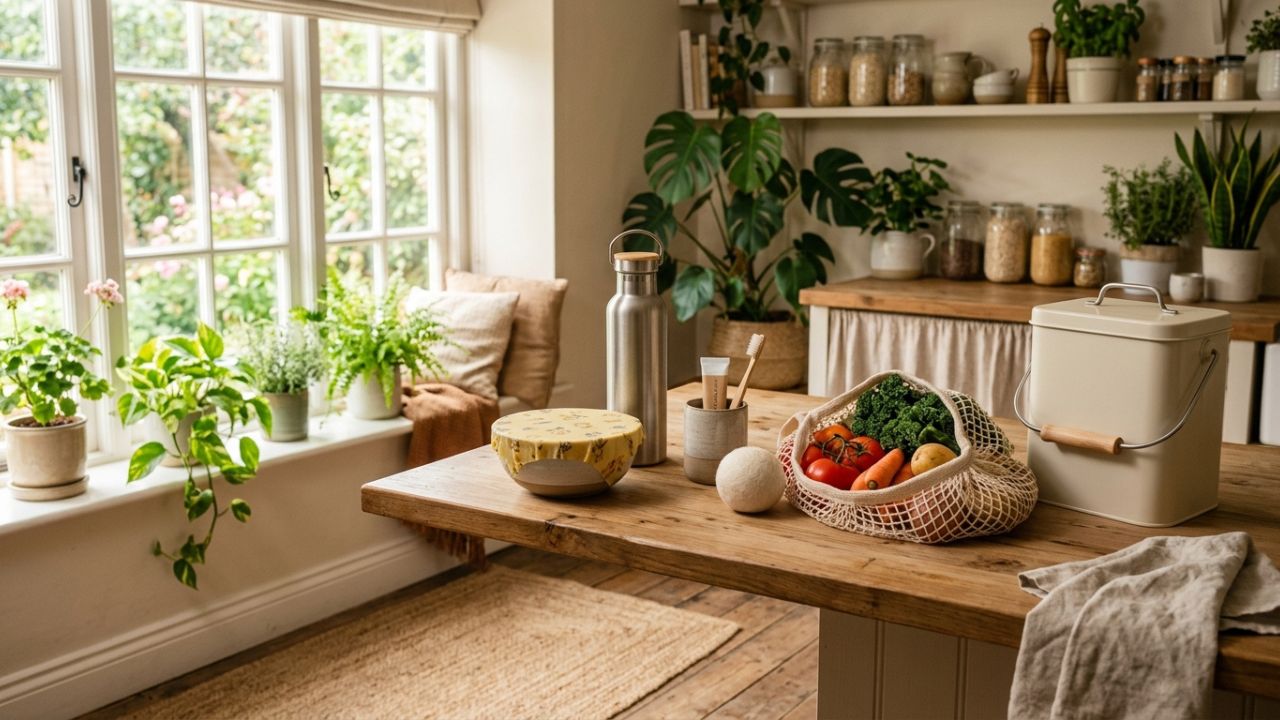
This list breaks down fifteen eco-friendly home finds that combine function, style, and environmental responsibility. Each item was chosen because it offers a meaningful way to reduce waste, conserve resources, or support a greener way of living at home.
Why Eco-Friendly Home Products Matter
Before diving into the list, it helps to understand why these swaps matter in the first place. Household consumption plays a major role in overall environmental impact. From the energy used to power appliances to the waste generated by single-use items, homes are a significant source of resource use and landfill contribution.
Choosing eco-friendly products is not about achieving perfection. It is about making thoughtful choices that reduce unnecessary waste and support more responsible manufacturing practices. Sustainable home goods often use:
- Renewable or recycled materials instead of virgin plastics
- Non-toxic dyes, finishes, and adhesives
- Packaging that is minimal, recyclable, or compostable
- Manufacturing processes designed to use less water and energy
Every small change contributes to a bigger shift in how households consume resources, and that shift matters more than any single purchase.
1. Reusable Beeswax Food Wraps
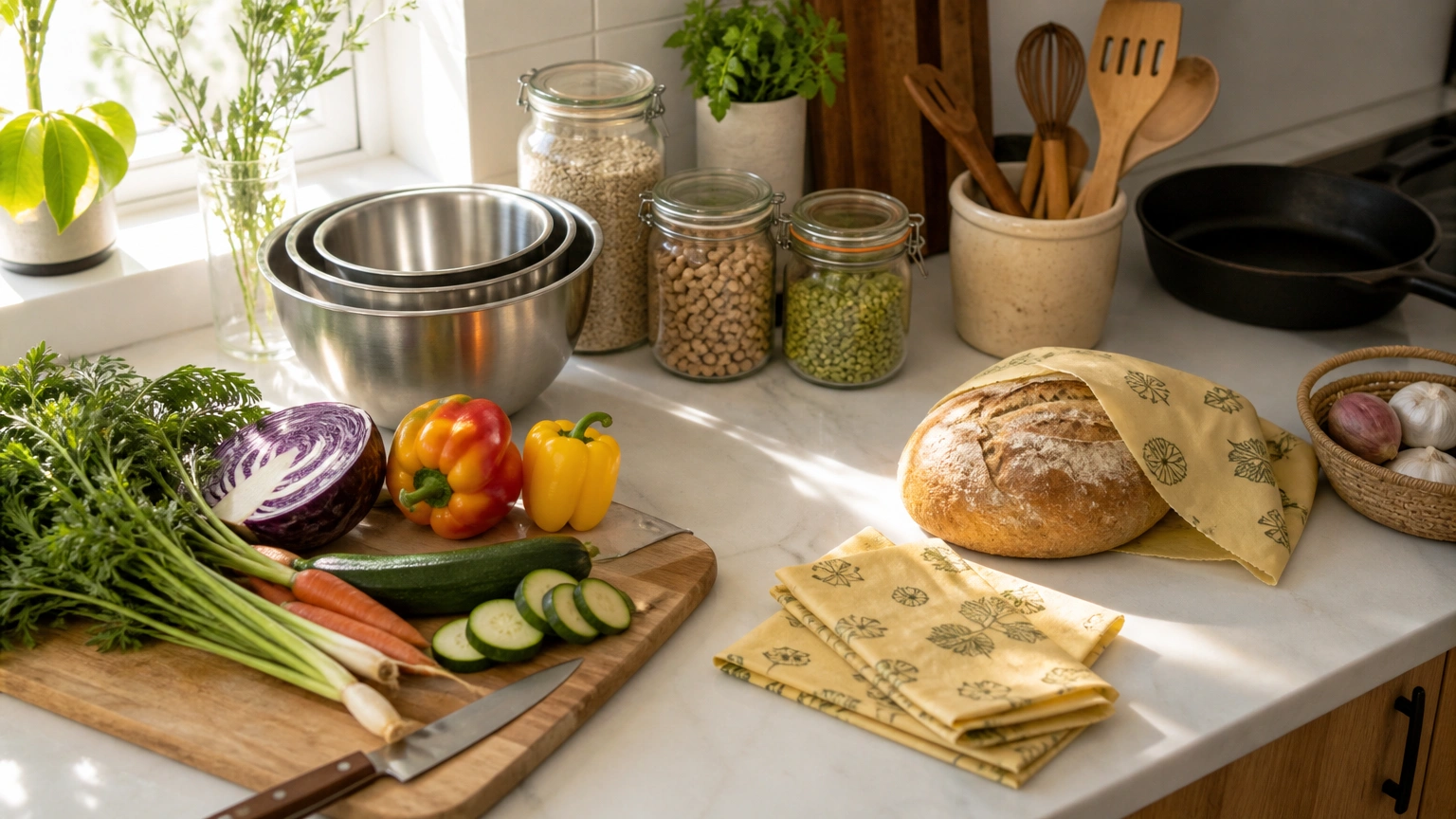
Plastic cling wrap is one of the most common single-use items found in kitchens, and it almost always ends up in the trash after one use. Beeswax wraps offer a natural alternative. Made from cotton fabric coated in beeswax, tree resin, and jojoba oil, these wraps mold to bowls, cover produce, and wrap sandwiches just like plastic film, but they can be washed and reused for up to a year.
2. Compostable Kitchen Sponges
Traditional sponges are made from synthetic materials that shed microplastics and take centuries to break down. Compostable sponges made from cellulose and natural fibers offer the same scrubbing power without the environmental cost. Once they wear out, they can be tossed into a compost bin instead of a landfill.
3. Stainless Steel Water Bottles
A reusable water bottle is one of the simplest and most effective ways to cut down on plastic waste. Stainless steel bottles are especially popular because they are durable, do not leach chemicals, and keep beverages cold or hot for hours. A single bottle can replace hundreds of disposable plastic bottles over its lifetime.
What to Look For in a Reusable Bottle
- Double-wall insulation for temperature control
- A leak-proof lid design
- BPA-free materials throughout
- A size that fits daily hydration needs
4. Bamboo Toothbrushes
Plastic toothbrushes are replaced every few months, and the vast majority end up in landfills or oceans. Bamboo toothbrushes offer a biodegradable handle option, with only the bristles requiring separate disposal in most cases. Bamboo grows quickly and requires minimal resources, making it one of the more sustainable materials available.
5. Solar-Powered Outdoor Lights
Outdoor lighting can quietly add to a household’s energy bill. Solar-powered lights eliminate that cost entirely by harnessing sunlight during the day and automatically illuminating pathways, gardens, or patios at night. They require no wiring, making installation simple for any homeowner.
6. Organic Cotton Bedding
Conventional cotton farming uses significant amounts of pesticides and water. Organic cotton bedding is grown without synthetic chemicals and often uses less water overall. It tends to be softer over time and is a healthier option for people with sensitive skin or allergies.
7. Reusable Produce Bags
Mesh or cotton produce bags replace the thin plastic bags typically found at grocery store checkout stands. They are lightweight, washable, and strong enough to hold fruits, vegetables, and bulk grains. Many fold up small enough to keep in a purse or car for spontaneous grocery trips.
8. Wool Dryer Balls
Dryer sheets are single-use products that contain synthetic fragrances and coatings. Wool dryer balls offer a reusable alternative that reduces drying time, softens fabric naturally, and eliminates the need for chemical additives. A set can last for hundreds of loads before needing replacement.
9. Low-Flow Showerheads
Water conservation is a major part of sustainable living, and the bathroom is often where the most water gets used. Low-flow showerheads reduce water usage significantly while still providing strong, satisfying water pressure. Many modern designs make it difficult to notice a difference in performance.
10. Compost Bins for the Kitchen
Composting food scraps diverts waste from landfills and creates nutrient-rich material for gardens. A countertop compost bin makes the process convenient by giving households a designated spot to collect scraps before transferring them to an outdoor compost pile or municipal collection program.
Common Items That Can Be Composted
- Fruit and vegetable scraps
- Coffee grounds and filters
- Eggshells
- Yard trimmings and dried leaves
11. Natural Fiber Rugs
Synthetic rugs are often made from petroleum-based materials that release microplastics over time. Rugs made from jute, sisal, or organic wool offer a natural alternative that is biodegradable and free from harmful chemical treatments. They also tend to bring warmth and texture into a room.
12. Refillable Cleaning Product Systems
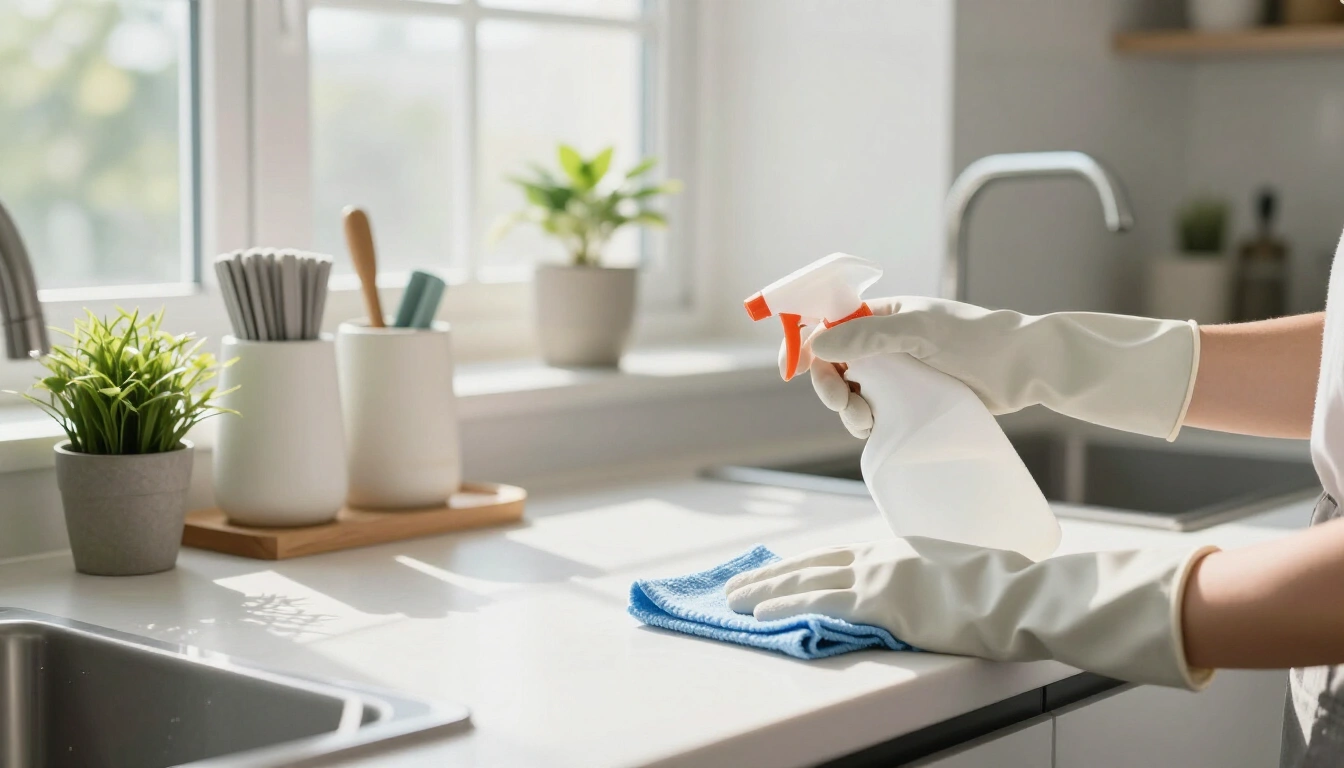
Cleaning products often come in single-use plastic bottles that get thrown away after a few uses. Refillable systems use concentrated tablets or pods mixed with water in a reusable bottle, cutting down significantly on plastic waste while still delivering effective cleaning results.
13. LED Light Bulbs
LED bulbs use a fraction of the energy required by traditional incandescent bulbs and last considerably longer. While they are not a new product, they remain one of the most impactful and affordable upgrades a household can make toward energy efficiency.
14. Silicone Food Storage Bags
Silicone storage bags offer a reusable replacement for single-use plastic freezer and sandwich bags. They can be washed, reused thousands of times, and are safe for the freezer, microwave, and dishwasher, making them a versatile option for food storage.
15. Recycled Glass Drinkware
Glassware made from recycled materials reduces the demand for new raw resources while still offering the same durability and clarity as traditional glass products. It is a simple swap for households looking to reduce their reliance on plastic cups and containers.
Comparing Everyday Impact
The table below offers a simple comparison of how these swaps stack up in terms of ease of adoption and environmental benefit.
| Product | Ease of Switching | Primary Benefit |
|---|---|---|
| Beeswax Food Wraps | Easy | Reduces plastic wrap waste |
| Compostable Sponges | Easy | Prevents microplastic shedding |
| Stainless Steel Bottles | Easy | Cuts single-use bottle waste |
| Bamboo Toothbrushes | Easy | Biodegradable material |
| Solar-Powered Lights | Moderate | Reduces electricity use |
| Organic Cotton Bedding | Moderate | Lowers pesticide and water use |
| Reusable Produce Bags | Easy | Reduces plastic bag waste |
| Wool Dryer Balls | Easy | Eliminates chemical dryer sheets |
| Low-Flow Showerheads | Moderate | Conserves water |
| Kitchen Compost Bins | Moderate | Diverts food waste from landfills |
| Natural Fiber Rugs | Moderate | Avoids synthetic microplastics |
| Refillable Cleaning Systems | Easy | Cuts plastic bottle waste |
| LED Light Bulbs | Easy | Reduces energy consumption |
| Silicone Storage Bags | Easy | Replaces disposable plastic bags |
| Recycled Glass Drinkware | Moderate | Reduces demand for raw materials |
Building a Sustainable Home One Step at a Time
Transitioning to a more eco-friendly household does not need to happen all at once. Trying to replace every product overnight can feel overwhelming and often leads to unnecessary waste if items are discarded before their useful life ends. Instead, a gradual approach tends to work best.
A good strategy involves replacing items as they naturally wear out rather than throwing away perfectly functional products just to make a swap. This approach reduces waste in the short term while still moving a household toward more sustainable habits over the long term.
Tips for Making the Transition Easier
- Start with the items used most frequently, such as water bottles or kitchen sponges
- Research materials and certifications to avoid greenwashed products
- Set a budget and prioritize higher-impact swaps first
- Involve the whole household so habits stick long term
- Repurpose or donate old items instead of discarding them immediately
Final Thoughts
Creating a more sustainable home is an ongoing process built on small, intentional choices. The fifteen products outlined above represent practical entry points for anyone looking to reduce waste, conserve resources, and make more environmentally responsible decisions without sacrificing comfort or style.
Whether the goal is to eliminate single-use plastics, cut down on water and energy use, or simply bring more natural materials into everyday life, there is an eco-friendly option available for nearly every part of the home. Adding even a few of these items to a wishlist can be the first step toward a more mindful, sustainable way of living.