Living sustainably does not require a total home renovation or a complicated lifestyle overhaul. In fact, some of the most meaningful environmental changes come from small, simple habits that fit easily into everyday life.
Anyone who wants to reduce their carbon footprint, save money on utility bills, and create a healthier living space can start with a handful of manageable adjustments around the house.
This article explores fifteen small but effective changes that homeowners and renters alike can make to create a more eco-friendly home. These tips are practical, affordable, and designed to make sustainability feel achievable rather than overwhelming.
Why Small Changes Matter
Many people assume that going green means installing solar panels or buying an electric vehicle right away. While those are excellent long-term goals, they are not always realistic for everyone. The truth is that small, consistent changes add up over time. Reducing water waste, cutting down on single-use plastics, and improving energy efficiency in the home can collectively make a noticeable difference for the planet and for a household budget.
Sustainability is not about perfection. It is about progress. Every small swap, from switching light bulbs to composting food scraps, contributes to a larger movement toward responsible living.
1. Switch to LED Light Bulbs
Traditional incandescent bulbs waste a significant amount of energy as heat rather than light. LED bulbs use far less electricity and last much longer, which means fewer replacements and lower energy bills. This simple swap is one of the easiest ways to start reducing household energy consumption.
2. Unplug Electronics When Not in Use
Many devices continue to draw power even when they are turned off, a phenomenon often called phantom energy use. Unplugging chargers, televisions, and small appliances when they are not in use can help lower electricity consumption without any extra effort.
Use a Power Strip
Installing a power strip makes it easier to switch off multiple devices at once. This is especially useful for entertainment centers or home office setups where several electronics are plugged in at the same time.
3. Fix Leaky Faucets and Pipes
A dripping faucet might seem minor, but it can waste gallons of water over time. Checking pipes and faucets regularly and repairing leaks promptly helps conserve water and prevents unnecessary damage to the home.
4. Install a Low-Flow Showerhead
Low-flow showerheads reduce water usage without sacrificing water pressure. They are inexpensive, easy to install, and can significantly cut down on water waste over the course of a year.
5. Start Composting Food Scraps
Instead of throwing away fruit peels, vegetable scraps, and coffee grounds, composting turns organic waste into nutrient-rich soil. This reduces the amount of trash sent to landfills and can be used to nourish a garden or houseplants.
What Can Be Composted
- Fruit and vegetable scraps
- Coffee grounds and tea bags
- Eggshells
- Yard trimmings and dry leaves
- Shredded paper and cardboard
6. Reduce Single-Use Plastics
Single-use plastics, such as water bottles, grocery bags, and disposable utensils, contribute heavily to pollution. Swapping these items for reusable alternatives is one of the simplest ways to reduce household waste.
- Use reusable shopping bags
- Carry a refillable water bottle
- Choose glass or metal containers over plastic ones
- Bring reusable produce bags to the grocery store
7. Choose Energy-Efficient Appliances
When it is time to replace an old appliance, choosing an energy-efficient model can lead to long-term savings. These appliances use less electricity and water, which benefits both the environment and the household budget.
8. Adjust the Thermostat
Lowering the thermostat slightly in winter and raising it in summer can lead to noticeable energy savings. A programmable or smart thermostat makes it even easier to maintain an efficient temperature schedule without constant manual adjustments.
9. Wash Clothes in Cold Water
Most laundry detergents work effectively in cold water, and washing clothes this way uses significantly less energy than hot water cycles. This small change also helps clothes last longer by reducing wear from heat.
10. Air-Dry Laundry When Possible
Clothes dryers consume a large amount of electricity. Air-drying laundry on a rack or clothesline, even occasionally, can reduce energy use and extend the lifespan of clothing.
11. Use Natural Cleaning Products
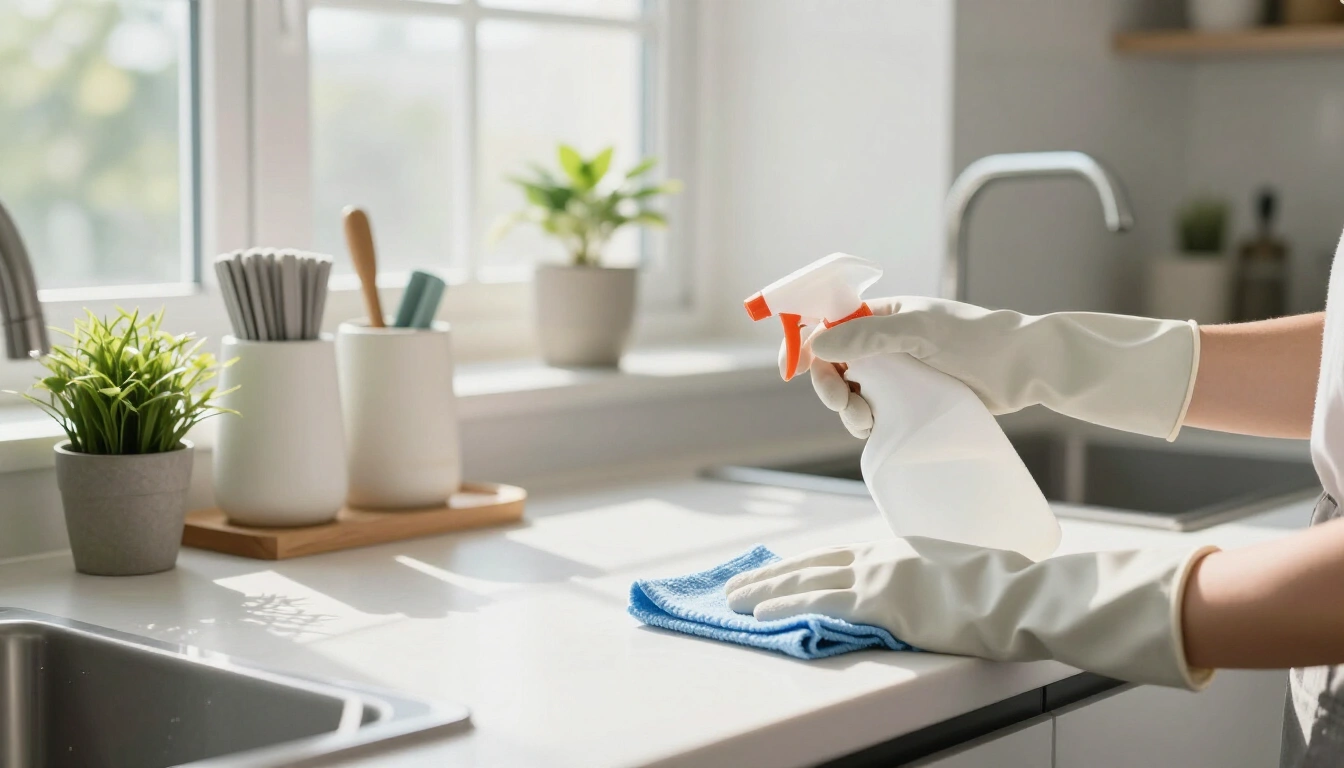
Many conventional cleaning products contain harsh chemicals that can harm both the environment and indoor air quality. Natural alternatives made from ingredients like vinegar, baking soda, and lemon are affordable, effective, and safer for the household.
Simple Natural Cleaning Swaps
| Conventional Product | Eco-Friendly Alternative |
|---|---|
| Glass cleaner | Vinegar and water solution |
| All-purpose cleaner | Baking soda and warm water |
| Air freshener | Essential oil diffuser |
| Bleach-based disinfectant | Hydrogen peroxide spray |
12. Bring in Houseplants
Houseplants do more than add beauty to a home. Certain plants help improve indoor air quality by absorbing toxins and releasing oxygen. Adding a few low-maintenance plants, such as pothos or snake plants, can create a healthier and more sustainable living space.
13. Seal Windows and Doors
Drafty windows and doors force heating and cooling systems to work harder than necessary. Sealing gaps with weatherstripping or caulk helps maintain indoor temperature more efficiently, which reduces energy consumption throughout the year.
14. Buy Secondhand When Possible
Purchasing secondhand furniture, clothing, and household items reduces demand for new production, which in turn lowers resource consumption and waste. Thrift stores, online marketplaces, and local swap groups are great places to find quality items at a fraction of the cost.
15. Reduce Food Waste
Food waste is a major contributor to landfill emissions. Planning meals ahead of time, storing food properly, and using leftovers creatively can help reduce the amount of food that goes to waste in a household.
Tips to Minimize Food Waste
- Plan weekly meals before grocery shopping
- Store fruits and vegetables properly to extend freshness
- Freeze leftovers instead of discarding them
- Use vegetable scraps to make homemade broth
Making Sustainability a Habit
Building an eco-friendly home does not happen overnight. It is a gradual process that involves small, intentional choices made consistently over time. Rather than trying to implement all fifteen changes at once, it can be helpful to start with one or two that feel most manageable and build from there.
Tracking progress can also help maintain motivation. Keeping a simple checklist or journal of changes made, such as switching to reusable bags or starting a compost bin, can serve as a reminder of how much impact small actions can have.
The Bigger Picture
While individual actions may seem small on their own, they contribute to a larger collective effort toward environmental responsibility. Households that adopt even a few of these habits help reduce demand for energy, water, and raw materials, which supports broader sustainability goals.
Beyond the environmental benefits, many of these changes also lead to financial savings. Lower utility bills, reduced grocery waste, and fewer unnecessary purchases can add up significantly over the course of a year.
Final Thoughts
Creating a more eco-friendly home is an ongoing journey rather than a single achievement. Every small change, from switching to LED bulbs to composting food scraps, plays a role in reducing environmental impact and building healthier living habits.
By starting with a few simple adjustments and gradually incorporating more sustainable practices, anyone can transform their home into a space that reflects care for both the planet and everyday well-being.
Sustainability does not require perfection. It simply requires a willingness to make thoughtful choices, one small step at a time.