Living with less waste does not require a complete lifestyle overhaul. In fact, most people who successfully reduce their environmental footprint do it through small, repeatable habits rather than one dramatic change. These habits stack up over time, and before long, they become second nature.
Whether someone is just starting their eco-friendly journey or looking for fresh ideas to refine an already sustainable routine, this guide covers twenty practical habits that make a real difference.
The best part about these habits is that they do not demand extra time, money, or effort once they become routine. Many of them actually save money in the long run. Below is a breakdown of habits organized by category, along with practical tips for making them stick.
Why Reducing Waste Matters
Every item that gets thrown away, whether it is food, plastic, or packaging, eventually ends up somewhere. Landfills are overflowing in many parts of the world, and a large percentage of what fills them could have been avoided altogether through mindful choices. Reducing waste is not only about protecting the planet. It also means:
- Saving money by buying less and reusing more
- Reducing the demand for raw materials and resource extraction
- Cutting down on greenhouse gas emissions from manufacturing and transportation
- Creating a healthier, cleaner living environment
- Setting a positive example for family, friends, and community members
With that context in mind, here are twenty habits that anyone can start incorporating right away.
Kitchen and Food Habits
The kitchen is often where the most waste is generated, from food scraps to single-use packaging. Small shifts here can have an outsized impact.
1. Plan Meals Before Grocery Shopping
Meal planning helps avoid impulse purchases and reduces the amount of food that spoils before it gets used. A quick weekly plan, even a rough one, can cut grocery waste significantly.
2. Store Food Properly to Extend Freshness
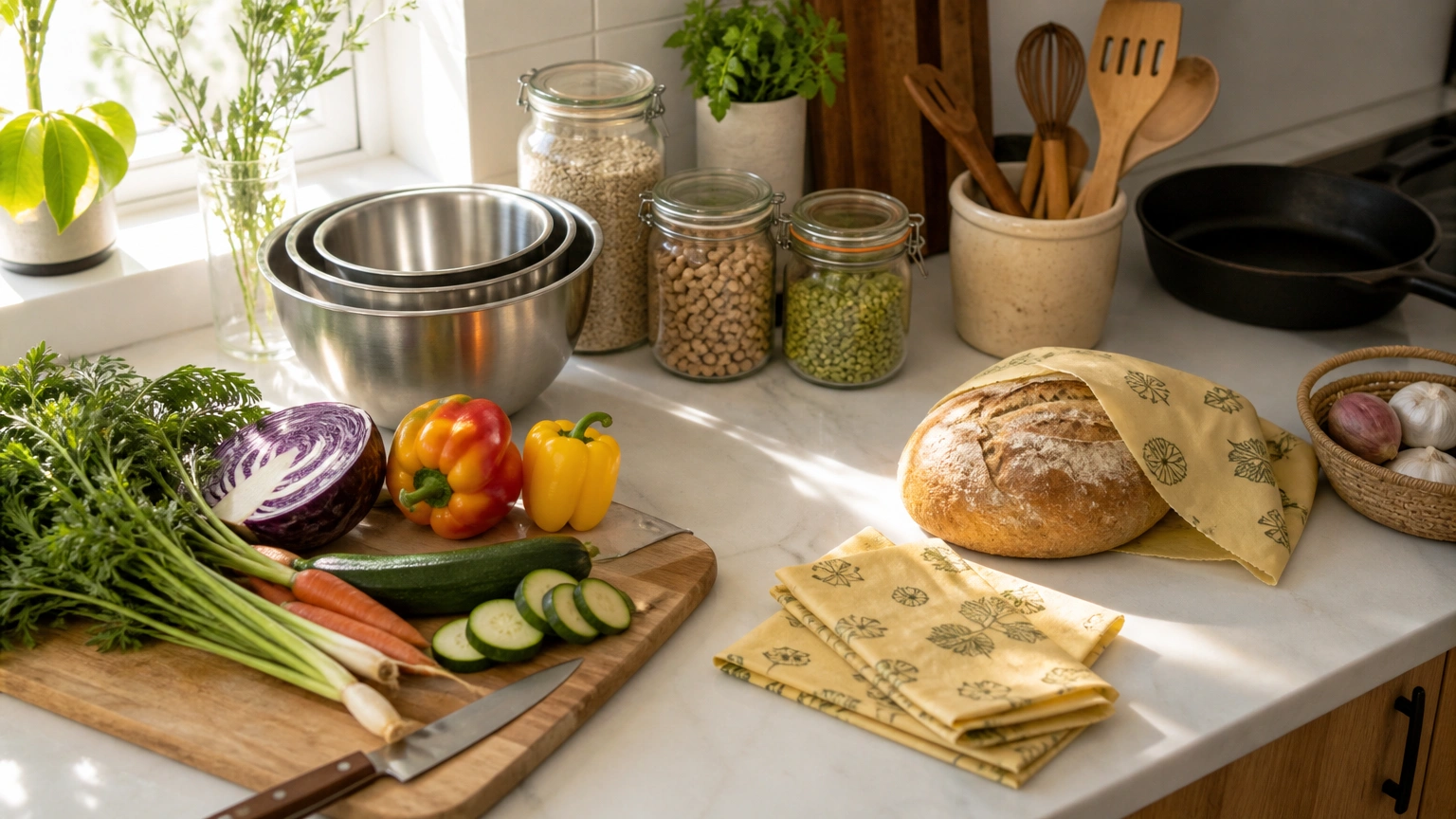
Learning which fruits and vegetables should be refrigerated versus left on the counter can extend shelf life by days or even weeks. Proper storage containers also help prevent premature spoilage.
3. Start Composting Food Scraps
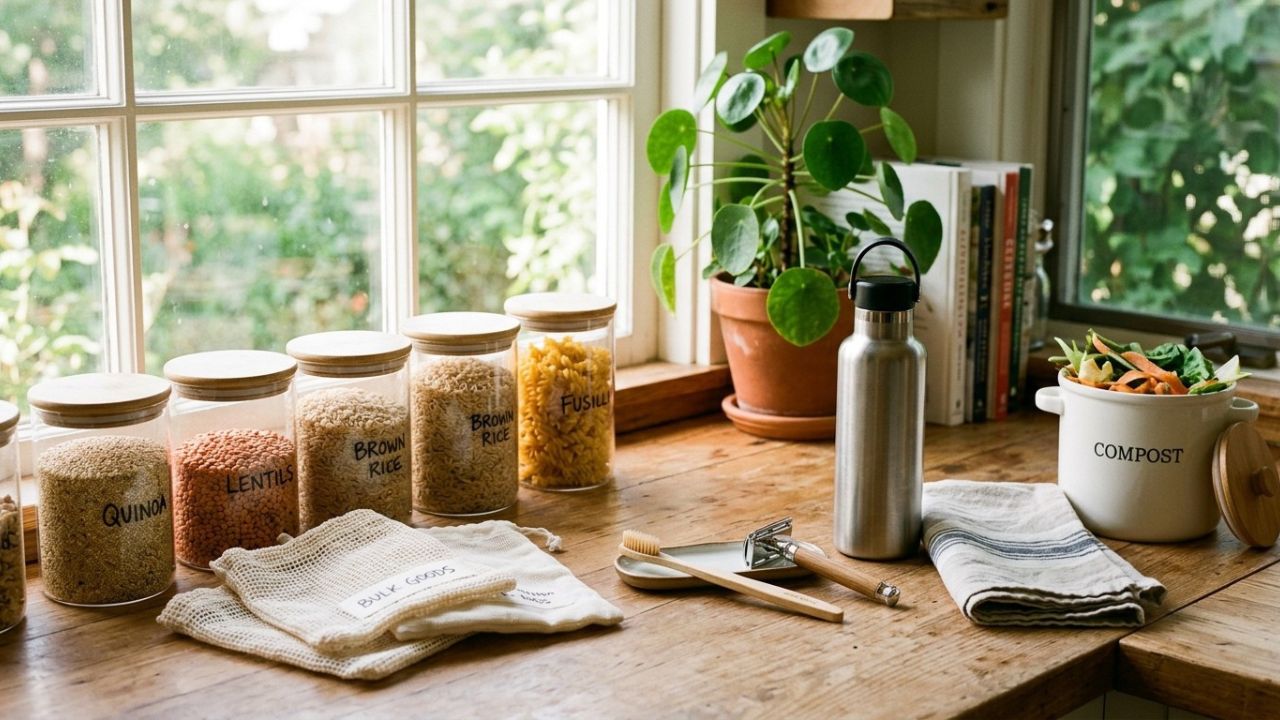
Composting turns vegetable peels, coffee grounds, and eggshells into nutrient-rich soil instead of sending them to a landfill, where they release methane as they break down.
4. Buy in Bulk When Possible
Purchasing grains, nuts, and spices from bulk bins reduces packaging waste. Bringing reusable containers or bags to the store makes this even more effective.
5. Skip Single-Use Plastic Bags
Reusable produce bags and shopping totes are inexpensive and can be used hundreds of times. Keeping a few in the car or by the front door makes it easy to remember them.
6. Repurpose Leftovers Creatively
Instead of tossing extra food, it can be transformed into new meals. Leftover vegetables become soup, stale bread becomes croutons, and extra rice becomes fried rice.
Bathroom and Personal Care Habits
Personal care products are often packed with plastic packaging, but there are simple swaps that reduce this waste without sacrificing quality.
7. Switch to Bar Soap and Shampoo Bars
Bar products eliminate the need for plastic bottles entirely and often last longer than their liquid counterparts.
8. Use a Reusable Razor
Investing in a metal safety razor with replaceable blades cuts down significantly on plastic razor waste compared to disposable options.
9. Try a Bamboo Toothbrush
Bamboo toothbrush handles are biodegradable, unlike standard plastic ones that persist in landfills for hundreds of years.
10. Choose Refillable Personal Care Products
Many brands now offer refill pouches or stations for lotions, soaps, and cleaning products, which use far less packaging than buying a new bottle each time.
Shopping and Consumption Habits
How people shop plays a major role in overall waste creation. Being intentional about purchases can drastically cut down on unnecessary waste.
11. Bring Reusable Bags Everywhere
This applies beyond groceries. Reusable bags work well for clothing stores, farmers markets, and take-out orders too.
12. Choose Products with Minimal Packaging
When given the choice between two similar products, opting for the one with less packaging, or packaging that is recyclable or compostable, makes a difference over time.
13. Buy Secondhand When Possible
Thrift stores, online resale platforms, and consignment shops offer clothing, furniture, and household items that are just as functional as new ones, without the environmental cost of new production.
14. Repair Instead of Replace
Fixing a broken appliance, mending torn clothing, or repairing furniture extends the life of items and keeps them out of landfills.
15. Say No to Unnecessary Freebies
Promotional items, extra napkins, plastic cutlery, and straws add up quickly. Politely declining these when they are not needed reduces unnecessary waste.
Home and Lifestyle Habits
Beyond the kitchen and bathroom, everyday habits at home can further reduce a household’s overall footprint.
16. Switch to Reusable Water Bottles and Coffee Cups
A single reusable bottle can replace hundreds of disposable plastic bottles over its lifetime. The same applies to reusable coffee cups for daily coffee runs.
17. Use Cloth Napkins and Towels
Swapping paper napkins and paper towels for washable cloth versions reduces daily waste and saves money over time.
18. Unsubscribe from Unwanted Mail and Catalogs
Paper waste from junk mail adds up throughout the year. Opting out of catalogs and switching to digital statements cuts down on unnecessary paper use.
19. Donate Items Instead of Throwing Them Away
Clothing, books, electronics, and furniture that are no longer needed can often be donated rather than discarded, giving them a second life with someone else.
20. Recycle Properly and Know Local Guidelines
Recycling rules vary by city and region. Taking the time to learn what is actually accepted locally prevents contamination of recycling streams and ensures more materials are properly processed.
Quick Reference Table
The table below summarizes each habit by category and the type of waste it primarily helps reduce.
| Habit | Category | Waste Reduced |
|---|---|---|
| Meal planning | Kitchen | Food waste |
| Proper food storage | Kitchen | Food waste |
| Composting | Kitchen | Food and organic waste |
| Buying in bulk | Kitchen | Packaging waste |
| Reusable produce bags | Kitchen | Plastic waste |
| Repurposing leftovers | Kitchen | Food waste |
| Bar soap and shampoo | Bathroom | Plastic packaging |
| Reusable razor | Bathroom | Plastic waste |
| Bamboo toothbrush | Bathroom | Plastic waste |
| Refillable products | Bathroom | Packaging waste |
| Reusable shopping bags | Shopping | Plastic waste |
| Minimal packaging choices | Shopping | Packaging waste |
| Buying secondhand | Shopping | Manufacturing waste |
| Repairing items | Shopping | Landfill waste |
| Declining freebies | Shopping | Single-use plastic |
| Reusable bottles and cups | Home | Plastic waste |
| Cloth napkins and towels | Home | Paper waste |
| Unsubscribing from mail | Home | Paper waste |
| Donating unused items | Home | Landfill waste |
| Proper recycling habits | Home | Contaminated recyclables |
Tips for Making These Habits Stick
Building new habits takes consistency more than willpower. Here are a few strategies that make the transition easier:
- Start with two or three habits at a time instead of trying to adopt all twenty at once
- Keep reusable items in visible, easy-to-reach places like the car, entryway, or kitchen counter
- Set small reminders on a phone until the habit feels automatic
- Involve family members or roommates so the effort feels shared rather than solitary
- Celebrate small wins, like a month without plastic bags, to stay motivated
Final Thoughts
Reducing everyday waste does not mean living a life of sacrifice or inconvenience. It is about being a little more intentional with everyday choices, from how food is stored to what gets tossed in the trash versus donated or composted.
These twenty habits are practical starting points that anyone can adopt at their own pace. Over time, these small shifts add up to a meaningful reduction in household waste, a lighter environmental footprint, and often, a lighter wallet too. The journey toward a more sustainable lifestyle is not about perfection. It is about progress, one habit at a time.