Living a more sustainable life does not require a complete lifestyle overhaul. Small, consistent choices add up over time and can meaningfully reduce a person’s environmental footprint.
Whether someone is just beginning their sustainability journey or looking for fresh ideas to go even further, this guide breaks down twenty five simple, practical ways to live a greener life without feeling overwhelmed.
Why Eco-Friendly Living Matters
Every choice people make, from what they eat to how they travel, has an impact on the planet. Climate change, plastic pollution, and resource depletion are pressing global issues, but individual actions still matter. When millions of people make small sustainable swaps, the cumulative effect can be significant. Beyond the environmental benefits, eco-friendly living often saves money, improves health, and encourages a simpler, more intentional way of life.
Simple Swaps Around the Home
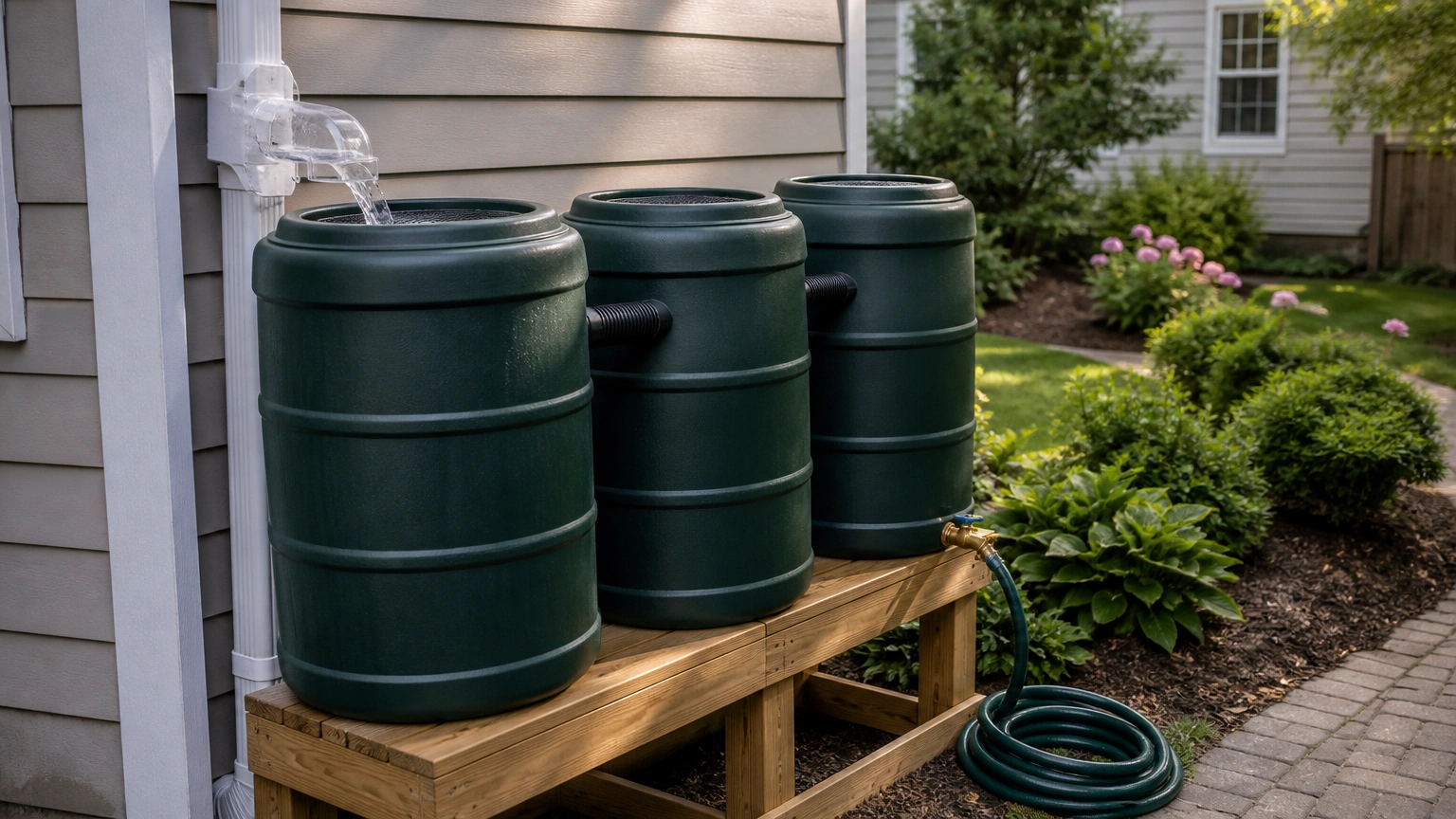
The home is one of the easiest places to start building sustainable habits. Small changes in daily routines can lower energy use, reduce waste, and cut household costs.
Energy and Water Saving Habits
- Switch to LED light bulbs, which use significantly less energy and last much longer than traditional bulbs
- Unplug electronics and chargers when not in use to avoid phantom energy drain
- Install a programmable or smart thermostat to reduce heating and cooling costs
- Take shorter showers and install low-flow showerheads to conserve water
- Fix leaky faucets and pipes promptly, since small leaks waste large amounts of water over time
- Wash clothes in cold water whenever possible to save energy
- Air dry laundry instead of using a dryer when the weather allows
Reducing Household Waste
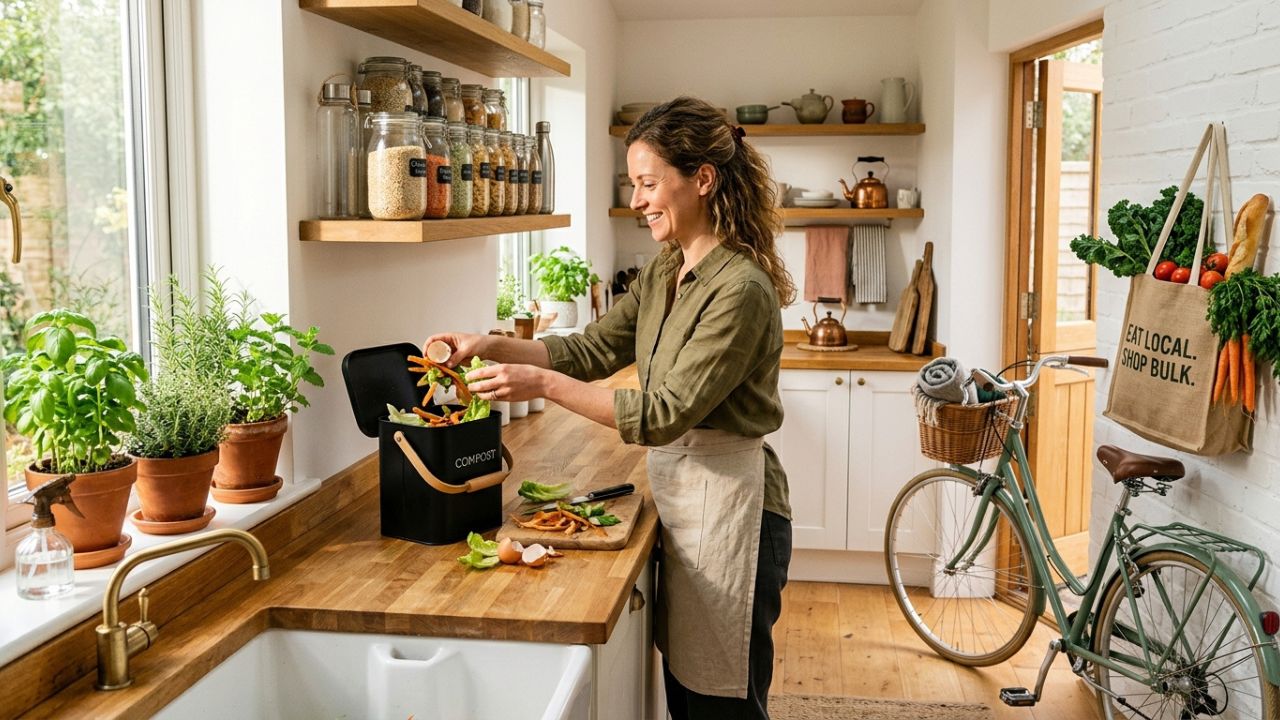
- Start composting food scraps and yard waste instead of sending them to the landfill
- Switch to reusable items like cloth napkins, glass containers, and refillable water bottles
- Buy in bulk to cut down on packaging waste
- Repurpose glass jars and containers for storage instead of buying new organizers
- Choose products with minimal or recyclable packaging when shopping
Sustainable Eating Habits
Food choices have a major impact on the environment, from water usage to greenhouse gas emissions. Adjusting eating habits, even in small ways, can make a real difference.
Eating with the Planet in Mind
- Incorporate more plant-based meals into the weekly menu, even a few days a week
- Buy local and seasonal produce to reduce the environmental cost of transportation
- Support farmers markets and community supported agriculture programs
- Plan meals ahead of time to avoid overbuying and food waste
- Store food properly to extend its shelf life and reduce spoilage
- Grow herbs or vegetables at home, even in small containers on a balcony or windowsill
Understanding Food Waste
Food waste is one of the most overlooked contributors to environmental harm. When food ends up in landfills, it decomposes and releases methane, a potent greenhouse gas. Simple habits like meal planning, proper storage, and using leftovers creatively can significantly cut down on waste.
Eco-Friendly Shopping and Consumption
How and what people buy plays a big role in sustainability. Thoughtful consumption habits can reduce waste and support more ethical, environmentally conscious brands.
- Choose secondhand or thrifted items before buying new
- Invest in high quality, durable products that last longer instead of cheaper disposable versions
- Research brands to understand their environmental and ethical practices
- Bring reusable bags when shopping to avoid single-use plastic
- Repair items when possible instead of replacing them
- Borrow or rent items that are only needed occasionally, such as tools or formal wear
Transportation and Travel Choices
Transportation is a significant source of carbon emissions. Making small adjustments to daily travel habits can reduce environmental impact while sometimes improving health and saving money.
Everyday Travel Adjustments
- Walk or bike for short trips instead of driving
- Use public transportation when available
- Carpool with coworkers, friends, or neighbors
- Combine errands into one trip to reduce unnecessary driving
- Keep vehicles well maintained, since proper tire pressure and regular tune-ups improve fuel efficiency
Sustainable Travel for Vacations
- Choose direct flights when flying, since takeoffs and landings use the most fuel
- Consider train travel for shorter distances instead of flying
- Support eco-conscious accommodations and tour operators
- Pack reusable items like water bottles and utensils when traveling
Building Long-Term Sustainable Habits
Living eco-friendly is not about being perfect. It is about making consistent, mindful choices that fit into everyday life. Building sustainable habits over time is more effective and realistic than trying to change everything at once.
Getting Started Without Feeling Overwhelmed
- Start with one or two changes and build from there
- Track progress to stay motivated, whether through journaling or an app
- Involve family members or roommates to make sustainable living a shared effort
- Celebrate small wins along the way
Staying Informed and Engaged
- Follow reliable sources for updates on sustainability practices and environmental news
- Join local or online communities focused on eco-friendly living for support and ideas
- Advocate for sustainable policies within local communities
- Educate others by sharing tips and experiences
Quick Reference: Eco-Friendly Habits by Category
| Category | Simple Habit | Environmental Benefit |
|---|---|---|
| Home Energy | Switch to LED bulbs | Reduces electricity use |
| Water Use | Install low-flow showerheads | Conserves water |
| Waste | Start composting | Reduces landfill methane |
| Food | Eat more plant-based meals | Lowers greenhouse gas emissions |
| Shopping | Buy secondhand items | Reduces demand for new production |
| Transportation | Walk, bike, or carpool | Cuts carbon emissions |
| Travel | Choose direct flights | Reduces fuel consumption |
| Lifestyle | Track and celebrate progress | Builds lasting habits |
The Bigger Picture
Living sustainably is a journey rather than a destination. No one needs to adopt every single habit overnight. Instead, gradual changes in daily routines, from the kitchen to the car, can add up to a meaningful reduction in environmental impact. The goal is progress, not perfection.
By focusing on small, manageable changes such as reducing waste, conserving energy, eating more mindfully, shopping thoughtfully, and choosing greener transportation options, anyone can move toward a more eco-friendly lifestyle. These twenty five tips offer a practical starting point for those ready to make a positive difference, one simple choice at a time.
Final Thoughts
Sustainability does not have to be complicated or expensive. It starts with awareness and small, intentional decisions made consistently over time.
Whether it is switching to reusable bags, composting food scraps, or choosing to walk instead of drive, every action contributes to a healthier planet. Living a more eco-friendly life is achievable for anyone willing to start, one step at a time.