Anyone trying to shrink their bathroom’s plastic footprint eventually runs into the same problem: shampoo and conditioner bottles.
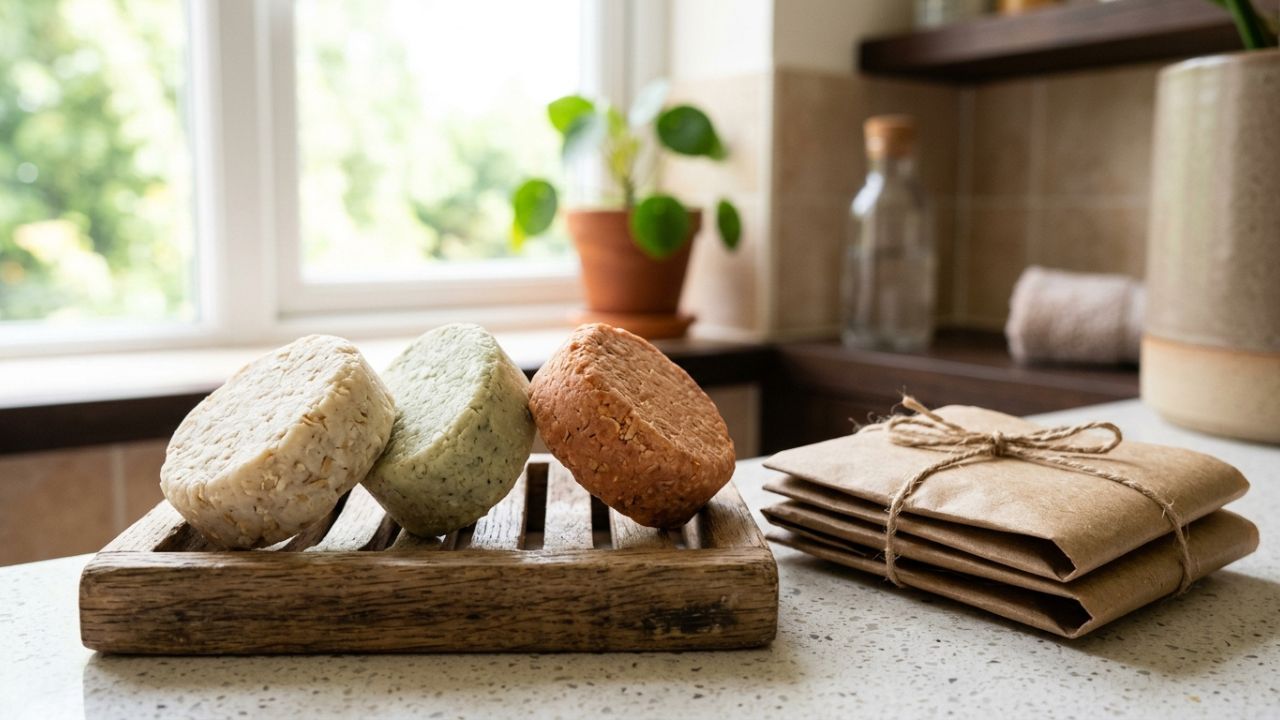
They pile up fast, they are rarely recycled the way people hope, and most end up in landfills or oceans long after the last drop of product has been used. Solid shampoo and conditioner bars have become one of the simplest swaps for people who want to live a more sustainable lifestyle without giving up clean, healthy hair.
This article looks at why these bars matter, what makes a good one, and three types of solid hair care products worth trying, along with practical tips for making the switch stick.
Why Plastic Bottles Are Such a Problem
It is easy to underestimate how much plastic a single bathroom shelf can generate over a year. The average person goes through several shampoo and conditioner bottles annually, and most of that plastic is never truly recycled, even when it goes into a recycling bin.
- Many shampoo bottles are made from HDPE or PET plastic, which can technically be recycled, but contamination from leftover product often disqualifies them.
- Pumps, caps, and labels are frequently made from different materials that cannot be processed together, so the whole bottle sometimes gets rejected at sorting facilities.
- A large share of plastic waste that is collected for recycling still ends up in landfills or incinerators due to limited processing capacity.
- Plastic that does make it into the environment can take hundreds of years to break down, and in the meantime it fragments into microplastics.
Switching to solid hair care products does not solve the plastic crisis on its own, but it does remove one recurring source of waste from a household’s routine, and small changes like this tend to build momentum toward bigger lifestyle shifts.
What Makes a Solid Shampoo or Conditioner Bar Sustainable
Not every bar on the shelf is created equal. Some brands package their “eco-friendly” bars in plastic wrap or plastic tubs, which defeats much of the purpose. When someone is shopping for a genuinely low-waste option, a few features are worth checking.
Packaging Materials
The best bars come wrapped in compostable paper, recycled cardboard, or nothing at all. Some companies ship bars loose in a reusable tin that customers can refill later, which cuts packaging waste even further.
Ingredient Sourcing
A bar is more sustainable when its ingredients are plant based, biodegradable, and sourced responsibly. Palm oil is a common ingredient in solid shampoo bars, and it is worth looking for products that use sustainably certified palm oil or avoid it entirely, since palm oil production is linked to deforestation in some regions.
Formula Longevity
A well made bar typically lasts as long as two to three bottles of liquid shampoo, since there is no added water weight diluting the formula. That concentration means fewer purchases, fewer shipments, and a smaller carbon footprint per wash.
Cruelty-Free and Vegan Status
Many people who care about sustainability also care about animal welfare, so bars that are certified cruelty-free or vegan tend to align well with a broader eco-conscious lifestyle.
Three Types of Solid Shampoo and Conditioner Bars Worth Trying
Rather than pointing to specific commercial brands, it helps to understand the main categories of bars available, since formulations vary widely by hair type and goal. Below are three general types of solid hair care products that consistently get praised for balancing performance with low-waste packaging.
1. The Moisture-Rich Bar for Dry or Curly Hair
This type of bar usually leans on ingredients like shea butter, coconut oil, and cocoa butter to deliver deep hydration. It works well for people with dry, curly, or coarse hair that tends to soak up moisture quickly and still feel thirsty.
- Best suited for curly, coily, or chemically treated hair
- Often paired with a matching conditioner bar containing similar butters
- Tends to produce a smaller lather than clarifying bars, which is normal and not a sign it is not working
- Usually comes wrapped in compostable paper or shipped without any wrapping
2. The Clarifying Bar for Oily or Fine Hair
Clarifying bars typically include ingredients like activated charcoal, tea tree oil, or apple cider vinegar. These ingredients help lift excess oil and product buildup without stripping the scalp entirely.
- Great for fine or oily hair that gets weighed down easily
- Often used once or twice a week alongside a gentler daily bar
- Charcoal versions can leave a slight tint on light colored hair temporarily, so a thorough rinse matters
- Frequently sold in cardboard boxes rather than plastic clamshells
3. The Volumizing or Balancing Bar for Normal Hair
This category is designed for people with normal or combination hair who want a gentle daily option. Ingredients often include citrus extracts, aloe vera, or rosemary, which are known for supporting scalp health without heavy residue.
- Works well as an everyday bar for most hair types
- Lighter formula that will not overly hydrate or overly strip the hair
- Often praised for a fresh, natural scent since these formulas tend to skip synthetic fragrance
- Commonly packaged in tins that double as reusable travel containers
Comparing the Three Bar Types
| Bar Type | Best For | Key Ingredients | Wash Frequency |
|---|---|---|---|
| Moisture-Rich Bar | Dry, curly, coily hair | Shea butter, cocoa butter, coconut oil | Every wash day |
| Clarifying Bar | Oily, fine, buildup-prone hair | Activated charcoal, tea tree oil | One to two times weekly |
| Volumizing/Balancing Bar | Normal, combination hair | Citrus extract, aloe vera, rosemary | Every wash day |
How to Make the Switch Without Frustration
Many people try a solid shampoo bar once, feel like their hair is coated in residue, and give up. That reaction is common and almost always temporary. Hair that has been using traditional sulfate-based shampoo for years often goes through a short adjustment period.
- Expect a transition period of one to three weeks as the scalp adjusts to a new cleansing method
- Rinse thoroughly, since underrinsing is the most common reason bars feel like they leave buildup
- Follow with an apple cider vinegar rinse occasionally to help balance hair after the switch
- Store the bar on a draining soap dish between uses so it lasts longer and does not turn mushy
- Rub the bar directly on wet hair or lather it in the hands first, depending on hair length and thickness
Choosing Between a Bar Rubbed Directly on Hair or Lathered First
People with short hair often find it easiest to rub the bar directly onto wet hair and scalp. People with longer or thicker hair sometimes prefer to rub the bar between wet hands to build a lather first, then apply that lather through the hair. Neither method is wrong, and it often comes down to personal preference and hair length.
Beyond the Bar: Other Ways to Cut Bathroom Waste
Solid shampoo and conditioner are a strong starting point, but they are part of a larger shift many people make once they start paying attention to bathroom waste.
- Swapping plastic razors for a reusable safety razor
- Choosing toothpaste tablets or powder instead of tubes
- Using refillable glass bottles for lotions and body wash
- Replacing cotton rounds with washable, reusable pads
- Buying soap as a bar rather than in a plastic pump bottle
Each of these swaps follows the same logic as solid shampoo: reduce single-use plastic, choose concentrated formulas that need less packaging, and favor materials that break down naturally when they eventually reach the end of their life.
The Bigger Picture
Choosing a solid shampoo or conditioner bar will not single handedly fix the plastic pollution crisis, and no one should feel pressure to be perfect about it. What these bars do offer is a low effort, high impact habit change.
A single bar can replace two or three plastic bottles over its lifetime, and when that math is multiplied across a household, or across a community of people making the same switch, the reduction in plastic waste becomes meaningful.
For anyone building a more sustainable lifestyle one habit at a time, the bathroom is often one of the easiest rooms to start with. Solid shampoo and conditioner bars are affordable, widely available, and increasingly easy to find in formulas suited to almost any hair type.
The transition period asks for a little patience, but the long term payoff, fewer bottles in the trash, less plastic production demand, and a bathroom routine that feels a little lighter, tends to make the switch worth it.