Anyone who has spent time in a modern kitchen knows how much plastic quietly sneaks into daily food prep. Cutting boards, measuring cups, storage containers, and even simple mixing spoons are often made from plastic, and over time these items shed microplastics, wear out quickly, and end up in landfills.
For people who care about living a more sustainable and eco-friendly lifestyle, swapping out plastic kitchen tools is one of the easiest and most rewarding changes to make.
The good news is that switching to plastic-free food preparation tools does not require a full kitchen overhaul overnight. It can be done gradually, one tool at a time, and the payoff is both environmental and practical. Natural materials like wood, stainless steel, glass, and silicone (when it is truly food-safe and durable) tend to last longer, look better, and often perform better than their plastic counterparts.
This article walks through five plastic-free food preparation tools worth trying, why they matter, and how to choose the right ones.
Why Plastic-Free Kitchen Tools Matter
Before diving into the specific tools, it helps to understand why this swap is worth the effort. Plastic kitchenware is convenient and cheap, but it comes with hidden costs.
- Plastic cutting boards and utensils can release microplastics into food, especially when scratched or exposed to heat.
- Plastic items tend to degrade faster than wood, metal, or glass, meaning more frequent replacements and more waste.
- Manufacturing and disposing of plastic contributes to fossil fuel use and landfill accumulation.
- Many plastic kitchen tools cannot be recycled easily, so they often end up as permanent waste.
Choosing plastic-free alternatives is not about being perfect. It is about making thoughtful choices that reduce a household’s environmental footprint one tool at a time.
1. Wooden Cutting Boards
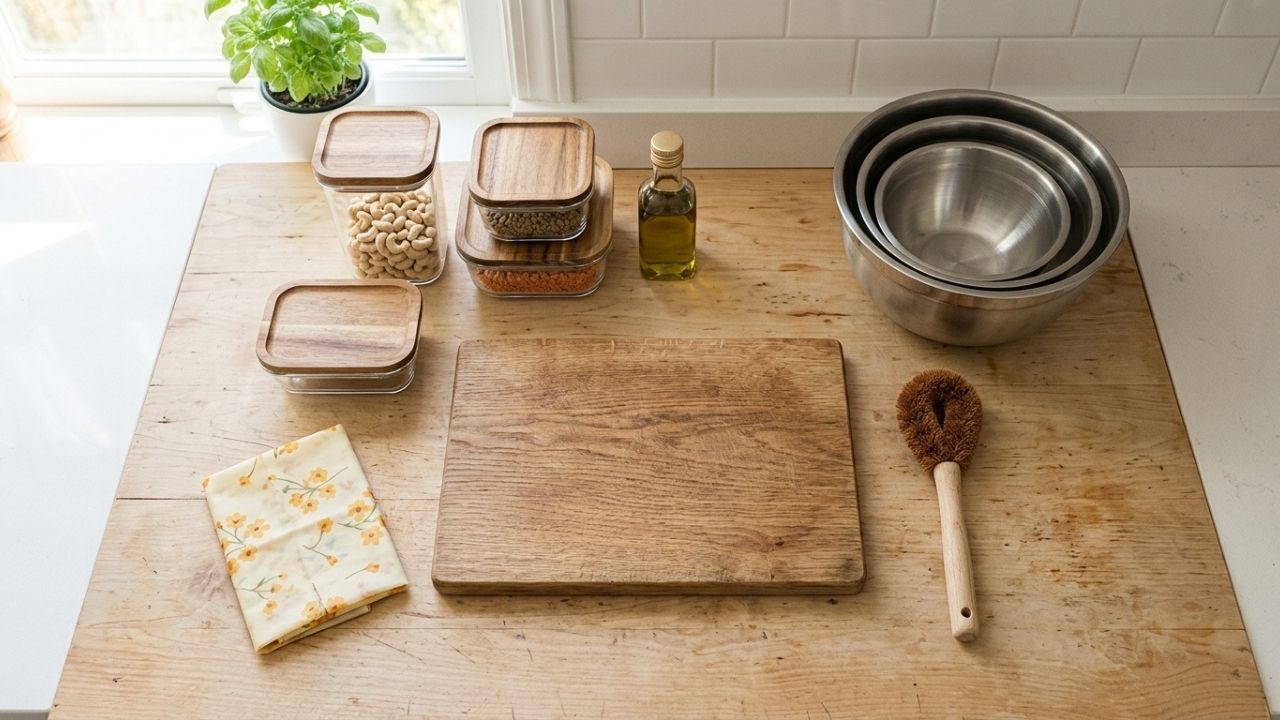
A wooden cutting board is one of the simplest and most impactful swaps someone can make in the kitchen. Unlike plastic boards, wood is naturally antimicrobial, which means it can actually be more hygienic than plastic when cared for properly. Wood also does not scratch and shed microplastic particles into food the way plastic boards do over time.
What to Look For
When shopping for a wooden cutting board, a few details matter.
- Choose boards made from sustainably harvested hardwoods like maple, walnut, or bamboo.
- Look for boards labeled as FSC-certified, which indicates responsible forestry practices.
- Avoid boards with glued layers made using harmful adhesives; end-grain or edge-grain solid wood boards are often a better long-term choice.
Caring for a Wooden Board
Wooden boards need a little more care than plastic, but the extra effort pays off in longevity. Washing by hand with warm soapy water, drying immediately, and occasionally rubbing the surface with food-safe mineral oil keeps the wood from cracking or warping.
With proper care, a good wooden cutting board can last for decades, which makes it far more sustainable than replacing a plastic board every year or two.
2. Stainless Steel Mixing Bowls and Utensils
Stainless steel is a workhorse material in sustainable kitchens. It does not leach chemicals, it does not stain or absorb odors, and it can handle high heat without warping or melting. Swapping plastic mixing bowls, measuring cups, and cooking utensils for stainless steel versions is a simple change that instantly reduces plastic use.
Benefits of Stainless Steel
- It is highly durable and resistant to rust, cracking, and staining.
- It is fully recyclable at the end of its life.
- It does not retain smells or flavors from previous meals.
- It can go from stovetop to freezer without damage.
Where to Start
For someone just beginning to phase out plastic, stainless steel mixing bowls, measuring spoons, and ladles are a good starting point since they get daily use. Many stainless steel tools are sold in nesting sets, which also saves storage space.
3. Glass Food Storage Containers
Plastic storage containers are one of the biggest sources of kitchen plastic waste. They stain, warp in the dishwasher, and often need replacing within a year or two. Glass containers, on the other hand, are practically indestructible with normal use and do not absorb odors or stains from foods like tomato sauce or turmeric.
Why Glass Works Well
Glass containers are non-porous, so they do not harbor bacteria the way scratched plastic can. They are also microwave, oven, and freezer safe (as long as they are tempered glass and free of plastic lids when heating), which makes them incredibly versatile for meal prep, leftovers, and even freezing soups or sauces.
A Quick Comparison
| Feature | Glass Containers | Plastic Containers |
|---|---|---|
| Microwave safe | Yes | Often, but can leach chemicals |
| Stains or absorbs odors | No | Yes, over time |
| Lifespan | Many years | Often needs replacing yearly |
| Recyclable | Yes, widely | Limited, depends on type |
| Heat resistance | High | Low to moderate |
Glass containers with stainless steel or bamboo lids are becoming easier to find and offer a completely plastic-free storage solution.
4. Natural Fiber Dish Brushes and Scrub Pads
Cleaning tools are an often overlooked source of plastic waste. Plastic sponges and dish brushes wear out quickly and often end up in the trash within weeks. Natural fiber alternatives made from materials like sisal, coconut husk, and untreated wood offer a plastic-free way to scrub dishes, pots, and pans.
Options to Try
- Wooden-handled dish brushes with plant-based bristles, which can be composted once worn out.
- Coconut fiber scrub pads, which are naturally abrasive and great for tough, baked-on messes.
- Loofah sponges, a completely natural and biodegradable option for gentle cleaning.
Why This Swap Matters
Traditional sponges shed microplastic fibers into wastewater every time they are used, and they are typically not recyclable. Natural fiber alternatives break down naturally at the end of their life, reducing the amount of synthetic waste flowing into oceans and landfills.
5. Silicone or Beeswax Food Wraps
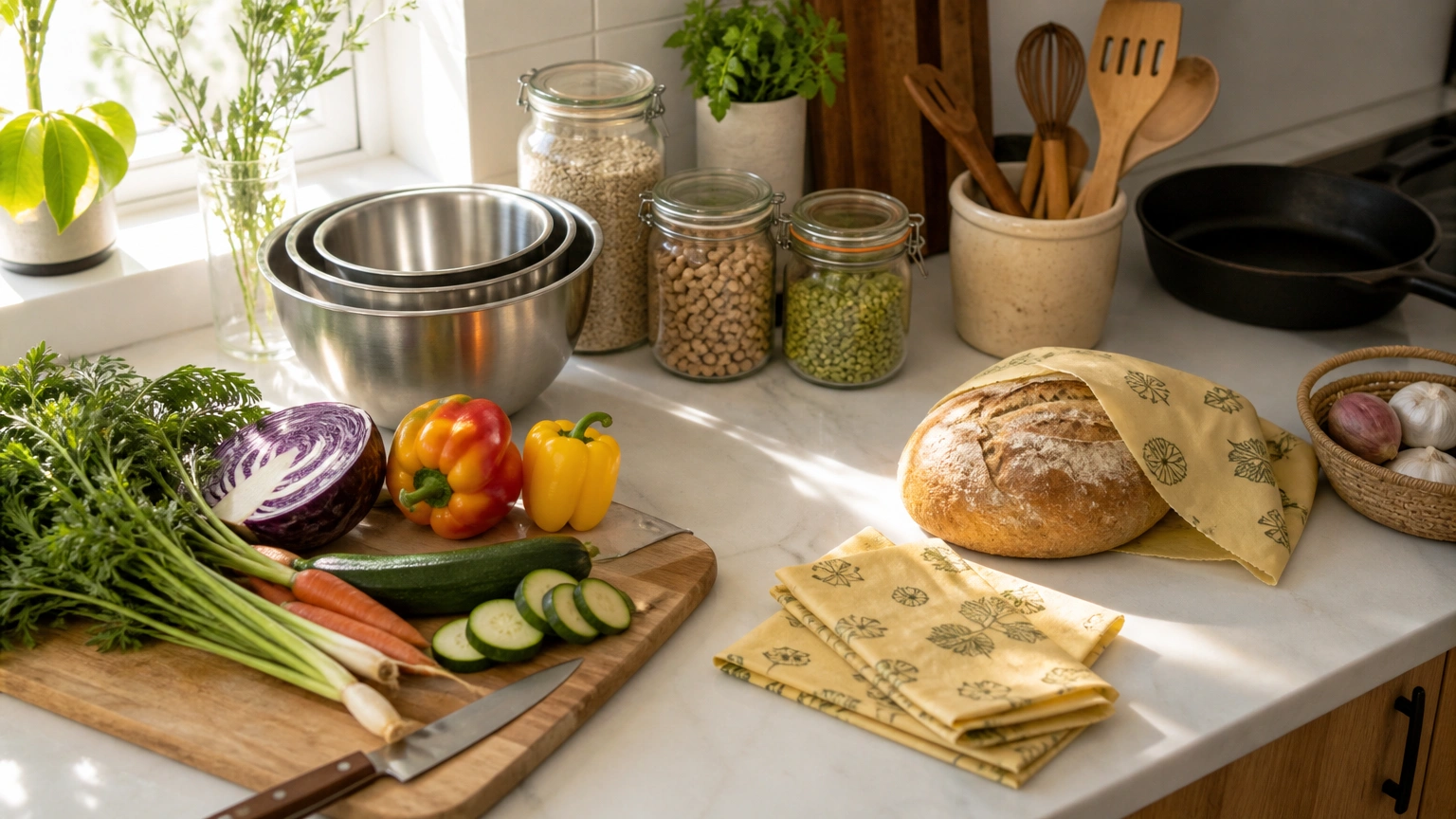
Plastic cling wrap and sandwich bags are single-use plastics that add up quickly over time. Reusable alternatives like beeswax wraps and food-grade silicone lids or bags offer a way to cover bowls, wrap sandwiches, and store snacks without disposable plastic.
Beeswax Wraps
Beeswax wraps are made from cotton cloth coated in beeswax, tree resin, and jojoba oil. They mold to the shape of a bowl or piece of food using the warmth of the hands and can be washed with cool water and mild soap for reuse over many months.
Food-Grade Silicone
While silicone is technically a synthetic material, food-grade silicone is a different category from typical single-use plastic. It is heat resistant, does not contain BPA or phthalates, and is far more durable and reusable than plastic wrap or bags. Reusable silicone bags and stretch lids can replace hundreds of plastic bags and rolls of cling film over their lifespan.
Choosing Between the Two
- Beeswax wraps are ideal for wrapping produce, cheese, or covering bowls, but they are not suitable for raw meat or very hot foods.
- Silicone bags and lids are more versatile for freezing, reheating, and storing liquids.
Many eco-conscious households keep both on hand, using each for the tasks they handle best.
Making the Switch Gradually
Replacing an entire kitchen’s worth of plastic tools all at once can feel overwhelming and is not necessary. A more sustainable approach, both for the planet and the wallet, is to replace items as they wear out rather than tossing usable plastic tools prematurely.
- Start with the tools used most often, like cutting boards and storage containers.
- Prioritize quality over quantity, since well-made tools in wood, glass, or stainless steel can last for decades.
- Repurpose old plastic tools for non-food tasks, like gardening or craft projects, instead of throwing them away immediately.
- Shop secondhand for stainless steel or glass items, which are often available at thrift stores in excellent condition.
Final Thoughts
Switching to plastic-free food preparation tools is a practical, achievable step toward a more sustainable kitchen and lifestyle. Wooden cutting boards, stainless steel utensils, glass storage containers, natural fiber cleaning tools, and reusable wraps each offer a simple way to reduce plastic waste without sacrificing convenience or performance.
These changes do not need to happen overnight. By making thoughtful swaps over time, anyone can build a kitchen that is healthier for both their family and the planet.