Anyone who has spent time watching bees drift between flowers or butterflies settle on a bloom knows there is something quietly magical about a garden full of life. But pollinators are facing real challenges right now.
Habitat loss, pesticide use, and shrinking green spaces have made it harder for bees, butterflies, moths, and other beneficial insects to find the food and shelter they need to survive. The good news is that anyone with a backyard, balcony, or even a few pots on a windowsill can help turn things around.
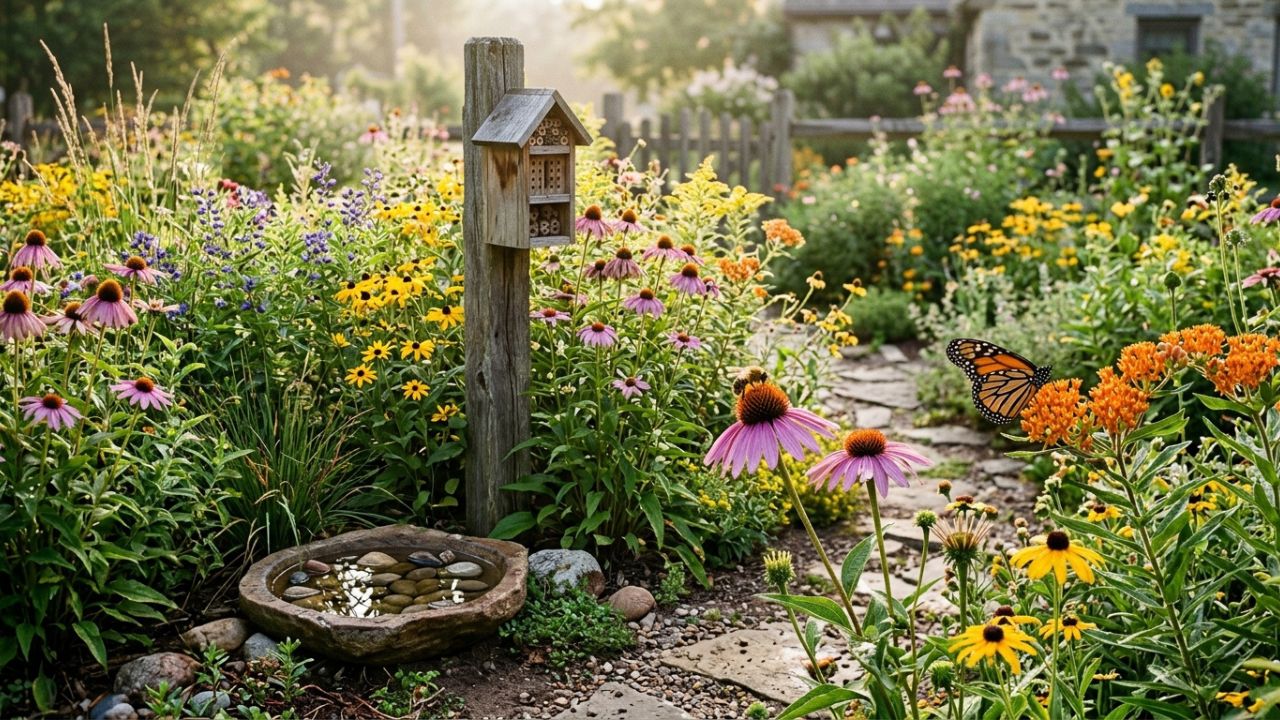
Creating a pollinator-friendly space does not require a total garden overhaul. With a few thoughtful additions, it is possible to build a small sanctuary that supports local wildlife while also making a garden more vibrant and productive. This article looks at five practical, eco-friendly products that can help attract and support pollinators, along with tips on how to use them effectively.
Why Pollinator-Friendly Gardening Matters
Before diving into the products themselves, it helps to understand why this topic deserves attention. Pollinators are responsible for helping roughly one out of every three bites of food humans eat. Bees, butterflies, hoverflies, moths, and even some birds and bats carry pollen from flower to flower, allowing plants to reproduce and produce fruit, seeds, and vegetables.
When pollinator populations decline, the ripple effects reach far beyond the garden. Fewer pollinators can mean smaller harvests, less biodiversity, and weaker ecosystems overall. Home gardeners are in a unique position to help because collectively, small gardens add up to a significant amount of habitat.
A pollinator-friendly garden typically includes:
- A variety of flowering plants that bloom at different times of year
- Sources of clean water
- Shelter for nesting and overwintering
- An absence of harmful pesticides and herbicides
The products below are designed to support these needs in simple, sustainable ways.
1. Native Wildflower Seed Mixes
One of the easiest and most impactful ways to support pollinators is by planting native wildflowers. Native plants have evolved alongside local pollinator species for thousands of years, which means they tend to offer the right nectar, pollen, and bloom timing that local wildlife actually needs.
Why Native Matters
Non-native ornamental flowers can look attractive, but many of them offer little nutritional value to local pollinators. Some hybrid varieties have even been bred in ways that reduce or eliminate pollen and nectar production altogether. Native wildflower mixes, on the other hand, are specifically suited to the climate, soil, and pollinator species of a given region.
Tips for Getting Started
- Choose a seed mix formulated for the specific region or climate zone
- Look for mixes labeled free of neonicotinoid pesticide coatings
- Prepare the soil by removing weeds and grass before sowing
- Sow seeds in fall or early spring depending on the species included
- Water gently and consistently until seedlings are established
A mix of annuals and perennials will offer blooms throughout the growing season, ensuring pollinators have a steady food source rather than a short burst of flowers that fades quickly.
2. Solitary Bee Houses
When people think of bees, honeybees usually come to mind first. However, the majority of bee species are solitary, meaning they do not live in hives or colonies. Instead, they nest alone in hollow stems, wood cavities, or underground burrows. A solitary bee house, sometimes called a bee hotel, offers these important pollinators a safe place to lay their eggs.
What to Look For
Not all bee houses are created equal, and a poorly designed one can actually do more harm than good by harboring mold or parasites. A well-made bee house should have:
- Removable or replaceable nesting tubes for easy cleaning
- A mix of tube diameters to attract different bee species
- A solid back panel to keep out rain and wind
- Untreated, natural materials such as bamboo or drilled wood
Placement Tips
The location of a bee house matters just as much as its design. It should be placed:
- In a spot that receives morning sun
- At least a few feet off the ground
- Sheltered from strong wind and heavy rain
- Near a source of flowering plants
Cleaning or replacing nesting tubes each year helps prevent the buildup of mites and fungal spores, keeping the habitat healthy for future generations of bees.
3. Shallow Water Stations for Pollinators
Water is often overlooked in pollinator gardening, but bees and butterflies need it just as much as they need food. Standard birdbaths are usually too deep and can pose a drowning risk for smaller insects. A shallow water station designed specifically for pollinators solves this problem.
Features of a Good Pollinator Water Station
- A shallow basin, ideally no more than an inch or two deep
- Textured surfaces, stones, or marbles for insects to land on safely
- A material that will not overheat in direct sunlight
- Easy to clean and refill regularly
Simple DIY Alternative
For those who prefer a low-cost approach, a shallow dish filled with pebbles and topped with water works just as well as a manufactured product. The key is ensuring insects have a dry landing surface that keeps their wings out of the water while they drink.
Refreshing the water every few days also helps prevent mosquito breeding, keeping the garden pollinator-friendly without becoming a nuisance.
4. Organic Pest Control Alternatives
Traditional pesticides are one of the biggest threats to pollinator populations. Even products marketed for home use can contain chemicals that are highly toxic to bees and butterflies, sometimes lingering in soil and plant tissue for weeks or months after application. Switching to organic, pollinator-safe pest control methods is one of the most important steps a gardener can take.
Options to Consider
- Insecticidal soap sprays made from natural fatty acids
- Neem oil, used carefully and applied in the evening when pollinators are less active
- Beneficial insects such as ladybugs and lacewings that prey on garden pests
- Physical barriers like row covers for vulnerable young plants
A Quick Comparison
| Method | Best Used For | Pollinator Safety |
|---|---|---|
| Insecticidal soap | Soft-bodied pests like aphids | Safe when dry, avoid direct spray on insects |
| Neem oil | Broad pest and fungal control | Apply at dusk to reduce pollinator contact |
| Beneficial insects | Long-term natural pest balance | Very safe, supports ecosystem balance |
| Row covers | Protecting seedlings | Completely safe, physical barrier only |
| Synthetic pesticides | Fast pest knockdown | Often harmful, best avoided |
Choosing organic alternatives protects not just pollinators but also soil health, nearby waterways, and other beneficial wildlife.
5. Perennial Flowering Shrubs and Plants
While annual wildflowers provide a great short-term boost, perennial shrubs and flowering plants offer long-term structure and reliable food sources year after year. These plants often require less replanting and can become anchor points in a pollinator garden.
Popular Choices
- Lavender, known for its long bloom time and drought tolerance
- Coneflowers, which attract bees and butterflies while adding height
- Milkweed, an essential host plant for monarch butterfly caterpillars
- Flowering currant, an early spring bloomer that supports emerging bees
- Salvia, which offers continuous blooms through summer into fall
Planning for Continuous Bloom
A well-planned pollinator garden should have something blooming from early spring through late fall. Staggering bloom times ensures pollinators always have access to food, even during seasonal transitions when fewer plants are flowering.
- Early spring: flowering currant, crocus, and hellebore
- Late spring to summer: lavender, salvia, and coneflower
- Late summer to fall: asters, goldenrod, and sedum
Grouping plants in clusters rather than scattering single specimens also makes it easier for pollinators to find and forage efficiently, since many species prefer to visit multiple blooms of the same type in a single trip.
Bringing It All Together
Building a pollinator-friendly garden does not have to be complicated or expensive. Starting with even one or two of these products, such as a native wildflower mix and a shallow water station, can make a noticeable difference over a single growing season.
Over time, adding a bee house, switching to organic pest control, and planting a few reliable perennial shrubs will round out a space that supports a wide range of beneficial insects.
It is worth remembering that pollinator gardening is not just about aesthetics. Every flower planted, every pesticide avoided, and every water source added contributes to a larger web of ecological support. Gardens created with intention become small but meaningful habitats, offering food, shelter, and safety to creatures that are essential to the health of the planet.
For anyone interested in living a more sustainable, eco-friendly lifestyle, pollinator gardening is one of the most accessible and rewarding places to start. It connects everyday choices at home to much bigger environmental outcomes, proving that even a small garden can play a meaningful role in protecting biodiversity for years to come.
Final Thoughts
Whether working with a sprawling backyard or a modest balcony, there are options available at every scale to help pollinators thrive.
Thoughtful plant choices, safe water access, natural shelter, and chemical-free pest management all work together to create an environment where bees, butterflies, and other beneficial insects can flourish.
Taking these steps is a simple but powerful way to support the natural world while enjoying a more colorful, lively garden in return.