Water is one of those resources people tend to take for granted until it becomes scarce. For anyone trying to live a more sustainable lifestyle, cutting back on water waste is one of the easiest and most impactful changes to make at home.
The kitchen and bathroom are usually where the most water gets used every single day, from washing dishes to brushing teeth to taking long showers. The good news is that saving water does not require a total lifestyle overhaul. A handful of smart, affordable products can make a noticeable difference without sacrificing comfort or convenience.
This article looks at five water-conserving products that are worth adding to any eco-conscious home. Each one is practical, easy to install, and designed to help reduce water consumption in ways that barely require a second thought once they are in place.
Why Water Conservation Matters at Home
Before diving into the products themselves, it helps to understand why this even matters. Fresh water is a limited resource, and the demand for it keeps growing as populations expand and climates shift. Droughts are becoming more common in many regions, and municipal water systems are under increasing strain. Every drop saved at home adds up, especially when multiplied across millions of households.
There is also a financial incentive. Water bills can be a surprisingly large monthly expense, and reducing usage often means reducing costs too. Add in the energy savings from heating less water, and the case for water-efficient products becomes even stronger.
Households that use water-conserving fixtures typically see:
- Lower monthly water and utility bills
- Reduced strain on local water supplies
- Less energy used to heat water
- A smaller overall environmental footprint
- Longer lifespan for plumbing systems due to reduced wear
With that context in mind, here are five products that can help any household use water more responsibly.
1. Low-Flow Showerheads
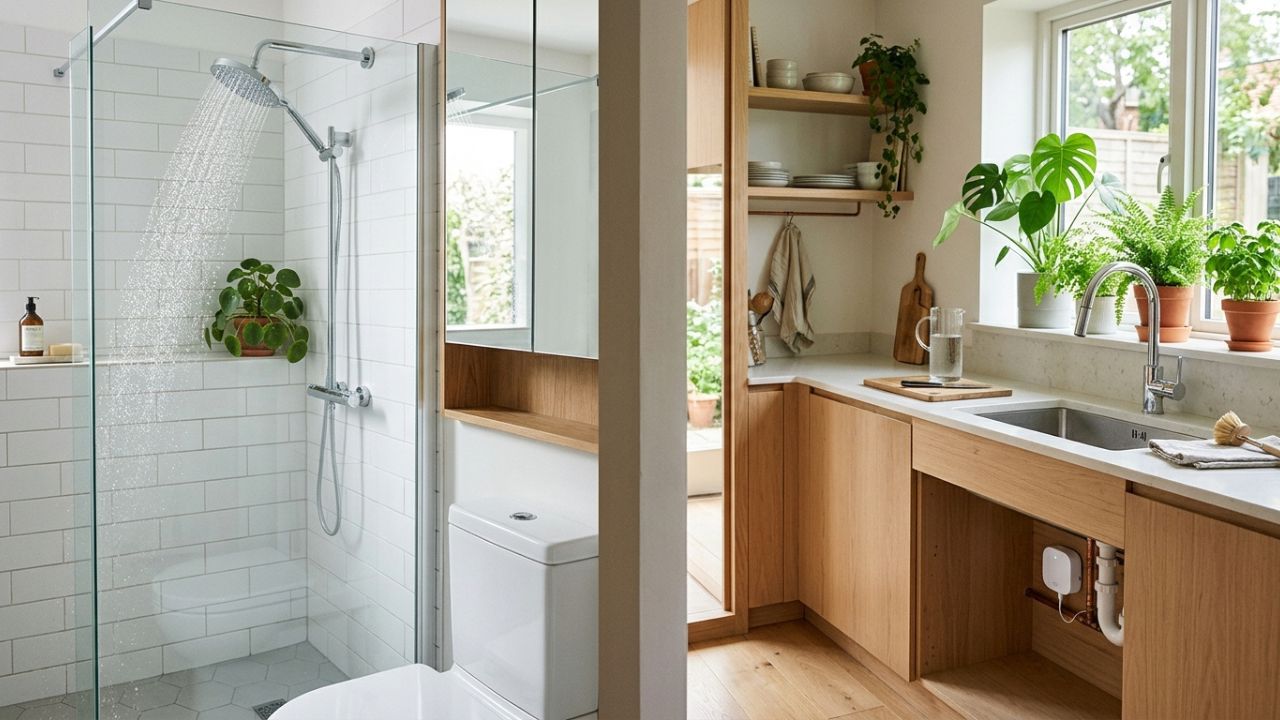
Showers account for a significant chunk of indoor water use, and a standard showerhead can use several gallons per minute without anyone noticing. Low-flow showerheads are designed to reduce that flow rate while still delivering a satisfying shower experience.
How They Work
Low-flow showerheads use aerating or laminar-flow technology to mix air into the water stream. This creates the sensation of strong water pressure while actually using less water overall. Many modern versions are engineered so well that users often cannot tell the difference between a standard showerhead and a low-flow one.
What to Look For
- A flow rate at or below the recommended efficiency standard for the region
- Adjustable spray settings for different preferences
- Easy-to-clean nozzles that resist mineral buildup
- A simple screw-on installation that does not require a plumber
Swapping out a showerhead is one of the fastest upgrades a household can make, often taking less than ten minutes with basic tools.
2. Faucet Aerators
Faucet aerators are small, inexpensive attachments that fit onto the tip of a kitchen or bathroom faucet. They work in a similar way to low-flow showerheads by introducing air into the water stream, which reduces the amount of water used per minute without reducing perceived pressure.
Where They Make the Biggest Impact
- Bathroom sinks used for brushing teeth and washing hands
- Kitchen faucets used for rinsing dishes and produce
- Utility sinks in laundry rooms or garages
Benefits Beyond Water Savings
Aerators also reduce splashing, which keeps countertops and floors drier and cuts down on cleanup time. Because they are so cheap and easy to install, they are often considered one of the best entry points for someone just starting to make their home more water-efficient.
3. Dual-Flush Toilets
Toilets are typically the single largest source of indoor water use in most homes. Older toilet models can use several gallons per flush, while dual-flush toilets give users the option to choose a lower volume flush for liquid waste and a higher volume flush for solid waste.
How Dual-Flush Systems Work
These toilets usually have two buttons or a split handle. Pressing the smaller button uses significantly less water than pressing the larger one. Over time, this flexibility adds up to substantial savings, especially in households with multiple bathrooms.
Retrofitting vs. Replacing
Not everyone needs to replace an entire toilet to get these benefits. There are dual-flush conversion kits available that can be installed into many existing toilet tanks. This is a more budget-friendly option for renters or anyone not ready to commit to a full bathroom renovation.
| Option | Water Savings Potential | Installation Difficulty | Best For |
|---|---|---|---|
| Full dual-flush toilet replacement | High | Moderate to difficult | Homeowners doing a renovation |
| Dual-flush conversion kit | Moderate | Easy | Renters or budget-conscious households |
| Low-flow single flush toilet | Moderate | Moderate | Households not ready for dual-flush systems |
4. Water-Efficient Dishwashers
Many people assume that washing dishes by hand is automatically more water-efficient than using a dishwasher, but that is not always true. Older dishwashers can be surprisingly wasteful, while newer, water-efficient models are specifically designed to use minimal water per cycle without sacrificing cleaning power.
What Makes a Dishwasher Water-Efficient
- Sensor technology that adjusts water use based on how dirty the dishes are
- Optimized spray arms that clean more thoroughly with less water
- Shorter, more efficient wash cycles
- Certification labels indicating the appliance meets recognized efficiency standards
Tips for Maximizing Efficiency
Even the most efficient dishwasher will not save much water if it is not used properly. Running only full loads, scraping food scraps instead of rinsing plates under the tap, and using the appropriate cycle length for the load all help maximize the water-saving potential of the appliance.
5. Smart Water Monitors and Leak Detectors
Sometimes the biggest water waste comes from problems people cannot even see, like a slow leak behind a wall or a running toilet that goes unnoticed for weeks. Smart water monitors are devices that track water usage in real time and alert homeowners to unusual patterns that might indicate a leak.
How Smart Monitors Help Conserve Water
These devices typically attach to the main water line or individual fixtures and connect to a smartphone app. They can:
- Send alerts when water usage spikes unexpectedly
- Detect small leaks before they become expensive problems
- Track daily, weekly, and monthly water use trends
- Help identify which appliances or fixtures use the most water
Why This Matters for Sustainability
Undetected leaks can waste enormous amounts of water over time, and many homeowners never realize it is happening until they see a shockingly high water bill. Smart monitors turn water use into visible, trackable data, which makes it much easier to spot problems early and adjust habits accordingly.
Building Better Water Habits Alongside These Products
Products alone will only go so far without a few supporting habits. Pairing these upgrades with mindful daily routines amplifies their impact significantly.
Simple Habits Worth Adopting
- Turning off the tap while brushing teeth or scrubbing dishes
- Running the dishwasher and washing machine only with full loads
- Fixing leaky faucets and running toilets as soon as they are noticed
- Collecting cold water that runs while waiting for hot water and using it for plants
- Taking shorter showers, even with a low-flow showerhead installed
Making It a Household Effort
Getting everyone in the home on board makes a real difference. Kids and roommates alike can be part of the process, whether that means learning to turn off the faucet while soaping up hands or understanding why the dual-flush button matters. Small shifts in behavior, multiplied across every member of a household, can meaningfully reduce total water use.
The Bigger Picture
Choosing water-conserving products for the kitchen and bathroom is a practical, achievable way to reduce environmental impact without requiring drastic lifestyle changes. These upgrades are not about sacrifice. They are about using smarter technology to get the same results, or better, with less water.
For anyone just starting their sustainability journey, this is a great place to begin. Unlike some eco-friendly changes that require a big upfront investment or major lifestyle adjustment, most of the products discussed here are affordable, widely available, and simple to install. A showerhead swap or a faucet aerator upgrade can be done in an afternoon, while a smart water monitor can start providing useful insights within days of installation.
Over time, these small changes add up to real savings, both for the household budget and for the planet. Water conservation is not a trend. It is a long-term responsibility, and every home that adopts these kinds of products is contributing to a more sustainable future for everyone.
Final Thoughts
Living sustainably does not mean giving up comfort or convenience. It means making thoughtful choices about the products used every day, starting with something as fundamental as water. Low-flow showerheads, faucet aerators, dual-flush toilets, water-efficient dishwashers, and smart water monitors each offer a straightforward way to cut back on water waste in the kitchen and bathroom.
Anyone looking to reduce their environmental footprint can start small, choosing just one or two of these products to begin with, and build from there. Over time, these choices become second nature, and the impact on both the household budget and the environment becomes clear.