Plastic wrap has been a kitchen staple for decades, but more people are starting to question what it’s really costing the planet. Every roll of cling film eventually ends up in a landfill, where it can take hundreds of years to break down.
For anyone trying to live a little lighter on the earth, swapping out plastic wrap is often one of the easiest first steps. It’s a small change that happens in the kitchen every single day, which makes it a great place to start building better habits.
Beeswax wraps and plant-based alternatives have become popular replacements, and for good reason. They’re reusable, they’re biodegradable, and many of them can be made or repaired at home. This article walks through six of the most practical options available today, how they work, and how to choose the right one for a particular household.
Why Ditch Plastic Wrap in the First Place
Before diving into the alternatives, it helps to understand why so many households are making the switch. Plastic wrap is typically made from polyvinylidene chloride or low-density polyethylene, both of which are petroleum-based products. These materials are not biodegradable, and most curbside recycling programs won’t accept them because they’re too thin and flimsy to process.
- Plastic wrap is single-use, meaning it’s tossed after just one or two uses
- It’s made from fossil fuels, contributing to carbon emissions during production
- It can shed microplastics, especially when exposed to heat
- It contributes to landfill waste that lingers for centuries
Reusable wraps solve most of these problems at once. They can be washed and used again and again, often for a year or more, before they need to be composted or replaced.
1. Beeswax Wraps
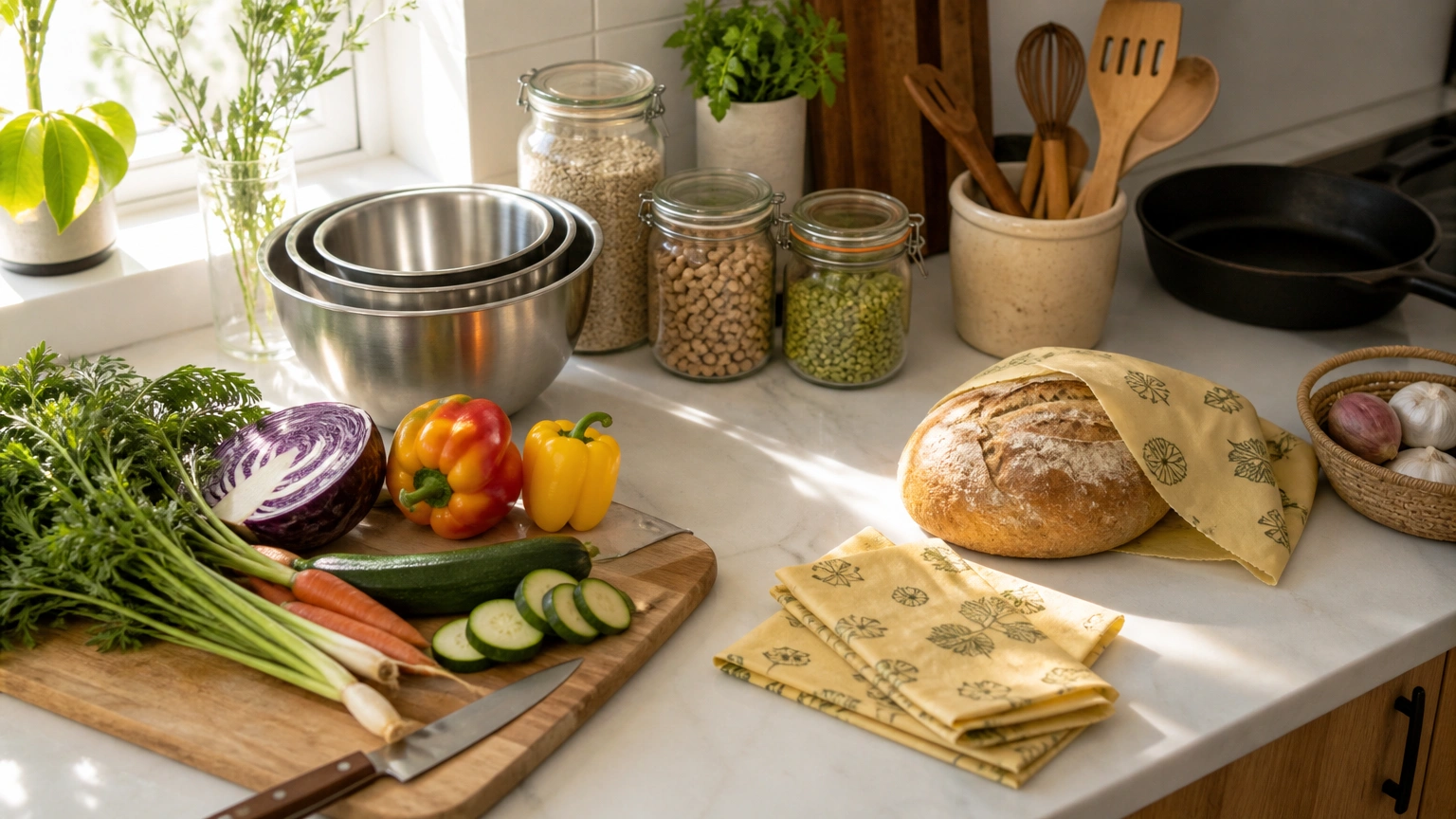
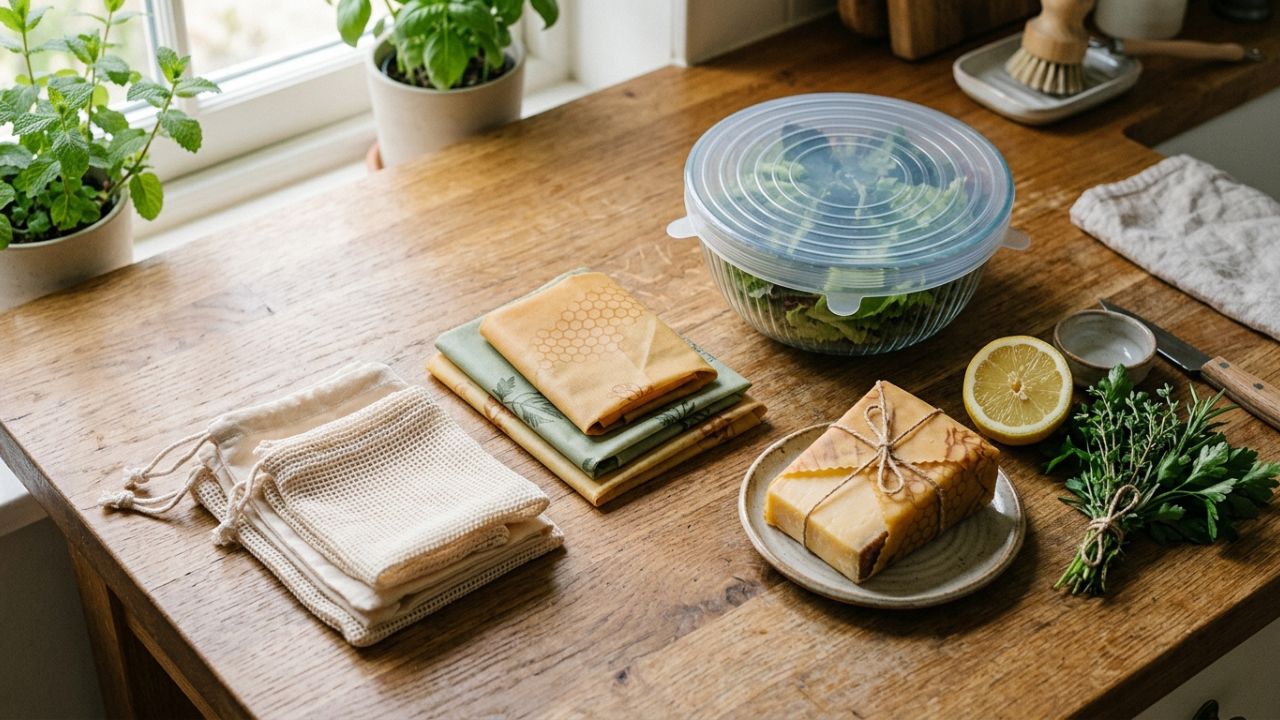
Beeswax wraps are probably the most well known alternative, and they’ve earned their popularity honestly. These wraps are made by infusing cotton fabric with a blend of beeswax, tree resin, and sometimes jojoba or coconut oil. The result is a fabric that becomes slightly tacky and moldable, similar to how plastic wrap clings but without the plastic.
How They Work
The warmth of a person’s hands is enough to soften the wax coating, allowing the fabric to be molded around a bowl, a cut piece of fruit, or a wedge of cheese. As the wrap cools, it holds its shape and creates a breathable seal.
- They work well for wrapping bread, cheese, and vegetables
- They can cover bowls and jars in place of a lid
- They should not be used with raw meat or in the microwave
- A quick rinse with cool water and mild soap keeps them clean
With proper care, a single beeswax wrap can last close to a year. Once it starts to lose its stickiness, it can often be refreshed with a bit more melted wax, or composted if it’s reached the end of its life.
2. Vegan Wax Wraps
For households that avoid animal products, vegan wax wraps offer a similar experience without the beeswax. These wraps typically use candelilla wax, soy wax, or plant-based resins instead. The fabric base is usually organic cotton, and the coating process is nearly identical to traditional beeswax wraps.
What Makes Them Different
- Candelilla wax comes from a desert shrub native to Mexico and the southwestern United States
- Soy wax is derived from soybean oil and tends to be softer
- They perform almost identically to beeswax wraps in terms of stickiness and moldability
- They’re a good fit for vegan households or anyone concerned about bee populations
The main tradeoff is that vegan wax wraps can sometimes feel slightly less tacky than beeswax versions, so they may need a touch more warming with the hands before they hold a shape.
3. Silicone Food Covers
Silicone covers aren’t technically plant-based, but they’re often grouped into this conversation because they’re reusable, long-lasting, and free of the fossil-fuel plastics found in cling film. These stretchy, dome-shaped or flat covers snap over bowls, cups, and cut produce.
- They can go in the dishwasher, freezer, and microwave
- They create an airtight seal without any wax or fabric
- They come in multiple sizes to fit different containers
- They can last for many years with basic care
Food-grade silicone is considered a safer option than plastic because it doesn’t leach chemicals at normal cooking temperatures. It’s not compostable, but its long lifespan means far less waste is generated over time compared to constantly replacing plastic wrap.
4. Beeswax and Fabric Bowl Covers with Elastic
A close cousin to the classic wrap, elastic-edged bowl covers are made from the same wax-coated fabric but are pre-cut into circles or squares with a stitched elastic band around the edge. This makes them incredibly simple to use, since there’s no folding or molding required.
Best Uses
- Covering leftovers in mixing bowls or casserole dishes
- Sealing the tops of mason jars for pantry storage
- Protecting rising bread dough while it proofs
- Keeping cut watermelon or melon fresh in the fridge
These covers are especially popular with people who find the moldable style of a flat wrap a little fiddly. The elastic band grips the container automatically, so there’s less handling involved.
5. Cotton and Linen Produce Bags
While not technically a wrap, reusable cotton or linen produce bags fill a similar role for storing fruits and vegetables, and they’re worth including because so many kitchens use plastic wrap for exactly this purpose. These bags are breathable, which actually helps produce last longer than it would sealed tightly in plastic.
- Great for storing leafy greens, herbs, and root vegetables
- Can be tossed in the wash when they need a refresh
- Some are designed with a drawstring to keep contents secure
- Breathable fabric helps reduce moisture buildup that causes spoilage
Many people keep a small collection of these bags for grocery shopping as well as home storage, making them a two-in-one swap.
6. Compostable Parchment and Wax Paper
For situations where a wrap needs to be tossed after use, such as wrapping a sandwich for a lunchbox or lining a baking tray, unbleached parchment paper or plant-based wax paper offers a compostable alternative to plastic wrap or foil. These are made from cellulose fibers and coated with a thin layer of plant wax or silicone that’s certified compostable.
- Ideal for on-the-go lunches and snacks
- Works well as a liner for baking sheets
- Breaks down in a home compost bin within a few months
- Free of the PFAS chemicals found in some conventional parchment papers
While these aren’t reusable in the same way as wax wraps, they still avoid the long-term landfill impact of plastic wrap and aluminum foil.
Comparing the Six Alternatives
| Alternative | Reusable | Compostable | Best For |
|---|---|---|---|
| Beeswax Wraps | Yes | Yes | Fruit, veggies, cheese, bowls |
| Vegan Wax Wraps | Yes | Yes | Same as beeswax, for vegan households |
| Silicone Covers | Yes | No | Bowls, cups, freezer storage |
| Elastic Bowl Covers | Yes | Yes | Leftovers, jars, dough |
| Cotton Produce Bags | Yes | Yes | Fresh produce storage |
| Compostable Parchment | No | Yes | Lunches, baking, single-use needs |
How to Care for Wax Wraps
Getting the most life out of a beeswax or vegan wax wrap comes down to a few simple habits.
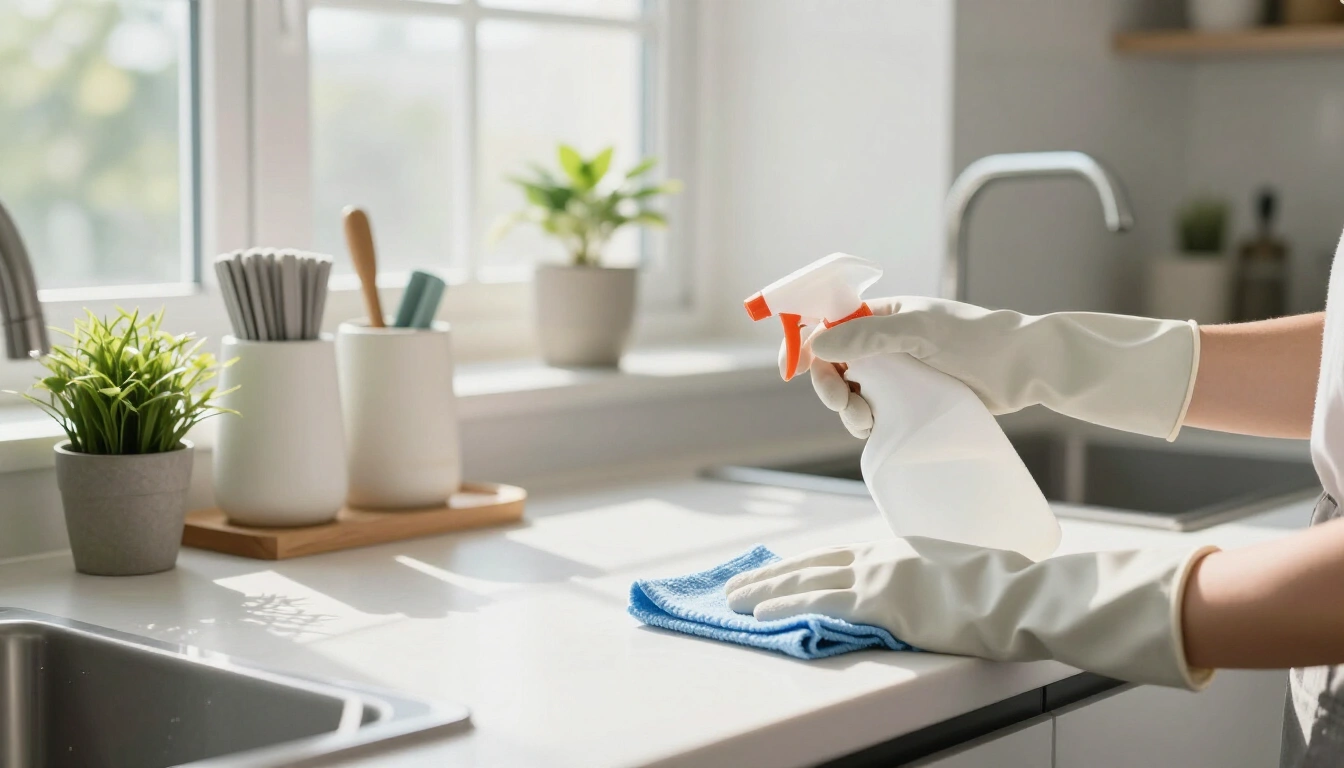
- Wash with cool or lukewarm water, since hot water melts the wax coating
- Use a mild dish soap and a soft cloth or sponge
- Let wraps air dry fully before folding or storing
- Store flat or loosely folded in a drawer away from direct heat
- Avoid using them with raw meat, fish, or anything very hot
When a wrap eventually loses its stickiness and no longer holds a seal, it has likely reached the end of its usable life. At that point, it can be cut into small pieces and added to a home compost pile, since the cotton and wax will naturally break down over time.
Making the Switch Gradually
Switching an entire kitchen away from plastic wrap overnight can feel overwhelming, and it isn’t necessary. A more realistic approach is to replace plastic wrap as it runs out, starting with just one or two wraps and building a small collection over a few months. Many households find that a set of three to five wraps in different sizes, paired with a couple of silicone covers for bowls, covers almost everything a roll of plastic wrap used to handle.
- Start with a small starter pack instead of buying in bulk right away
- Keep a couple of silicone covers on hand for larger bowls and pots
- Use cotton produce bags for the next grocery trip
- Save parchment paper for lunches and baking rather than everyday storage
Over time, these small swaps add up. A household that once went through several rolls of plastic wrap a month can often cut that number down to zero, replacing it with a handful of washable, long-lasting tools that do the same job without the waste.
Final Thoughts
Moving away from plastic wrap doesn’t require a dramatic lifestyle overhaul. It just takes a willingness to try a few new tools in the kitchen and a bit of patience while building new habits.
Beeswax wraps, vegan wax wraps, silicone covers, elastic bowl covers, cotton produce bags, and compostable parchment paper each offer a practical way to store food without relying on single-use plastic.
Trying a few of these alternatives can be a simple, low-pressure way to make everyday routines a little more sustainable, one wrapped sandwich or covered bowl at a time.