Living in an apartment does not mean giving up on sustainable habits. Many people assume composting requires a backyard, a big bin, and plenty of outdoor space, but that simply is not true anymore.
Today there are compact, odor controlled, and even countertop friendly composting products designed specifically for small spaces. Whether someone lives in a studio apartment or a shared flat with limited storage, there is a composting solution that fits their lifestyle.
This article explores six indoor composting products that make it easier for apartment dwellers to reduce food waste, lower their environmental footprint, and turn kitchen scraps into something useful. It also covers what to look for when choosing a composting system and how to keep the process simple and mess free.
Why Composting Matters for Apartment Dwellers
Food waste is one of the biggest contributors to landfill methane emissions. When organic waste breaks down in a landfill without oxygen, it produces methane, a greenhouse gas that is far more potent than carbon dioxide in the short term. Composting redirects that organic matter into a process that creates nutrient rich soil instead of harmful emissions.
Apartment residents often feel like they cannot make a meaningful impact because they lack outdoor space, but indoor composting closes that gap. It allows people to:
- Reduce the amount of trash sent to landfills
- Create nutrient dense compost for houseplants, balcony gardens, or community garden donations
- Lower household odor from rotting food sitting in the trash
- Feel more connected to a sustainable, low waste lifestyle
The good news is that modern composting products are built with small spaces in mind. Many are compact, quiet, and designed to blend into a kitchen without drawing attention.
What to Look for in an Indoor Composting Product
Before diving into specific products, it helps to understand the features that matter most for apartment living.
Size and Footprint
Counter space and floor space are often limited in apartments, so a composting product should fit comfortably without becoming an obstacle. Compact countertop bins or under sink models tend to work best.
Odor Control
This is often the top concern for apartment dwellers, especially those living close to neighbors or without a lot of ventilation. Products with sealed lids, charcoal filters, or built in odor neutralizing technology make the process far more pleasant.
Noise Level
Electric composters that grind and dehydrate food waste can be noisy. Anyone living in a shared wall building may want to check noise ratings or reviews before purchasing.
Maintenance Effort
Some systems require regular turning, monitoring moisture levels, and adding carbon rich materials like shredded paper. Others are more hands off. Knowing how much time someone wants to invest is important before choosing a product.
End Result
Not all composting products produce the same output. Some create traditional compost ready for soil, while others produce a dried, nutrient rich material that still needs to finish breaking down before it can be used in gardening.
1. Countertop Bokashi Composting Kits
Bokashi composting uses fermentation rather than traditional decomposition, which makes it one of the most apartment friendly methods available. This system uses an airtight bucket and a special bran inoculated with beneficial microbes. Food scraps, including meat and dairy, are layered with the bran and left to ferment.
Why it works well for apartments:
- Airtight design prevents strong odors
- Compact bucket fits under a sink or in a small pantry
- Can handle a wider variety of food waste than traditional composting
- Produces a liquid byproduct that can be diluted and used as a plant fertilizer
The fermented material still needs to be buried in soil or added to an outdoor compost pile to fully break down, so this method works best for those with access to a garden, a balcony planter, or a local compost drop off location.
2. Electric Kitchen Composters
Electric composters have become increasingly popular for apartment living because they speed up the process dramatically. These countertop appliances grind, heat, and dry food scraps, turning them into a soil like material in a matter of hours rather than weeks.
Why it works well for apartments:
- Fast processing time, often same day
- Reduces food waste volume significantly, which means less frequent emptying
- Many models include carbon filters to control odor
- No need for outdoor space or worms
The tradeoff is that the output is not technically finished compost. It usually needs to be mixed into soil and given time to fully mature before it can support plant growth. Even so, this method is one of the most convenient options for people with busy schedules.
3. Worm Composting Bins (Vermicomposting)
Worm bins might sound intimidating at first, but they are one of the most efficient and low odor composting methods available for indoor use. Red wiggler worms break down food scraps into nutrient rich worm castings, which are considered one of the best natural fertilizers available.
Why it works well for apartments:
- Compact stackable bins fit in closets, under sinks, or in laundry rooms
- Very low odor when properly maintained
- Worms are quiet and require minimal daily attention
- Produces high quality compost for houseplants
Vermicomposting does require a bit of a learning curve, including balancing moisture levels and feeding the worms appropriately, but many stackable bin systems are designed to make the process beginner friendly.
4. Sealed Compost Caddies with Charcoal Filters
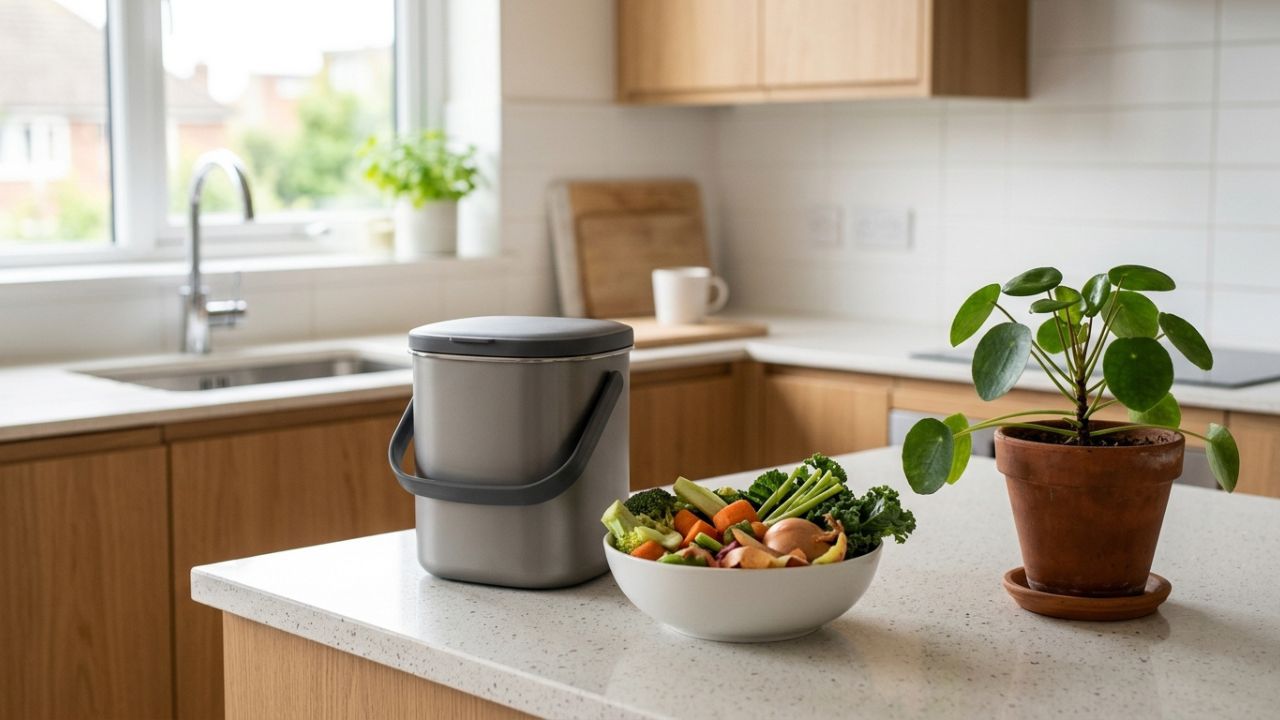
For those who are not ready to commit to a full composting system but still want to reduce food waste, sealed compost caddies are a simple starting point. These small bins sit on the counter and store food scraps temporarily before they are taken to a community compost drop off site or municipal collection program.
Why it works well for apartments:
- Small and lightweight
- Charcoal filters absorb odor effectively
- Affordable entry point into composting
- No maintenance beyond regular emptying
This option works particularly well for people who live in cities with curbside compost pickup or nearby community garden drop off points.
5. Automated Compost Tumbler Alternatives for Balconies
For apartment dwellers lucky enough to have a small balcony or patio, compact tumbler style composters offer a middle ground between indoor and outdoor composting. These enclosed, rotating bins speed up decomposition through aeration while keeping pests out.
Why it works well for apartments:
- Enclosed design keeps rodents and insects away
- Tumbling motion speeds up the composting process
- Sized appropriately for balconies rather than large yards
- Reduces the need to store scraps indoors for long periods
While not a fully indoor solution, this option pairs well with an indoor collection caddy, making it a practical hybrid system for those with limited outdoor access.
Comparing the Options
| Product Type | Odor Control | Maintenance Level | Space Needed | Best For |
|---|---|---|---|---|
| Bokashi Kit | High | Low | Small | Handling meat and dairy scraps |
| Electric Composter | High | Very Low | Small to Medium | Fast results with minimal effort |
| Worm Bin | Medium to High | Medium | Small | Producing high quality compost |
| Sealed Caddy | Medium | Very Low | Very Small | Temporary storage before drop off |
| Balcony Tumbler | High | Low to Medium | Medium | Apartments with outdoor space |
6. Community Compost Collection Bags and Subscription Services
Not every apartment resident wants to manage the composting process themselves, and that is completely reasonable. A growing number of cities and private services now offer compost collection subscriptions. Residents simply store scraps in a provided bin or compostable bag, then leave them out for pickup on a set schedule.
Why it works well for apartments:
- Requires the least amount of effort of any option
- No need to manage moisture, odor, or maintenance
- Scraps are composted at a larger facility, often producing higher quality soil
- Great option for renters who cannot install permanent composting equipment
This approach removes almost every barrier to composting, making it ideal for people with demanding schedules or very limited space.
Tips for Successful Indoor Composting
Regardless of which method someone chooses, a few simple habits can make the process smoother and more effective.
- Keep a small designated container in the kitchen for daily scraps before transferring them to the main system
- Avoid adding oily, greasy, or heavily processed foods unless the system specifically allows it
- Balance wet food scraps with dry carbon materials like shredded paper, cardboard, or dried leaves when applicable
- Check moisture levels regularly, since compost that is too wet can develop odor issues
- Research local rules if using community compost drop off locations, since accepted materials can vary
Choosing the Right Fit
The best composting product is the one that matches a person’s lifestyle, available space, and comfort level with hands on maintenance. Someone who wants a fast, hands off process may prefer an electric composter, while someone interested in gardening might enjoy the rewarding process of vermicomposting.
Renters looking for the simplest possible option may find that a subscription pickup service or a sealed caddy paired with a community drop off point suits them best.
What matters most is getting started. Even small changes, like diverting food scraps away from the trash a few times a week, add up over time and contribute to a more sustainable household. Apartment living does not have to be a barrier to eco-friendly habits, and with the right composting product, anyone can turn everyday kitchen waste into a meaningful part of a greener lifestyle.
Final Thoughts
Indoor composting has come a long way, and apartment dwellers now have more options than ever before. From fermentation based Bokashi systems to fast acting electric composters and low maintenance subscription services, there is a solution for nearly every space, budget, and schedule.
By choosing the right product and building a simple routine, anyone can reduce food waste, support healthier soil, and take a meaningful step toward sustainable living, no backyard required.