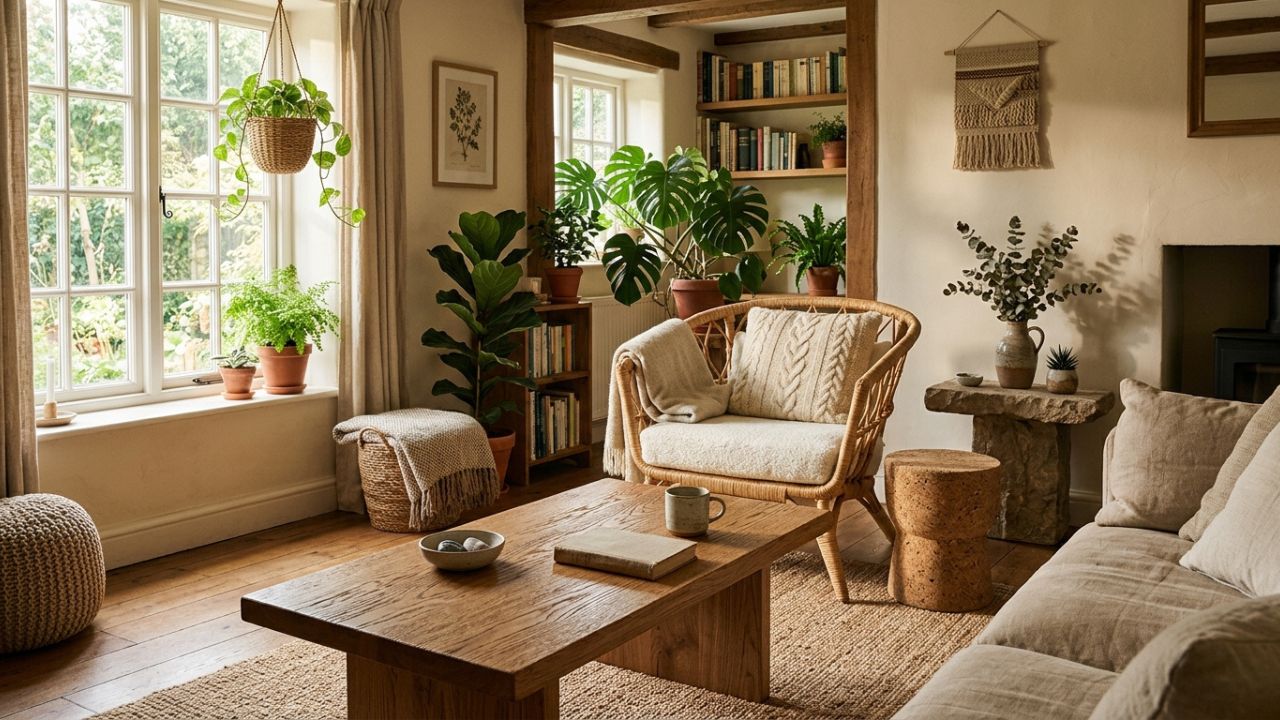
Anyone who has spent time trying to live a little greener knows that sustainability does not stop at the kitchen or the recycling bin. It follows you into the living room, the bedroom, and every corner of the home where furniture quietly shapes daily life.
For people who care about their environmental footprint, furniture is one of the most overlooked areas where real change can happen. Choosing pieces made from natural materials instead of synthetic, mass-produced alternatives is a small decision that carries a surprisingly large impact.
Natural-material furniture is not just a passing trend among eco-conscious homeowners. It reflects a return to craftsmanship, durability, and a healthier indoor environment. Wood, bamboo, rattan, wool, cork, and stone have been used in furniture making for centuries, long before plastics and synthetic foams took over factory floors.
Rediscovering these materials means embracing furniture that ages gracefully, biodegrades responsibly, and often supports smaller artisans and sustainable supply chains.
This article explores six natural-material furniture pieces worth discovering for anyone building a more sustainable home. Each one brings something unique to the table, both functionally and environmentally.
Why Natural Materials Matter in Furniture
Before diving into specific pieces, it helps to understand why natural materials deserve a second look. Conventional furniture is often built with particleboard, synthetic foam, and chemical adhesives that release volatile organic compounds into the air long after the piece leaves the factory.
These materials also tend to have short lifespans, ending up in landfills within a few years.
Natural materials offer a different story. They are typically:
- Biodegradable or compostable at the end of their life
- Renewable when sourced responsibly, such as through certified forestry
- Free from many of the harsh chemical treatments used in synthetic furniture
- Durable enough to last for decades with proper care
- Often produced using traditional techniques that support local economies
Choosing furniture built from these materials is one practical way to reduce household waste and improve indoor air quality at the same time.
1. Solid Wood Furniture
Solid wood remains the gold standard for sustainable furniture, and for good reason. Unlike engineered wood products that rely on glues and resins, solid wood pieces are cut directly from the tree and shaped into their final form. This makes them incredibly durable, often lasting generations when properly maintained.
Oak, walnut, teak, and maple are popular choices, each offering distinct grain patterns and strength levels. Teak in particular is prized for outdoor furniture because of its natural resistance to moisture and pests, meaning it requires far fewer chemical treatments than synthetic alternatives.
What to Look For
When shopping for solid wood furniture, sustainability depends heavily on sourcing. Look for pieces certified by responsible forestry organizations, which confirm the wood was harvested in a way that allows forests to regenerate. Reclaimed wood is another excellent option, giving old barns, warehouses, and shipping pallets a second life as tables, shelves, or bed frames.
Solid wood furniture also tends to be repairable. Scratches can be sanded out, joints can be tightened, and finishes can be reapplied, extending the life of the piece far beyond what most manufactured furniture can offer.
2. Bamboo Furniture
Bamboo has earned a strong reputation in sustainable design circles, and for someone new to eco-friendly living, it is one of the easiest materials to understand. Bamboo is technically a grass, not a tree, which means it grows remarkably fast. Some species can reach full maturity in as little as three to five years, compared to the decades it takes many hardwood trees to mature.
This rapid growth cycle makes bamboo a highly renewable resource. It also requires minimal water and no pesticides to thrive, which reduces the environmental burden of cultivation.
Where Bamboo Shines
Bamboo furniture works particularly well for:
- Chairs and stools, thanks to its natural strength and flexibility
- Shelving units, where its lightweight nature makes assembly easier
- Room dividers and screens, which take advantage of bamboo’s natural texture
- Outdoor furniture, since many bamboo treatments make it water resistant
One thing to keep in mind is that not all bamboo furniture is created equal. Some manufacturers press bamboo fibers together with synthetic resins to create bamboo composite products, which reduces the material’s eco-friendly appeal. Solid bamboo poles or woven bamboo strips are generally the more sustainable choice.
3. Rattan and Wicker Pieces
Rattan is a climbing palm that grows abundantly in tropical regions, and it has been used for centuries to create lightweight, breathable furniture. Wicker, often confused with rattan, actually refers to the weaving technique rather than the material itself, though rattan is commonly used in traditional wicker furniture.
Rattan furniture brings a warm, organic texture to any room, and its flexibility makes it ideal for curved or intricately woven designs that would be difficult to achieve with rigid materials like wood.
Sustainability Considerations
Rattan grows quickly and does not require the same land-intensive farming as many timber species. Harvesting rattan can also provide income for rural communities in Southeast Asia and parts of Africa, where much of the world’s rattan is sourced. However, buyers should be cautious of furniture that combines rattan with synthetic resin coatings, which can undermine its biodegradability.
For those living in humid or coastal climates, rattan furniture is a particularly good fit since it naturally resists warping better than some woods, though it should still be kept away from direct sun exposure to prevent brittleness over time.
4. Wool and Natural Fiber Upholstery
Furniture is not just about frames and structure. Upholstery plays a major role in comfort, and it is often where the most synthetic materials hide. Polyester fills, foam cushions, and synthetic fabric blends are common in mass-produced sofas and chairs, and many of these materials shed microplastics over time.
Wool offers a natural alternative that has been used in textiles for thousands of years. It is renewable, biodegradable, and naturally resistant to dust mites and mold due to its moisture-wicking properties. Other natural fiber options include organic cotton, linen, hemp, and jute, each bringing its own texture and durability to furniture design.
Comparing Natural Upholstery Fibers
| Fiber | Durability | Breathability | Best Used For |
|---|---|---|---|
| Wool | High | Excellent | Sofas, armchairs, cushions |
| Linen | Moderate | Excellent | Curtains, light upholstery |
| Hemp | Very High | Good | Heavy-use furniture, outdoor cushions |
| Organic Cotton | Moderate | Good | Slipcovers, throw pillows |
| Jute | High | Moderate | Rugs, ottomans, accent pieces |
Choosing furniture upholstered in these materials not only reduces exposure to synthetic chemicals but also supports a healthier indoor environment, particularly for households with allergy concerns.
5. Cork Furniture and Accents
Cork is one of the more surprising materials making its way into sustainable furniture design, though it has actually been used in home goods for a very long time. Harvested from the bark of cork oak trees, the material regenerates naturally, meaning the tree is never cut down during the harvesting process.
A single cork oak can be harvested repeatedly over its lifetime, which can span more than two centuries.
Cork’s natural properties make it surprisingly versatile for furniture. It is lightweight, water resistant, naturally insulating, and has a soft cushioning quality that makes it comfortable underfoot or as a seat surface.
Popular Uses for Cork in the Home
- Cork stools and side tables, which offer a soft, warm alternative to metal or hard plastic
- Cork flooring transitions into furniture design, such as cork-topped benches
- Decorative wall panels that double as sound insulation
- Small storage boxes and organizers
Because cork bark regrows after each harvest, choosing cork furniture supports forest ecosystems rather than depleting them. Cork oak forests are also known to support significant biodiversity, making the material’s harvest beneficial for wildlife habitats as well.
6. Stone and Clay Furniture Elements
While wood and woven materials tend to dominate conversations about natural furniture, stone and clay deserve recognition too. These materials have been used to build functional home pieces for thousands of years, from stone benches to clay-based tabletops.
Stone furniture, whether it is a marble side table, a granite countertop, or a slate coffee table, brings a sense of permanence to a space. Unlike synthetic composite countertops, natural stone does not off-gas chemicals and can be sourced locally in many regions, reducing transportation emissions.
Clay and terracotta, meanwhile, are increasingly used for smaller furniture accents such as stools, planters integrated into furniture design, and decorative bases for tables. These materials are fully biodegradable and often produced using minimal processing.
Things to Consider Before Choosing Stone or Clay
- Weight can make these pieces harder to move or rearrange
- Sourcing locally quarried stone reduces the environmental cost of transportation
- Clay pieces may be more fragile and require careful placement
- Sealants used on stone should ideally be natural or low-VOC options
For anyone drawn to a more grounded, earthy aesthetic, stone and clay furniture pieces offer a striking way to bring natural materials into a space without relying solely on wood or plant fibers.
Caring for Natural-Material Furniture
Investing in natural-material furniture is only half the equation. Proper care extends the life of these pieces significantly, which is ultimately what makes them more sustainable than disposable alternatives. A few general care tips apply across most natural materials:
- Keep wood and bamboo furniture away from prolonged direct sunlight to prevent fading and cracking
- Use natural oils, such as linseed or tung oil, to condition wood surfaces periodically
- Avoid harsh chemical cleaners on rattan and wicker, opting instead for a damp cloth and mild soap
- Rotate and air out wool and natural fiber cushions to prevent moisture buildup
- Reseal cork and stone surfaces as needed to maintain water resistance
Taking these small steps not only preserves the appearance of natural furniture but also reinforces the entire point of choosing sustainable materials in the first place, which is to reduce waste and consumption over time.
Making the Switch Gradually
For those just beginning to explore sustainable furniture, it is worth noting that a full home overhaul is not necessary, nor is it particularly eco-friendly to discard perfectly functional furniture all at once.
A more thoughtful approach involves replacing pieces gradually as they naturally wear out, prioritizing quality over quantity, and researching where materials come from before making a purchase.
Secondhand and vintage furniture markets are also worth exploring, since many older pieces were built with solid wood and natural fibers long before synthetic materials became the industry standard. Restoring a vintage wood dresser or reupholstering an old armchair with wool fabric can be just as impactful as buying new sustainable furniture, often at a fraction of the cost.
Final Thoughts
Natural-material furniture offers a meaningful way to align everyday home choices with a broader commitment to sustainable living. Solid wood, bamboo, rattan, wool, cork, and stone each bring distinct qualities to the table, from durability and biodegradability to renewability and reduced chemical exposure.
Rather than viewing sustainable furniture as a single category, it helps to think of it as a collection of thoughtful choices, one piece at a time.
Whether furnishing a first apartment or slowly transitioning a family home toward greener living, exploring these six natural materials is a solid starting point. Each piece tells a story of craftsmanship, natural resourcefulness, and a growing desire to live in spaces that feel as good for the planet as they do for the people living in them.