Keeping a home clean used to mean buying a new plastic bottle every time something ran out. Spray cleaners, dish soap, laundry detergent, and hand soap all came in their own single use containers, and most of those containers ended up in the trash after just a few weeks of use.
For anyone trying to live a little lighter on the planet, this is one of the easiest habits to change. Refillable cleaning products let households keep the bottles they already own and simply top them up with concentrated formulas or bulk solutions, cutting down on plastic waste without adding extra effort to the weekly chore list.
This article looks at six refillable cleaning solutions that can replace everyday single use products, why they matter, and how to start using them without feeling overwhelmed.
Why Refillable Cleaning Products Matter
Plastic bottles are one of the most common items found in household recycling bins, yet a large share of them never actually get recycled. Many cleaning bottles are made from mixed plastics, have leftover residue, or use pumps and sprayers that recycling facilities cannot process. That means a lot of these containers end up in landfills or waterways even when people try to do the right thing.
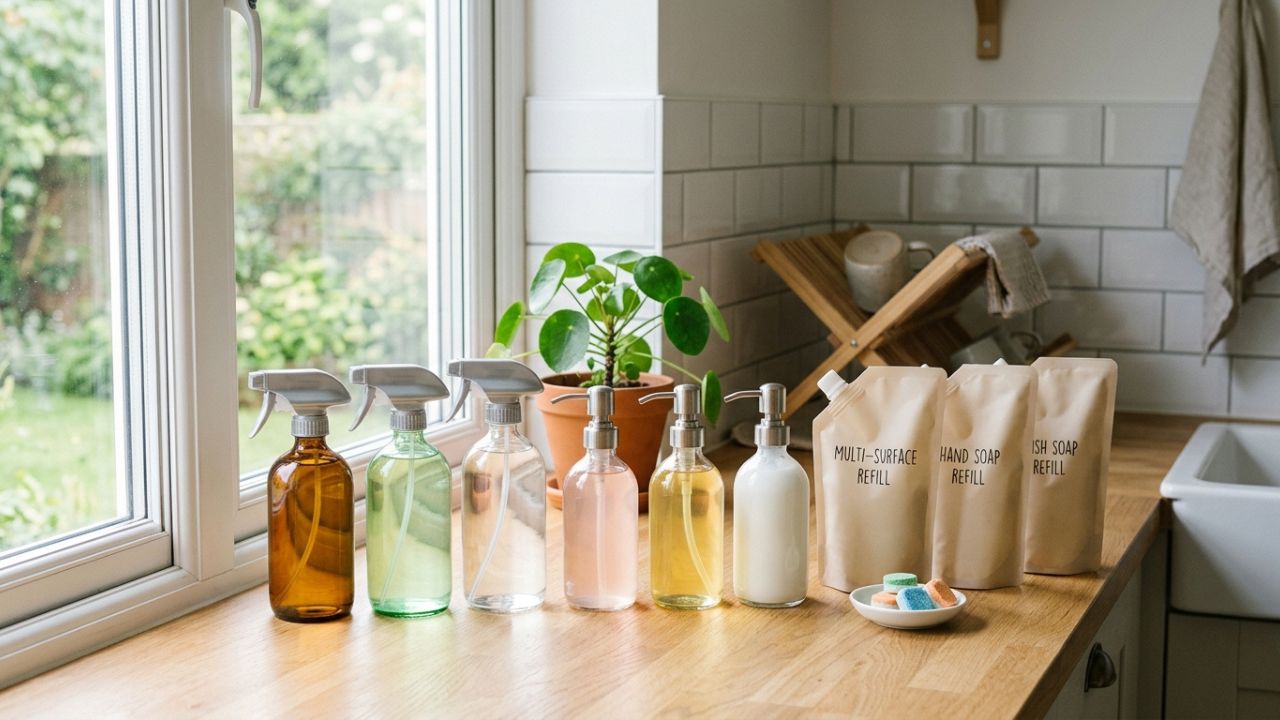
Switching to refillable cleaning solutions tackles this problem at the source. Instead of throwing away a bottle every time a product runs out, the same bottle gets reused again and again. Some brands sell concentrated refill pouches that use a fraction of the plastic and packaging of a full bottle. Others offer refill stations where people bring their own containers and fill them up directly.
Beyond the environmental benefits, refillable systems often save money over time. Concentrates and refill pouches are usually cheaper per use than buying a brand new bottle each time, since customers are not paying for a new sprayer, cap, or full plastic shell with every purchase.
The Bigger Picture
Household cleaning products are a small part of daily life, but they add up quickly across millions of homes. A family that uses one spray cleaner, one dish soap, one laundry detergent, and one hand soap bottle a month could be throwing away close to 50 plastic containers a year.
Multiply that across a neighborhood, a city, or a country, and the scale of the issue becomes clear. Choosing refillable options is a simple way to shrink that footprint without changing daily routines in any dramatic way.
6 Refillable Cleaning Solutions for Everyday Household Jobs
The following six categories cover most of the cleaning tasks a typical household deals with each week. Each one now has refillable alternatives that work just as well as their disposable counterparts.
1. Refillable All-Purpose Spray Cleaners
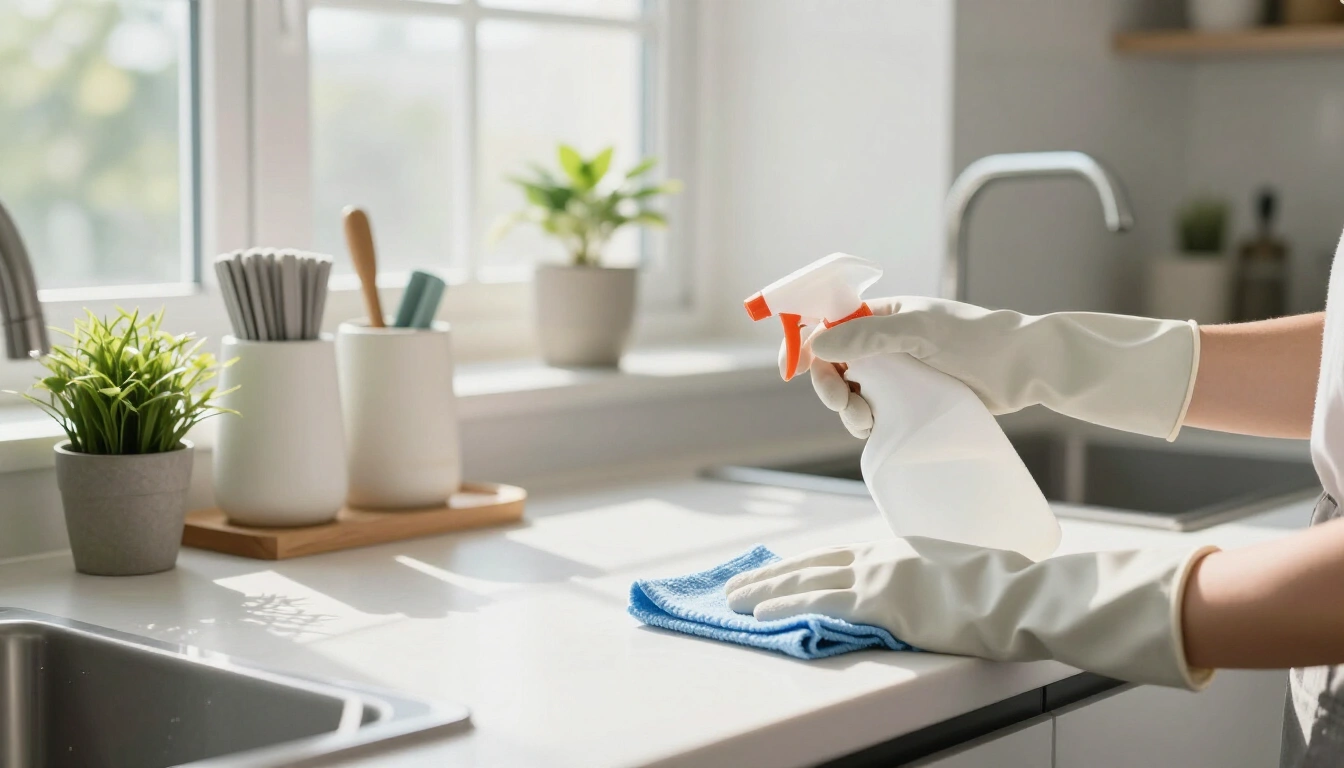
All-purpose spray cleaners are used for countertops, appliances, and general wipe downs, which means they get used up fast. Refillable versions typically come as a small tablet or concentrated liquid that gets dropped into a reusable spray bottle filled with water. Once the tablet dissolves, the bottle is ready to use just like a store bought spray.
Benefits of this approach include:
- One reusable bottle can be refilled dozens of times before it needs replacing
- Concentrated tablets or pods take up far less shipping space, which lowers transportation emissions
- Many formulas are made without harsh chemicals, which is gentler on indoor air quality
2. Refillable Dish Soap Systems
Dish soap is another product that disappears quickly in an active kitchen. Refillable dish soap usually comes in one of two forms: a bulk pouch that pours into a reusable pump bottle, or a bar and block style that lasts far longer than liquid soap while producing very little packaging waste.
Some households also use refill stores or bulk bins at local shops, bringing an empty bottle from home and paying only for the soap itself. This cuts out the bottle entirely from the buying process.
3. Refillable Laundry Detergent
Laundry detergent bottles are some of the bulkiest plastic containers in a home, often holding several liters of mostly water. Refillable laundry solutions solve this by shipping detergent in a concentrated form, such as sheets, pods, or powder that gets mixed with water at home, or a concentrate pouch that refills an existing bottle.
This approach dramatically reduces the amount of plastic and water shipped around the world, since a small pouch of concentrate can replace a jug that is mostly liquid filler.
4. Refillable Glass and Window Cleaner
Streak free windows and mirrors usually require a specific type of cleaner, and like most sprays, the bottle gets tossed once it is empty. Refillable glass cleaner works the same way as an all-purpose spray refill, using a concentrated drop, tablet, or small pouch that mixes with water in a reusable spray bottle.
Because glass cleaner is used less often than an all-purpose spray, one refill can last a household for months, making it an easy and low effort swap.
5. Refillable Bathroom and Tile Cleaner
Bathrooms tend to need stronger cleaning solutions to deal with soap scum, grime, and hard water stains. Refillable bathroom cleaners now come in concentrated forms that can handle tough jobs without the need for a brand new bottle every time. Many are designed to cut through mineral buildup on tile, tubs, and sinks just as effectively as traditional store bought sprays.
For tougher jobs, some refillable systems pair a concentrated cleaner with a reusable scrub brush or cloth, replacing disposable wipes at the same time.
6. Refillable Hand Soap
Hand soap might be used more than any other cleaning product in the house, which makes it a great candidate for a refill system. Refillable hand soap usually comes in a concentrated pouch or tablet that mixes with water inside a reusable foaming or pump bottle. Bar soap is another simple, low waste option that skips packaging almost entirely.
Because hand soap bottles are refilled so often, switching this one product alone can meaningfully cut down on a household’s plastic use over a year.
Comparing the Six Refillable Options
The table below offers a quick side by side look at how these six solutions typically work, how often they are usually needed, and what kind of packaging they replace.
| Cleaning Product | Common Refill Format | How Often It’s Needed | Packaging Waste Reduced |
|---|---|---|---|
| All-Purpose Spray | Concentrate tablet or pod | Weekly | Full plastic spray bottle |
| Dish Soap | Bulk pouch or soap bar | Weekly | Plastic pump bottle |
| Laundry Detergent | Concentrate pouch, sheets, or pods | Weekly to biweekly | Large plastic jug |
| Glass Cleaner | Concentrate tablet or drop | Monthly | Plastic spray bottle |
| Bathroom Cleaner | Concentrate pouch or tablet | Weekly to biweekly | Plastic spray bottle |
| Hand Soap | Concentrate pouch or bar soap | Weekly | Pump or foaming bottle |
How to Start a Refill Routine at Home
Switching an entire household to refillable cleaning products does not need to happen overnight. A gradual approach tends to work best, since it lets people find the products they actually like before committing to a full swap.
A simple way to start includes:
- Picking one product category first, such as hand soap or all-purpose spray, rather than replacing everything at once
- Keeping the existing bottle instead of throwing it away once it runs out
- Looking for local refill shops or online refill subscriptions that ship concentrated pouches instead of full bottles
- Labeling reused bottles clearly so family members know what is inside, especially if switching between different concentrate brands
- Setting a reminder to reorder refills before running out completely, since concentrates can sometimes take a few extra days to arrive compared to a quick store run
Choosing the Right Bottles
Reusable spray bottles and pump bottles come in glass, aluminum, and durable plastic. Each has its own advantages. Glass bottles tend to last the longest and do not absorb odors from previous cleaners, but they are heavier and can break if dropped.
Aluminum bottles are lightweight and durable, though they are usually better suited to liquids like soap rather than sprays. Durable plastic bottles, especially ones already sitting in a kitchen or bathroom cabinet, are often the easiest starting point since no new purchase is needed at all.
Tips for Making Refills Last Longer
Getting the most out of a refillable cleaning system comes down to a few small habits.
- Store concentrate pouches or tablets in a cool, dry place away from direct sunlight to keep them effective longer
- Use the correct water to concentrate ratio listed on the packaging, since too much water can weaken the cleaning power
- Rinse reusable bottles occasionally with warm water to prevent buildup, especially when switching between different scents or formulas
- Keep spray nozzles clean by rinsing them under warm water if they start to clog, rather than replacing the whole bottle
- Buy refills in slightly larger quantities when possible, since bulk pouches often produce less packaging waste per use than smaller ones
Overcoming Common Refill Challenges
Some people hesitate to switch to refillable cleaning products because they worry about cost, convenience, or whether the products will work as well as what they are used to. These concerns are worth addressing directly.
On cost, refill concentrates are often cheaper per use once the initial reusable bottle is purchased, since the price mostly covers the cleaning formula rather than packaging and shipping weight. On convenience, most refill systems take less than a minute to mix, which is not much different from unscrewing a new bottle cap.
On performance, many refillable formulas are made with the same or similar active ingredients as traditional cleaners, so most households notice little to no difference in cleaning results.
For anyone still unsure, starting with just one or two products is a low risk way to test the waters before making bigger changes to a whole cleaning routine.
Bringing It All Together
Refillable cleaning solutions offer a practical, low effort way to cut down on household plastic waste without sacrificing cleanliness or convenience. From all-purpose sprays to hand soap, these six categories cover most of the regular cleaning tasks a home deals with, and each one now has a refillable option that performs just as well as traditional store bought products.
Making the switch does not require an overnight overhaul. Starting with a single product, keeping existing bottles instead of tossing them, and building a simple refill routine over time can lead to a noticeably smaller environmental footprint. Small, steady changes like these are often what make a sustainable lifestyle easier to stick with in the long run.