Every trip to the store seems to come home in a mountain of plastic. Shampoo bottles, dish soap containers, snack wrappers, and cleaning sprays pile up in the recycling bin week after week, and much of it never actually gets recycled.
For anyone trying to live a more sustainable life, packaging waste is often the first thing that feels overwhelming, and also the easiest place to start making a real difference.
Refillable products offer a simple, practical answer. Instead of tossing out a container every time it runs empty, a refillable system lets a person reuse the same vessel over and over, only replacing the product inside. This one shift can dramatically cut down on single use plastic, save money over time, and reduce the demand for new packaging materials altogether.
This article looks at six everyday refillable products that can help anyone reduce their household waste, along with practical tips for getting started and making the switch stick.
Why Refillable Products Matter
Before diving into the specific products, it helps to understand why refills matter so much in the bigger picture of sustainability.
Packaging waste is one of the largest contributors to household trash. A lot of it is made from single use plastic that is either not recyclable or gets rejected at recycling facilities due to contamination, size, or material type. Even packaging that is technically recyclable often ends up in a landfill because the systems needed to process it are inconsistent from one city to the next.
Refillable products tackle this problem at the source. Instead of relying on someone to correctly recycle a container after use, refill systems avoid creating new packaging in the first place. That means:
- Less plastic entering landfills and oceans
- Reduced demand for virgin plastic production
- Lower carbon emissions from manufacturing and shipping new containers
- Long term savings for households that buy refills instead of new products
Switching to refillable options does not require an entirely new lifestyle. It simply means rethinking a few everyday purchases and choosing reusable systems over disposable ones.
1. Refillable Soap and Body Wash Dispensers
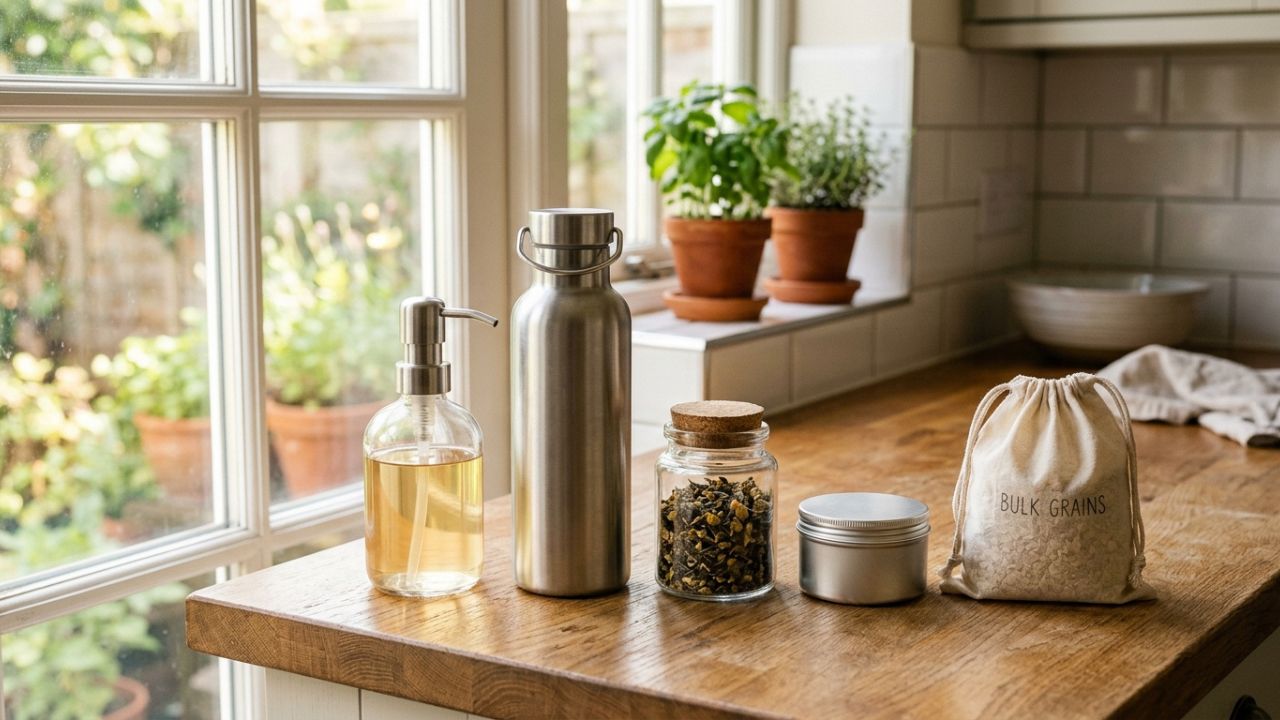
Bathrooms are often packed with plastic bottles, from body wash to hand soap to shampoo. Refillable dispensers are one of the easiest swaps to make because they fit right into an existing routine.
Many brands and local shops now offer bulk soap, shampoo, and body wash that can be poured into a reusable pump bottle. Some grocery stores and specialty shops even have refill stations where customers bring their own container and pay only for the product, not the packaging.
How to Get Started
- Choose a durable glass or aluminum pump bottle that will last for years
- Look for local refill stations or concentrated soap products that can be mixed with water at home
- Keep a small backup bottle on hand for travel so the main dispenser is not disturbed
Over time, this small change removes dozens of plastic bottles from a household’s waste stream every year.
2. Refillable Cleaning Product Concentrates
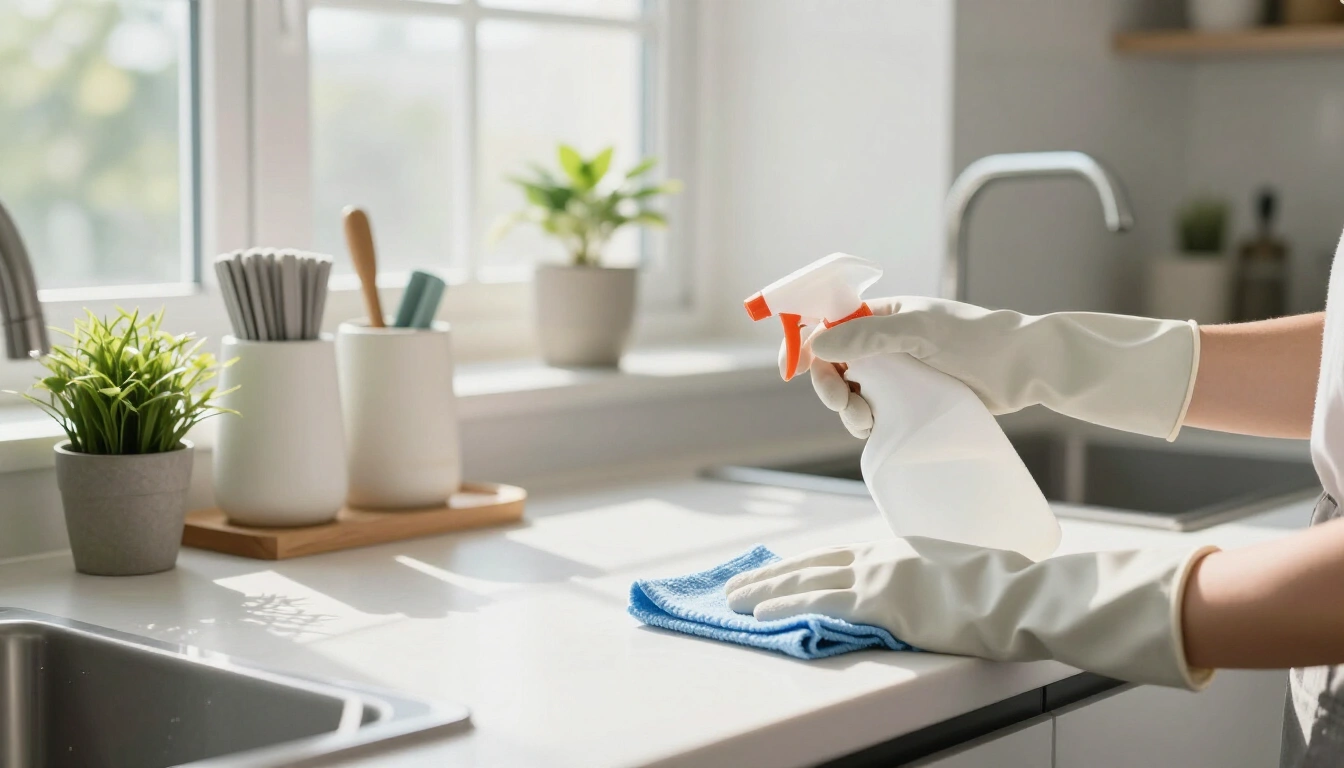
Household cleaning sprays are another major source of plastic waste. Most people go through several bottles of glass cleaner, all purpose spray, and bathroom cleaner every year, and each one comes in its own plastic bottle.
Refillable cleaning concentrates solve this by shipping a small, lightweight pouch or tablet that gets mixed with water in a reusable spray bottle. Because the concentrate itself is much smaller and lighter than a full bottle of liquid, it also reduces the carbon footprint of shipping.
Why This Works So Well
- One reusable spray bottle can last for years with proper care
- Concentrate pouches use a fraction of the plastic compared to full sized bottles
- Many concentrates are formulated with plant based ingredients, which appeals to eco-conscious households
- Shipping is lighter and more efficient, which lowers transportation emissions
This is a great starting point for someone who wants to see quick, visible results in their plastic reduction efforts.
3. Refillable Water Bottles and Filtration Systems
Single use plastic water bottles remain one of the most recognizable symbols of everyday waste. A refillable water bottle paired with a home filtration system can eliminate the need for bottled water almost entirely.
Instead of purchasing cases of bottled water, a household can invest in a quality filter pitcher, faucet filter, or under sink system, then fill a reusable bottle as needed throughout the day.
Choosing the Right Setup
- Stainless steel or glass bottles tend to last the longest and do not retain odors
- A basic filter pitcher works well for small households, while larger families may benefit from a faucet mounted or under sink filter
- Replacing filter cartridges on schedule ensures water stays clean and tasting fresh
This swap not only reduces plastic waste but also cuts down on the transportation emissions associated with shipping bottled water long distances.
4. Refillable Coffee and Tea Pods or Pouches
Coffee and tea drinkers often go through single use pods or individually wrapped tea bags at a surprising rate. These small items add up to a significant amount of packaging waste over a year.
Refillable coffee pods and reusable tea infusers offer a simple alternative. A reusable pod can be filled with ground coffee for each use, while a metal or silicone tea infuser can hold loose leaf tea instead of relying on individually wrapped bags.
Everyday Benefits
- Reusable pods and infusers pay for themselves quickly since loose coffee and tea are often cheaper per serving
- Loose leaf tea and bulk coffee grounds usually come in larger, less wasteful packaging
- Many reusable pods are dishwasher safe, making cleanup easy
This is a small habit change that adds up fast, especially for households that drink coffee or tea daily.
5. Refillable Personal Care and Cosmetic Products
Personal care items like deodorant, lotion, and makeup often come in plastic packaging that is difficult to recycle due to mixed materials or small size. Refillable versions of these products are becoming more widely available and offer an easy way to cut back on waste.
A refillable deodorant might use a metal or bamboo case with replaceable inserts, while refillable lotion or lip balm containers can be topped off from a larger bulk container.
What to Look For
- Durable outer cases made from metal, bamboo, or glass that can be reused indefinitely
- Refill inserts that use minimal packaging, such as compostable paper wrapping
- Products with simple ingredient lists, which are often gentler on skin and the environment
Because personal care items are used daily, switching to refillable versions can meaningfully reduce a household’s plastic footprint over time.
6. Refillable Snack and Pantry Containers
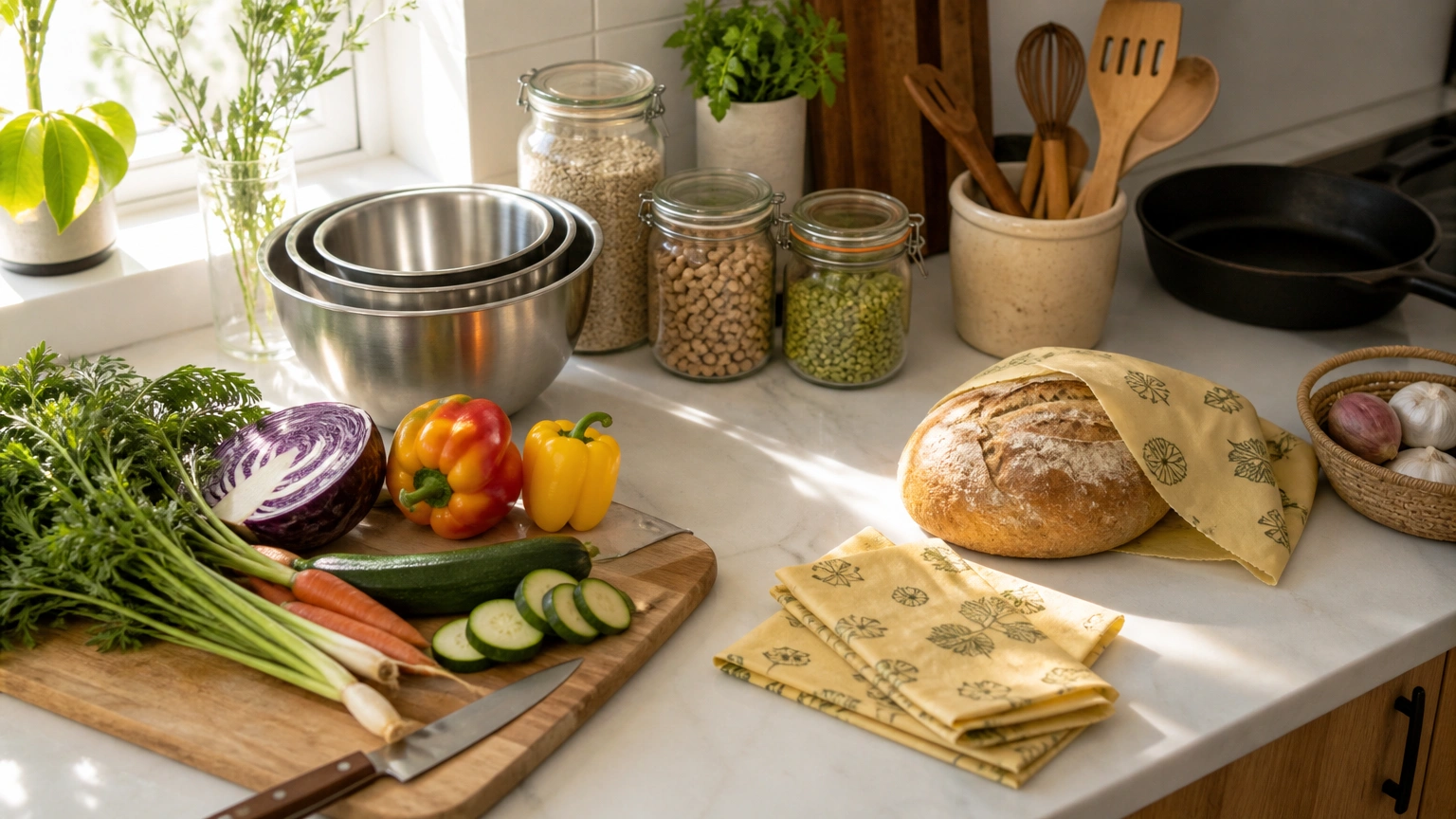
Packaged snacks, cereals, and pantry staples are often wrapped in layers of plastic, even when purchased in bulk. Refillable pantry containers paired with bulk bin shopping can significantly cut down on this type of waste.
Many grocery stores now offer bulk sections for grains, nuts, dried fruit, and even snacks like pretzels or trail mix. Shoppers can bring their own reusable containers or bags, weigh them before filling, and avoid the packaging that comes with pre-portioned products.
Tips for Bulk Shopping Success
- Use lightweight cloth bags or stackable glass jars for bulk shopping trips
- Label containers with the date and item to keep the pantry organized
- Buy only what is needed to reduce food waste alongside packaging waste
This approach also tends to save money, since bulk items are often priced lower than their individually packaged counterparts.
Comparing the Six Refillable Products
The table below offers a quick side by side look at each product category, making it easier to decide where to start.
| Product Category | Common Waste Avoided | Best For | Estimated Setup Effort |
|---|---|---|---|
| Soap and body wash dispensers | Plastic pump bottles | Daily bathroom routines | Low |
| Cleaning product concentrates | Plastic spray bottles | Weekly household cleaning | Low |
| Water bottles and filtration | Single use plastic bottles | Daily hydration | Medium |
| Coffee and tea pods or pouches | Foil pods and tea bag wrappers | Daily coffee or tea drinkers | Low |
| Personal care and cosmetics | Mixed material plastic packaging | Daily grooming routines | Medium |
| Snack and pantry containers | Plastic bags and boxes | Weekly grocery shopping | Medium |
Making the Switch Without Feeling Overwhelmed
Adopting all six of these refillable products at once is not necessary, and trying to do so can feel overwhelming. A more sustainable approach is to start small and build new habits gradually.
- Pick one category that feels the easiest to change first, such as soap dispensers or a reusable water bottle
- Replace items as they naturally run out rather than discarding products that still work
- Keep reusable containers visible and accessible so they become part of the daily routine
- Involve the whole household so the habit sticks for everyone, not just one person
Small, consistent changes tend to last much longer than a complete lifestyle overhaul attempted all at once. Over the course of a year, even one or two of these swaps can prevent dozens of pounds of packaging waste from ever being created.
Final Thoughts
Reducing everyday packaging does not require drastic sacrifices. It simply means choosing refillable systems over disposable ones whenever possible. From the bathroom to the kitchen pantry, these six refillable products show that sustainable living can be practical, affordable, and easy to maintain long term.
Every refill chosen over a new container is one less piece of packaging heading to a landfill. Over time, these small choices add up to a meaningful reduction in waste, proving that everyday habits, not just big lifestyle changes, are often the most powerful tools for living more sustainably.