Gardening has always been tied to nature, yet many of the tools and supplies sold for it are anything but eco-friendly. Plastic seed trays crack after one season. Paper plant labels fade and end up in landfills.
Disposable gloves tear within weeks. For anyone trying to live a greener life, it can feel strange that the hobby meant to connect people with the earth often produces so much unnecessary waste.
The good news is that switching to reusable gardening supplies is one of the easiest ways to shrink a household’s environmental footprint. These swaps do not require a complete lifestyle overhaul. They simply mean choosing tools built to last, made from natural or long-lasting materials, and designed to be used season after season instead of thrown away after one.
This article looks at six reusable gardening supplies that can help gardeners reduce waste, save money over time, and grow a healthier garden in the process.
Why Reusable Gardening Supplies Matter
Before diving into the list, it helps to understand why this shift matters. Traditional gardening products, especially plastic ones, are often used for a single season and then discarded. Seed trays crack in the sun, plant tags snap, and cheap tools rust or bend. All of that ends up in landfills, where plastic can take hundreds of years to break down.
Reusable supplies interrupt that cycle. They are built with durability in mind, which means fewer trips to the store, less packaging waste, and a smaller overall carbon footprint. Many reusable products are also made from natural materials like bamboo, wood, metal, or organic cotton, which biodegrade far more gracefully than plastic if they ever do wear out.
There is also a financial upside. While reusable tools sometimes cost more upfront, they typically outlast their disposable counterparts many times over, which means real savings over the years.
1. Reusable Seed Starting Trays and Pots
Seed starting is where many gardens begin, and it is also where a lot of plastic waste starts. Thin plastic trays and six-packs often crack after just one or two uses, especially when left outside in the sun or cold.
Reusable seed starting trays made from durable plastic, silicone, or even metal can be used for many years if cared for properly. There are also biodegradable options, such as trays made from coconut coir, peat-free compost, or recycled paper pulp, which can be planted directly into the soil so the roots are never disturbed.
Options to Consider
- Silicone seed trays that flex easily to release seedlings without damaging roots
- Wooden seed trays that can be repaired or repurposed when they eventually wear out
- Reusable soil blockers that shape compost into self-supporting cubes, removing the need for any tray at all
- Fabric or coir pots that can be composted once the plant is transplanted
Choosing one of these options instead of flimsy plastic six-packs keeps a surprising amount of waste out of landfills each growing season, especially for gardeners who start dozens of seedlings every spring.
2. Durable, Washable Garden Gloves
Disposable gardening gloves, especially thin latex or nitrile ones, are designed to be tossed after a single use. That might seem convenient, but it adds up to a lot of waste for something as simple as protecting hands while digging in the dirt.
Investing in a quality pair of washable garden gloves solves this problem. Look for gloves made from natural materials such as cotton, leather, or a cotton and rubber blend. These can be rinsed, hung to dry, and used again and again.
What to Look for in Reusable Gloves
- Breathable natural fabric that will not trap moisture and cause odor
- Reinforced fingertips for tasks like pruning or handling thorny plants
- A snug but comfortable fit to avoid blisters during long gardening sessions
- Machine washable materials for easy care between uses
A well made pair of gloves can last for several gardening seasons, which means avoiding the steady stream of disposable pairs that would otherwise end up in the trash.
3. Reusable Plant Labels
Plant labels help gardeners keep track of what is growing where, especially early in the season before seedlings develop their true leaves. Unfortunately, the plastic stick-in labels sold at most garden centers are flimsy, fade quickly in the sun, and often snap when pushed into compacted soil.
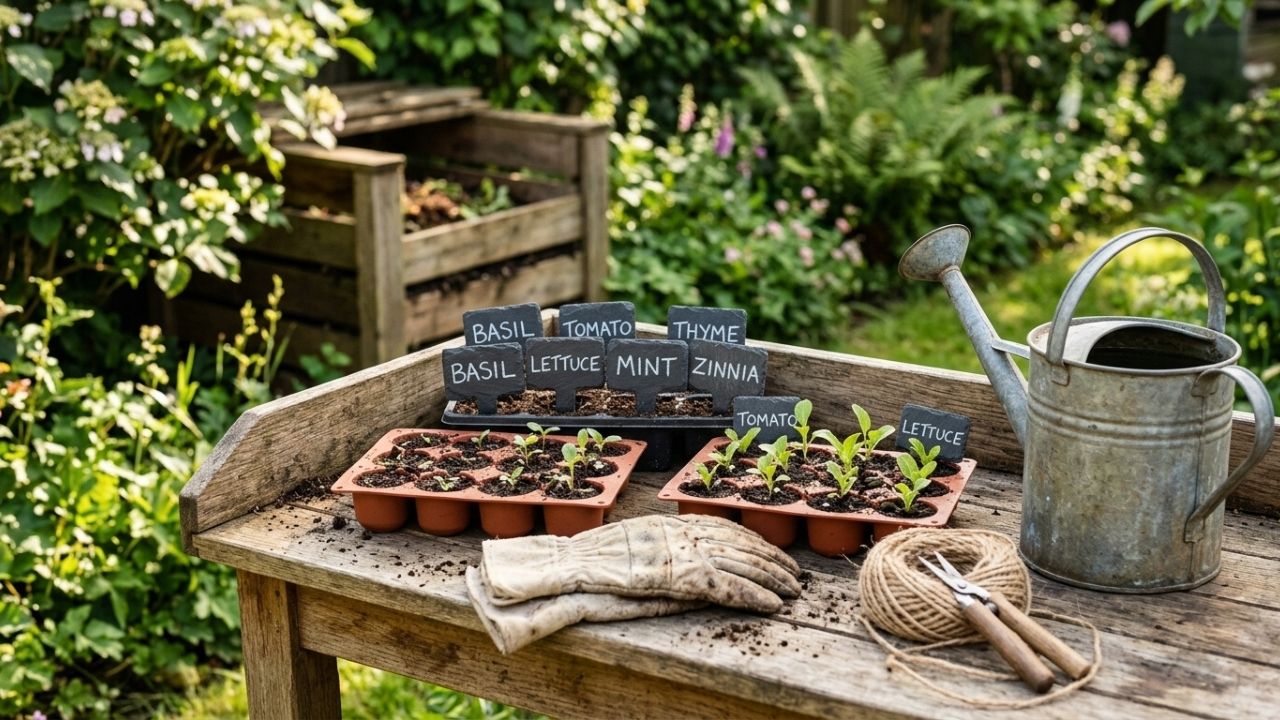
Reusable plant labels made from metal, slate, or treated wood solve this issue elegantly. Many can be written on with a pencil or chalk marker and then wiped clean at the end of the season, ready to be reused the following year.
Popular Reusable Label Materials
- Slate markers that can be written on with chalk and wiped clean
- Aluminum or zinc tags that hold up to weather and can be re-stamped
- Wooden stakes that are more durable than typical plastic ones and biodegrade naturally if they ever break
These small swaps might seem minor, but multiplied across dozens of plant varieties in a vegetable garden or flower bed, they prevent a steady stream of broken plastic tags from ending up in the trash.
4. Rain Barrels and Reusable Watering Tools
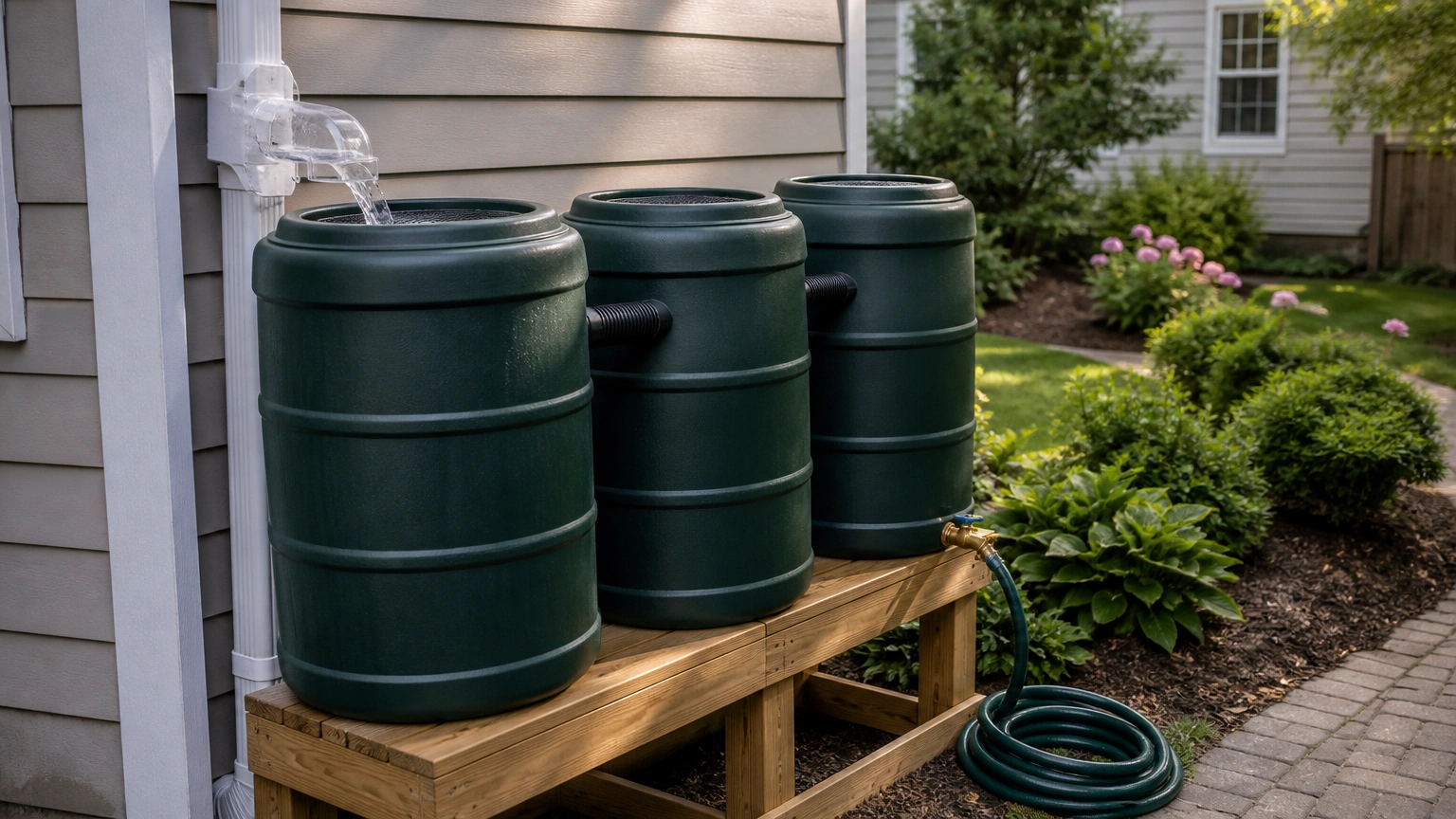
Water conservation is a core part of sustainable gardening, and reusable watering tools play a big role in that effort. A rain barrel is one of the simplest ways to reduce both water waste and reliance on single use plastic watering cans that eventually crack and get replaced.
Rain barrels collect rainwater from gutters and downspouts, storing it for use during dry spells. This reduces a household’s water bill and lessens the strain on municipal water systems, especially during summer months when demand is highest.
Pairing a rain barrel with a sturdy, reusable watering can made from metal or thick, UV-resistant plastic means gardeners are set up with a long-term watering system that avoids constant replacement.
Benefits of Rain Barrels
- Lower water bills during the growing season
- Reduced strain on local water supplies during droughts
- Naturally soft, chemical-free water that many plants prefer over tap water
- Less runoff and erosion around the home’s foundation
5. Reusable Garden Ties and Twine
Supporting climbing plants like tomatoes, beans, and cucumbers usually requires some kind of tie or twine. Many gardeners default to thin plastic zip ties or synthetic string that cannot be recycled and often ends up tangled in the compost pile.
Reusable options like natural jute twine, silicone plant ties, or soft fabric strips offer a better alternative. Silicone ties in particular can be untied, cleaned, and reused for years, while jute twine is biodegradable and can be composted at the end of its life.
Reusable Tying Options
- Silicone plant ties that stretch and can be reused season after season
- Jute or hemp twine that composts naturally when it wears out
- Strips of old fabric repurposed from worn clothing or linens
- Velcro plant tape that can be trimmed and reused multiple times
Choosing biodegradable or reusable ties over plastic zip ties also protects plant stems better, since natural materials tend to be gentler and less likely to cut into growing stalks.
6. Reusable Compost Bins
Composting is one of the most impactful things a gardener can do to reduce household waste, but the bin used to hold that compost matters too. Cheap plastic compost bins can crack in cold weather or degrade under constant sun exposure, needing frequent replacement.
A well built reusable compost bin, whether made from galvanized metal, treated wood, or thick recycled plastic, can last for many years while turning kitchen scraps and yard waste into nutrient rich soil.
Types of Reusable Compost Bins
- Wooden compost bins that can be built or purchased and repaired as needed
- Tumbling composters made from durable plastic or metal that speed up decomposition
- Wire mesh bins that allow for good airflow and are simple to maintain
- Countertop compost caddies made from ceramic or stainless steel for collecting scraps before they go outside
Comparing the Six Reusable Supplies
| Supply | Common Material | Typical Lifespan | Waste It Reduces |
|---|---|---|---|
| Seed starting trays | Silicone, wood, coir | Several years | Cracked plastic trays and six-packs |
| Garden gloves | Cotton, leather | 1 to 3 seasons | Disposable latex or nitrile gloves |
| Plant labels | Slate, metal, wood | Many years | Broken plastic plant tags |
| Rain barrels | Recycled plastic, metal | 10+ years | Water waste and broken watering cans |
| Garden ties | Silicone, jute | 1 to 5 years | Plastic zip ties and synthetic string |
| Compost bins | Wood, metal, thick plastic | 5 to 15 years | Food scraps and yard waste sent to landfill |
Tips for Making the Switch Gradually
Replacing every gardening supply at once is not realistic for most households, and it is not necessary either. A gradual approach tends to work best, both for the budget and for avoiding unnecessary waste of items that are still functional.
- Start with whichever supply wears out first, rather than replacing everything immediately
- Repurpose old containers and household items as makeshift seed trays before buying new ones
- Choose secondhand tools when possible, since many reusable garden supplies hold up well over time and are often available at thrift stores or garden swaps
- Care for reusable items properly by cleaning and storing them out of harsh weather when not in use, which extends their lifespan significantly
- Pass along tools that are no longer needed instead of throwing them away, since many gardening groups and community gardens welcome donations
The Bigger Picture
Switching to reusable gardening supplies is a small but meaningful part of a larger sustainable lifestyle. Every reusable seed tray, every metal plant label, and every rain barrel represents one less item pulled from the earth’s resources and one less piece of waste sent to a landfill.
Beyond the environmental benefits, there is something satisfying about tools that improve with age rather than falling apart. A well loved pair of gloves, a slate label worn smooth from years of chalk writing, or a compost bin that has quietly turned thousands of pounds of scraps into rich soil all become part of the story of a garden.
Gardening, at its core, is about patience and long term thinking. Choosing reusable supplies simply extends that same mindset from the soil to the tools used to work it. Over time, these small choices add up to a garden, and a lifestyle, that leaves a much lighter footprint on the planet.
Final Thoughts
Reducing waste in the garden does not require expensive equipment or a complicated overhaul of existing habits. It starts with simple, intentional choices, choosing a slate label over a plastic one, a rain barrel over a disposable watering can, or a silicone tie over a plastic zip tie.
Each of these swaps supports a more sustainable way of gardening, one that values durability, resourcefulness, and respect for the earth that makes growing anything possible in the first place.