Anyone who has stood in the shower aisle of a store lately knows the feeling. Shelves packed with plastic bottles, each one promising softer skin or shinier hair, all destined for the same landfill or recycling bin that may or may not actually recycle them.
For people trying to live a more sustainable life, the bathroom is often one of the trickiest rooms in the house to clean up. It is full of small plastic containers that get used up and tossed out again and again.
The good news is that switching to solid soap and body care products is one of the easiest ways to cut plastic waste at home. Bar soaps, shampoo bars, and other solid personal care items have been around for centuries, long before plastic bottles existed. They are having a comeback now, and for good reason. They last a long time, they travel well, and they usually come wrapped in nothing more than paper or cardboard.
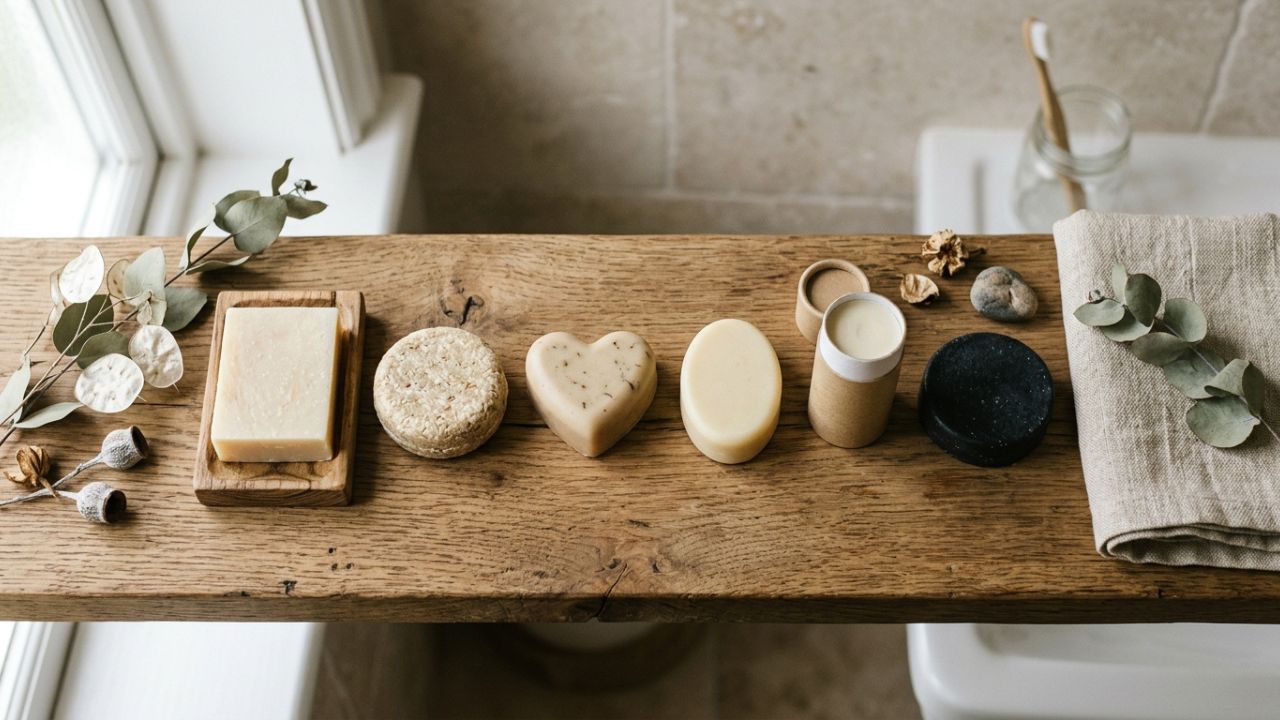
This article looks at six solid soap and body care finds that make plastic-free living simpler, along with tips on how to choose good ones and how to make them last.
Why Solid Body Care Products Matter
Before getting into the specific finds, it helps to understand why this switch actually matters. Plastic bottles used for shampoo, conditioner, body wash, and lotion are typically made from petroleum-based plastics. Many of them are technically recyclable, but in reality a large share never gets recycled because of contamination, size, or local recycling limitations.
Solid soap and body care products solve this problem in a few ways.
- They usually skip plastic packaging entirely, using paper, cardboard, or tins instead.
- They tend to be more concentrated, so a single bar can replace two or three bottles of liquid product.
- They are lighter and take up less space, which reduces the carbon footprint of shipping them.
- Many are made with simpler ingredient lists, which can be gentler on skin and better for waterways.
Switching one bottle at a time is a manageable way to shrink a household’s plastic footprint without turning life upside down.
1. Classic Bar Soap for Body and Hands
The simplest place to start is with a good bar soap. Bar soap has been around long before liquid body wash was invented, and it remains one of the most effective plastic-free swaps available.
A quality bar soap made with natural oils like olive, coconut, or shea butter can clean just as well as a bottled body wash, often while being gentler on skin. Because bar soap does not need a plastic pump or bottle, it is one of the lowest-waste products a bathroom can hold.
What to Look For
- Soap made through the traditional cold-process method, which tends to retain more natural glycerin
- Simple ingredient lists without synthetic dyes or heavy fragrance oils
- Paper or cardboard packaging instead of plastic wrap
- Palm oil-free formulas, or those made with sustainably sourced palm oil, to avoid contributing to deforestation
How to Make It Last
A bar of soap that turns into a mushy puddle within a week is not much of an upgrade. Using a well-draining soap dish, ideally one made of wood, bamboo, or ceramic with ridges, helps the bar dry out between uses and last much longer.
2. Shampoo Bars
Shampoo bars are one of the most talked about swaps in the zero-waste world, and for good reason. A single shampoo bar can often replace two to three plastic bottles of liquid shampoo, which adds up to a meaningful reduction in plastic waste over a year.
Shampoo bars work by combining cleansing agents with nourishing oils in a solid form. Some people find their hair needs a short adjustment period when switching from liquid shampoo, especially if they are used to silicone-heavy formulas. A few weeks of consistent use usually helps hair adjust to its natural balance.
Choosing the Right Bar for Different Hair Types
| Hair Type | What to Look For | Ingredients That Help |
|---|---|---|
| Oily hair | Lighter, clarifying bars | Tea tree oil, citrus extracts |
| Dry or curly hair | Moisturizing, creamy bars | Shea butter, coconut oil |
| Color-treated hair | Sulfate-free, gentle bars | Argan oil, aloe vera |
| Fine hair | Volumizing, lightweight bars | Rice protein, nettle extract |
Tips for a Smooth Transition
- Rub the bar directly on wet hair or lather it in hands first before applying
- Follow with a diluted apple cider vinegar rinse to help balance hair’s pH during the transition period
- Store the bar on a draining rack so it is not sitting in water between showers
3. Solid Conditioner Bars
Conditioner is often the trickiest liquid product to replace, but solid conditioner bars have improved a great deal in recent years. These bars typically contain plant-based oils and butters that melt slightly with the warmth of wet hair, making them easy to apply just like a regular conditioner.
Conditioner bars work especially well for people with fine to medium hair. Those with very thick or coarse hair may want to look for a bar labeled specifically for deep conditioning, or use a leave-in oil alongside it.
Simple Ways to Use a Conditioner Bar
- Rub the bar between palms to warm it slightly before smoothing it through the ends of hair
- Focus application on the mid-lengths and ends rather than the scalp, just like with liquid conditioner
- Rinse with cool water to help seal the hair cuticle and add shine
4. Solid Lotion Bars and Body Butter Bars
Lotion bars are a lesser-known but incredibly useful plastic-free swap. Unlike liquid lotion, which is mostly water and needs preservatives to stay shelf stable, solid lotion bars are made almost entirely of oils, butters, and waxes. This means they are more concentrated, last longer, and often require fewer preservatives.
A lotion bar works by melting slightly when rubbed between warm hands, then leaving behind a thin layer of moisture on the skin. They are especially popular for dry patches like elbows, heels, and knees, though many people use them all over the body.
Benefits of Lotion Bars
- Long shelf life since there is no water content to spoil
- Compact size makes them ideal for travel or gym bags
- Minimal packaging, often just a paper tube or small tin
- Multi-purpose use for hands, feet, and even as a light lip balm in a pinch
5. Solid Deodorant
Deodorant is one of those everyday products that quietly generates a lot of plastic waste, since most tubes are tossed once empty. Solid deodorant, sold as a small block or in a compostable push-up tube, is becoming a popular alternative.
These deodorants usually combine ingredients like baking soda, arrowroot powder, coconut oil, and essential oils to neutralize odor naturally. Some people find they need to try a couple of different formulas before finding one that works well with their body chemistry, since natural deodorants function differently than antiperspirants.
What to Expect When Switching
- An adjustment period of one to two weeks as the body’s natural bacteria balance shifts
- A lighter, more subtle scent compared to conventional deodorant sticks
- The option to choose baking soda-free formulas for those with sensitive skin
6. Facial Cleansing Bars
The final find on this list is the facial cleansing bar, sometimes called a face soap. These are formulated to be gentler than body soap bars, with a pH balance suited for facial skin and often infused with ingredients like activated charcoal, oatmeal, or clay.
A good facial bar can replace both a liquid cleanser bottle and its plastic pump, while still doing an effective job of removing makeup, sunscreen, and daily grime.
Choosing a Facial Bar for Different Skin Types
- Dry skin benefits from bars with added glycerin or honey for extra moisture
- Oily or acne-prone skin often does well with charcoal or tea tree-based bars
- Sensitive skin should look for fragrance-free options with calming ingredients like oatmeal or chamomile
Making the Switch Without Overwhelm
Transitioning an entire bathroom to solid products all at once can feel like a lot. It helps to make the change gradually, replacing one bottle at a time as it runs out rather than tossing out half-used plastic bottles. This approach reduces waste rather than creating more of it in the short term.
A few general tips can make the switch smoother.
- Store solid products on a well-draining tray or dish so they last longer between uses
- Keep bars in a tin or cloth pouch while traveling to avoid mess in a suitcase
- Give hair and skin a few weeks to adjust before deciding whether a product is the right fit
- Look for brands that use recycled or compostable packaging even for the paper wrapping
The Bigger Picture
Small swaps like these might seem minor on their own, but they add up. A household that replaces liquid shampoo, conditioner, body wash, lotion, deodorant, and facial cleanser with solid versions could eliminate dozens of plastic bottles from their trash and recycling each year. Multiply that across many households, and the impact becomes significant.
Beyond the plastic savings, many solid body care products also tend to use simpler, more natural ingredients, which can be a bonus for both skin health and the health of local waterways, since fewer synthetic chemicals wash down the drain.
Living plastic-free does not require a perfect, all-or-nothing approach. Starting with the bathroom, one bar at a time, is a practical and rewarding way to build habits that support a more sustainable lifestyle over time.
Final Thoughts
The bathroom is often overlooked when people think about reducing plastic waste, but it holds some of the easiest swaps to make.
Bar soap, shampoo bars, conditioner bars, lotion bars, solid deodorant, and facial cleansing bars each offer a simple way to cut down on single-use plastic without sacrificing effectiveness or comfort.
With a little patience during the adjustment period and some basic care to help the bars last, anyone can build a more sustainable self-care routine that feels good to use and good for the planet.