Water is one of the planet’s most precious resources, yet many households use far more of it than they realize. Between long showers, leaky faucets, and outdated fixtures, a lot of clean water goes down the drain without ever being put to good use.
For anyone interested in living a more sustainable lifestyle, upgrading to low-flow and water-saving accessories is one of the simplest and most affordable ways to make a real difference.
These accessories are designed to reduce water usage without sacrificing performance. Many of them can be installed in minutes, require no special tools, and pay for themselves quickly through lower utility bills. Below is a closer look at seven water-saving accessories worth considering, along with why they matter and how they work.
Why Water Conservation Matters at Home
Before diving into the accessories themselves, it helps to understand why this small change carries so much weight. Households account for a significant portion of daily water consumption, and much of that use happens in the bathroom and kitchen. Showers, faucets, and toilets alone can make up more than half of indoor water use in a typical home.
Reducing water waste helps in several ways:
- It lowers monthly utility bills by using less water and, in many cases, less energy to heat it.
- It reduces strain on local water supplies, which is especially important in drought-prone regions.
- It decreases the amount of energy needed to treat and pump water, which in turn lowers carbon emissions.
- It extends the life of plumbing systems by reducing pressure and wear over time.
With that context in mind, here are seven accessories that can help any household use water more responsibly.
1. Low-Flow Showerheads
Showering is one of the biggest sources of indoor water use, which makes the showerhead an easy place to start. Standard showerheads can release several gallons of water per minute, while low-flow versions are designed to use significantly less without weakening the spray.
Modern low-flow showerheads use aerating or laminar-flow technology to mix air into the water stream. This creates the sensation of strong water pressure while actually using less water overall. Many people who switch to a low-flow showerhead report that they barely notice a difference in comfort, aside from a smaller water bill.
What to Look For
- A flow rate that is clearly labeled, since lower numbers mean less water used per minute.
- Adjustable spray settings for a more customizable shower experience.
- Easy-to-clean nozzles that resist mineral buildup over time.
2. Faucet Aerators
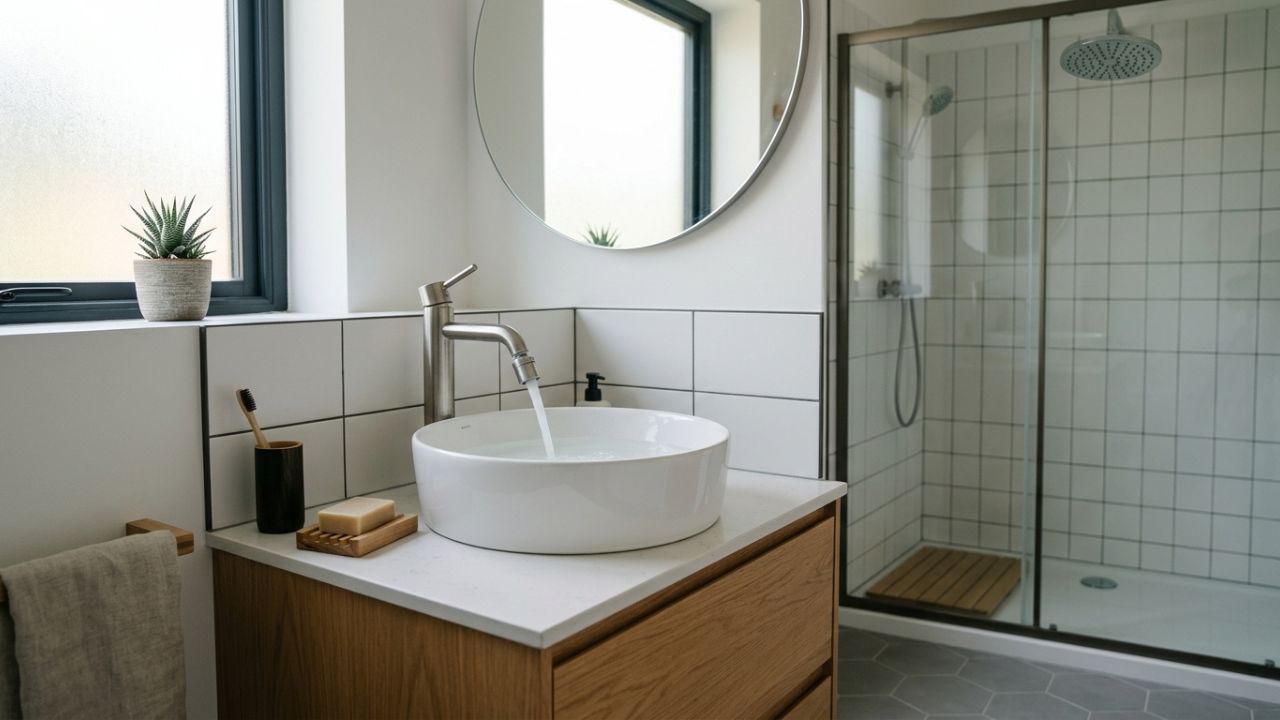
Faucet aerators are small, inexpensive attachments that screw onto the tip of a faucet. They work by mixing air into the water stream, which reduces the amount of water used while maintaining steady pressure. Because they are so small and affordable, aerators are often considered one of the easiest upgrades a household can make.
They are commonly used in kitchens and bathrooms, and installation usually takes just a few minutes with no special tools required. Many aerators are also adjustable, allowing users to switch between a fuller stream and a more focused spray depending on the task at hand.
Benefits of Faucet Aerators
- They reduce water flow without reducing usability for everyday tasks like washing hands or dishes.
- They are inexpensive, often costing just a few dollars each.
- They fit most standard faucets, making them widely compatible.
3. Dual-Flush Toilet Converters
Toilets are typically the single largest source of water use inside a home. Traditional toilets use the same amount of water for every flush, regardless of whether it is needed. Dual-flush converters solve this problem by allowing users to choose between a lower-volume flush for liquid waste and a full flush for solid waste.
These converter kits can often be installed on an existing toilet without needing to replace the entire unit, which makes them a budget-friendly alternative to buying a brand-new dual-flush toilet. Over time, the water savings can be substantial, especially in busy households.
How Dual-Flush Systems Help
- They give users control over how much water is used per flush.
- They can cut toilet water usage significantly compared to standard single-flush models.
- They are often simple enough for a confident do-it-yourselfer to install in an afternoon.
4. Water-Saving Showerhead Timers
Even with a low-flow showerhead installed, long showers can still use more water than necessary. Shower timers are a simple accessory that encourages shorter, more mindful showers by giving a visual or audible cue when a set amount of time has passed.
Some timers attach directly to the shower wall using suction cups, while others are digital and offer customizable time limits. These are especially useful for households with children, since they turn water conservation into a habit rather than a chore.
Types of Shower Timers
- Sand or hourglass timers that offer a low-tech, visual reminder.
- Digital timers with alarms or color-changing lights.
- Smart timers that sync with an app to track water usage trends over time.
5. Garden Hose Nozzles with Shut-Off Valves
Outdoor water use can add up quickly, especially during warmer months when gardens, lawns, and cars need regular attention. A basic garden hose left running while not actively in use can waste a significant amount of water. A hose nozzle with a built-in shut-off valve solves this by allowing the flow to be stopped instantly with the squeeze of a trigger.
This accessory is particularly useful for anyone who gardens, washes their car at home, or rinses outdoor equipment regularly. It also gives more control over water pressure, which can be gentler on delicate plants.
Why This Accessory Is Worth It
- It prevents water waste between tasks, such as when moving a hose from one area to another.
- It offers adjustable spray patterns for different outdoor chores.
- It is durable and typically lasts for years with minimal maintenance.
6. Rain Barrels and Rain Diverters
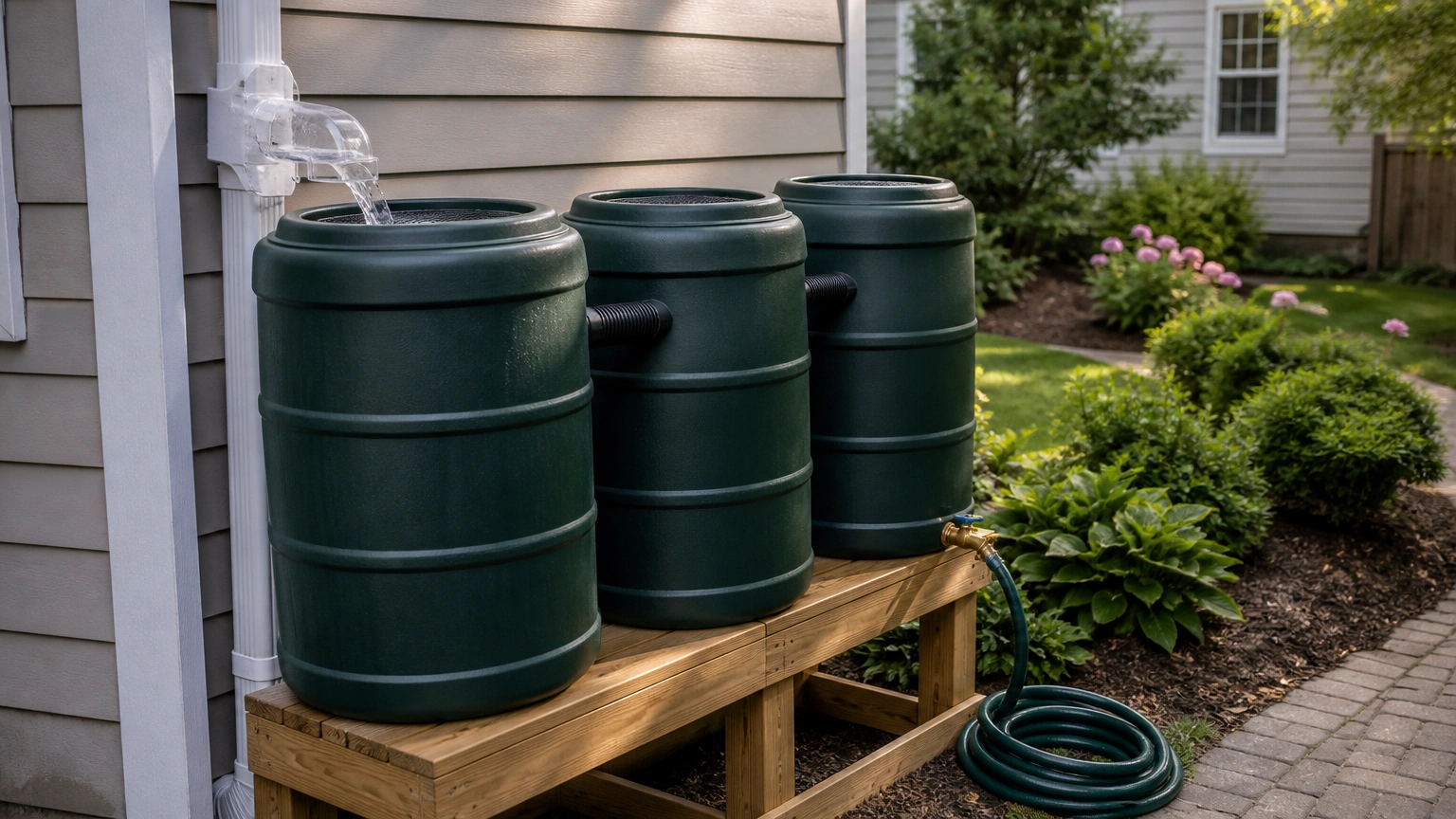
While not a small accessory in the traditional sense, rain barrels and diverters are an increasingly popular addition to eco-conscious households. These systems collect rainwater from gutters and downspouts, storing it for later use in gardens, lawns, or outdoor cleaning tasks.
A rain diverter is a smaller accessory that redirects rainwater from a downspout into a barrel or storage container. This setup reduces reliance on treated tap water for outdoor tasks and can noticeably lower water bills during rainy seasons.
Getting Started with Rainwater Collection
- Choose a barrel size that matches the average rainfall in the area.
- Use a diverter with a filter or mesh screen to keep debris out.
- Position the barrel on a stable, elevated surface for better water pressure when using a hose attachment.
7. Smart Water Monitors and Leak Detectors
Technology has made it easier than ever to track water usage in real time. Smart water monitors attach to a home’s main water line and provide detailed insights into how much water is being used, when, and where. Many of these devices can also detect leaks, which is important since even a small, unnoticed leak can waste hundreds of gallons of water over time.
These monitors often connect to a smartphone app, sending alerts if unusual water activity is detected, such as a running toilet or a burst pipe. For households serious about sustainability, this kind of insight can be incredibly valuable for identifying and correcting wasteful habits.
Features to Consider
- Real-time usage tracking broken down by fixture or area of the home.
- Leak detection alerts sent directly to a mobile device.
- Historical data that shows trends over weeks or months, making it easier to spot patterns.
Comparing the Seven Water-Saving Accessories
The table below offers a quick side-by-side comparison to help decide which accessory might be the best starting point.
| Accessory | Best For | Installation Difficulty | Typical Cost Range |
|---|---|---|---|
| Low-Flow Showerhead | Reducing shower water use | Easy | Low to moderate |
| Faucet Aerator | Kitchen and bathroom sinks | Very easy | Very low |
| Dual-Flush Converter | Toilets | Moderate | Moderate |
| Shower Timer | Encouraging shorter showers | Very easy | Very low |
| Hose Nozzle with Shut-Off | Outdoor watering and cleaning | Very easy | Low |
| Rain Barrel or Diverter | Collecting water for outdoor use | Moderate | Moderate to high |
| Smart Water Monitor | Tracking usage and detecting leaks | Moderate | Moderate to high |
Making Water Conservation a Habit
Installing these accessories is a great first step, but building lasting habits is what truly makes a difference over time. Small daily choices, paired with the right tools, can add up to significant water savings throughout the year.
A few additional habits worth adopting include:
- Turning off the faucet while brushing teeth or washing dishes instead of letting it run.
- Running dishwashers and washing machines only with full loads.
- Checking regularly for leaks in faucets, toilets, and outdoor spigots.
- Watering gardens and lawns early in the morning or late in the evening to reduce evaporation.
Combining these habits with water-saving accessories creates a household that is both efficient and environmentally responsible. Over time, the savings extend beyond the water bill, contributing to a smaller overall environmental footprint.
Final Thoughts
Living sustainably does not require a complete lifestyle overhaul. Often, it starts with small, practical changes like the ones outlined above. Low-flow showerheads, faucet aerators, dual-flush converters, shower timers, hose nozzles, rain barrels, and smart water monitors each offer a simple way to cut back on water waste while maintaining everyday comfort and convenience.
For anyone looking to reduce their environmental impact, these seven accessories offer an accessible and affordable starting point. Whether the goal is to lower utility bills, conserve resources for future generations, or simply build more mindful habits, water-saving accessories are a smart and achievable place to begin.