Self-care rituals have become a cherished part of daily life for many people, offering a quiet moment to slow down and reconnect with themselves. Yet for those who care about the planet, the bathroom can quietly become one of the biggest sources of plastic waste in the home.
Shampoo bottles, body wash containers, disposable razors, and single-use cotton pads pile up faster than most people realize. The good news is that a more sustainable bathing routine does not require sacrificing comfort or indulgence. With a bit of intention, everyday self-care can become a low-waste practice that feels just as luxurious.
This article explores seven low-packaging bath products that make it easier to enjoy everyday self-care while reducing plastic waste. Each option is practical, widely available, and simple to incorporate into an existing routine.
Why Packaging Matters in the Bathroom
Before diving into the product list, it helps to understand why packaging waste in the bathroom deserves attention. Bathrooms are filled with products that are used quickly and replaced often.
Shampoo, conditioner, body wash, and lotion bottles are typically made from plastic that takes hundreds of years to break down in landfills. Many of these containers are also not recycled properly because of leftover product residue or complex material blends that recycling facilities cannot process.
Switching to low-packaging alternatives helps in a few key ways:
- Reduces the amount of single-use plastic sent to landfills
- Cuts down on the energy and resources used to manufacture new packaging
- Encourages mindful consumption instead of impulse buying
- Often supports smaller, sustainability-focused brands
- Can save money over time since concentrated or bar-form products tend to last longer
With that context in mind, here are seven bath products worth considering for a more eco-conscious self-care routine.
1. Shampoo and Conditioner Bars
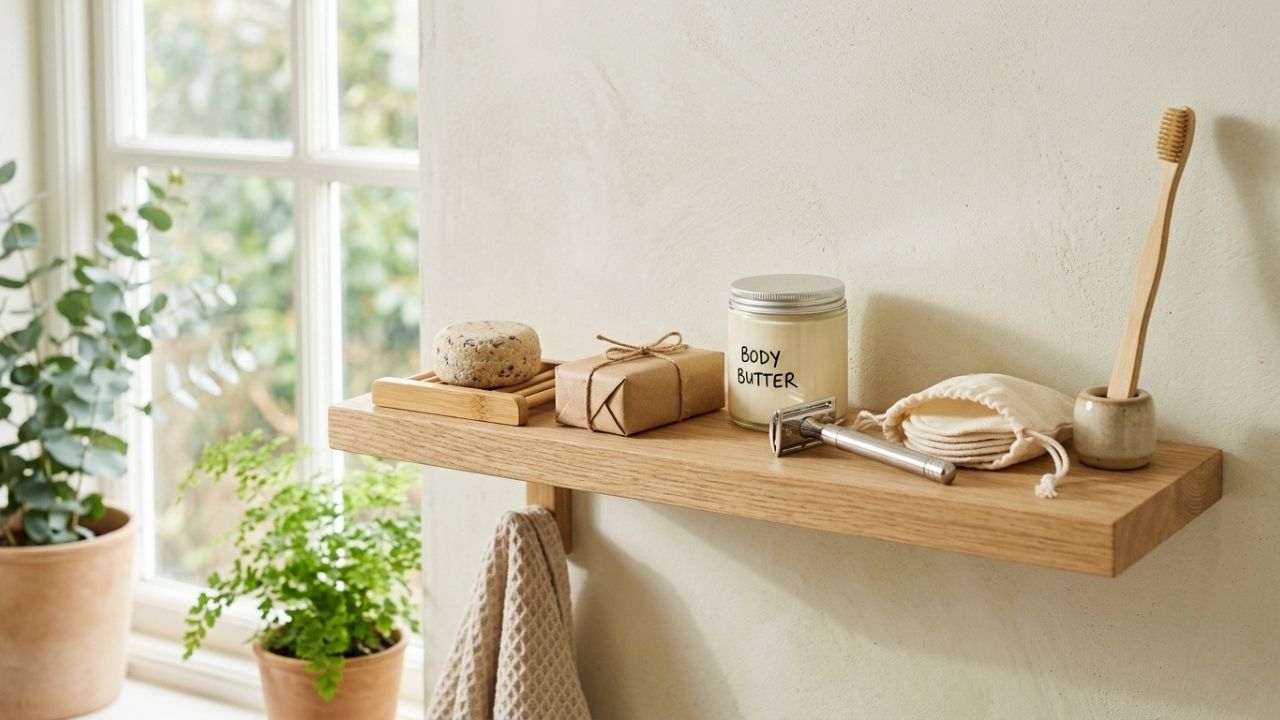
Shampoo and conditioner bars have grown in popularity, and for good reason. These solid bars work just like their liquid counterparts but come without the plastic bottle. Most are wrapped in compostable paper or sold completely package-free.
Why They Work Well
Shampoo bars are concentrated, meaning a single bar can often replace two or three plastic bottles of liquid shampoo. They are also lightweight and travel-friendly, making them a favorite among people who like to pack light or avoid liquid restrictions when flying.
Tips for Use
- Store the bar on a draining soap dish to help it last longer
- Rub the bar directly on wet hair or lather it in hands first for finer hair types
- Allow a short adjustment period, as hair may need a few washes to adapt to the new formula
2. Bar Soap Instead of Body Wash
Body wash usually comes in a plastic bottle with a pump, and while convenient, it contributes to ongoing plastic waste. Bar soap, especially when sold with minimal or paper packaging, is a simple swap that has stood the test of time.
Bar soap is often gentler on the skin than people expect, especially when made with nourishing oils like olive, coconut, or shea butter. It also tends to last longer than liquid body wash per use, which makes it a cost-effective option as well.
Choosing the Right Bar Soap
| Skin Type | Recommended Ingredients | What to Avoid |
|---|---|---|
| Dry skin | Shea butter, olive oil, oatmeal | Harsh sulfates |
| Oily skin | Tea tree oil, charcoal | Heavy butters |
| Sensitive skin | Fragrance-free, calendula, aloe | Synthetic dyes and perfumes |
| Combination skin | Honey, coconut oil | Alcohol-based additives |
Choosing a bar soap suited to individual skin needs makes the switch feel like an upgrade rather than a compromise.
3. Reusable Cotton Rounds or Cloths
Disposable cotton pads and rounds are used once and thrown away, yet they add up quickly in bathroom waste bins. Reusable cotton rounds, often made from organic cotton or bamboo fleece, offer a washable alternative that can be used thousands of times before needing replacement.
How to Incorporate Them
- Use them for applying toner or micellar water
- Swap them in for makeup removal
- Keep a small mesh laundry bag nearby to collect used rounds for easy washing
Many reusable cotton rounds come packaged in a simple cotton pouch instead of plastic wrap, which adds another small win for reducing waste.
4. Safety Razors
Disposable razors and plastic cartridge razors are a major contributor to bathroom plastic waste, since the handles and cartridges are usually not recyclable. A safety razor, often made from metal, is designed to last for years or even decades with proper care. Only the small metal blade needs replacing, and many blades are sold in simple cardboard packaging or paper envelopes.
Benefits Beyond Sustainability
- Often provides a closer, smoother shave
- Reduces the number of razors ending up in landfills
- Can be more cost-effective over time since blades are inexpensive
There is a learning curve when switching to a safety razor, so it helps to research proper technique and start with gentle, unhurried strokes.
5. Solid Lotion Bars or Body Butter in Glass Jars
Lotion is another bathroom staple typically packaged in plastic bottles or pump containers. Solid lotion bars, often shaped like small bricks or pucks, melt slightly on contact with warm skin and provide deep hydration without any plastic packaging. They are usually wrapped in a thin layer of paper or sold in a reusable tin.
For those who prefer a creamier texture, body butter sold in glass jars is another great option. Glass is infinitely recyclable and can also be reused at home for storage once the product is finished.
Simple Ways to Use Lotion Bars
- Warm the bar between palms before applying to skin
- Focus on drier areas like elbows, knees, and heels
- Store in a cool, dry place to prevent melting in warm climates
6. Toothpaste Tablets or Powder
While not exclusively a bath product, toothpaste is part of most people’s daily self-care routine and deserves a mention. Traditional toothpaste tubes are notoriously difficult to recycle due to their mixed-material construction. Toothpaste tablets or tooth powder, often sold in glass jars or compostable pouches, offer a low-waste alternative.
How Toothpaste Tablets Work
Users simply chew a tablet until it turns into a paste-like consistency, then brush as usual. Tooth powders are used by dipping a wet toothbrush into the powder before brushing. Both options typically come in packaging that is either reusable, recyclable, or compostable.
- Tablets are travel-friendly and reduce the risk of leaks
- Powders often have a longer shelf life
- Many formulas include fluoride for those who prefer it, alongside fluoride-free options for those who do not
7. Refillable Bath Products
Refill stations and refillable bath product lines have expanded significantly in recent years, allowing people to reuse the same container repeatedly instead of buying new packaging with every purchase. Some local shops offer bulk refill stations for shampoo, conditioner, body wash, and hand soap, where customers bring their own containers to fill.
What to Look for in Refillable Options
- Products sold in aluminum bottles, which are widely recyclable and durable
- Local refill shops or grocery stores with bulk dispensing stations
- Mail-in refill pouches that use significantly less plastic than a full new bottle
Refillable systems require a small shift in habit, such as remembering to bring a container, but many people find the routine becomes second nature within a few weeks.
Building a Low-Waste Bathroom Routine
Switching every product at once can feel overwhelming, and it is not necessary to overhaul an entire routine overnight. A more sustainable approach is to replace items gradually as current products run out. This reduces unnecessary waste from discarding unused items and makes the transition feel more manageable.
A Gradual Transition Plan
- Start with the product used most frequently, such as bar soap or shampoo
- Research a few trusted options before committing to a purchase
- Keep a small basket or drawer for low-waste products separate from remaining conventional items
- Track which swaps feel natural and which ones may need adjustment
Additional Habits That Support a Low-Waste Bathroom
- Choosing products with minimal or recyclable packaging when a package-free option is not available
- Repurposing empty glass jars or tins for storage instead of discarding them
- Supporting local or small businesses that prioritize sustainable packaging
- Being mindful of overbuying products that may go unused
The Bigger Picture
Every small swap in the bathroom contributes to a larger shift in consumption habits. While one household switching to a shampoo bar will not single-handedly solve the plastic waste crisis, collective changes across many households can lead to meaningful reductions in demand for single-use packaging.
Choosing low-packaging bath products also tends to encourage more mindful spending, since these items are often chosen thoughtfully rather than picked up impulsively during a routine shopping trip.
Self-care and sustainability are not opposing goals. In fact, many people find that switching to low-waste bath products enhances their self-care routine by making it feel more intentional. Taking a few extra moments to choose products that align with personal values can turn a simple shower or skincare routine into a small daily ritual of care, both for oneself and for the environment.
Final Thoughts
Reducing bathroom waste does not require perfection or an all-or-nothing mindset. Small, consistent choices, like switching to a bar soap, trying a shampoo bar, or investing in a reusable safety razor, can add up to a meaningful reduction in household plastic use over time.
The seven products outlined in this article offer accessible starting points for anyone looking to build a more sustainable self-care routine without giving up the comfort and enjoyment that bath time provides.
As awareness around packaging waste continues to grow, more brands are innovating with refillable systems, compostable materials, and package-free formats. This means the options for low-waste self-care will likely continue to expand, making it easier than ever to care for both personal wellbeing and the planet at the same time.