
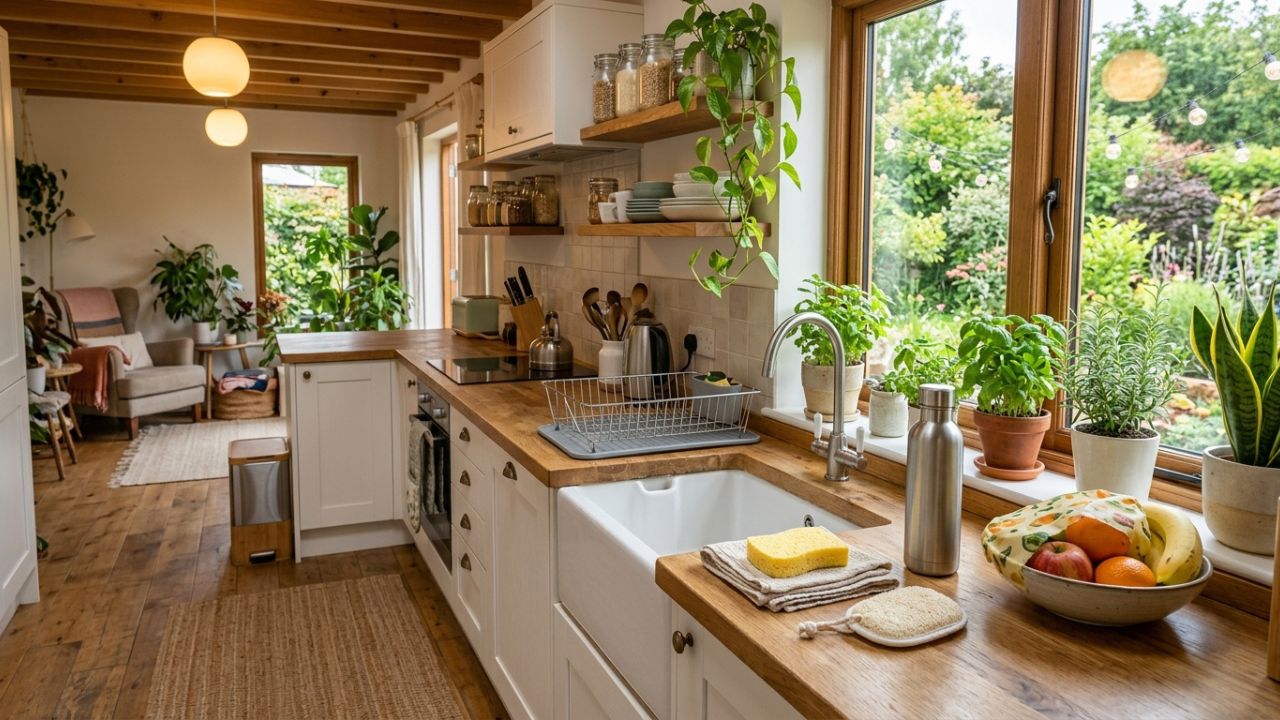
More and more people are rethinking the way they live, shop, and set up their homes. There is a growing awareness that small daily choices add up over time, and that a household can shrink its environmental footprint without sacrificing comfort or style. For anyone who wants to live a greener life, the home is one of the best places to start.
Building a sustainable home does not require a complete renovation or a large budget. It often starts with swapping out a handful of everyday items for eco-friendly alternatives. These small changes reduce waste, cut down on energy and water use, and limit exposure to harmful chemicals, all while saving money in the long run.
This article walks through seven must-have eco-friendly products that can make a real difference in any household. Each one is practical, easy to find, and simple to incorporate into daily routines.
Why Sustainable Home Products Matter
Before diving into the list, it helps to understand why these products matter in the first place. Traditional household items are often made from single-use plastic, packed with synthetic chemicals, or designed to be thrown away after a short period of use. This creates a cycle of waste that fills landfills and pollutes waterways.
Eco-friendly products, on the other hand, are usually designed with a few key principles in mind:
- Reusability, so items last longer and are not thrown away after one use
- Biodegradability, so materials break down naturally instead of sitting in landfills for centuries
- Reduced packaging, which cuts down on plastic waste from the moment a product arrives
- Energy or water efficiency, which lowers utility bills and conserves natural resources
- Non-toxic materials, which are safer for people, pets, and the environment
Choosing these kinds of products is not about being perfect. It is about making better choices where possible and gradually building habits that support a healthier planet.
1. Reusable Beeswax or Plant-Based Food Wraps
Plastic wrap is one of the most common single-use items in any kitchen, and it is rarely recyclable. Reusable food wraps made from beeswax or plant-based waxes offer a simple swap that can eliminate a large amount of plastic waste over time.
These wraps are typically made from cotton fabric coated in a mix of wax, tree resin, and oil. They mold to the shape of a bowl or a piece of food using the warmth of the hands, and they can be washed with cool water and mild soap for reuse over many months.
Why This Product Stands Out
- It replaces hundreds of feet of plastic wrap each year
- It is compostable at the end of its life
- It keeps food fresh just as well as plastic wrap
- It comes in fun patterns and sizes, making kitchen storage more enjoyable
For anyone new to sustainable swaps, this is often the easiest place to begin because it fits naturally into an existing routine.
2. High-Quality Reusable Water Bottle
A durable, reusable water bottle is one of the most impactful items a person can own. Single-use plastic bottles are a major source of pollution, and many end up in oceans and landfills instead of recycling centers.
A well-made reusable bottle, whether stainless steel, glass, or durable BPA-free material, can last for years with proper care. Beyond reducing plastic waste, it often keeps drinks colder or hotter for longer, which adds a practical bonus to the environmental one.
What to Look For
- Double-wall insulation for temperature retention
- A leak-proof lid for daily use on the go
- Materials that are free from harmful chemicals
- A size that matches daily hydration needs
Households that invest in reusable bottles for every family member, including kids, often notice a significant drop in the number of plastic bottles purchased each month.
3. Compost Bin for Kitchen Scraps
Food waste is a surprisingly large contributor to greenhouse gas emissions when it ends up in landfills, where it breaks down without oxygen and releases methane. A simple countertop or under-sink compost bin makes it easy to divert food scraps away from the trash and turn them into nutrient-rich soil instead.
Composting does not need to be complicated. Many bins come with charcoal filters to control odor, and scraps can be transferred to an outdoor compost pile, a community composting program, or a local drop-off location.
Benefits of Composting at Home
- Reduces the amount of trash sent to landfills
- Creates free, nutrient-rich soil for gardens and potted plants
- Cuts down on methane emissions from decomposing food waste
- Encourages more mindful food purchasing and less waste overall
Even apartment dwellers without outdoor space can compost using small indoor systems or by dropping scraps off at a local farmers market or community garden.
4. Energy-Efficient LED Light Bulbs
Lighting accounts for a meaningful portion of household energy use, and switching to LED bulbs is one of the simplest upgrades a home can make. LED bulbs use significantly less electricity than traditional incandescent bulbs and last many times longer, which means fewer replacements and less waste over time.
Comparing Light Bulb Types
| Bulb Type | Average Lifespan | Energy Use | Environmental Impact |
|---|---|---|---|
| Incandescent | 1,000 hours | High | Frequent replacements, more waste |
| CFL | 8,000 hours | Moderate | Contains small amounts of mercury |
| LED | 25,000 hours | Low | Long-lasting, minimal waste, no mercury |
Because LED bulbs last so much longer, they reduce the manufacturing and packaging waste that comes with constantly buying replacements. Over the lifespan of a single LED bulb, a household can avoid dozens of trips to the store for new incandescent bulbs.
5. Refillable Cleaning Product System
Cleaning supplies are another area where plastic waste tends to pile up quickly. Nearly every bottle of spray cleaner, dish soap, or laundry detergent is packaged in single-use plastic, even when the product inside is used up in a matter of weeks.
Refillable cleaning systems solve this problem by pairing a durable, reusable bottle with concentrated refill options. These refills often come in compostable pouches or tablets that dissolve in water, drastically cutting down on the plastic used per bottle.
Why Refillable Systems Work
- One bottle can be reused indefinitely instead of thrown away
- Concentrated refills take up less space and reduce shipping emissions
- Many formulas are made with plant-based, non-toxic ingredients
- Refill packaging is often compostable or made from recycled materials
Switching just a few cleaning products to a refillable system can noticeably cut down on the plastic waste generated in a typical month.
6. Natural Fiber Cleaning Cloths and Sponges
Traditional sponges and microfiber cloths are usually made from synthetic materials that shed microplastics every time they are used and washed. These tiny plastic fibers often make their way into waterways, where they are difficult to filter out and can harm aquatic life.
Natural fiber alternatives, such as cloths made from cotton, bamboo, or hemp, and sponges made from cellulose or loofah, offer a more sustainable option. They are biodegradable, often compostable, and just as effective for everyday cleaning tasks.
Simple Swaps to Consider
- Cotton or bamboo cloths instead of synthetic microfiber
- Cellulose sponges instead of standard foam sponges
- Loofah scrubbers for dishes and surfaces
- Wool dryer balls instead of dryer sheets
These small changes reduce the amount of microplastic pollution generated by a household, which is an often-overlooked source of environmental harm.
7. Solar-Powered Outdoor Lighting
For homes with outdoor space, solar-powered lighting is an easy way to reduce electricity use while still keeping walkways, gardens, and patios well lit. These lights charge during the day using built-in solar panels and turn on automatically at dusk, eliminating the need for wiring or a connection to the home’s electrical grid.
Advantages of Solar Outdoor Lighting
- No electricity costs since the lights run entirely on sunlight
- Easy installation without the need for outdoor wiring
- Reduced reliance on fossil fuel-generated electricity
- Long lifespan with minimal maintenance required
Solar lighting is a great example of how sustainable products can also be the most convenient option, since there are no cords to manage and no bulbs to constantly replace.
Building Sustainable Habits Over Time
Switching to eco-friendly products does not need to happen all at once. Many people find success by focusing on one area of the home at a time, whether that is the kitchen, the bathroom, or outdoor spaces. As old products run out or wear down, they can be replaced with more sustainable alternatives instead of repurchasing the same disposable items.
A few tips can make this transition smoother:
- Start with the products used most often, since they offer the biggest impact
- Look for items made from recycled or renewable materials
- Choose products with minimal or plastic-free packaging
- Support local or small businesses that prioritize sustainable practices
- Keep an eye on quality, since durable products are used longer and create less waste
Final Thoughts
Creating a more sustainable home is a gradual process built on small, consistent choices. The seven products covered here, reusable food wraps, a durable water bottle, a compost bin, LED light bulbs, a refillable cleaning system, natural fiber cleaning cloths, and solar-powered outdoor lighting, offer a practical starting point for anyone looking to reduce their environmental footprint.
None of these swaps require a major lifestyle overhaul. Instead, they fit naturally into daily routines while cutting down on waste, saving energy, and supporting a healthier planet. Over time, these small changes add up, proving that sustainability at home is not about perfection, but about steady, meaningful progress.



