
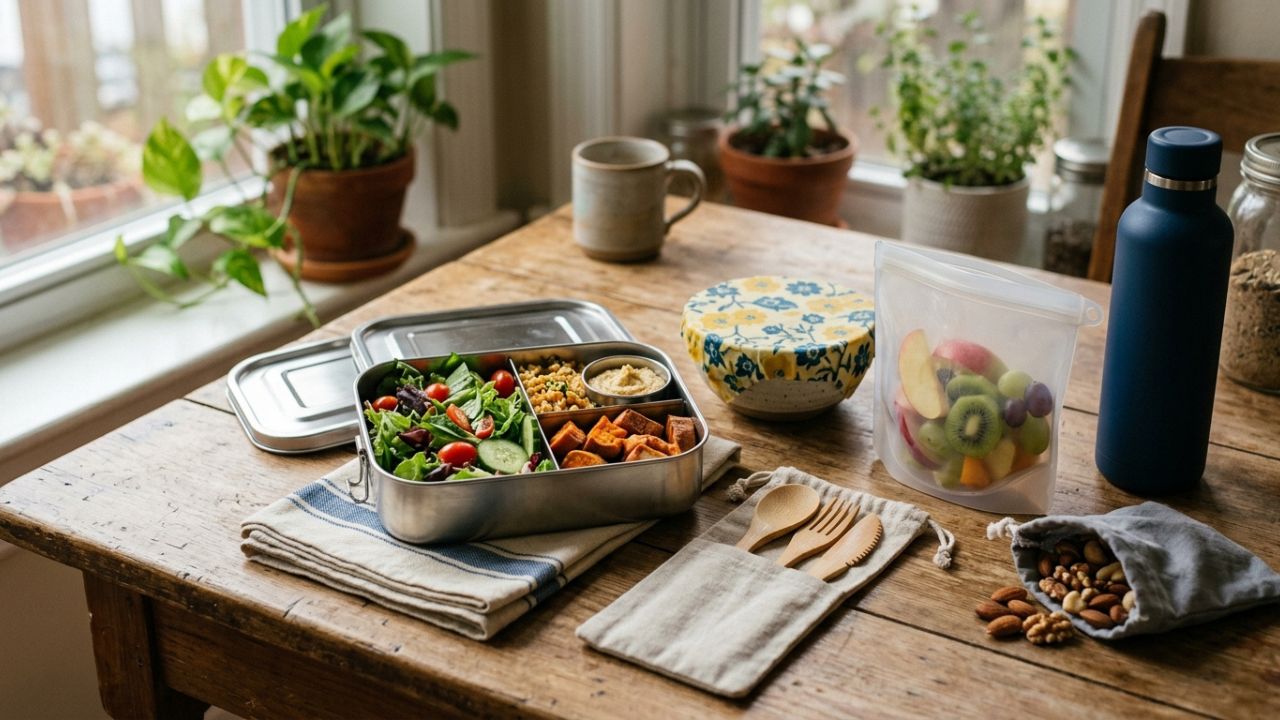
Packing lunches and snacks is a daily task for millions of people, whether it is for work, school, or a day out. For anyone trying to live a more sustainable lifestyle, this daily routine offers a simple but powerful opportunity to cut down on waste.
Every disposable sandwich bag, plastic wrap sheet, and paper napkin adds up over time, filling landfills and using resources that could easily be avoided. Switching to reusable products is one of the easiest ways to make a real difference without changing much about the actual food being packed.
This article looks at seven must-have reusable products that make packing food and lunches easier, cleaner, and far more eco-friendly. These items are practical, widely available, and designed to replace the single-use products that most households go through without a second thought.
Why Switching to Reusable Lunch Products Matters
Before diving into the products themselves, it helps to understand why this switch is worth making. Single-use plastic bags, wraps, and containers are convenient, but they come with a hidden cost. Most of them are used for a matter of minutes before being thrown away, yet they can take hundreds of years to break down in a landfill.
Reusable lunch products solve this problem by being designed to last. A single reusable container or wrap can replace hundreds, sometimes thousands, of disposable alternatives over its lifetime. This has a direct impact on the amount of waste a household produces, and it can also save money in the long run since there is no need to keep buying disposable bags and wraps.
There is also a practical side to this shift. Many reusable products are better at keeping food fresh, easier to clean, and safer to use than their plastic counterparts, especially when it comes to avoiding chemicals that can leach into food from lower quality plastics.
1. Reusable Silicone Food Bags
Silicone food bags are one of the most popular swaps for plastic sandwich and snack bags. They are made from food-grade silicone, which is durable, flexible, and safe to use with both hot and cold foods.
These bags typically feature a secure seal that keeps food fresh, and many are designed to stand upright, making them easy to fill. They can be used to pack sandwiches, cut fruit, trail mix, or even liquids like soups and sauces. Most are dishwasher safe, freezer safe, and can go in the microwave, which makes them far more versatile than a plastic bag that gets thrown away after one use.
Why They Work Well for Lunches
- Can be washed and reused thousands of times
- Flexible enough to fit into tight spaces in a lunch bag
- Available in multiple sizes for snacks, sandwiches, or larger meals
- Many are freezer friendly, so they can double as meal prep storage
2. Beeswax or Plant-Based Food Wraps
Beeswax wraps have become a favorite alternative to plastic cling wrap. Made from cotton fabric coated in beeswax, tree resin, and oil, these wraps are naturally tacky, which allows them to mold around food or the top of a bowl to create a seal.
For those who prefer a fully plant-based option, there are also vegan wraps made using plant wax instead of beeswax, offering the same function without any animal-derived ingredients.
These wraps are ideal for wrapping sandwiches, covering cut fruit and vegetables, or sealing the top of a bowl. After use, they can be rinsed with cool water and mild soap, air dried, and used again. With proper care, a single wrap can last close to a year before needing to be replaced or refreshed with a bit more wax.
Best Uses
- Wrapping sandwiches and wraps
- Covering cut avocado, melon, or other produce
- Sealing bowls or jars instead of using plastic wrap
- Wrapping cheese or baked goods
3. Stainless Steel Bento-Style Lunch Boxes
A good stainless steel lunch box is one of the most durable investments someone can make for packing meals. Unlike plastic containers, stainless steel does not stain, absorb odors, or degrade over time from repeated use and washing.
Many of these lunch boxes come in a bento-style design with multiple compartments, which makes it easy to pack a balanced meal with separate sections for a main dish, sides, and snacks. This design also helps prevent foods from mixing together, which can be a common frustration with single-compartment containers.
Stainless steel containers are naturally resistant to bacteria growth, which makes them a hygienic choice for food storage. They are also fully recyclable at the end of their long lifespan, unlike most plastic containers.
Advantages of Stainless Steel
- Long lasting and resistant to dents, cracks, and stains
- Naturally free of the chemicals found in some plastics
- Easy to clean and does not hold onto smells
- Often comes with dividers for balanced meal packing
4. Cloth Napkins
Cloth napkins are a small change that can make a noticeable difference over time. A household that uses paper napkins daily can go through thousands of them each year, all of which end up in the trash after a single use.
Switching to cloth napkins means having a small stack that gets washed along with regular laundry. They can be made from cotton, linen, or other natural fibers, and they tend to be more absorbent and pleasant to use than paper versions. For lunches packed for school or work, a couple of cloth napkins can be kept on hand and rotated through the wash.
Why Cloth Napkins Are Worth It
- Reduces the need to constantly repurchase paper products
- Soft and durable, lasting for years with proper care
- Can be matched to personal style with different colors and patterns
- Easy to wash along with other laundry
5. Reusable Utensil Sets
Packing a lunch away from home often means needing a fork, spoon, or knife, and plastic disposable utensils are one of the most commonly used and wasted items in this category. A reusable utensil set solves this problem by providing a compact set of utensils that can travel in a lunch bag and be washed and reused daily.
Many of these sets are made from stainless steel or bamboo and come with a small carrying case that keeps them clean and contained. Bamboo options are lightweight and biodegradable at the end of their life, while stainless steel options tend to be more durable for long term daily use.
Features to Look For
- A compact case to keep utensils together and clean
- Lightweight materials that do not add bulk to a lunch bag
- A set that includes the basics such as a fork, spoon, and knife
- Materials that are dishwasher safe for easy cleaning
6. Insulated Water Bottles
While not strictly a food packing item, an insulated water bottle is an essential companion to any reusable lunch setup. Disposable water bottles are one of the largest sources of plastic waste worldwide, and a good insulated bottle eliminates the need to buy them altogether.
Insulated bottles, usually made from stainless steel, keep cold drinks cold and hot drinks hot for extended periods of time. This makes them useful not just for water, but for keeping soups warm or smoothies cold when packed alongside a lunch.
Benefits of an Insulated Bottle
- Keeps beverages at the right temperature for hours
- Reduces reliance on single-use plastic bottles
- Durable enough to handle daily use, drops, and travel
- Many designs fit easily into the side pocket of a lunch bag
7. Reusable Snack Pouches
Reusable snack pouches are a smaller version of the reusable food bag, designed specifically for portioning out small snacks like crackers, nuts, or dried fruit. They are especially popular for packing lunches for children, since they are easy to open and close independently.
These pouches are typically made from food-safe fabric with a waterproof lining, or from silicone similar to reusable food bags. They can be washed by hand or in a dishwasher, depending on the material, and are a direct replacement for the small plastic snack bags that often get used once and discarded.
Why They Are Useful
- Perfectly sized for portioning snacks
- Easy for children to open, close, and reuse
- Available in fun patterns and colors that make lunch packing more enjoyable
- Reduces the number of small plastic bags used each week
Comparing the Seven Reusable Lunch Products
| Product | Best For | Care Instructions | Typical Lifespan |
|---|---|---|---|
| Silicone Food Bags | Sandwiches, snacks, liquids | Dishwasher or hand wash | Several years |
| Beeswax or Plant Wraps | Wrapping food, covering bowls | Hand wash with cool water | Up to 1 year |
| Stainless Steel Lunch Box | Full meals, bento-style packing | Hand wash or dishwasher safe options | Many years |
| Cloth Napkins | Everyday lunch and meal use | Machine wash with laundry | Several years |
| Reusable Utensil Sets | On-the-go meals | Dishwasher or hand wash | Many years |
| Insulated Water Bottles | Hot and cold beverages | Hand wash, some dishwasher safe | Many years |
| Reusable Snack Pouches | Portioned snacks | Hand wash or dishwasher, depending on material | Several years |
Tips for Making the Switch Easier
Moving away from disposable lunch products does not need to happen all at once. A gradual approach tends to work best, especially for households or families that are used to relying on convenience items.
- Start with one or two items, such as swapping paper napkins for cloth and plastic bags for silicone ones
- Keep reusable items in a visible, easy to reach spot so they become part of the daily routine
- Wash reusable products right after use to make them ready for the next day
- Involve children in choosing their own reusable pouches or containers to make the switch feel exciting rather than like a chore
- Keep a backup set of items like utensils or napkins on hand in case one set is still in the wash
Final Thoughts
Packing lunches with reusable products is a simple but meaningful way to reduce daily waste and move toward a more sustainable lifestyle.
Items like silicone food bags, beeswax wraps, stainless steel containers, cloth napkins, reusable utensils, insulated bottles, and snack pouches all work together to replace the disposable products that so many households rely on without thinking twice.
None of these swaps require a complete lifestyle overhaul. They simply replace one habit with a slightly better one, and over time, those small changes add up to a noticeable reduction in household waste.
For anyone looking to take a practical first step toward sustainability, rethinking how lunches and snacks are packed is one of the easiest and most rewarding places to start.



