The kitchen is often the heart of the home, but it is also one of the biggest sources of household waste. Between plastic packaging, single use items, and energy hungry appliances, the average kitchen has a lot of room for improvement. The good news is that small, thoughtful changes can add up to a big impact over time.
Anyone interested in living a greener lifestyle does not need to overhaul their entire kitchen overnight. Instead, swapping out a few everyday items for smarter, more sustainable alternatives can reduce waste, save money, and cut down on unnecessary consumption. Below are seven smart products worth considering for a kitchen that is kinder to the planet.
Why Kitchen Sustainability Matters
Before diving into the product list, it helps to understand why the kitchen deserves special attention. Kitchens generate a large share of household trash, much of it from food packaging, paper towels, and disposable containers. They also tend to use a lot of energy and water, especially with appliances like refrigerators, dishwashers, and ovens running throughout the day.
Making sustainable swaps in the kitchen offers several benefits:
- Less plastic waste ending up in landfills and oceans
- Lower monthly grocery and utility bills over time
- Reduced exposure to chemicals found in some disposable products
- A smaller overall carbon footprint for the household
- A more organized and intentional way of cooking and storing food
With that context in mind, here are seven products that can make a real difference.
1. Reusable Silicone Food Storage Bags
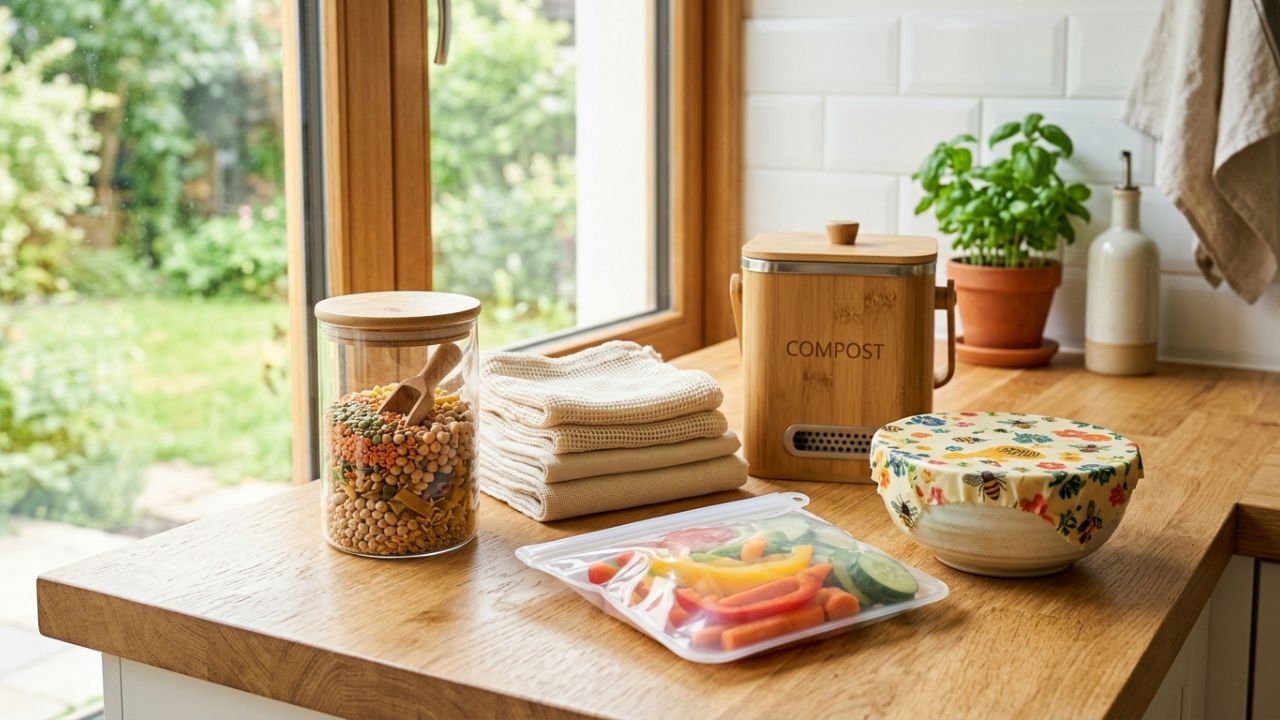
Plastic sandwich and freezer bags are a kitchen staple for many households, but they are used once and thrown away almost immediately. Reusable silicone storage bags solve this problem by offering a durable, washable alternative that can be used hundreds of times.
These bags are typically made from food grade silicone, which is heat resistant, freezer safe, and dishwasher friendly. They can hold everything from sliced vegetables to marinated meats, and many come in various sizes to match different storage needs.
Why It Helps the Environment
A single reusable bag can replace hundreds of disposable plastic bags over its lifetime. Since silicone does not break down into microplastics the way traditional plastic does, it is also considered a safer long term option for both people and the environment.
2. Compost Bin for Food Scraps
Food waste is one of the biggest contributors to landfill methane emissions, a greenhouse gas that is far more potent than carbon dioxide in the short term. A countertop compost bin makes it easy to collect vegetable peels, coffee grounds, eggshells, and other food scraps instead of tossing them in the trash.
Many compost bins are designed with charcoal filters to control odor, making them practical even for smaller kitchens or apartments. Once full, the scraps can be transferred to an outdoor compost pile, a community composting program, or a municipal collection service if one is available locally.
Getting Started with Composting
- Choose a bin size that matches how much food waste the household typically produces
- Line the bin with compostable bags for easy cleanup
- Empty it every few days to avoid odor buildup
- Learn which items are compostable, since not everything from the kitchen belongs in the bin
3. Beeswax or Plant Based Food Wraps
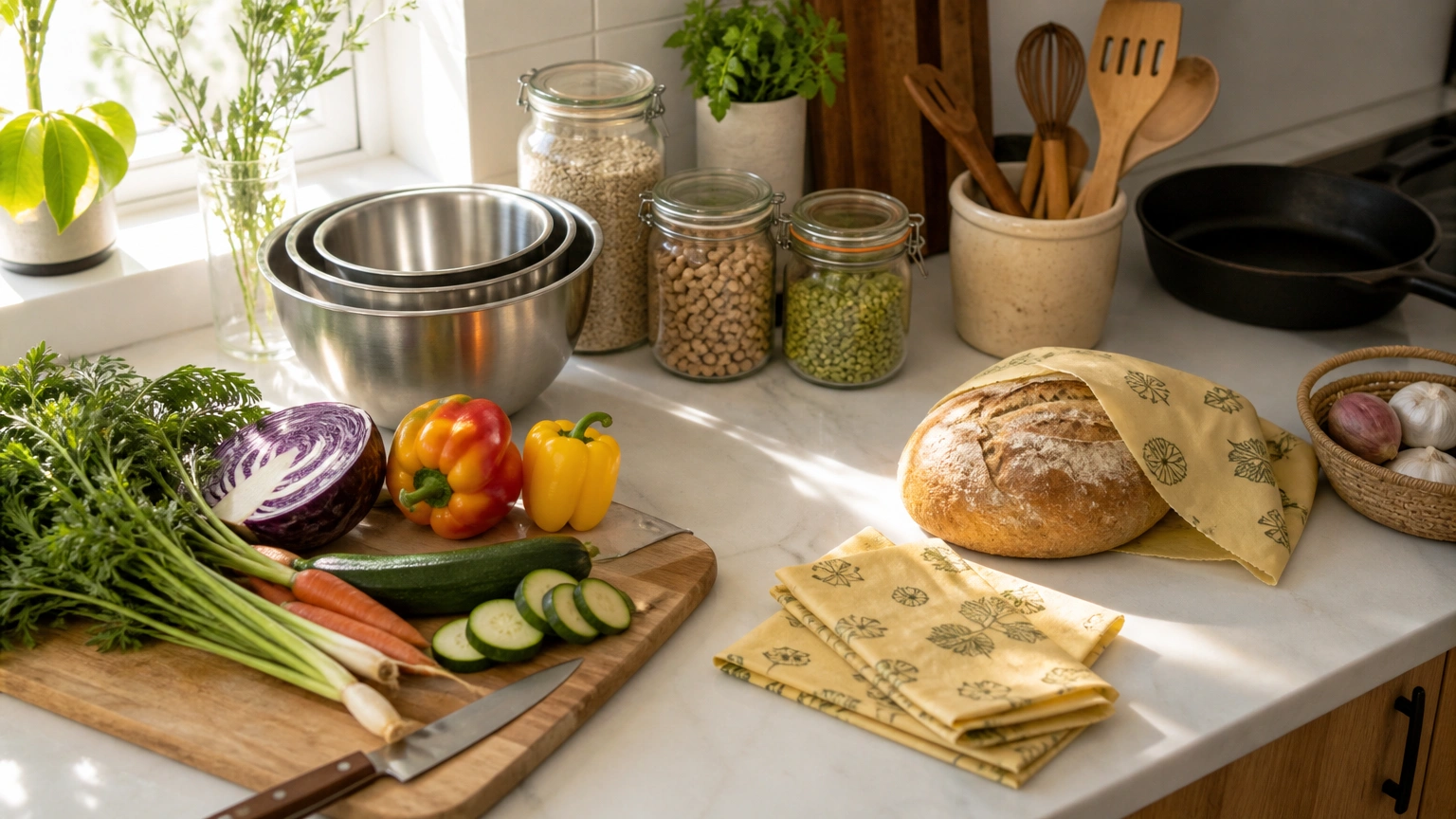
Plastic wrap is another single use item that quietly piles up in landfills. Beeswax wraps, and their vegan alternatives made from plant based waxes, offer a reusable substitute that can cover bowls, wrap sandwiches, or preserve half cut fruits and vegetables.
These wraps soften with the warmth of your hands, allowing them to mold around containers or food items to create a seal. Afterward, they can be rinsed with cool water and mild soap, then air dried and reused again.
A Simple Comparison
| Feature | Plastic Wrap | Reusable Food Wraps |
|---|---|---|
| Lifespan | Single use | Several months to a year |
| Material | Petroleum based plastic | Beeswax, plant wax, or cotton |
| Compostable | No | Often yes, depending on materials |
| Cost over time | Ongoing repurchase | One time or occasional purchase |
| Breathability | Not breathable | Breathable, good for produce |
4. Water Filter Pitcher or System
Bottled water contributes significantly to plastic pollution, and many households buy cases of it out of habit or convenience. A quality water filter pitcher, or an under sink filtration system, can eliminate the need for bottled water while still providing clean, great tasting drinking water.
Filters typically remove chlorine, sediment, and certain contaminants, improving both the taste and safety of tap water. Choosing a filter with a long lasting cartridge also reduces how often replacement parts need to be purchased and disposed of.
Things to Consider When Choosing a Filter
- How often the filter cartridge needs to be replaced
- Whether the filter materials themselves are recyclable
- The overall filtration capacity based on household size
- Certification standards that confirm effective contaminant removal
5. Energy Efficient Small Appliances
Not all kitchen appliances are created equal when it comes to energy use. Choosing energy efficient versions of items like electric kettles, slow cookers, air fryers, and toaster ovens can noticeably reduce electricity consumption compared to older or less efficient models.
Smaller countertop appliances, such as air fryers or toaster ovens, often use less energy than heating up a full sized oven for small meals. This makes them a smart choice for households looking to cook efficiently without sacrificing convenience.
What to Look For
- Appliances with recognized energy efficiency certifications
- Compact designs that use less power for smaller portions
- Adjustable settings that allow for precise cooking times and temperatures, reducing energy waste
- Durable construction that extends the appliance’s usable lifespan
6. Reusable Produce Bags
Grocery shopping often involves grabbing a handful of thin plastic bags to hold loose fruits and vegetables. Reusable produce bags, usually made from mesh, cotton, or recycled materials, offer a simple swap that avoids this unnecessary plastic altogether.
These bags are lightweight, washable, and often see through enough that cashiers can easily identify the contents at checkout. Many shoppers keep a set folded up in their reusable grocery tote so they are always on hand.
Everyday Benefits
- Reduces the number of plastic bags used per shopping trip
- Machine washable for easy cleaning
- Breathable materials help produce stay fresher longer
- Compact enough to carry in a purse, backpack, or car
7. Compostable or Reusable Cleaning Cloths
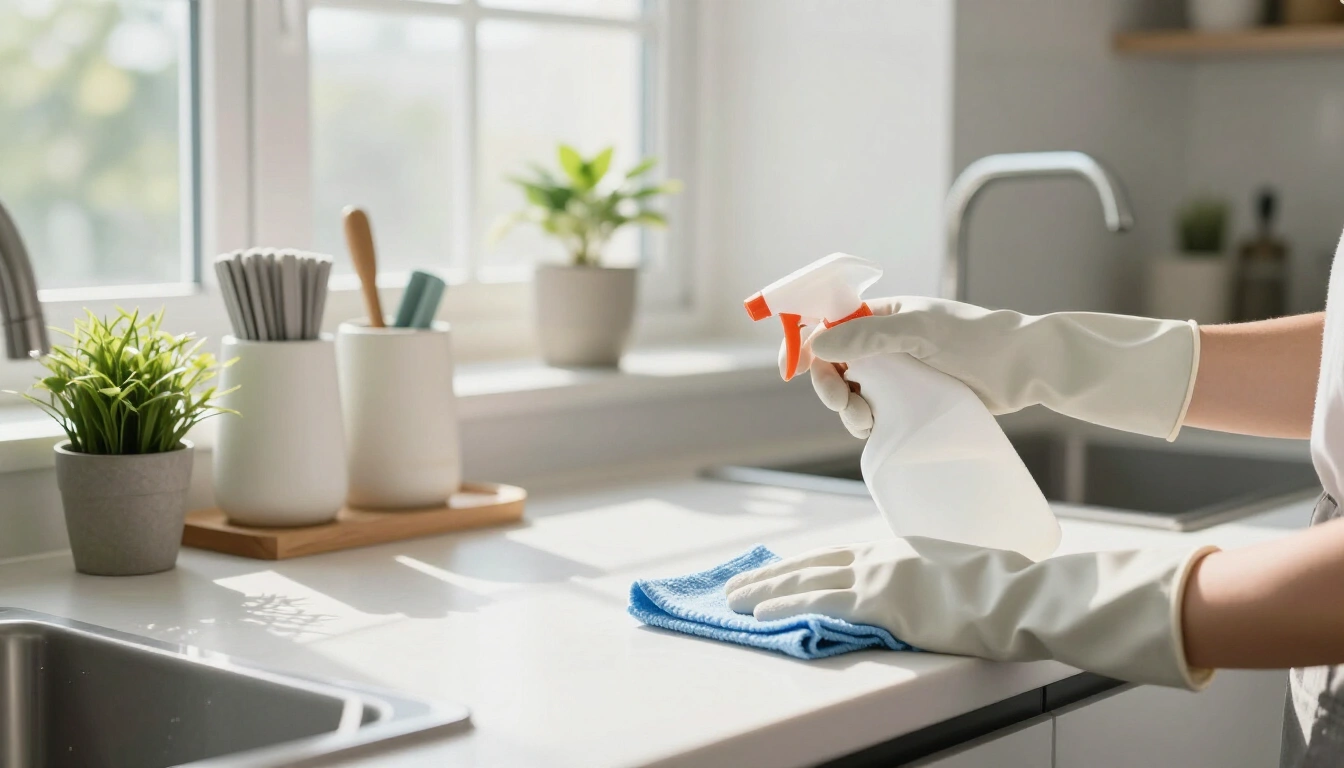
Paper towels are convenient, but they are also a major source of household waste since they are used once and thrown away. Reusable cleaning cloths, made from materials like cotton, bamboo, or unpaper towel style designs, can be washed and used repeatedly for months or even years.
Some brands offer compostable cleaning cloths made from natural fibers that break down at the end of their usable life, which is a helpful option for households not quite ready to commit to fully reusable cloths.
Making the Switch
- Keep a designated bin or drawer for used cloths until laundry day
- Choose thicker fabrics for tougher spills and thinner ones for light wiping
- Wash cloths separately from delicate laundry to maintain their durability
- Pair with a reusable cleaning spray bottle to cut down on disposable cleaning wipes as well
Building Sustainable Habits Over Time
Switching to a more sustainable kitchen does not require buying every product on this list at once. In fact, gradual change tends to stick better than trying to transform everything overnight. A good approach is to replace items as they wear out or run low, starting with whichever swap feels most manageable.
Some households start with composting since it directly addresses food waste, while others begin with reusable bags or wraps because they are inexpensive and easy to introduce. There is no single right order, only the order that fits a particular household’s habits and budget.
A Few Tips for Staying Consistent
- Keep reusable items visible and within easy reach so they become part of the routine
- Set a reminder to bring reusable bags and containers when grocery shopping
- Involve the whole household, including kids, in sorting compost or using reusable wraps
- Track small wins, like a noticeable drop in trash bags used per week, to stay motivated
Final Thoughts
A sustainable kitchen is built one small decision at a time. Reusable storage bags, compost bins, plant based wraps, water filters, energy efficient appliances, reusable produce bags, and washable cleaning cloths are all practical starting points that do not require a complete lifestyle overhaul.
Each of these swaps chips away at the amount of waste a household sends to the landfill while also saving money over time. For anyone looking to live a little more eco-friendly, the kitchen is one of the easiest and most rewarding places to begin.