Living a more sustainable life doesn’t always mean giving things up. Sometimes it simply means discovering smarter alternatives to everyday items that most people never even knew existed.
While reusable straws and tote bags get most of the attention, there is a whole world of clever, well designed eco-friendly products quietly solving problems that regular households face every single day.
This article explores seven of these lesser known inventions. Each one blends practicality with environmental responsibility, proving that going green doesn’t have to feel like a sacrifice. Whether someone is just starting their sustainability journey or looking for the next upgrade to their eco-conscious home, these products are worth a closer look.
Why Lesser Known Eco Products Deserve More Attention
Most people are familiar with the basics of sustainable living, such as composting, recycling, and using cloth bags. These habits are important, but they only scratch the surface of what is possible.
The products featured in this article go a step further by tackling specific everyday annoyances, from food waste to plastic packaging, in ways that are both functional and surprisingly simple.
Choosing these kinds of products offers a few key advantages:
- They reduce reliance on single use plastics in ways people might not have considered before
- They often save money over time despite a higher upfront cost
- They introduce sustainable habits into parts of life that are usually overlooked, like laundry, cleaning, or personal care
- They tend to be built with longevity in mind, meaning less waste ends up in landfills
With that in mind, here are seven surprisingly clever eco-friendly products that deserve a spot on anyone’s radar.
1. Solid Shampoo and Conditioner Bars
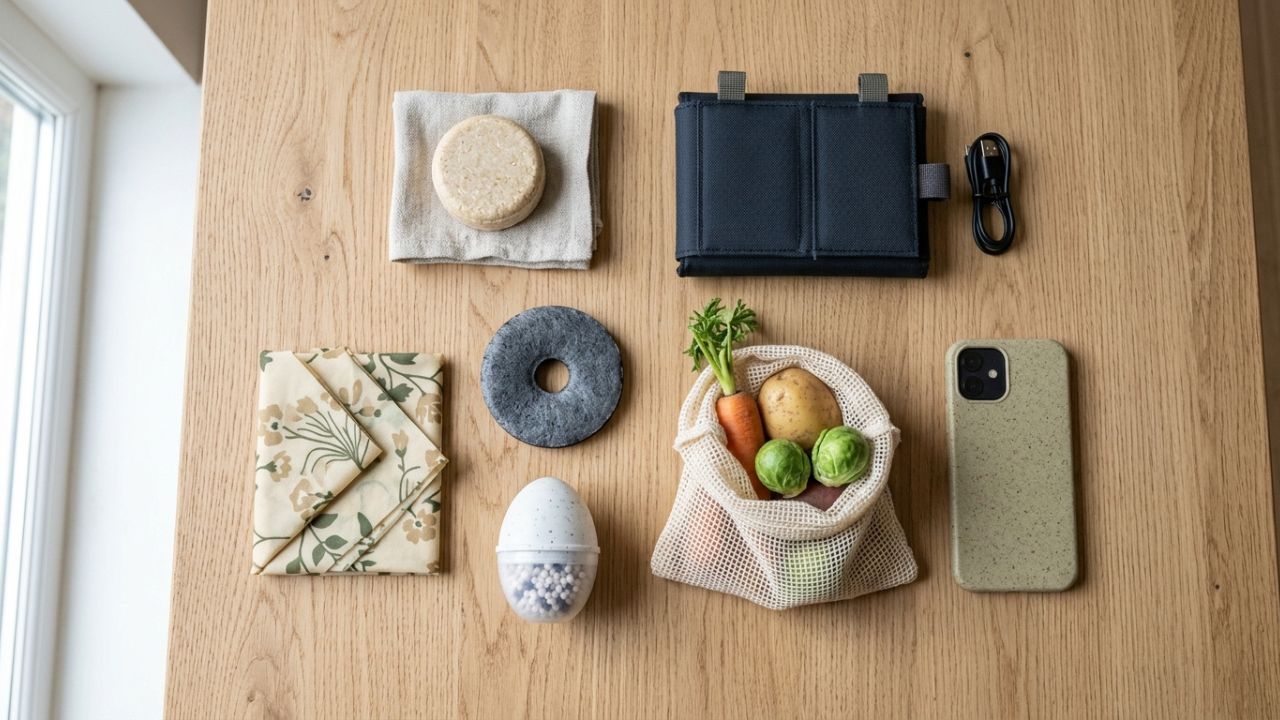
Shampoo bottles are one of the biggest contributors to bathroom plastic waste, yet many people have never tried the solid alternative. Shampoo and conditioner bars look similar to a bar of soap but are formulated specifically for hair.
They typically last two to three times longer than a standard plastic bottle of liquid shampoo, which means fewer purchases and less packaging overall.
Why They Work So Well
These bars are usually made with concentrated ingredients since they contain no water filler, unlike liquid shampoo. This concentration is part of the reason they last so long. Many are also packaged in compostable paper rather than plastic, making them a smart swap for anyone trying to cut down on bathroom waste.
2. Beeswax or Plant Wax Food Wraps
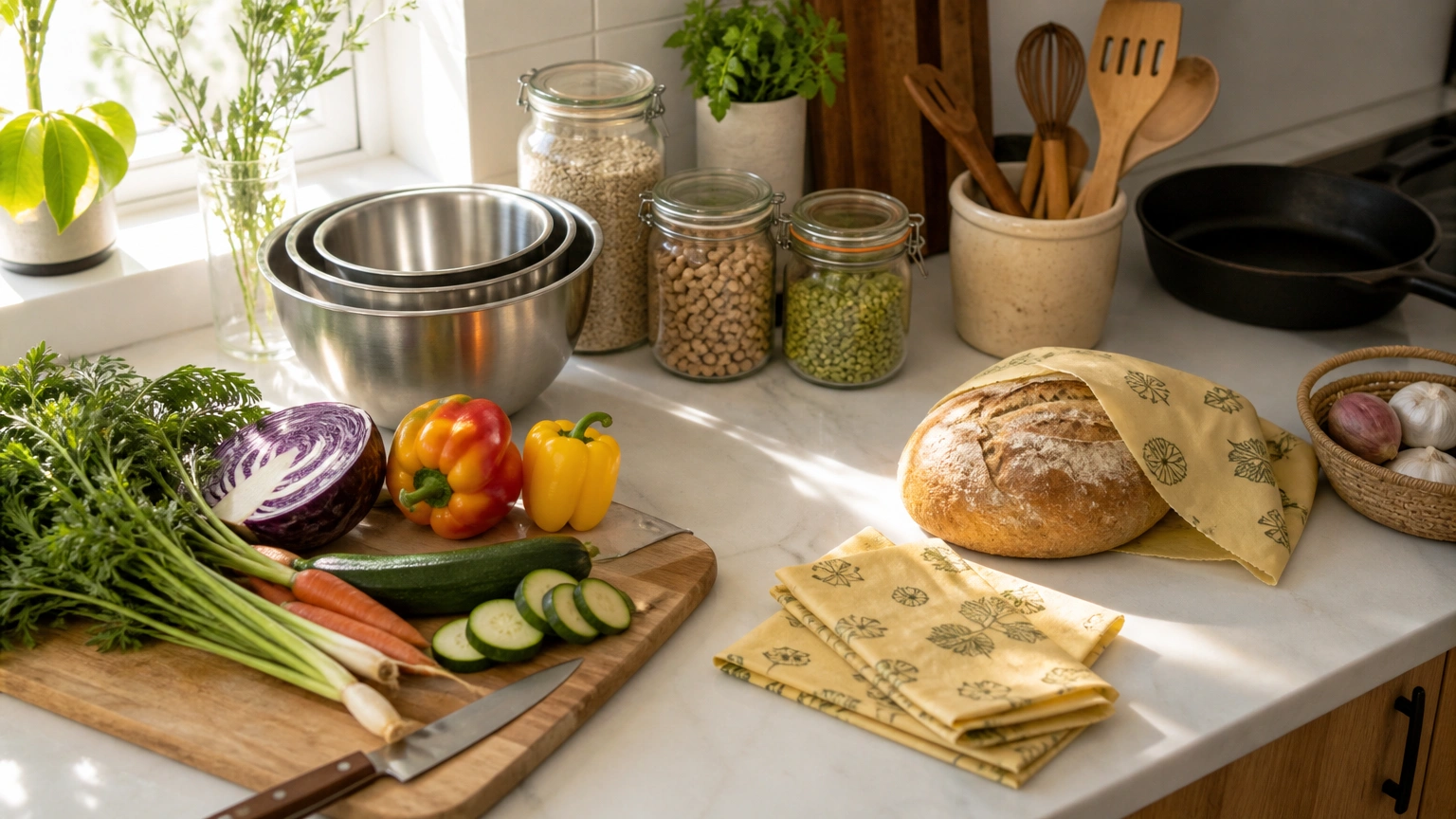
Instead of tearing off a sheet of plastic cling film to cover a bowl of leftovers, more households are turning to reusable wax wraps. These are pieces of fabric coated in beeswax, or a plant based wax for those who prefer a vegan option, that become moldable when warmed by the heat of a person’s hands.
They can be pressed around bowls, wrapped over cut fruit, or folded into pouches for snacks. Once used, they simply get a quick rinse with cool water and mild soap, then reused again. A single wrap can last up to a year with proper care, replacing hundreds of feet of single use plastic wrap.
3. Compost Bin Odor Filters
One of the biggest reasons people avoid composting at home is the smell. A clever but under the radar product solves this exact issue: replaceable charcoal filters designed to sit in the lid of a kitchen compost bin. These filters absorb odors as food scraps break down, making it far more pleasant to keep a compost bin on the kitchen counter.
This small addition removes one of the biggest barriers to composting and makes it realistic for apartment dwellers and small kitchens, not just people with large backyard compost systems.
4. Laundry Egg Alternatives to Detergent Bottles
Laundry detergent bottles are bulky, heavy, and often only partially recyclable due to leftover residue. An interesting alternative gaining popularity is the laundry egg, a reusable device filled with mineral pellets or plant based cleaning beads that get tossed directly into the washing machine with clothes.
These devices typically last for hundreds of washes before needing a refill, and refills come in small pouches rather than large plastic jugs. This drastically cuts down on the plastic waste generated from laundry routines, which is something most people never think about.
A Quick Comparison
| Product Type | Average Lifespan | Packaging Waste | Best For |
|---|---|---|---|
| Traditional liquid detergent | Single use bottle | High | Heavy stain removal |
| Detergent sheets | 1 sheet per load | Low | Travel and small loads |
| Laundry egg or pellets | Hundreds of washes | Very low | Everyday laundry routines |
5. Solar Powered Phone and Device Chargers
Solar chargers have been around for a while, but newer versions are compact, foldable, and genuinely powerful enough for everyday use. These chargers can be clipped to a backpack, propped on a windowsill, or laid out on a balcony to slowly charge phones, tablets, or small power banks using nothing but sunlight.
They are especially useful for people who enjoy hiking, camping, or simply want a backup power source during outages. Beyond convenience, they reduce the small but constant draw of electricity that traditional charging relies on, especially when that electricity comes from non-renewable sources.
6. Reusable Produce Bags Made from Mesh or Cotton
Grocery store produce sections are filled with thin plastic bags meant to hold loose fruits and vegetables, and most of them are used once before being thrown away. Reusable mesh or cotton produce bags solve this problem elegantly. They are lightweight, see-through enough for cashiers to identify contents, and washable.
Many come with a tare weight tag sewn into the bag, which tells cashiers the bag’s weight so it can be subtracted at checkout. This small detail makes them just as convenient as plastic bags, if not more so, since they can also be used to store produce in the fridge afterward.
Simple Ways to Start Using Them
- Keep a few bags folded inside a purse, backpack, or car door pocket
- Use different bag sizes for leafy greens versus root vegetables
- Wash them every couple of weeks in a gentle laundry cycle or by hand
7. Compostable Phone Cases
Phone cases are often made from hard plastics or silicone that can take centuries to break down. A newer wave of phone case manufacturers has started creating cases from plant based materials like flax fiber, wheat straw, or bioplastics that are certified to compost within a matter of months in proper composting conditions.
These cases still offer solid protection against drops and scratches, and many are designed with the same sleek look as traditional plastic cases. For anyone who replaces their phone case every year or two, switching to a compostable version prevents that plastic from lingering in a landfill indefinitely.
How to Choose the Right Eco-Friendly Products for a Household
With so many sustainable products entering the market, it can feel overwhelming to know where to start. A few thoughtful questions can help narrow down the best choices for any household:
- Does the product replace something used frequently, making the environmental impact more meaningful over time
- Is the packaging itself sustainable, or does it simply shift the plastic problem elsewhere
- Will the product actually get used consistently, or is it likely to be abandoned after a few tries
- Does the price reflect genuine quality and longevity, or is it simply riding a sustainability trend
Answering these questions honestly helps avoid the trap of buying trendy items that end up unused in a drawer, which defeats the purpose of trying to live more sustainably in the first place.
Building Sustainable Habits One Swap at a Time
It’s worth remembering that switching to eco-friendly products works best as a gradual process rather than an overnight overhaul. Trying to replace every household item at once can feel overwhelming and expensive, and it often leads to abandoning the effort altogether.
Instead, focusing on one or two swaps at a time, like starting with a shampoo bar or a set of reusable produce bags, allows new habits to form naturally. Once those habits feel normal, adding another product becomes much easier. Over the course of a year, even a few small changes can add up to a meaningful reduction in household waste.
A Simple Starting Checklist
- Choose one bathroom product to swap first, such as shampoo bars or bar soap
- Add one kitchen swap, such as wax wraps or a compost odor filter
- Introduce one laundry or cleaning swap once the first two habits feel natural
- Reassess after a few months and consider adding a travel or tech related swap, like a solar charger or compostable phone case
Final Thoughts
Sustainable living doesn’t have to mean complicated routines or expensive lifestyle changes. Sometimes it simply comes down to knowing which clever products exist and giving them a try. From shampoo bars to compostable phone cases, these seven items prove that small, thoughtful swaps can make a real difference over time.
The most important step is simply getting started. Picking even one product from this list and incorporating it into a daily routine is a meaningful move toward a more sustainable, eco-friendly lifestyle, one small and clever choice at a time.