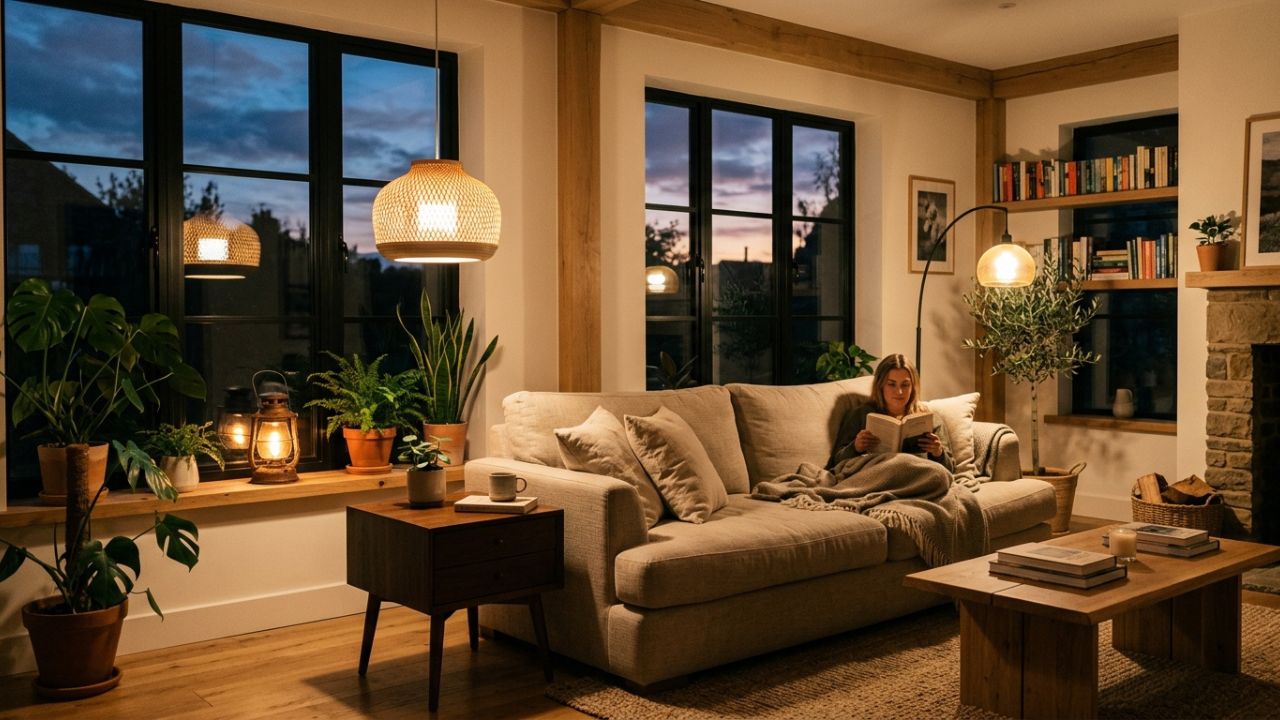
Lighting touches every corner of a home, from the kitchen counter to the reading nook by the window. For anyone trying to live a little lighter on the planet, swapping out old lighting habits is one of the easiest and most rewarding places to start.
It does not require a full renovation or a big budget. It simply requires a willingness to rethink how a home is lit, and which products help get there.
Sustainable lighting is about more than just saving a few dollars on the electricity bill, although that is a welcome bonus. It is about reducing the demand placed on power grids, cutting down on the mining and manufacturing that go into disposable products, and creating a home that feels warm, intentional, and less wasteful.
Below are seven sustainable lighting products worth considering, along with the reasons they matter and how to use them well.
Why Sustainable Lighting Matters
Before diving into the products themselves, it helps to understand why lighting choices carry so much weight in the bigger picture of home energy use.
Lighting can account for a meaningful chunk of a household’s electricity consumption, especially in homes that still rely on older bulb technology. Traditional incandescent bulbs waste most of their energy as heat rather than light, which means a lot of electricity is being spent without actually brightening a room. Multiply that inefficiency across every fixture in a house, and the impact adds up quickly.
There is also the matter of waste. Bulbs that burn out often end up in landfills, and some older types contain materials that are not exactly landfill-friendly. Choosing longer-lasting, more efficient, and better-designed lighting products reduces both the energy pulled from the grid and the physical waste sent to disposal sites.
A few of the everyday benefits of switching to sustainable lighting include:
- Lower monthly electricity bills over time
- Fewer replacement purchases thanks to longer product lifespans
- Reduced strain on local power grids during peak hours
- Less landfill waste from burned-out or broken bulbs
- A warmer, more customizable home atmosphere
With that foundation in place, here are seven products that make a real difference.
1. LED Bulbs
LED bulbs are usually the first recommendation anyone hears when they start looking into energy-efficient lighting, and for good reason. They use a fraction of the electricity that incandescent or even older compact fluorescent bulbs require, and they tend to last many times longer.
What makes LEDs especially appealing for a sustainability-minded household is their versatility. They come in warm and cool tones, dimmable and non-dimmable versions, and a wide range of shapes to fit nearly any fixture. Because they generate very little heat, they are also safer to use in enclosed fixtures or tight spaces where older bulbs might pose a fire risk.
What to Look For
- Bulbs with a high lumens-per-watt ratio for better efficiency
- A color temperature that matches the room’s purpose (warmer for living spaces, cooler for workspaces)
- Dimmable options for rooms where lighting needs to change throughout the day
- Long warranty periods, which usually signal better build quality
2. Solar-Powered Outdoor Lights
Outdoor lighting is often left running for hours without much thought, which makes it a prime target for a sustainable upgrade. Solar-powered outdoor lights capture sunlight during the day and store it in small batteries, then use that stored energy to light pathways, gardens, or entryways after dark.
These lights are particularly appealing because they require no wiring and pull zero electricity from the home’s main supply. They are simple to install, often just a matter of placing them in the ground or mounting them to a wall, and they tend to work well in most climates as long as they get a reasonable amount of daily sunlight.
Solar lighting is a great fit for:
- Garden pathways and walkways
- Porch and entryway accents
- Fence or deck lighting
- Driveway markers
3. Motion-Sensor Fixtures
Motion-sensor lighting is one of those upgrades that feels almost invisible once it is installed, but the energy savings are significant. Instead of lights running continuously or being left on by accident, motion sensors ensure that lighting only activates when someone is actually present.
This is especially useful in spaces that see occasional traffic, like hallways, garages, closets, laundry rooms, and outdoor entry points. Motion-sensor fixtures paired with LED bulbs create a combination that is both efficient and convenient, since the home lights itself only when needed.
Common Places to Install Motion-Sensor Lighting
| Location | Why It Works Well |
|---|---|
| Garage | Frequently left on by mistake |
| Hallways | Short visits don’t need constant lighting |
| Closets | Easy to forget to switch off |
| Outdoor entryways | Adds security without wasted energy |
| Laundry rooms | In-and-out use throughout the day |
4. Smart Lighting Systems
Smart lighting takes energy efficiency a step further by giving homeowners more control over how, when, and where their lights operate. These systems typically connect to a phone app or a home hub, allowing schedules, dimming levels, and even room-by-room settings to be adjusted with a few taps.
The sustainability benefit comes from the level of control these systems offer. Lights can be programmed to turn off automatically when no one is home, dimmed during daylight hours, or grouped so that entire sections of a house can be powered down at once. Over time, this kind of precise control can meaningfully reduce unnecessary energy use.
Smart lighting systems also tend to pair naturally with LED bulbs, since most are designed with LED compatibility in mind. For anyone who already forgets to turn off lights before leaving the house, this kind of system can be a genuinely practical upgrade rather than just a novelty.
5. Daylight-Harvesting Fixtures
Daylight harvesting is a lesser-known but highly effective approach to sustainable lighting. Fixtures designed for daylight harvesting use sensors to detect how much natural light is already entering a room, then automatically adjust the artificial lighting to compensate. On a bright afternoon, the fixture might dim itself or shut off entirely. On a cloudy day, it brightens to make up the difference.
This approach is especially useful in rooms with large windows or skylights, where natural light already does much of the work for part of the day. Rather than relying on a person to remember to switch lights on and off as conditions change, the fixture handles it automatically.
Rooms that benefit most from daylight-harvesting fixtures include:
- Sunrooms and rooms with large windows
- Home offices near natural light sources
- Kitchens with skylights
- Open-plan living spaces
6. Reclaimed or Upcycled Light Fixtures
Sustainability is not only about energy consumption. It is also about reducing the demand for new raw materials and giving existing objects a second life. Reclaimed or upcycled light fixtures, ones built from repurposed wood, salvaged metal, vintage glass, or reused industrial parts, offer a way to bring character into a home while avoiding the resource use tied to brand-new manufacturing.
These fixtures often carry a distinct, one-of-a-kind look that mass-produced lighting simply cannot replicate. A pendant light made from a reclaimed mason jar or a lamp built from salvaged pipe fittings tells a story, and it keeps materials out of landfills that would otherwise go unused.
Pairing a reclaimed fixture with an energy-efficient LED bulb combines the best of both worlds: reduced material waste and reduced energy consumption in a single product.
7. Dimmer Switches and Timers
Dimmer switches and timers might not seem like standalone lighting products, but they play a major supporting role in any sustainable lighting setup. Dimmers allow a room’s brightness to be adjusted based on actual need rather than defaulting to full power every time a switch is flipped. Lower brightness settings use less electricity, and they also extend the lifespan of the bulbs themselves.
Timers, meanwhile, take the guesswork out of remembering to turn lights off. They are especially useful for outdoor lighting, holiday displays, or rooms that tend to get left on unintentionally, like a home office or a kids’ playroom.
Simple Ways to Use Dimmers and Timers
- Set outdoor lights on a timer that matches sunset and sunrise
- Use dimmers in bedrooms and living rooms for evening relaxation
- Pair timers with holiday or accent lighting to avoid overnight waste
- Install dimmers in dining areas to create adjustable ambiance
Building a Lower-Energy Lighting Plan
Switching to sustainable lighting does not need to happen all at once. A gradual approach often works better, both for the budget and for making thoughtful choices about which products fit each room.
A practical way to start is by identifying the rooms with the highest lighting use, such as kitchens, living rooms, and home offices, and prioritizing those spaces first. From there, outdoor lighting and less-frequently used rooms can follow. Over a few months, an entire home can transition to a lower-energy lighting setup without much disruption.
It also helps to think about layering. A single ceiling fixture rarely serves a room well on its own. Combining ambient lighting, task lighting, and accent lighting, all using efficient bulbs and thoughtful fixtures, creates a home that feels warmer and more functional while still using less energy overall.
Final Thoughts
Sustainable lighting is one of the more approachable ways to reduce a home’s environmental footprint. From simple LED swaps to smarter systems that adjust automatically throughout the day, these seven products offer a range of entry points depending on budget, effort, and personal style.
None of them require sacrificing comfort or aesthetics. If anything, many of these upgrades make a home feel more intentional and better cared for.
Small changes in lighting choices add up over time, both in terms of energy savings and in the broader effort to live a little more gently on the planet. Whether it starts with a single LED bulb or a full room-by-room overhaul, every step toward lower-energy lighting is a step worth taking.