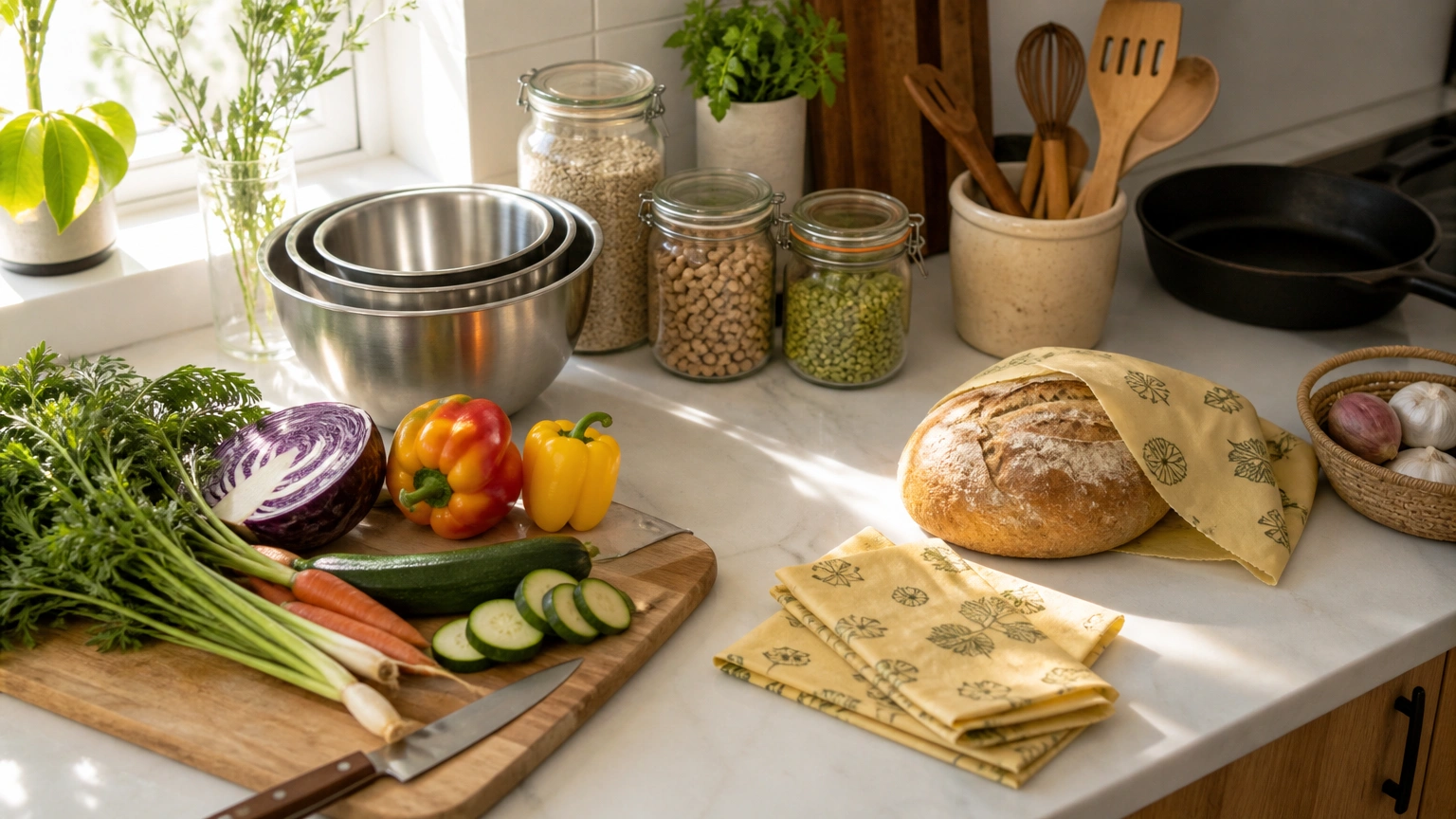
There is something deeply satisfying about eating a tomato that was still on the vine an hour ago, or tossing fresh herbs into a meal that never touched a plastic clamshell.
Growing your own food has become one of the most popular ways for people to live a greener life, cut down on grocery waste, and reconnect with where their meals actually come from. It does not require a farm, a big backyard, or years of gardening experience.
With the right tools, almost anyone can start turning a balcony, patio, or small plot of land into a source of fresh, homegrown produce.
The good news is that home gardening has become far more accessible thanks to a wave of sustainable products designed to make growing food easier, more efficient, and better for the planet. These tools reduce water waste, cut down on plastic, support healthier soil, and help beginners avoid the common mistakes that lead to failed harvests. This article walks through seven sustainable products worth considering for anyone who wants to grow their own food while keeping their environmental footprint small.
Why Growing Your Own Food Supports a Sustainable Lifestyle
Before diving into the products themselves, it helps to understand why home food growing matters so much for sustainability. Store-bought produce often travels hundreds or thousands of miles before it reaches a plate, using fuel, packaging, and refrigeration along the way. Growing food at home shortens that journey to just a few steps outside the door.
Home gardening also reduces the demand for single-use plastic packaging, supports pollinators when done with organic methods, and gives people more control over pesticides and chemical use. Even a small herb garden on a windowsill can lower a household’s reliance on store-bought greens that are often wrapped in plastic and shipped long distances.
- Fewer food miles and less transportation-related carbon
- Less plastic packaging waste from store-bought produce
- Healthier soil and reduced pesticide exposure
- Better connection to seasonal eating habits
- Opportunities to compost and close the waste loop at home
With that foundation in mind, here are seven sustainable products that make growing food at home easier and more effective.
1. Compost Bins and Composters
Healthy soil is the foundation of any successful garden, and compost is one of the best ways to build it naturally. A good compost bin turns kitchen scraps, coffee grounds, eggshells, and yard waste into nutrient-rich material that feeds plants without synthetic fertilizers.
Compost bins come in many forms, from simple outdoor tumblers to compact countertop bins designed for small kitchens. Choosing one that fits the available space makes it far more likely that composting becomes a consistent habit rather than an occasional chore.
What to Look For
- A design that suits available outdoor or indoor space
- Materials like recycled plastic or untreated wood
- Good airflow to speed up decomposition
- Easy access for turning and harvesting finished compost
Composting not only reduces the amount of food waste sent to landfills, where it produces methane, but it also creates free, natural fertilizer that keeps a garden thriving season after season.
2. Rain Barrels and Water Collection Systems
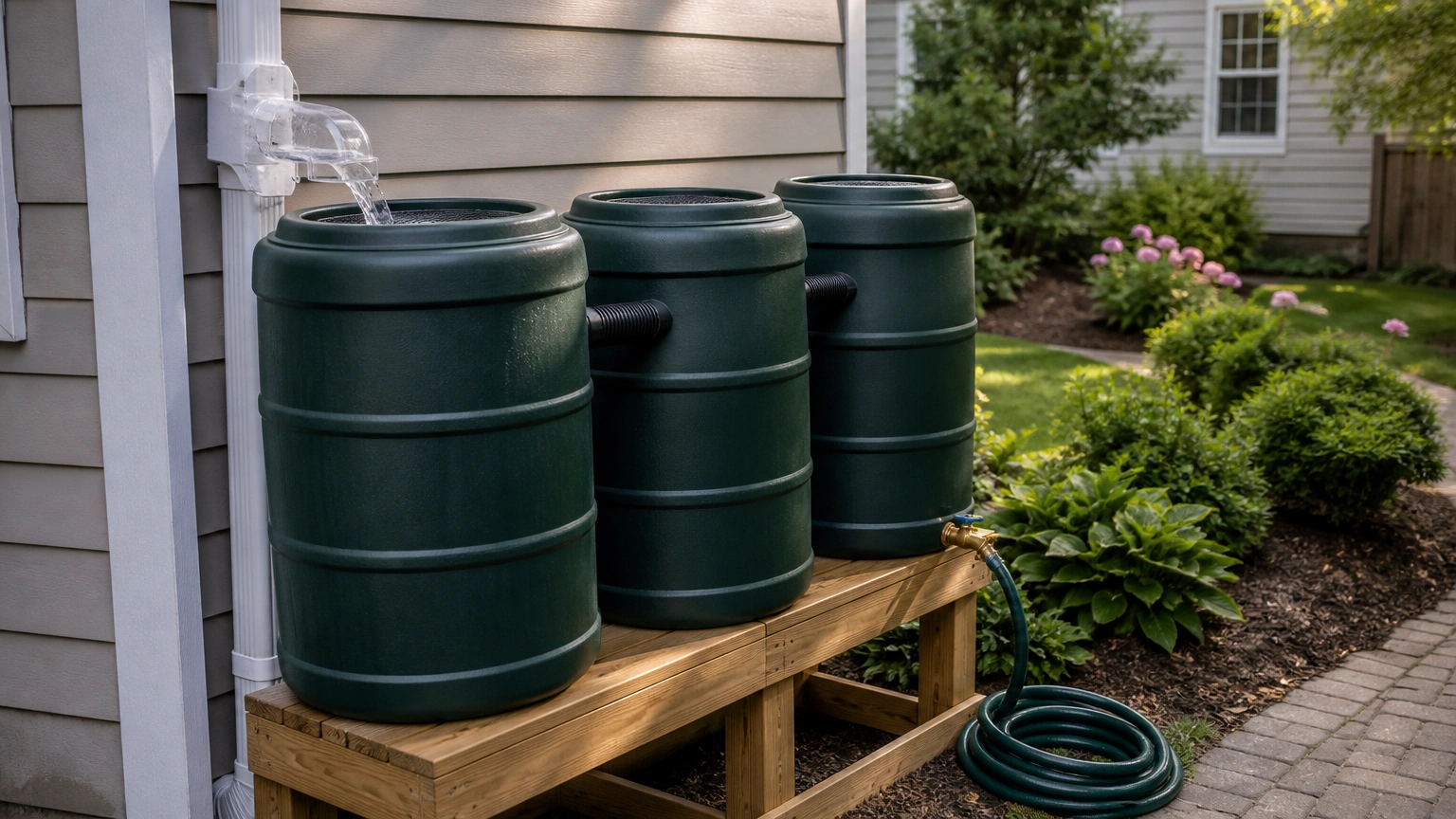
Water use is one of the biggest environmental considerations in gardening, and rain barrels offer a simple way to reduce reliance on treated tap water. These systems collect rainwater from roof gutters and store it for later use on garden beds, containers, or raised planters.
Rain barrels are especially useful in regions that experience dry spells, since stored rainwater can be used during periods when watering restrictions might otherwise limit garden growth. Many modern designs include spigots, overflow valves, and mesh screens to keep debris and mosquitoes out.
- Reduces demand on municipal water supplies
- Lowers water bills over time
- Provides chlorine-free water that many plants prefer
- Helps manage stormwater runoff around the home
For those without gutters or a yard, smaller countertop water catchment systems or simple buckets placed outside during rain can still make a noticeable difference.
3. Raised Garden Beds Made from Sustainable Materials
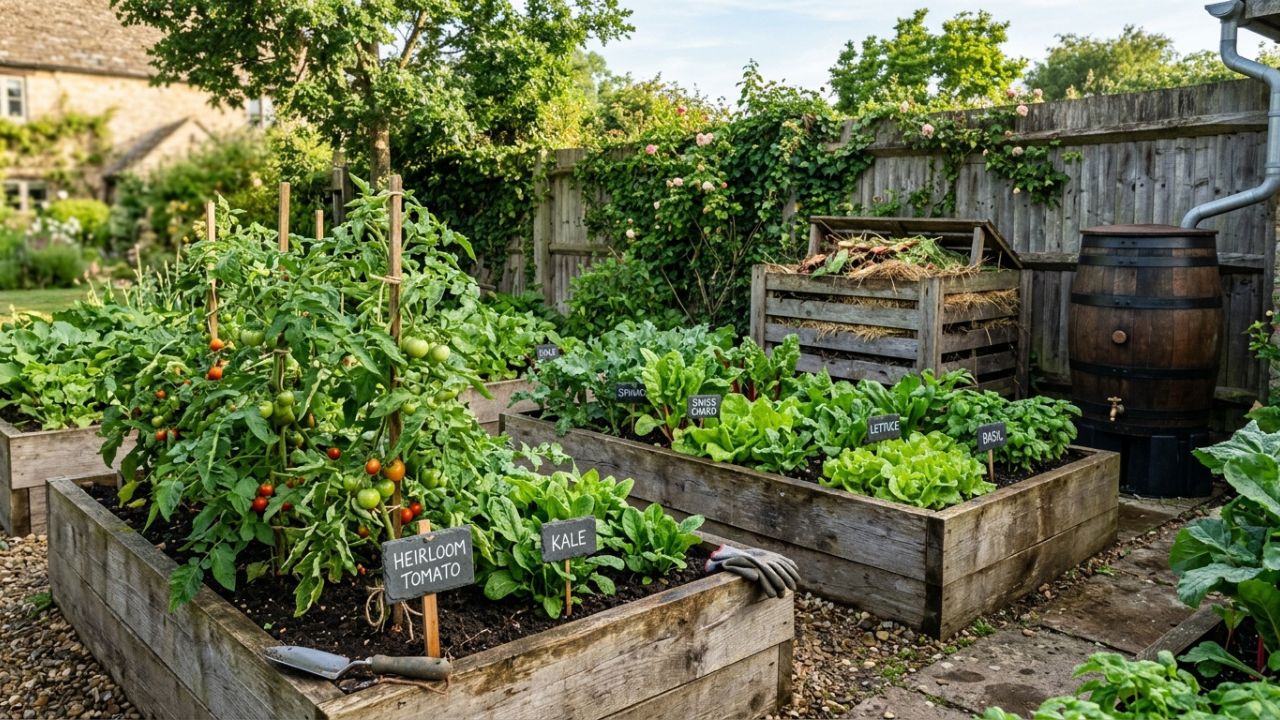
Raised garden beds have become a favorite among home gardeners because they improve drainage, warm up faster in spring, and make gardening more accessible for people who cannot easily kneel or bend. Choosing a bed made from sustainable materials adds an extra layer of eco-friendliness to the setup.
Options like untreated cedar, recycled composite materials, or galvanized steel tend to last longer and avoid leaching chemicals into the soil, unlike some treated woods or certain plastics.
Comparing Raised Bed Materials
| Material | Durability | Sustainability Notes |
|---|---|---|
| Untreated cedar | High, naturally rot-resistant | Renewable resource, no chemical treatment |
| Recycled composite | Very high | Made from reclaimed plastic and wood fibers |
| Galvanized steel | Very high | Long lifespan, fully recyclable at end of life |
| Treated pine | Moderate | Less ideal due to chemical preservatives |
A well-built raised bed can last for many years, making the upfront investment worthwhile both financially and environmentally.
4. Organic Seeds and Seed Starting Kits
The seeds used to start a garden matter just as much as the tools around it. Organic, non-GMO seeds support biodiversity and avoid the chemical treatments often used in conventional seed production. Many gardeners also look for heirloom varieties, which allow seeds to be saved and replanted year after year, reducing the need to repurchase every season.
Seed starting kits made from biodegradable materials, such as coconut coir pots or recycled paper trays, offer an eco-friendly way to get seedlings going indoors before transplanting them outside.
- Look for certified organic or heirloom seed varieties
- Choose biodegradable seed trays over plastic ones
- Save seeds from strong plants at the end of the season
- Store seeds in a cool, dry place for future planting
Starting from seed rather than buying seedlings in plastic trays also cuts down on packaging waste and often costs significantly less over time.
5. Drip Irrigation Systems
Watering by hand can be inconsistent, and traditional sprinklers often waste water through evaporation and runoff. Drip irrigation systems deliver water directly to the base of each plant, drastically reducing water waste while keeping soil moisture consistent.
These systems are especially valuable for anyone growing food in raised beds or containers, since they can be set on timers to water plants at the most efficient times of day, such as early morning before the sun causes evaporation.
Benefits of Drip Irrigation
- Reduces water usage compared to sprinklers or hoses
- Minimizes weed growth by targeting water precisely
- Helps prevent fungal diseases caused by wet foliage
- Can be paired with rain barrels for a fully sustainable setup
Many drip irrigation kits are modular, meaning they can grow along with the garden as more beds or containers are added.
6. Natural Pest Control Products
Keeping pests away from a food garden without relying on synthetic pesticides is a key part of sustainable growing. Natural pest control products, such as neem oil, insecticidal soap, and diatomaceous earth, offer effective solutions that are gentler on beneficial insects like bees and ladybugs.
Companion planting is another natural pest control method worth pairing with these products. Certain plants, like marigolds or basil, can help repel common garden pests when planted alongside vegetables.
- Neem oil for a broad range of common pests
- Insecticidal soap for soft-bodied insects like aphids
- Diatomaceous earth for crawling insects
- Row covers to physically block pests without chemicals
Choosing natural pest control supports a healthier ecosystem in the garden, which in turn helps pollinators thrive and improves overall harvest quality.
7. Reusable Plant Labels and Garden Tools
It is easy to overlook small tools when thinking about sustainability, but items like plant labels, hand trowels, and pruners add up over a gardening lifetime. Choosing reusable, durable versions of these tools instead of cheap plastic ones that crack and get thrown away each season makes a real difference.
Reusable plant labels made from materials like slate, metal, or reclaimed wood can be wiped clean and reused year after year instead of ending up in a landfill after one growing season. Similarly, well-made hand tools with wooden handles and steel heads tend to last for decades with proper care.
Simple Swaps for a More Sustainable Toolkit
- Slate or metal labels instead of plastic stakes
- Wooden-handled trowels and pruners instead of plastic-handled ones
- Natural fiber twine instead of plastic zip ties
- Canvas or jute garden gloves instead of synthetic materials
Investing in quality tools not only reduces waste but often makes gardening tasks easier and more enjoyable overall.
Bringing It All Together
Building a sustainable food garden does not happen overnight, and it does not require buying everything on this list at once. Many gardeners start with just one or two products, such as a compost bin or a rain barrel, and gradually add more sustainable tools as their garden grows.
The key is choosing products that reduce waste, conserve water, and support healthy soil, since these three factors have the biggest impact on both the environment and the success of a home garden.
Growing food at home is one of the most rewarding ways to live more sustainably. It shortens the distance between the earth and the dinner table, reduces reliance on plastic packaging and long supply chains, and gives people a deeper appreciation for the effort that goes into every meal.
With thoughtful choices about the products used along the way, a home garden can become not just a source of fresh food, but a genuine reflection of an eco-friendly lifestyle.
Quick Recap of Sustainable Garden Products
- Compost bins for turning waste into nutrient-rich soil
- Rain barrels for collecting and reusing natural water
- Raised beds made from sustainable materials
- Organic and heirloom seeds for healthier planting
- Drip irrigation systems for efficient watering
- Natural pest control products for a chemical-free garden
- Reusable tools and labels to cut down on waste
Whether starting with a single pot of herbs on a windowsill or transforming an entire backyard into a productive vegetable garden, every sustainable choice adds up. Over time, these small changes create a garden that not only feeds a household but also supports a healthier planet for everyone.