
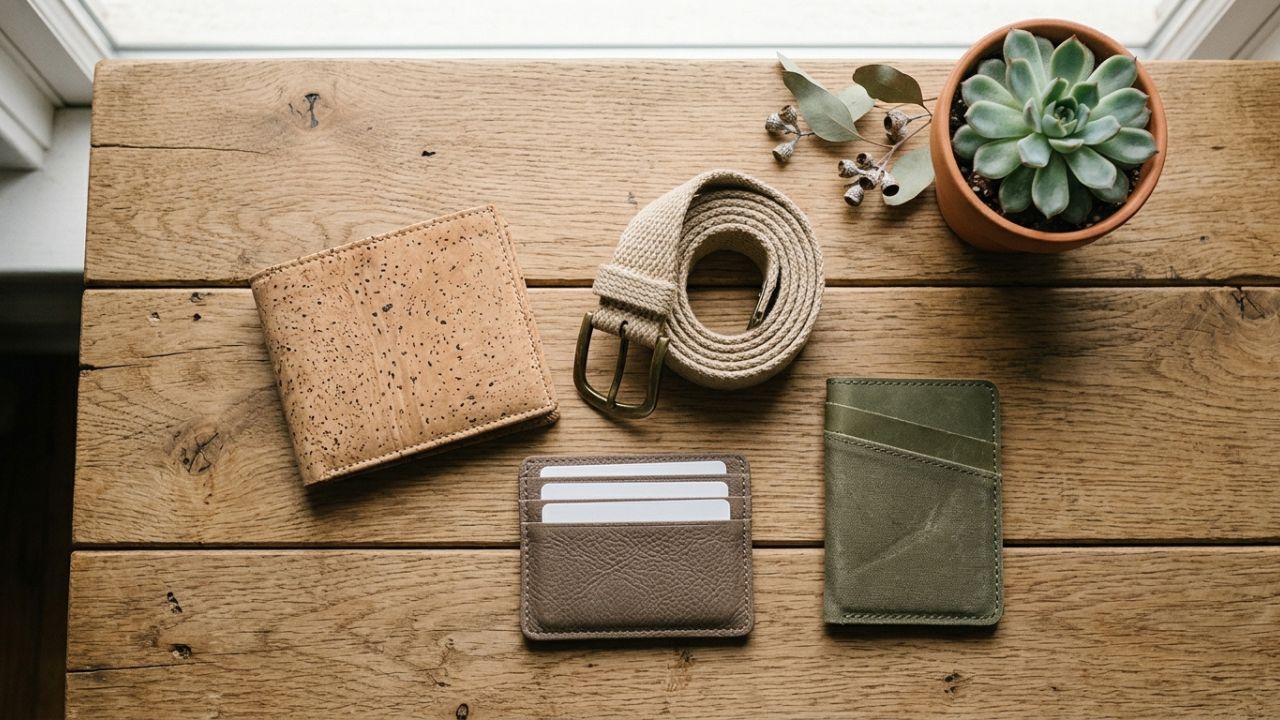
Small accessories often get overlooked when people think about sustainable living. Most eco-conscious shoppers focus on clothing, food, or transportation, but the little items people carry every day, like wallets, belts, and pouches, also leave a footprint.
These small goods are usually made from materials and processes that can be surprisingly harmful to the environment, especially when they rely on conventional leather tanning or synthetic plastics that never break down.
The good news is that a growing number of brands and makers are rethinking how these everyday items are produced. From plant-based leathers to recycled ocean plastic, there are now many thoughtful options for anyone who wants their accessories to reflect their values. This article explores seven categories of sustainable wallets, belts, and small accessories worth exploring, along with tips on what to look for and why it matters.
Why Small Accessories Matter for Sustainability
It might seem like a wallet or a belt is too small to matter in the bigger picture of environmental impact, but these items add up. Millions of wallets and belts are produced every year, and many are made using processes that involve heavy chemical use, non-biodegradable materials, or unfair labor practices.
- Traditional leather tanning often uses chromium and other chemicals that can pollute waterways.
- Synthetic materials like PVC are derived from fossil fuels and can take hundreds of years to break down.
- Fast fashion accessories are frequently designed to be replaced quickly, adding to landfill waste.
Choosing sustainable alternatives for these everyday items is a simple but meaningful way to reduce personal environmental impact without needing to overhaul an entire lifestyle. It is also a good entry point for anyone who is just beginning to explore more conscious consumption habits.
1. Cork Leather Wallets
Cork has become one of the most popular alternatives to animal leather, and for good reason. It is harvested from the bark of cork oak trees without cutting down the tree itself, which allows the bark to regrow over time. This makes cork a renewable resource that supports forest ecosystems rather than depleting them.
Why Cork Works Well for Wallets
Cork is naturally water-resistant, lightweight, and surprisingly durable. It also has a soft, textured feel that many people find appealing as an alternative to traditional leather. Because cork oak forests are typically found in the Mediterranean region, supporting cork products can also help protect biodiversity in these areas, since the trees are often left standing for their bark rather than harvested for timber.
Shoppers looking for cork wallets should check that the product uses natural adhesives and dyes, since some manufacturers still rely on synthetic backing materials that reduce the overall sustainability of the item.
2. Recycled Ocean Plastic Accessories
Ocean plastic pollution is one of the most visible environmental crises today, and some companies have found a way to turn part of the problem into a solution. Recycled ocean plastic wallets, belts, and card holders are made by collecting plastic waste from coastlines and waterways, then processing it into usable material.
What to Look For
- Certifications confirming the plastic was genuinely sourced from ocean or coastal cleanups.
- Transparency about how much recycled content is used in the final product.
- Durability testing, since recycled plastics can sometimes be less consistent in quality than virgin materials.
These accessories tend to have a distinct, slightly textured look that many people appreciate as a visible reminder of where the material came from. Choosing them also supports the broader effort to reduce the volume of plastic waste in oceans.
3. Plant-Based Leather Belts
Plant-based leathers have expanded far beyond cork in recent years. Materials made from mushrooms, cactus, apple peels, and even pineapple leaf fibers are now being used to create belts that look and feel similar to traditional leather without the environmental costs associated with livestock farming and chemical tanning.
Common Plant-Based Materials
| Material | Source | Notable Qualities |
|---|---|---|
| Mushroom leather | Mycelium (fungal roots) | Soft texture, biodegradable |
| Cactus leather | Nopal cactus | Durable, low water use |
| Apple leather | Apple peel waste from juice industry | Uses food industry byproducts |
| Pineapple leather | Pineapple leaf fibers | Repurposes agricultural waste |
Plant-based belts often require less water and land compared to raising livestock for traditional leather, and many of these materials are made from agricultural byproducts that would otherwise go to waste. Buyers should keep in mind that some plant-based leathers still include a percentage of synthetic backing for durability, so checking the full material composition is worthwhile.
4. Organic Cotton and Hemp Wallets
For those who prefer a fabric-based accessory rather than a leather alternative, organic cotton and hemp wallets are a strong option. Both materials are biodegradable and can be grown with significantly less water and fewer pesticides than conventional cotton.
Benefits of Organic Cotton and Hemp
- Hemp requires very little water to grow and naturally resists pests, reducing the need for chemical treatments.
- Organic cotton avoids the synthetic fertilizers and pesticides used in conventional cotton farming.
- Both materials are fully biodegradable at the end of their life, unlike synthetic fabrics.
These wallets tend to have a more casual, textile-based look rather than mimicking traditional leather, which appeals to shoppers who want their accessories to visibly reflect a natural, low-impact material.
5. Upcycled Belts from Reclaimed Materials
Upcycling takes existing materials, like old leather goods, seatbelts, or industrial fabric scraps, and transforms them into new products rather than sending them to a landfill. Upcycled belts are a great example of how creative reuse can extend the life of materials that would otherwise be discarded.
Why Upcycling Matters
Upcycling avoids the resource use associated with producing brand new materials altogether. Instead of growing new cotton or tanning new leather, upcycled products give a second life to materials that already exist. This process typically uses less energy and water than manufacturing from scratch, making it one of the lower-impact options available.
Shoppers interested in upcycled belts should look for makers who are transparent about where their reclaimed materials come from, since this transparency is often a good indicator of a brand’s overall commitment to sustainability.
6. Vegetable-Tanned Leather Goods
For people who still prefer genuine leather but want a lower-impact option, vegetable-tanned leather is worth considering. Unlike chrome tanning, which uses heavy metals and chemicals, vegetable tanning relies on natural tannins found in tree bark and plant matter.
How Vegetable Tanning Differs
- It avoids the use of chromium and other heavy metals common in conventional tanning.
- The process typically produces less toxic wastewater.
- Vegetable-tanned leather often develops a natural patina over time, aging gracefully rather than wearing out.
While vegetable-tanned leather still involves animal hides, it represents a meaningfully lower-impact choice for those who are not ready to switch to fully plant-based or synthetic alternatives. It also tends to be more biodegradable at the end of its life compared to chemically treated leather.
A Note on Sourcing
Buyers who want to minimize the animal welfare concerns associated with leather can look for vegetable-tanned goods made from byproduct hides, meaning the leather comes from animals already raised for the food industry rather than being farmed specifically for leather production.
7. Minimalist Accessories Designed to Last
Sometimes the most sustainable choice is simply buying less and choosing items built to last. Minimalist wallets, slim card holders, and simple belts designed with fewer components tend to use less material overall and are often easier to repair.
The Case for Minimalism
- Fewer materials mean a smaller overall environmental footprint per item.
- Simple designs are often easier to repair, extending the product’s usable life.
- Minimalist accessories tend to go out of style less quickly, reducing the urge to replace them for aesthetic reasons.
Choosing a well-made, simple accessory over a trend-driven one is a quiet but effective way to reduce consumption over time. This approach pairs well with any of the material choices above, since a minimalist design can be made from cork, plant-based leather, or upcycled fabric alike.
How to Evaluate Sustainable Claims
With so many brands now marketing themselves as eco-friendly, it can be difficult to know which claims are genuine. A little research goes a long way toward making informed choices.
Questions Worth Asking
- Does the brand disclose the specific materials used, including any synthetic components?
- Are there third-party certifications backing up sustainability claims?
- Is there transparency about where and how the product is made?
- Does the company share information about labor practices at their production facilities?
Brands that are genuinely committed to sustainability are usually willing to answer these questions openly. Vague language like “eco-friendly” or “green” without any supporting detail can be a sign of greenwashing rather than a truly sustainable product.
Caring for Sustainable Accessories
Buying a sustainable wallet or belt is only part of the equation. Taking care of these items properly helps extend their lifespan, which is one of the most impactful things a person can do to reduce their overall footprint.
Simple Care Tips
- Keep leather and plant-based leather alternatives away from excessive moisture and direct sunlight.
- Clean fabric-based accessories according to the manufacturer’s instructions rather than tossing them in harsh washes.
- Store belts rolled or hung rather than folded to avoid creasing over time.
- Repair small issues like loose stitching promptly rather than waiting until the item is beyond saving.
Treating accessories with care not only keeps them looking good but also reinforces a mindset of valuing what one already owns rather than constantly seeking replacements.
Final Thoughts
Sustainable wallets, belts, and small accessories may seem like minor purchases, but they offer a meaningful opportunity to align everyday choices with broader environmental values. Whether someone chooses cork, recycled ocean plastic, plant-based leather, organic cotton, upcycled materials, vegetable-tanned leather, or simply a well-made minimalist design, each option reflects a step toward more conscious consumption.
The key is to look beyond marketing language and understand what actually goes into a product, from the raw materials to the manufacturing process. With a bit of research and intention, it is entirely possible to carry accessories that are both functional and kinder to the planet.



