Living a more sustainable lifestyle does not always mean making huge, dramatic changes. Sometimes it starts with something as simple as swapping out disposable items for durable, reusable alternatives.
Every year, households throw away staggering amounts of single use plastic, paper, and packaging that could easily be replaced with products built to last for years, even decades.
Choosing reusable products is one of the most practical ways anyone can reduce their environmental footprint without overhauling their entire life. These items save money over time, reduce landfill waste, and often perform better than their disposable counterparts. Below is a look at eight durable everyday products that are designed to be used again and again, along with why they matter and how to choose the best options.
Why Reusable Products Matter for Sustainability
Before diving into the list, it helps to understand why durability and reusability are such important concepts in sustainable living. Single use items are convenient in the moment, but they come with a hidden cost. They require constant manufacturing, packaging, shipping, and disposal, all of which consume energy and resources.
Durable products break this cycle. When something is built to last, it needs to be manufactured far less often, which reduces the overall demand on raw materials, water, and energy. It also means less waste ending up in landfills or oceans.
Some of the key benefits of choosing reusable, durable products include:
- Reduced plastic and packaging waste
- Lower long term spending, since one durable item replaces dozens or hundreds of disposable ones
- Less demand on raw materials and manufacturing resources
- Fewer trips to the store, which also saves time
- A smaller personal contribution to landfill and ocean pollution
With that foundation in mind, here are eight everyday products that are worth the investment.
1. Stainless Steel Water Bottles
A reusable water bottle is often the first swap people make when they start thinking about sustainability, and for good reason. Plastic water bottles are one of the most common items found in landfills and waterways.
Stainless steel bottles are a strong choice because they do not leach chemicals, they keep drinks cold or hot for hours, and they can survive drops, dents, and years of daily use. Unlike plastic bottles, they do not degrade or develop a strange taste over time.
What to Look For
- Double wall insulation for temperature retention
- A wide mouth for easy cleaning
- A durable, leak proof lid
- A size that matches daily hydration needs
2. Beeswax or Plant Based Food Wraps
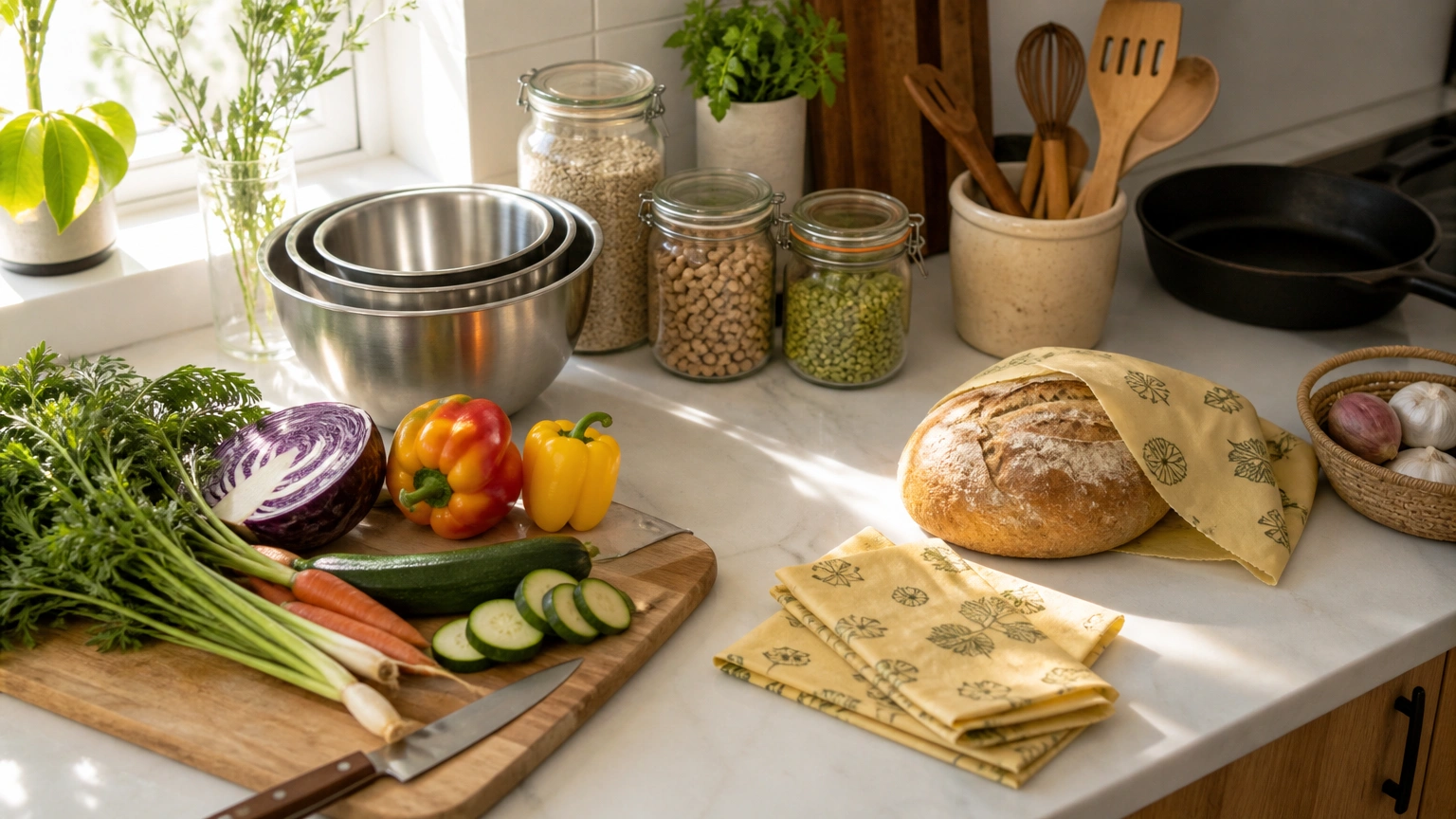
Plastic cling wrap is convenient, but it is also a single use product that cannot be recycled in most areas. Beeswax wraps, or plant based alternatives for those avoiding animal products, offer a reusable way to cover bowls, wrap sandwiches, or store cut produce.
These wraps are made from cotton infused with wax, tree resin, and natural oils, which allows them to become slightly sticky when warmed by hand. This lets them mold around containers or food items to create a seal.
They typically last about a year with proper care and can simply be composted at the end of their life, unlike plastic wrap that sits in a landfill indefinitely.
3. Cloth Produce and Grocery Bags
Plastic grocery bags and thin plastic produce bags are used for mere minutes before being thrown away, yet they can take hundreds of years to break down. Cloth bags solve this problem elegantly.
Reusable grocery totes are typically made from cotton, canvas, or recycled materials, and they can carry significantly more weight than flimsy plastic bags without tearing. Mesh or cotton produce bags are a great companion item, allowing shoppers to skip the small plastic bags typically found near fruits and vegetables.
Benefits of Cloth Bags
- Stronger and more comfortable to carry than plastic
- Machine washable for easy cleaning
- Foldable and compact for storage in a purse or car
- Often more visually appealing than plastic alternatives
4. Safety Razors
Disposable razors and razor cartridges create a surprising amount of plastic waste. Most plastic razors are used a handful of times before being thrown away, and the blades themselves are difficult to recycle due to their mixed materials.
A safety razor, typically made from metal, is designed to last a lifetime with proper care. Only the small metal blade needs to be replaced, and these blades are fully recyclable at most metal recycling facilities. Many people also find that safety razors provide a closer, smoother shave than plastic disposable options.
5. Glass or Stainless Steel Food Storage Containers
Plastic food storage containers tend to stain, warp, absorb odors, and crack over time, which often leads to them being replaced every year or two. Glass and stainless steel containers avoid all of these issues.
Glass containers are microwave and oven safe in most cases, do not retain smells or stains, and are easy to see through, which helps reduce food waste since it is easier to spot leftovers before they spoil. Stainless steel containers are lightweight, shatterproof, and ideal for packed lunches or travel.
| Container Material | Durability | Microwave Safe | Best Use |
|---|---|---|---|
| Glass | Very high | Yes | Reheating meals, meal prep |
| Stainless Steel | Very high | No | Lunches, travel, cold storage |
| Silicone | High | Yes | Flexible storage, freezing |
| Plastic | Low to moderate | Varies | Short term or lightweight use |
6. Bamboo or Metal Utensil Sets
Single use plastic cutlery is a common sight at takeout counters and events, but it is almost always used for a few minutes before being discarded. A reusable utensil set made from bamboo or stainless steel offers a simple fix.
These portable sets usually include a fork, knife, spoon, and sometimes chopsticks or a straw, all housed in a small carrying case that fits easily into a bag or backpack. Bamboo utensils are lightweight and naturally antimicrobial, while metal sets tend to be more heat resistant and long lasting.
Why This Swap Matters
- Reduces the need for plastic cutlery at restaurants and events
- Convenient for travel, work lunches, and outdoor activities
- Easy to clean and reuse thousands of times
- Often comes in a compact case that reduces clutter
7. Cloth Napkins and Reusable Paper Towels
Paper towels and disposable napkins are used briefly and then thrown away, contributing to unnecessary paper waste. Cloth napkins and reusable paper towel alternatives, often made from absorbent cotton or bamboo fabric, can be washed and used hundreds of times.
Reusable paper towels typically come on a roll similar to traditional paper towels, but each sheet can be rinsed, wrung out, and reused multiple times before needing a wash. This small switch can significantly cut down on the number of paper products a household consumes each month.
8. Rechargeable Batteries
Many households go through disposable batteries at a rapid pace, especially with remote controls, toys, and small electronics. These single use batteries contain heavy metals and chemicals that are harmful to the environment when not disposed of properly, and unfortunately, most end up in regular trash rather than specialized recycling programs.
Rechargeable batteries can be reused hundreds of times, drastically cutting down on battery waste. While they require an upfront investment in a charger, the long term savings and environmental benefits make them well worth it for most households.
Tips for Getting the Most From Rechargeable Batteries
- Charge batteries fully before first use
- Store batteries in a cool, dry place
- Avoid letting batteries fully drain repeatedly, as this can shorten their lifespan
- Recycle batteries at designated centers once they can no longer hold a charge
How to Start Making the Switch
Transitioning to durable, reusable products does not need to happen all at once. Trying to replace everything in a home overnight can feel overwhelming and expensive. Instead, it often works better to focus on one category at a time, starting with the items used most frequently.
A helpful approach includes:
- Identifying which disposable products are used most often in daily life
- Replacing one item at a time as the disposable version runs out
- Choosing quality over quantity, since a well made product will last far longer
- Researching materials to ensure the reusable option is genuinely durable and not just marketed as eco friendly
- Taking proper care of new items, such as washing cloth bags or oiling wooden utensils, to extend their lifespan
The Bigger Picture
Switching to durable products is not just about reducing personal waste. It also sends a signal to manufacturers and retailers that consumers want long lasting, thoughtfully made goods rather than items designed to be thrown away after a single use.
As more people choose reusable options, demand for sustainable manufacturing practices tends to grow, which can influence how products are designed and produced on a larger scale.
Small, consistent choices add up over time. A single reusable water bottle might not seem significant on its own, but when multiplied across millions of households making similar choices, the impact on landfill waste, plastic pollution, and resource consumption becomes substantial.
Final Thoughts
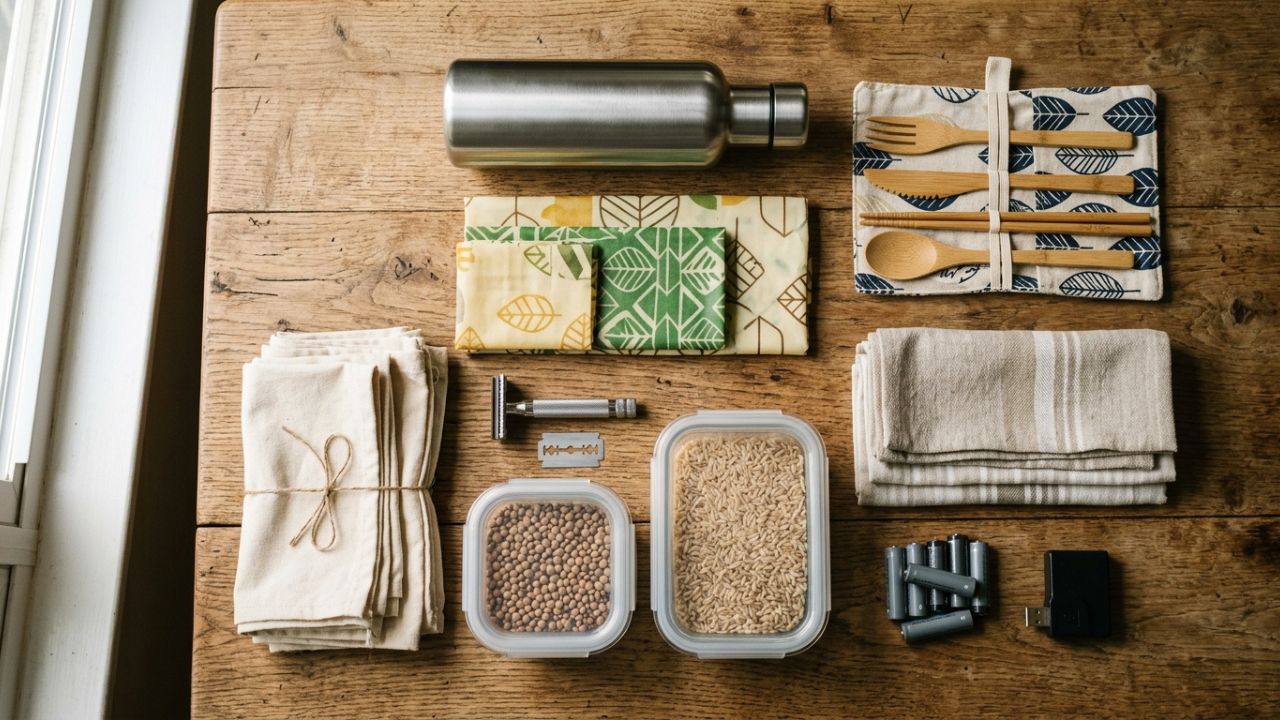
Building a more sustainable lifestyle does not require perfection or drastic sacrifice. It often starts with small, intentional swaps like the ones outlined above. Stainless steel bottles, beeswax wraps, cloth bags, safety razors, glass containers, bamboo utensils, cloth napkins, and rechargeable batteries are all practical, accessible ways to reduce waste while saving money in the long run.
By choosing durability over disposability, it becomes possible to build a home filled with products that are meant to last, reducing both environmental impact and household clutter at the same time. Every reusable item chosen over a disposable one is a small step toward a more sustainable future.