Gardening has always been a way to connect with nature, but more people are now asking how they can grow their plants without harming the planet in the process.
Anyone who cares about reducing waste, saving water, and avoiding harmful chemicals will find that the right tools and products can make a huge difference. A sustainable garden is not just about what is planted, but also about the materials, tools, and practices used to keep it thriving.
This article walks through eight must-have eco-friendly gardening products that can help any gardener grow a healthier, greener space while lowering their environmental footprint. Whether someone is starting a small balcony herb garden or managing several raised beds in a backyard, these products offer practical, planet-friendly solutions.
Why Eco-Friendly Gardening Matters
Traditional gardening often relies on plastic pots, synthetic fertilizers, chemical pesticides, and wasteful watering habits. Over time, these choices add up. Plastic pots pile up in landfills, chemical runoff pollutes waterways, and excessive water use puts pressure on local supplies. Switching to sustainable alternatives helps protect soil health, supports pollinators, and reduces the overall environmental impact of a home garden.
Beyond the environmental benefits, eco-friendly gardening tends to produce healthier plants. Natural fertilizers build long-term soil fertility, biodegradable materials break down instead of polluting, and water-efficient tools help gardens survive dry spells. It is a win for the planet and a win for the garden itself.
1. Compost Bins
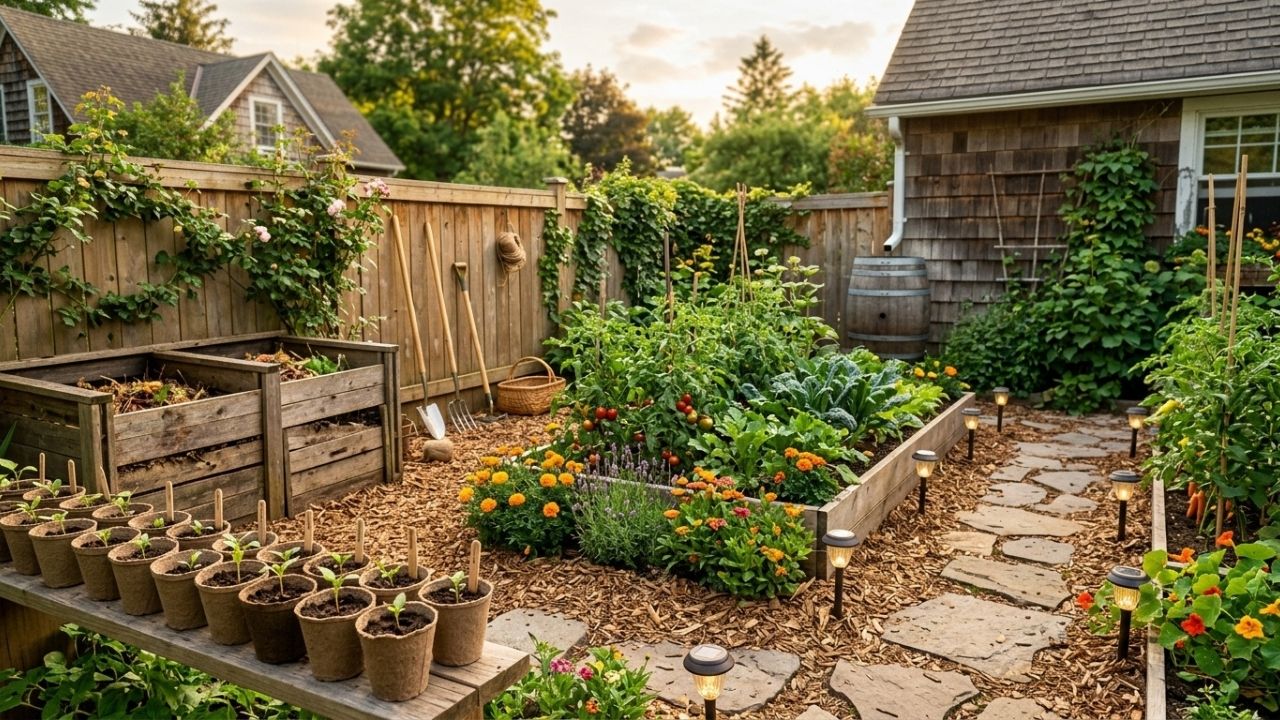
A compost bin is one of the simplest and most effective tools for any sustainable garden. Instead of throwing away food scraps and yard waste, a compost bin turns them into nutrient-rich soil that feeds plants naturally.
- Reduces kitchen and yard waste sent to landfills
- Creates free, chemical-free fertilizer over time
- Improves soil structure and moisture retention
- Comes in countertop, tumbler, and outdoor bin styles for different space needs
Compost bins made from recycled plastic or untreated wood are widely available and tend to last for years. For smaller spaces, a compact countertop compost bin can collect scraps before they are transferred to an outdoor pile or a shared community compost system.
Choosing the Right Compost Bin
Some gardeners prefer a simple open pile, while others like a closed tumbler that speeds up decomposition and keeps pests away. Apartment dwellers without outdoor space can look into worm composting bins, which use red wigglers to break down scraps quickly and quietly indoors.
2. Biodegradable Plant Pots
Plastic nursery pots are one of the most common sources of garden-related waste. Biodegradable plant pots offer a simple swap that eliminates this problem entirely.
- Made from materials like coconut coir, bamboo, rice husks, or recycled paper
- Break down naturally in soil, reducing transplant shock
- Eliminate the need to throw away or recycle plastic containers
- Ideal for starting seedlings that will later be planted directly in the ground
Because these pots decompose over time, seedlings can be placed directly into garden beds without disturbing delicate root systems. This makes biodegradable pots especially useful for young plants that are sensitive to being uprooted.
3. Rain Barrels
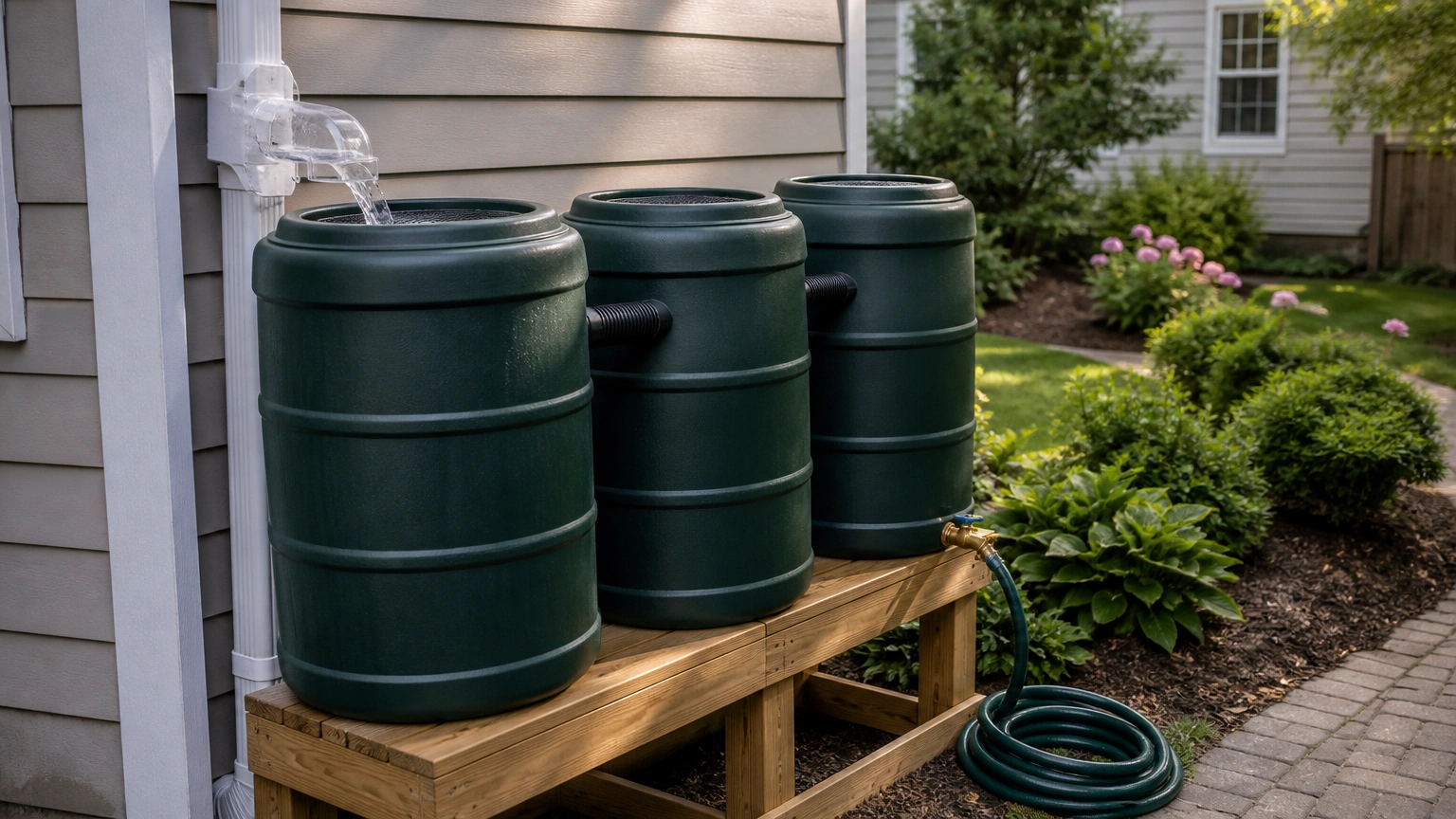
Water conservation is a core part of sustainable gardening, and a rain barrel is one of the most effective tools for cutting down on tap water use. Rain barrels collect rainwater from rooftops and gutters, storing it for later use on garden beds, containers, or lawns.
- Lowers water bills over time
- Reduces strain on municipal water supplies
- Provides chemical-free water that many plants prefer
- Helps prevent stormwater runoff and erosion
Rain barrels come in various sizes and materials, including recycled plastic and wood-clad designs that blend into garden aesthetics. Many models include a spigot for easy access and an overflow valve to redirect excess water safely.
Setting Up a Rain Barrel
Placing a rain barrel beneath a downspout is the most common setup. A simple mesh screen at the top keeps debris and mosquitoes out, while a stand raises the barrel enough to fit a watering can underneath the spigot.
4. Organic Fertilizers
Synthetic fertilizers can offer quick results, but they often come with long-term costs to soil health and nearby ecosystems. Organic fertilizers, made from natural materials like composted manure, bone meal, seaweed, or fish emulsion, nourish plants while supporting the broader soil ecosystem.
- Improve soil structure and microbial activity
- Release nutrients slowly, reducing the risk of over-fertilizing
- Avoid the runoff issues linked to synthetic chemical fertilizers
- Support beneficial insects and soil organisms
Gardeners who switch to organic fertilizers often notice improvements in plant resilience over several growing seasons, since these products build long-term soil health rather than offering a quick, temporary boost.
5. Natural Pest Control Solutions
Chemical pesticides can harm beneficial insects like bees, ladybugs, and butterflies, along with birds and other wildlife that visit the garden. Natural pest control products offer a safer way to manage unwanted insects.
- Neem oil sprays that deter common pests without harming pollinators
- Insecticidal soaps made from natural fatty acids
- Diatomaceous earth for controlling crawling insects
- Beneficial insect habitats that attract natural predators like ladybugs and lacewings
Encouraging a healthy balance of insects in the garden is often more effective long-term than relying on chemical sprays. Planting a variety of flowers nearby can also attract beneficial insects that keep pest populations in check naturally.
6. Solar-Powered Garden Lights
For gardeners who like to enjoy their outdoor space in the evening, solar-powered lights are a simple upgrade that eliminates the need for electrical wiring or disposable batteries.
- Charge automatically during the day using sunlight
- Require no electricity, lowering energy consumption
- Come in a wide range of styles, from pathway lights to string lights
- Reduce battery waste compared to traditional garden lighting
These lights are easy to install since there is no wiring involved, and many models include sensors that turn the lights on automatically at dusk and off at dawn.
7. Reusable and Ergonomic Garden Tools
Investing in high-quality, reusable garden tools reduces the need to constantly replace cheap, disposable equipment. Tools made from sustainable materials like bamboo handles or recycled metal tend to last much longer than plastic alternatives.
- Durable materials mean fewer replacements over time
- Sustainably sourced wood or bamboo handles reduce plastic use
- Ergonomic designs reduce strain during long gardening sessions
- Many brands now offer repairable tools instead of disposable ones
A well-made trowel, pruner, or hand rake can last for decades with proper care, which ultimately reduces the number of tools ending up in landfills.
8. Mulch Made from Natural Materials
Mulch plays a big role in water retention, weed suppression, and soil temperature regulation. Choosing natural mulch materials instead of dyed or synthetic options supports a healthier garden ecosystem.
- Straw, wood chips, and shredded leaves break down and enrich the soil
- Reduces water evaporation, cutting down on watering needs
- Suppresses weeds without the use of chemical herbicides
- Avoids the environmental concerns linked to dyed or rubber mulch
Applying a few inches of natural mulch around plants can significantly reduce how often a garden needs to be watered, especially during warmer months.
Comparing the Eight Products
| Product | Main Benefit | Best For |
|---|---|---|
| Compost Bin | Reduces waste, builds soil | All garden types |
| Biodegradable Pots | Cuts plastic waste | Starting seedlings |
| Rain Barrel | Saves water | Outdoor gardens with gutters |
| Organic Fertilizer | Builds long-term soil health | Vegetable and flower beds |
| Natural Pest Control | Protects pollinators | Gardens with pest issues |
| Solar Garden Lights | Saves energy | Evening garden use |
| Reusable Tools | Reduces landfill waste | Long-term gardening |
| Natural Mulch | Retains moisture, suppresses weeds | Garden beds and borders |
Building a Sustainable Gardening Routine
Buying eco-friendly products is a strong start, but pairing them with sustainable habits makes an even bigger impact. Watering early in the morning or late in the evening reduces evaporation, while grouping plants with similar water needs together can prevent overwatering. Choosing native plants that are adapted to the local climate also reduces the need for excess water and fertilizer.
Gardeners who rotate crops each season help keep soil balanced and reduce the buildup of pests and diseases. Saving seeds from healthy plants at the end of a growing season is another simple way to reduce waste and cut down on the need to buy new seeds every year.
Small Steps That Add Up
- Starting a small compost bin, even in a limited space
- Switching just one type of pot to a biodegradable option
- Adding a single rain barrel to catch water from one downspout
- Replacing one chemical product with a natural alternative
None of these changes need to happen all at once. Many gardeners find that shifting to a more sustainable setup works best when done gradually, one product or habit at a time.
Final Thoughts
Creating an eco-friendly garden does not require a complete overhaul of everything at once. By choosing a compost bin, biodegradable pots, a rain barrel, organic fertilizers, natural pest control, solar-powered lights, durable tools, and natural mulch, any gardener can take meaningful steps toward reducing their environmental impact.
Each of these products supports healthier soil, cleaner water use, and a garden that works in harmony with nature rather than against it.
Over time, these small, consistent choices add up to a garden that is not only beautiful and productive but also kinder to the planet. For anyone interested in living a more sustainable lifestyle, the garden is often one of the easiest and most rewarding places to start.