
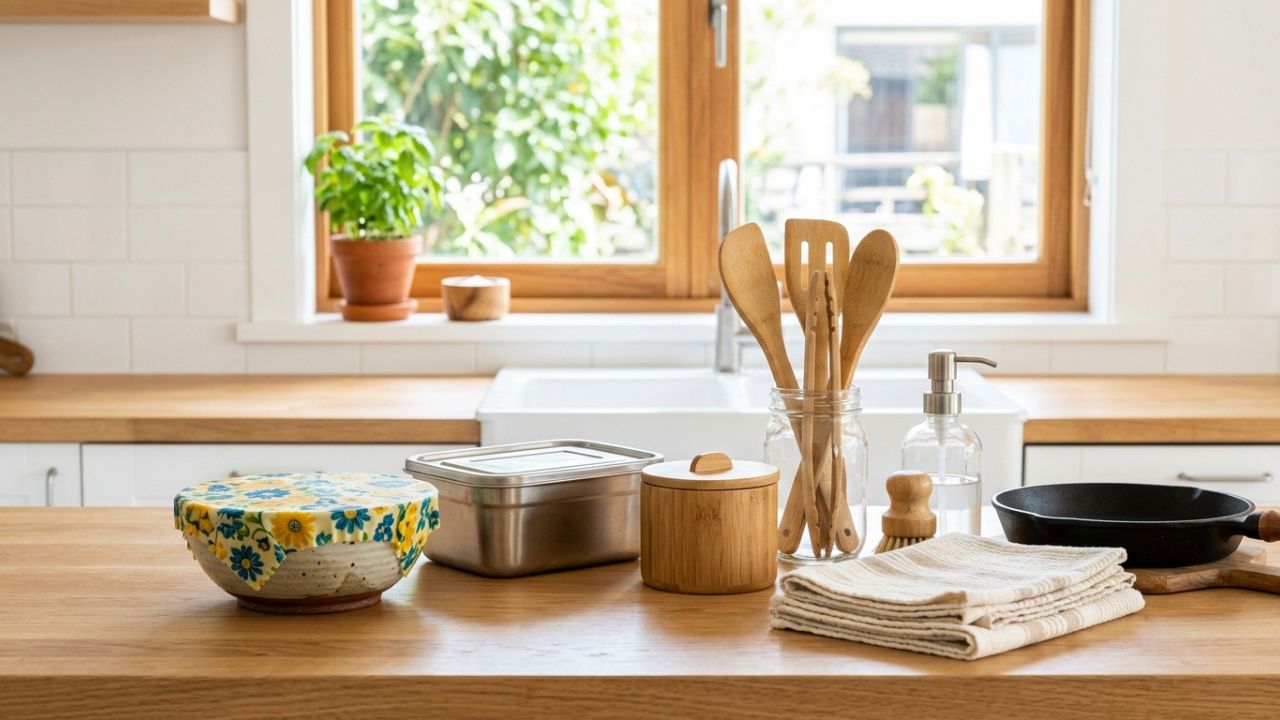
The kitchen is often called the heart of the home, and it is also one of the biggest sources of everyday waste. Plastic wrap, disposable paper towels, single-use bags, and non-stick pans coated in questionable chemicals all pass through this space on a daily basis.
For anyone trying to live a more sustainable lifestyle, the kitchen is one of the easiest places to start making meaningful changes. Small swaps in this room can reduce landfill waste, cut down on plastic pollution, and even save money over time.
This article walks through eight eco-friendly kitchen products that are practical, affordable, and genuinely useful. These are not gimmicky items that sit in a drawer unused. They are tools that people can incorporate into their daily routines to make cooking, storing, and cleaning a little kinder to the planet.
Why the Kitchen Matters for Sustainability
Before diving into the product list, it helps to understand why the kitchen deserves special attention. According to environmental researchers, households generate a significant portion of their waste from food packaging, single-use plastics, and disposable cleaning products. Most of this waste comes from the kitchen.
Switching to reusable and sustainably made kitchen products does more than reduce trash. It also:
- Cuts down on microplastics that can leach into food and water
- Reduces the demand for petroleum-based plastics
- Saves money over time since reusable items replace items bought repeatedly
- Encourages more mindful cooking and food storage habits
- Supports a lower-waste lifestyle that can extend to other rooms in the home
With that foundation in place, here are eight products worth considering.
1. Beeswax or Plant-Based Food Wraps
Plastic cling wrap is one of the most common culprits of kitchen waste. It is used once and then thrown away, and it cannot be recycled through standard municipal programs. Beeswax wraps, or vegan alternatives made from plant wax, offer a reusable solution.
These wraps are made from cotton fabric coated in a layer of wax, resin, and oil. The warmth of a person’s hands softens the wax just enough to mold the wrap around a bowl, a cut piece of fruit, or a block of cheese. Once it cools, it holds its shape and keeps food fresh.
Benefits of Food Wraps
- Can be washed with cool water and mild soap and reused for up to a year
- Naturally antibacterial due to the beeswax content
- Compostable at the end of their life cycle
- Available in a wide range of sizes for different food storage needs
2. Reusable Silicone Storage Bags
Ziplock-style plastic bags are another kitchen staple that generates a surprising amount of waste. A single household can go through hundreds of these bags in a year. Reusable silicone storage bags are a sturdy replacement that can be washed and used again and again.
These bags are typically freezer safe, microwave safe, and dishwasher safe, which makes them far more versatile than their disposable counterparts. They come in various sizes, from small pouches for snacks to larger bags for marinating meat or storing leftovers.
What to Look For
- Food-grade silicone that is free from BPA and phthalates
- A secure seal that prevents leaks
- Wide openings for easy filling and cleaning
3. Compost Bin for the Countertop
Food scraps make up a large percentage of household waste, and much of it ends up in landfills where it produces methane, a potent greenhouse gas. A small countertop compost bin makes it easy to collect scraps like vegetable peels, coffee grounds, and eggshells before transferring them to an outdoor compost pile or a municipal composting program.
Countertop compost bins are usually compact, designed with tight-fitting lids and often a charcoal filter to control odor. They sit conveniently near the sink or cutting board so food scraps can go straight into the bin instead of the trash.
| Feature | Why It Matters |
|---|---|
| Charcoal filter | Reduces smell between empties |
| Compact size | Fits easily on most countertops |
| Dishwasher safe | Makes cleaning quick and simple |
| Ventilated lid | Prevents excess moisture buildup |
4. Stainless Steel or Glass Food Storage Containers
Plastic containers can degrade over time, especially when exposed to heat, and they may leach chemicals into food. Stainless steel and glass containers are more durable and do not carry the same risks. They also tend to last far longer than plastic, which means fewer containers end up in landfills over the years.
Glass containers are particularly useful because they allow people to see what is stored inside, reducing food waste from forgotten leftovers. Stainless steel containers are lightweight and shatterproof, making them a strong choice for packed lunches or travel.
Advantages of Switching
- Do not absorb odors or stains the way plastic can
- Safe to reheat food without the concern of chemical leaching
- Naturally more durable, often lasting decades with proper care
- Easier to recycle at the end of their usable life compared to plastic
5. Bamboo or Wooden Utensils
Cooking utensils made from plastic can crack, melt, or shed microplastics into food over time, especially when exposed to high heat. Bamboo and wooden utensils are a renewable alternative that also tend to be gentler on non-stick cookware.
Bamboo is considered one of the more sustainable materials available because it grows quickly, requires little water, and regenerates without needing to be replanted. Wooden utensils, when sourced from responsibly managed forests, offer similar environmental benefits.
Care Tips
- Hand wash rather than placing in the dishwasher to preserve the wood
- Occasionally treat with food-safe mineral oil to prevent cracking
- Avoid soaking for long periods, as this can warp the material
6. Natural Dish Soap and Refillable Dispensers
Many conventional dish soaps contain synthetic fragrances, dyes, and chemicals that are not great for waterways once they go down the drain. Natural dish soaps made from plant-based ingredients break down more easily and are gentler on the environment.
Pairing a natural dish soap with a refillable glass dispenser reduces the number of plastic bottles purchased over time. Some brands even offer soap in concentrated tablet or powder form that can be mixed with water at home, cutting down on packaging and shipping weight.
Signs of a Genuinely Eco-Friendly Soap
- Biodegradable formula that breaks down without harming aquatic life
- Free from synthetic dyes and heavy fragrances
- Packaged in recyclable or refillable containers
- Cruelty-free and not tested on animals
7. Compostable or Reusable Cleaning Cloths
Paper towels are convenient, but they are also a single-use product that adds up quickly in a landfill. Reusable cleaning cloths, such as those made from cotton, bamboo fiber, or unpaper towel alternatives, can be washed and used hundreds of times before needing replacement.
Some reusable cloths are designed to mimic the texture and absorbency of paper towels but can simply be tossed in the laundry after use. Others are made from compostable materials for those who want an option that eventually breaks down naturally.
Why This Swap Adds Up
- One roll of reusable cloths can replace dozens of rolls of paper towels annually
- Reduces the demand for tree pulp used in paper towel production
- Saves money since the cloths are not repurchased regularly
- Many are machine washable for easy maintenance
8. Cast Iron or Ceramic Non-Toxic Cookware
Traditional non-stick pans often rely on coatings that contain PFAS, a group of chemicals linked to environmental and health concerns. Cast iron and ceramic-coated cookware offer a non-toxic alternative that can last for generations with the right care.
Cast iron pans, in particular, are known for their durability. Many families pass down cast iron skillets that are decades old and still perform well. Ceramic cookware, meanwhile, offers a non-stick surface without the use of harmful chemical coatings.
Long-Term Value
- Cast iron can last a lifetime with proper seasoning and care
- Ceramic coatings avoid the use of PFAS chemicals
- Both options can go from stovetop to oven, adding versatility
- Reduces the need to repurchase cookware every few years
Building a More Sustainable Kitchen Over Time
It is worth noting that nobody needs to buy all eight of these products at once. Building a more sustainable kitchen is a gradual process, and it often makes more sense to replace items as they wear out rather than discarding usable products prematurely. The goal is progress, not perfection.
A helpful approach is to start with the products used most often. For someone who goes through a roll of paper towels every week, reusable cloths might be the first swap. For someone who relies heavily on plastic wrap, beeswax wraps could be the natural starting point.
A Simple Way to Prioritize Swaps
- Identify which disposable products are used most frequently
- Research well-reviewed, durable alternatives before purchasing
- Replace one item at a time rather than overhauling the kitchen overnight
- Repurpose or donate old items instead of throwing them away when possible
Final Thoughts
Creating a more eco-friendly kitchen does not require a complete lifestyle overhaul. It starts with small, intentional choices about the products used every day. Beeswax wraps, reusable silicone bags, countertop compost bins, glass storage containers, bamboo utensils, natural dish soap, reusable cleaning cloths, and non-toxic cookware are all practical entry points for anyone looking to reduce waste and live more sustainably.
Each of these swaps may seem small on its own, but together they add up to a meaningful reduction in household waste and plastic consumption. For anyone ready to take the next step toward a greener lifestyle, the kitchen is a great place to begin.



