The kitchen is often the biggest source of household waste, from plastic bottles to single use pouches that pile up in the recycling bin week after week. For anyone trying to live a more sustainable lifestyle, the kitchen is also one of the easiest places to make a real difference.
Switching to refillable products does not require a full renovation or a huge budget. It simply means choosing containers and systems that can be used again and again instead of thrown away after one use.
This article looks at eight refillable kitchen products that can help reduce packaging waste, save money over time, and make everyday cooking and cleaning a little kinder to the planet.
Why Refillable Kitchen Products Matter
Packaging waste is one of the most visible forms of pollution in modern life. Plastic wrappers, bottles, and pouches often end up in landfills or waterways long after their contents have been used. Many of these materials take hundreds of years to break down, and even when they are recyclable, a large portion still ends up as waste due to contamination or lack of local recycling infrastructure.
Refillable products tackle this problem at the source. Instead of buying a new container every time a product runs out, a person buys the container once and simply refills it with product from a bulk source, a concentrate, or a larger container.
This approach can cut single use packaging by a significant amount over a year, and it often works out cheaper in the long run since refills are usually less expensive than buying new packaging each time.
The Bigger Picture
Beyond the individual household, refillable systems support a larger shift in how products are made and sold. When more people choose refillable options, manufacturers have more reason to design products with reuse in mind rather than disposability. This can lead to better materials, smarter packaging design, and less strain on recycling systems that are already overwhelmed in many parts of the world.
1. Refillable Glass Soap and Detergent Dispensers
Dish soap and laundry detergent are two of the most frequently repurchased items in any kitchen. Refillable glass dispensers are a simple swap that makes a noticeable dent in plastic bottle waste.
- They can be refilled from bulk stores, concentrate pouches, or larger containers.
- Glass does not absorb odors or stain the way some plastics do.
- Many designs include a built in pump, which makes them just as convenient as a store bought bottle.
Some people worry that glass is fragile near a sink, but most kitchen dispensers are designed with weighted bases or silicone sleeves to reduce the risk of breakage.
2. Bulk Bin Reusable Containers for Dry Goods
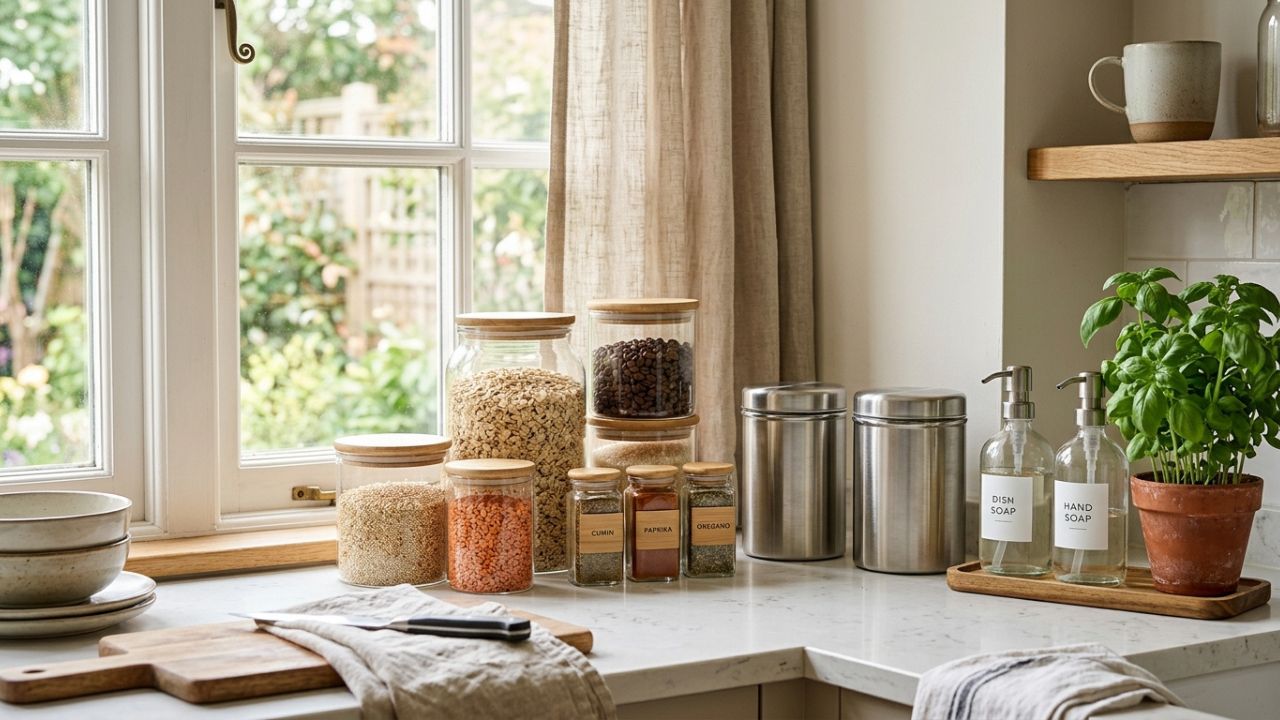
Bulk bins at grocery stores allow shoppers to buy grains, pasta, nuts, and spices without any packaging at all. Reusable containers, whether glass jars, cloth bags, or stackable canisters, make this system work smoothly.
Using these containers regularly helps avoid the plastic bags and boxes that dry goods usually come in. It also tends to reduce food waste, since it becomes easier to buy only the amount needed for a recipe rather than a fixed package size.
Tips for Using Bulk Containers
- Weigh empty containers before shopping so the store can subtract the tare weight at checkout.
- Label containers clearly to avoid mixing up similar looking ingredients like flour and cornstarch.
- Choose airtight lids to keep dry goods fresh for longer.
3. Refillable Spice Jars
Pre-packaged spice jars are convenient, but they generate a surprising amount of packaging waste for such small amounts of product. Refillable spice jars, often made of glass or stainless steel, solve this problem neatly.
Many specialty grocery stores and spice shops now offer bulk spices that can be scooped directly into a reusable jar. This not only cuts down on packaging but often results in fresher spices, since bulk suppliers tend to turn over their stock more quickly than pre-packaged brands sitting on a shelf for months.
4. Reusable Coffee and Tea Filters
Coffee lovers go through a lot of paper filters and single use pods over the course of a year. Reusable filters made from stainless steel mesh or organic cotton offer a simple alternative that can be rinsed and used again for months or even years.
- Stainless steel filters allow more natural oils through, which some people say gives coffee a fuller flavor.
- Cotton filters can be washed and reused dozens of times before needing replacement.
- Reusable tea infusers work the same way, cutting down on individually wrapped tea bags.
This swap is especially impactful for households that brew coffee daily, since the packaging savings add up quickly.
5. Refillable Hand Soap and Sanitizer Bottles
Kitchen sinks tend to collect a rotating cast of hand soap bottles, especially in busy households. Refillable pump bottles paired with bulk soap or concentrate packets can cut this waste significantly.
Concentrate refills are particularly efficient because they ship in much smaller, lighter packaging compared to a fully diluted bottle of soap. A person simply adds water at home to create a full sized bottle of soap, which also reduces the carbon footprint associated with shipping heavier, water filled products.
6. Reusable Silicone Food Storage Bags
Plastic sandwich bags and cling wrap are convenient but designed for a single use. Reusable silicone storage bags offer a durable, dishwasher safe alternative that can replace hundreds of disposable bags over their lifetime.
These bags work well for storing leftovers, freezing produce, or packing lunches. Many are freezer safe, microwave safe, and easy to clean, which makes them a practical everyday swap rather than a niche eco product.
Comparing Kitchen Storage Options
| Product Type | Typical Lifespan | Reusable | Common Material |
|---|---|---|---|
| Plastic sandwich bags | Single use | No | Plastic film |
| Silicone storage bags | 2 to 5 years | Yes | Food grade silicone |
| Glass storage containers | 10+ years | Yes | Tempered glass |
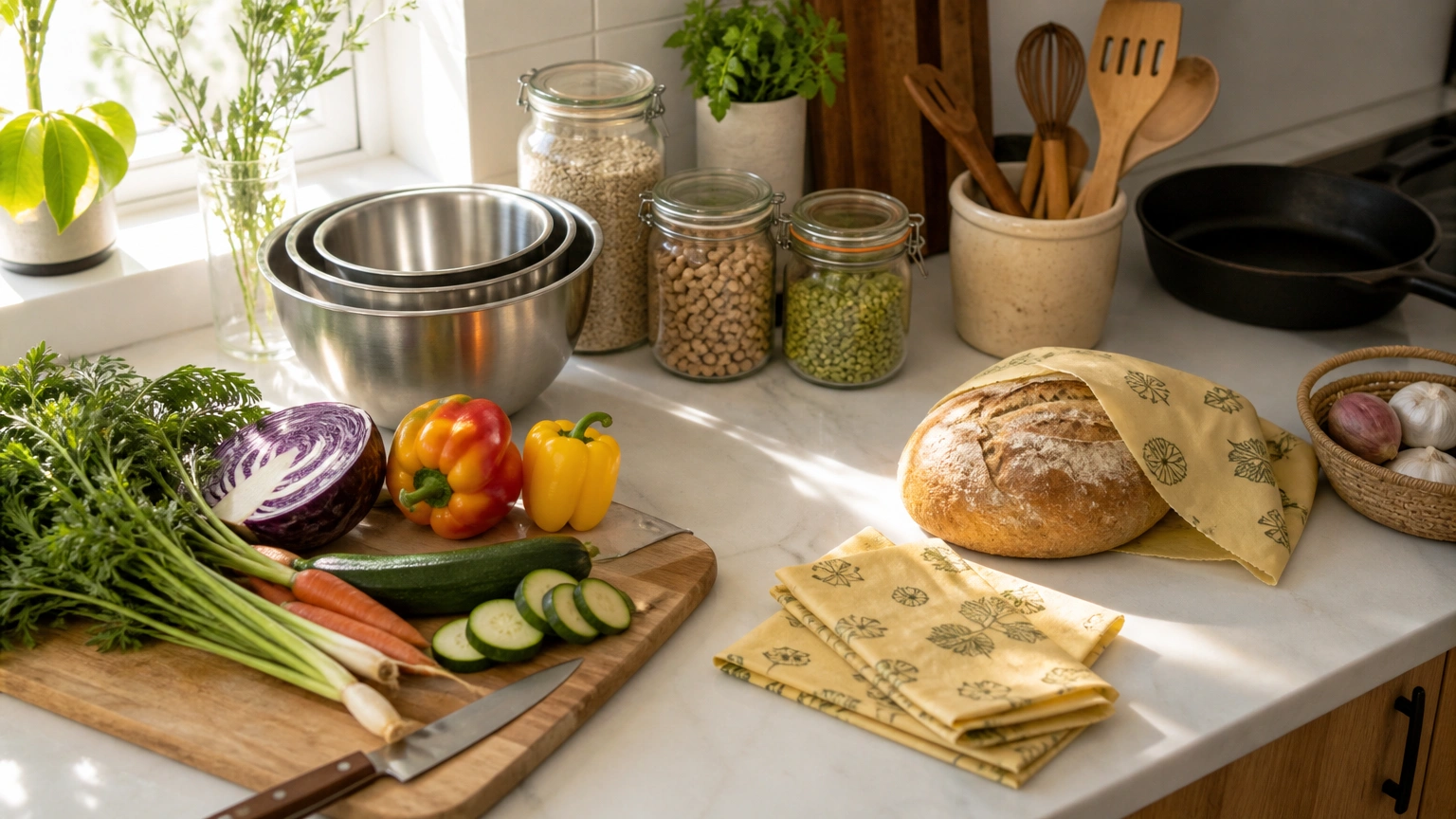
| Beeswax wraps | 6 to 12 months | Yes | Cotton and beeswax |
This kind of comparison makes it easier to see why reusable options, even if they cost more upfront, tend to offer better value and far less waste over time.
7. Refillable Cleaning Spray Bottles
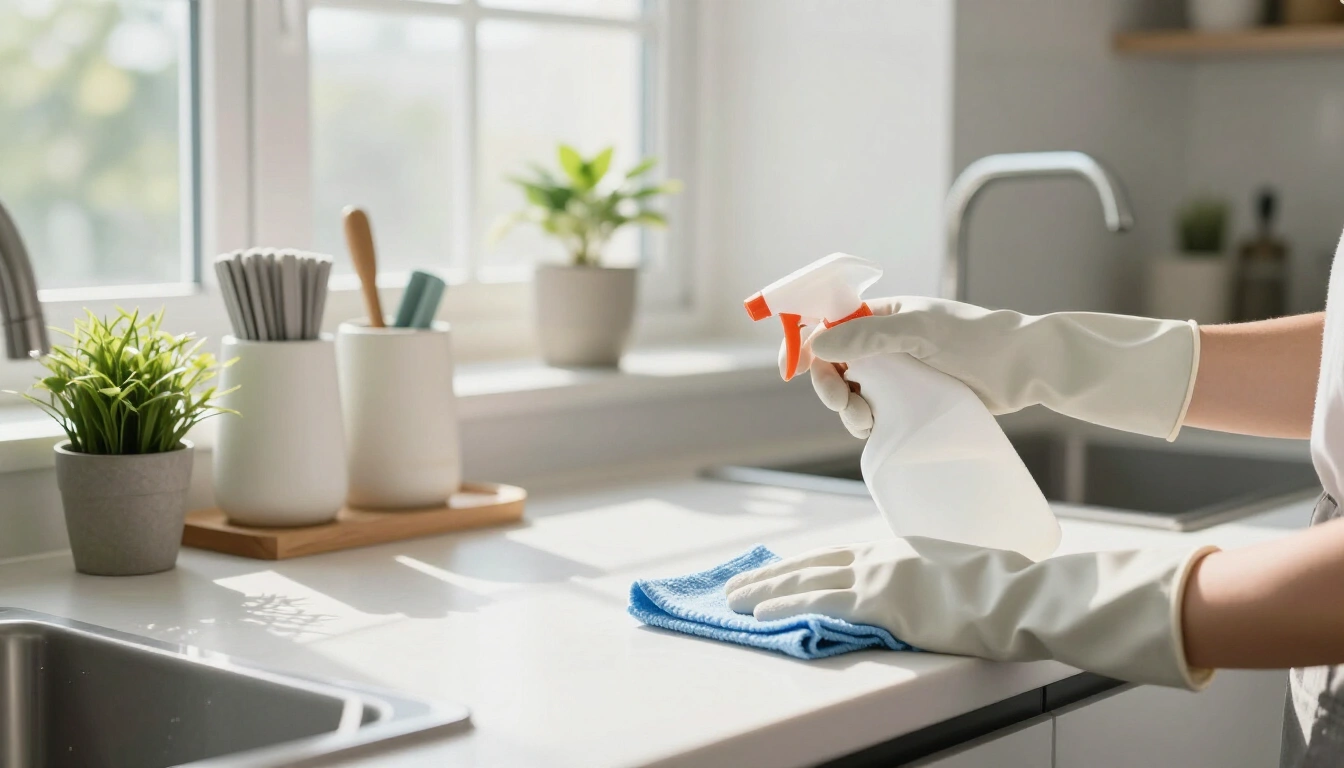
Multi-surface cleaners, glass cleaners, and disinfectant sprays often come in plastic bottles that are used once and tossed. Refillable spray bottles paired with cleaning concentrates or tablets are becoming a popular way to cut this waste.
- Concentrate tablets dissolve in water inside a reusable bottle, eliminating the need to ship pre-mixed liquid.
- Refill pouches use far less plastic than a full rigid bottle.
- Glass or heavy duty plastic spray bottles can last for years with proper care.
This system is especially appealing for households that clean frequently, since the packaging savings compound with every refill.
8. Refillable Water Filter Pitchers
Bottled water and disposable filter cartridges both generate a lot of packaging waste over time. Refillable water filter pitchers with long lasting or reusable filter cartridges offer a practical middle ground.
Some newer filter designs use reusable frames with replaceable filter media that comes in minimal packaging, rather than a fully disposable plastic cartridge. Choosing one of these systems can meaningfully cut down on the plastic waste associated with staying hydrated at home.
How to Start Switching to Refillable Products
Making the switch to refillable kitchen products does not need to happen all at once. A gradual approach tends to be more sustainable in itself, since it avoids the temptation to throw away perfectly usable plastic items just to replace them with new eco friendly versions.
- Start with the product used most often, such as dish soap or coffee filters.
- Replace items only as they naturally run out or wear down.
- Look for local refill stores or bulk sections at existing grocery stores.
- Keep a small set of labels or a marker on hand to keep refillable containers organized.
Common Questions About Refillable Kitchen Products
Are refillable products more expensive upfront? Many refillable containers cost more initially than a single disposable item, but the price evens out or becomes cheaper after a few refills, especially for items like soap, spices, and cleaning products.
Do refill stores exist everywhere? Refill stores and bulk sections are becoming more common, particularly in urban areas, but even smaller towns often have at least one grocery store with a bulk bin section for staples like grains, beans, and spices.
Is it sanitary to reuse containers for food? Yes, as long as containers are washed thoroughly between refills. Glass and stainless steel are particularly easy to sanitize, which makes them popular choices for food storage.
Final Thoughts
Cutting down on kitchen packaging waste does not require a dramatic lifestyle overhaul. Small, practical swaps like refillable soap dispensers, reusable coffee filters, and bulk bin containers can add up to a meaningful reduction in household waste over time.
For anyone interested in living a more sustainable life, the kitchen is a natural place to start, since so many everyday habits happen right there. By choosing refillable products where possible, it becomes easier to build a kitchen that is not only more organized and cost effective, but also gentler on the planet with every meal prepared.