Every year, millions of tons of single-use products end up in landfills, oceans, and waterways. From plastic bags to disposable coffee cups, these everyday items are used for mere minutes but can take hundreds of years to break down.
For anyone interested in living a more sustainable and eco-friendly lifestyle, swapping out single-use products for reusable alternatives is one of the simplest and most effective ways to reduce personal waste.
The good news is that making these changes does not require a complete lifestyle overhaul. Small, intentional swaps can add up to a significant reduction in household waste over time. This article explores eight practical, budget-friendly alternatives to common single-use products that anyone can start using today.
Why Single-Use Products Are a Problem
Before diving into the alternatives, it helps to understand why single-use products cause so much harm. Most of these items are made from plastic, which is derived from fossil fuels and does not biodegrade in any meaningful timeframe. Instead, plastic breaks down into smaller pieces called microplastics, which have been found in oceans, soil, drinking water, and even human blood.
Single-use products also contribute to a throwaway culture that normalizes waste. When people use an item once and discard it, they rarely think about where it goes afterward. Unfortunately, the answer is often a landfill or, worse, the natural environment where it can harm wildlife and ecosystems for generations.
Switching to reusable alternatives addresses this problem at the source. Instead of creating a constant stream of waste, reusable products are designed to be used hundreds or even thousands of times, dramatically reducing the amount of material that needs to be produced, shipped, and eventually discarded.
1. Reusable Shopping Bags Instead of Plastic Bags
Plastic shopping bags are one of the most recognizable symbols of single-use waste. They are used for an average of 12 minutes before being thrown away, yet they can persist in the environment for hundreds of years.
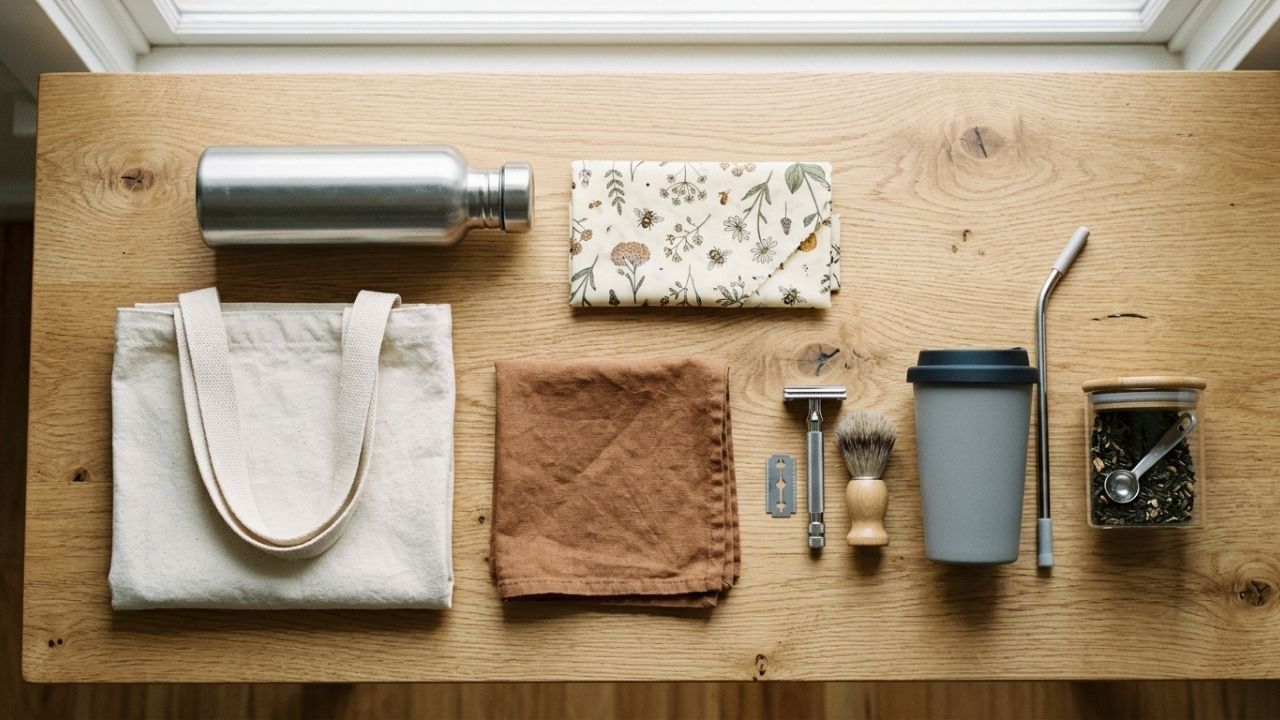
Reusable shopping bags made from canvas, jute, or recycled materials are sturdy, washable, and can be used for years. Many people find it helpful to keep a few bags in their car or by the front door as a reminder to bring them along on shopping trips.
- Choose bags made from organic cotton or recycled polyester for a lower environmental footprint
- Fold a compact bag into a purse or backpack for spontaneous errands
- Wash bags regularly, especially if they are used for groceries or produce
2. Stainless Steel or Glass Water Bottles Instead of Plastic Bottles
Bottled water is one of the biggest contributors to plastic waste worldwide. A stainless steel or glass water bottle can replace hundreds of plastic bottles over its lifetime, saving money and reducing plastic production at the same time.
These bottles also tend to keep beverages colder or hotter for longer, which is a practical bonus beyond the environmental benefits. Many households now install water filters at home so tap water is safe and pleasant to drink straight from a reusable bottle.
Choosing the Right Bottle
Not all reusable bottles are created equal. Stainless steel bottles are durable and great for outdoor activities, while glass bottles are ideal for those who prefer to avoid metal taste and can be recycled indefinitely if they ever break beyond repair.
3. Beeswax Wraps or Silicone Covers Instead of Plastic Wrap
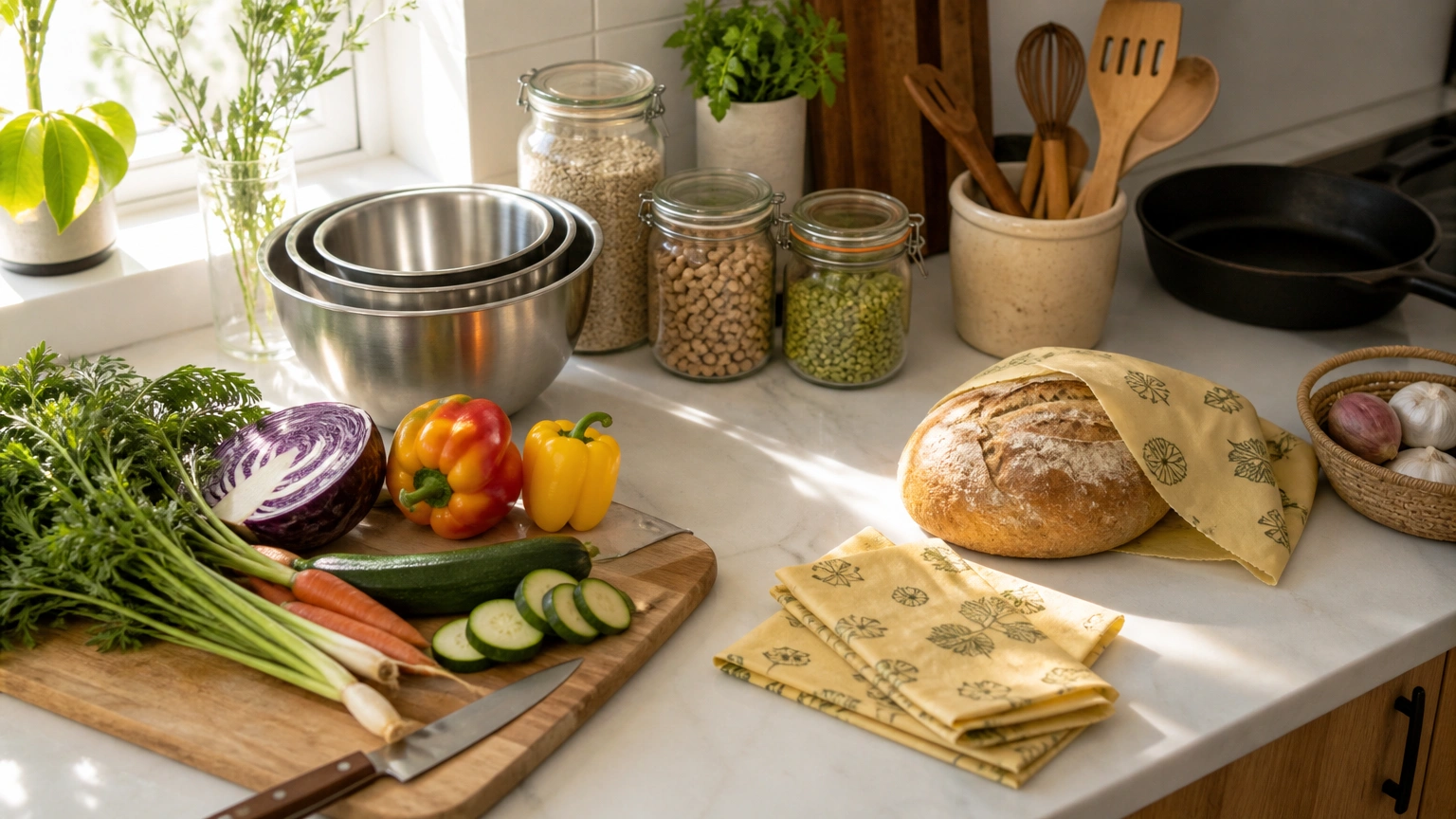
Plastic cling wrap is designed for a single use before being tossed, yet it is made from materials that will outlive the person who used it. Beeswax wraps, made from cotton fabric coated in beeswax, tree resin, and jojoba oil, offer a natural and washable alternative for covering bowls or wrapping sandwiches and cheese.
Silicone stretch covers are another excellent option for those who prefer a vegan alternative, as beeswax wraps are not suitable for vegans due to the use of beeswax.
- Beeswax wraps can be washed with cool water and mild soap
- They naturally lose their stickiness over time but can be refreshed with more beeswax
- Silicone covers stretch to fit various container sizes and last for years
4. Cloth Napkins and Towels Instead of Paper Products
Paper napkins and paper towels are used briefly and then thrown away, contributing to deforestation and unnecessary waste. Cloth napkins and reusable towels made from cotton or bamboo fabric can be washed and reused hundreds of times.
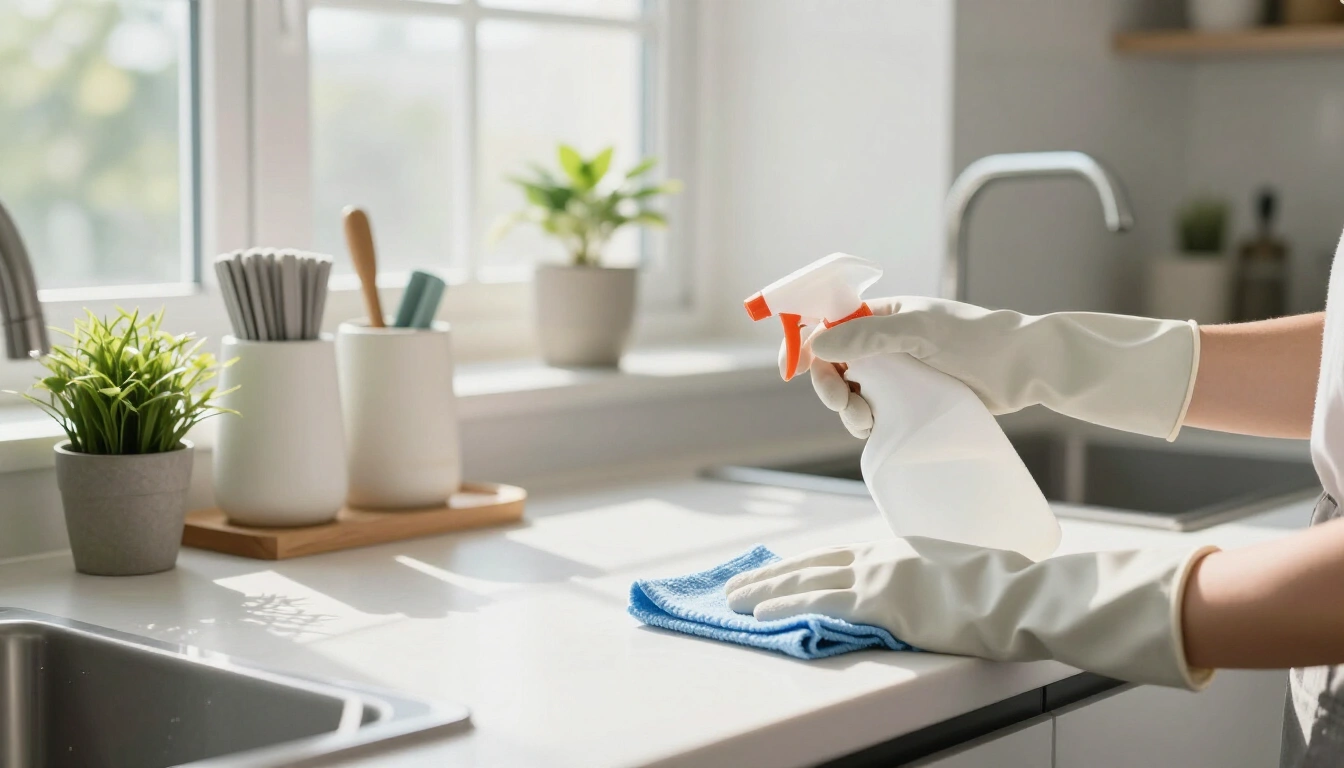
Keeping a stack of cloth napkins in a kitchen drawer makes it easy to grab one instead of reaching for a paper alternative. For spills and cleaning tasks, a few reusable cloth towels can replace an entire roll of paper towels.
Practical Tips for Switching to Cloth
Transitioning away from paper products works best when reusable items are just as accessible as their disposable counterparts. Keeping cloth napkins folded near the dining table and towels within reach of common spill areas, such as the kitchen counter, makes the habit easier to maintain.
5. Safety Razors Instead of Disposable Razors
Disposable razors are typically made with a plastic handle and cheap blades that dull quickly, leading to frequent replacement. Safety razors, often made from durable metal, use replaceable blades that are far cheaper and produce significantly less waste over time.
While the upfront cost of a safety razor is higher than a pack of disposable razors, the long-term savings and waste reduction make it a worthwhile investment for many people. A single metal razor handle can last for decades with proper care.
6. Menstrual Cups or Reusable Pads Instead of Disposable Products
Disposable menstrual products contribute a significant amount of waste each year, much of which contains plastic components that are not biodegradable. Menstrual cups, made from medical-grade silicone, can be reused for several years with proper cleaning and care.
Reusable cloth pads are another alternative for those who prefer not to use internal products. Both options can lead to substantial cost savings over time in addition to reducing waste.
- Menstrual cups typically last between five and ten years
- Reusable cloth pads can be washed and air dried for repeated use
- Both options reduce reliance on plastic packaging and applicators
7. Reusable Coffee Cups and Straws Instead of Disposable Versions
Disposable coffee cups are often lined with a thin layer of plastic that makes them difficult to recycle, and plastic straws are notorious for ending up in waterways and harming marine life. Reusable coffee cups made from stainless steel, glass, or bamboo fiber can be brought along to a coffee shop or used at home.
Reusable straws made from stainless steel, glass, or silicone are a small but meaningful swap, especially for those who enjoy iced drinks or smoothies regularly.
Making the Habit Stick
Keeping a reusable cup and straw in a bag, car, or at a work desk helps build the habit of using them consistently. Some coffee shops also offer small discounts for customers who bring their own cup, which adds a financial incentive to the environmental one.
8. Refillable Containers Instead of Single-Use Packaging
Many household products, including shampoo, dish soap, and laundry detergent, come in single-use plastic bottles that are discarded after one use. Refillable containers paired with bulk buying or refill stations, which are becoming more common in grocery stores, can significantly cut down on packaging waste.
Some brands now offer concentrate refills that can be mixed with water at home, further reducing the amount of plastic shipped and produced. This approach also tends to save money over time since concentrates and bulk products are often cheaper per use.
Comparing the Impact of These Swaps
The table below offers a simple comparison of common single-use products, their reusable alternatives, and the general lifespan of each swap.
| Single-Use Product | Reusable Alternative | Approximate Lifespan |
|---|---|---|
| Plastic shopping bags | Canvas or jute tote bags | 5 to 10 years |
| Plastic water bottles | Stainless steel or glass bottles | 5 to 15 years |
| Plastic cling wrap | Beeswax wraps or silicone covers | 1 to 3 years |
| Paper napkins and towels | Cloth napkins and towels | 3 to 5 years |
| Disposable razors | Safety razors | 10 to 20 years |
| Disposable menstrual products | Menstrual cups or cloth pads | 3 to 10 years |
| Disposable coffee cups and straws | Reusable cups and metal or glass straws | 3 to 10 years |
| Single-use packaging | Refillable containers | Indefinite with refills |
Getting Started Without Feeling Overwhelmed
Adopting all of these swaps at once can feel like a lot, and that is completely normal. Sustainable living is not about achieving perfection overnight but about making consistent, gradual changes that fit into daily life. It often helps to start with one or two products that are easiest to replace, such as a reusable water bottle or shopping bag, before moving on to others.
It is also worth remembering that existing single-use items should be used up before replacing them, rather than thrown away prematurely. The goal is to reduce future waste, not to create unnecessary waste by discarding items that still have life left in them.
- Start with the easiest swap first to build momentum
- Use up existing disposable products before replacing them
- Keep reusable items visible and accessible to encourage the habit
- Involve family members or roommates so the change becomes a shared effort
Final Thoughts
Reducing reliance on single-use products is one of the most accessible ways to live a more sustainable lifestyle. Each swap, whether it is a reusable bag, a stainless steel bottle, or a beeswax wrap, chips away at the demand for disposable plastic and paper products that harm the environment.
Over time, these small changes add up to a meaningful reduction in household waste, along with financial savings that come from not repeatedly purchasing disposable items. For anyone looking to take the next step toward a greener lifestyle, starting with even one or two of these eight alternatives is a practical and rewarding place to begin.