Personal care routines generate more waste than most people realize. From plastic bottles to single use packaging, the average bathroom cabinet is filled with items that end up in landfills or oceans long after their contents are gone.
As more people become aware of their environmental footprint, interest in sustainable personal care products continues to grow. These alternatives are designed to reduce waste, limit harmful chemicals, and support a lifestyle that values the planet as much as personal wellbeing.
Switching to eco-friendly personal care items does not require an overnight transformation. It can be a gradual process of replacing everyday products with options that are kinder to the environment. This article explores eight sustainable personal care products worth discovering, along with practical tips for making the switch smoothly.
Why Sustainable Personal Care Matters
Personal care products touch every part of daily life, from brushing teeth in the morning to washing up before bed. Because these items are used so frequently, their environmental impact adds up quickly. Traditional personal care products often rely on plastic packaging, synthetic ingredients, and manufacturing processes that consume significant resources.
Choosing sustainable alternatives helps reduce plastic waste, supports ethical sourcing, and often means fewer synthetic chemicals coming into contact with skin and hair. Many sustainable brands also prioritize cruelty free testing and biodegradable formulas, making these products a better choice for both people and the planet.
The Environmental Cost of Conventional Products
Conventional personal care items frequently come wrapped in single use plastic that cannot be recycled through standard municipal programs. Bottles, tubes, and applicators pile up in landfills, where they can take hundreds of years to break down. Some ingredients found in mainstream products can also wash into waterways, affecting aquatic life and ecosystems.
Understanding this impact is often the first step toward making more thoughtful purchasing decisions. Once people recognize how much waste a single bathroom routine can generate, they tend to become more curious about greener alternatives.
1. Shampoo and Conditioner Bars
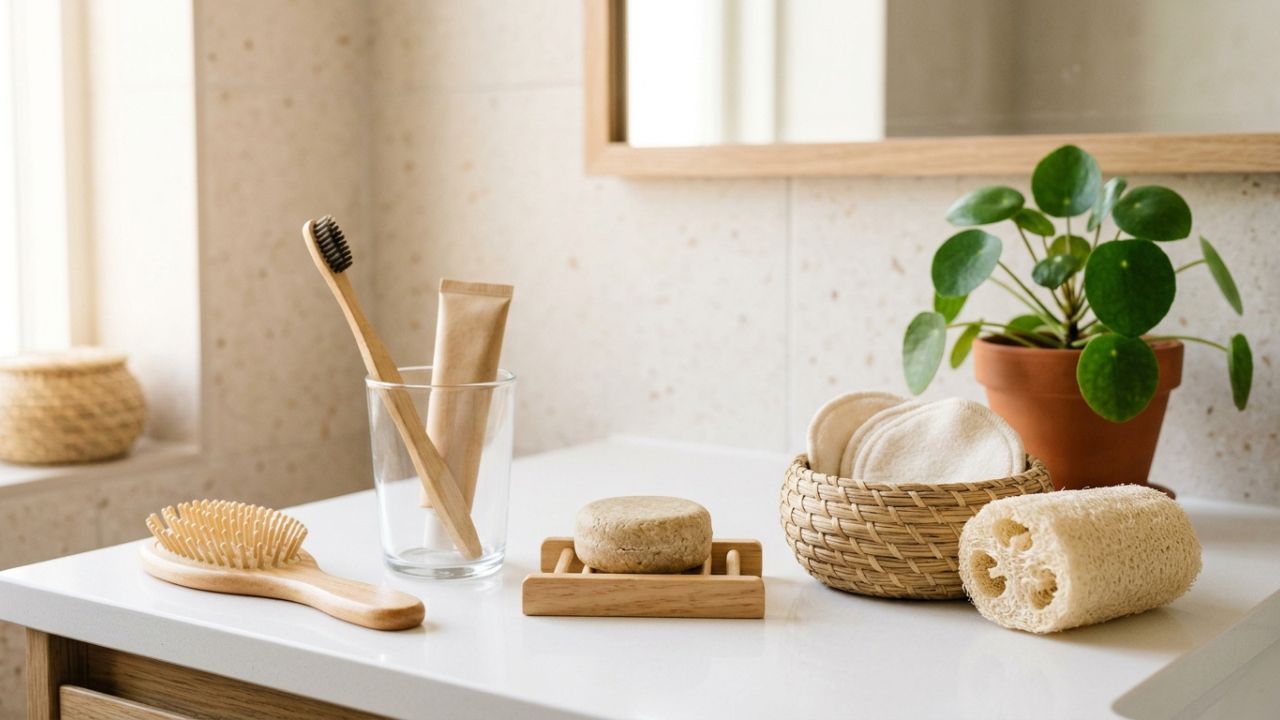
Shampoo and conditioner bars have become one of the most popular swaps for anyone looking to reduce bathroom plastic. These solid bars work much like traditional liquid shampoo but come without the plastic bottle. Most are packaged in compostable paper or sold completely package free.
Shampoo bars are also concentrated, meaning a single bar can last as long as two or three bottles of liquid shampoo. This makes them a cost effective option over time, even if the upfront price feels slightly higher.
- Look for bars made with plant based oils and butters
- Choose formulas suited to specific hair types such as oily, dry, or color treated hair
- Store bars on a draining soap dish to extend their lifespan
Tips for Transitioning to Bar Shampoo
Switching from liquid to bar shampoo can take a short adjustment period, especially for people with hard water or fine hair. Rubbing the bar directly onto damp hair or working up a lather in the hands first can help distribute the product evenly. A vinegar rinse afterward can also help balance hair texture during the transition.
2. Bamboo Toothbrushes
Bamboo toothbrushes have largely replaced plastic ones in eco-conscious households. Bamboo is a fast growing, renewable resource that requires no pesticides or fertilizers to thrive, making it a naturally sustainable material for everyday items.
Unlike plastic toothbrushes that persist in landfills indefinitely, bamboo handles are biodegradable. While the bristles are often still made from nylon due to durability requirements, some brands now offer biodegradable bristle options as well.
- Compost the handle after removing the bristles
- Choose brushes with soft bristles for gentle gum care
- Replace every three months, just like a standard toothbrush
3. Reusable Cotton Rounds
Disposable cotton pads used for makeup removal or skincare application create a surprising amount of waste. Reusable cotton rounds, typically made from organic cotton or bamboo fleece, offer a washable alternative that can be used hundreds of times.
These rounds are gentle on the skin and can be tossed into a laundry bag for easy washing. Many come with a small mesh bag specifically designed to keep them contained during machine washing.
- Use with micellar water or toner for makeup removal
- Wash after each use to maintain hygiene
- Air dry to preserve the fibers longer
4. Solid Deodorant Bars
Solid deodorant bars are gaining popularity as an alternative to deodorants packaged in plastic tubes. These bars often use natural ingredients such as shea butter, coconut oil, and baking soda to neutralize odor without synthetic fragrances or aluminum compounds.
Because they are solid rather than liquid or gel based, deodorant bars tend to last significantly longer than conventional sticks. They also travel well, since there is no risk of leaking in a bag.
Choosing the Right Formula
Not all skin reacts the same way to natural deodorant ingredients. Baking soda based formulas work well for many people but can cause irritation for those with sensitive skin. In that case, magnesium based or baking soda free formulas may be a gentler option.
- Test a small amount on the inner arm before full use
- Allow a short adjustment period when switching from antiperspirant
- Store in a cool, dry place to maintain the bar’s shape
5. Safety Razors
Disposable razors and plastic cartridge refills contribute heavily to bathroom waste. Safety razors, often made from stainless steel or other durable metals, offer a long lasting alternative. A single safety razor can last for years, with only the blade needing replacement.
These razors also tend to provide a closer, smoother shave once users become comfortable with the technique. Replacement blades are inexpensive and often sold in bulk, reducing packaging waste even further.
- Practice a light hand and shorter strokes when starting out
- Replace blades regularly to avoid nicks
- Recycle used blades through specialized blade banks where available
6. Reusable Menstrual Products
Reusable menstrual products, including menstrual cups, discs, and cloth pads, have transformed period care for many people seeking sustainable options. A single menstrual cup can be used for several years, replacing hundreds of disposable pads or tampons over its lifespan.
These products also tend to be more cost effective in the long run, despite a higher initial investment. Many users find that reusable options offer better comfort and fewer synthetic materials in contact with the body.
| Product Type | Average Lifespan | Waste Reduced Compared to Disposables |
|---|---|---|
| Menstrual Cup | Up to 10 years | Hundreds of pads or tampons per year |
| Reusable Cloth Pads | 3 to 5 years | Significant reduction in plastic waste |
| Menstrual Discs | 1 to 3 years, depending on material | Reduces single use applicator waste |
Getting Comfortable with Reusable Options
Trying a reusable menstrual product for the first time can feel unfamiliar. It often helps to start using a new product during a lighter flow day to get used to insertion and removal. Following proper cleaning instructions is also essential for hygiene and product longevity.
7. Refillable Personal Care Containers
Refill stations and refillable containers have become increasingly available for products like body wash, lotion, and hand soap. Instead of purchasing a new plastic bottle every time a product runs out, consumers can refill existing containers at local refill shops or through mail order refill programs.
This approach significantly cuts down on single use plastic while still allowing access to favorite formulas and scents. Some communities now have dedicated refill stores, while others offer refill options through curbside delivery services.
- Bring clean, dry containers to refill stations
- Look for concentrated refill options to reduce shipping weight
- Reuse glass or metal containers for a more durable option
8. Biodegradable Loofahs and Body Scrubbers
Plastic mesh sponges and synthetic loofahs shed microplastics into waterways every time they are used. Biodegradable alternatives made from natural materials such as loofah plant fibers, hemp, or coconut husk offer a gentler and more sustainable option for exfoliation.
These natural scrubbers break down easily at the end of their life and often provide effective exfoliation without the environmental cost of synthetic materials.
- Rinse and hang to dry after each use to prevent mildew
- Replace every four to six weeks for hygiene purposes
- Compost natural loofahs once they wear out
Building a Sustainable Personal Care Routine
Transitioning to sustainable personal care products does not need to happen all at once. Many people find success by replacing one item at a time as their current products run out. This gradual approach reduces waste from discarding unused items and makes the switch feel more manageable.
Tips for a Smooth Transition
- Start with the easiest swaps, such as a bamboo toothbrush or reusable cotton rounds
- Research ingredient lists to avoid products with hidden synthetic additives
- Support small businesses and local refill shops when possible
- Keep an open mind during the adjustment period, since natural formulas can behave differently than conventional ones
- Store solid products properly to extend their lifespan
Common Misconceptions
Some people assume sustainable personal care products are less effective than conventional options. In reality, many of these products perform just as well, if not better, once users adjust their routine slightly. Others worry about cost, but the long lifespan of many sustainable items often balances out the higher upfront price over time.
Final Thoughts
Sustainable personal care products offer a practical way to reduce environmental impact without sacrificing effectiveness or comfort. From shampoo bars to reusable menstrual products, these alternatives prove that small changes in daily routines can add up to meaningful reductions in waste.
Anyone interested in living a more eco-friendly lifestyle can start by choosing just one or two products to try, gradually building a bathroom routine that reflects their values.
As demand for sustainable options continues to grow, more brands and local businesses are stepping up to offer accessible, effective alternatives. Making the switch is not about perfection but about progress, one product at a time.