For anyone trying to live a greener life, the bathroom is often the last place people think to look. Yet toilet paper is one of the most wasteful products in the average home. Every roll represents trees cut down, water used in processing, chemicals for bleaching, and plastic packaging that ends up in landfills.
Multiply that by the billions of rolls used worldwide each year, and it becomes clear why so many eco-conscious households are rethinking this everyday item.
The good news is that switching to a more sustainable option does not mean sacrificing comfort or hygiene. There are now more choices than ever for people who want to reduce their environmental footprint without disrupting their daily routine. This article walks through eight practical alternatives, along with the pros and cons of each, so households can find what fits their lifestyle best.
Why Traditional Toilet Paper Is a Sustainability Problem
Before diving into alternatives, it helps to understand why conventional toilet paper raises concerns in the first place.
- It relies heavily on virgin wood pulp, which contributes to deforestation.
- Manufacturing requires large amounts of water and energy.
- Many brands use chlorine bleaching, which releases harmful byproducts into waterways.
- Packaging is often wrapped in single-use plastic.
- It cannot be reused, meaning constant repurchasing and waste generation.
Once these factors are laid out, it becomes easier to see why so many households are looking for something better.
1. Bidets
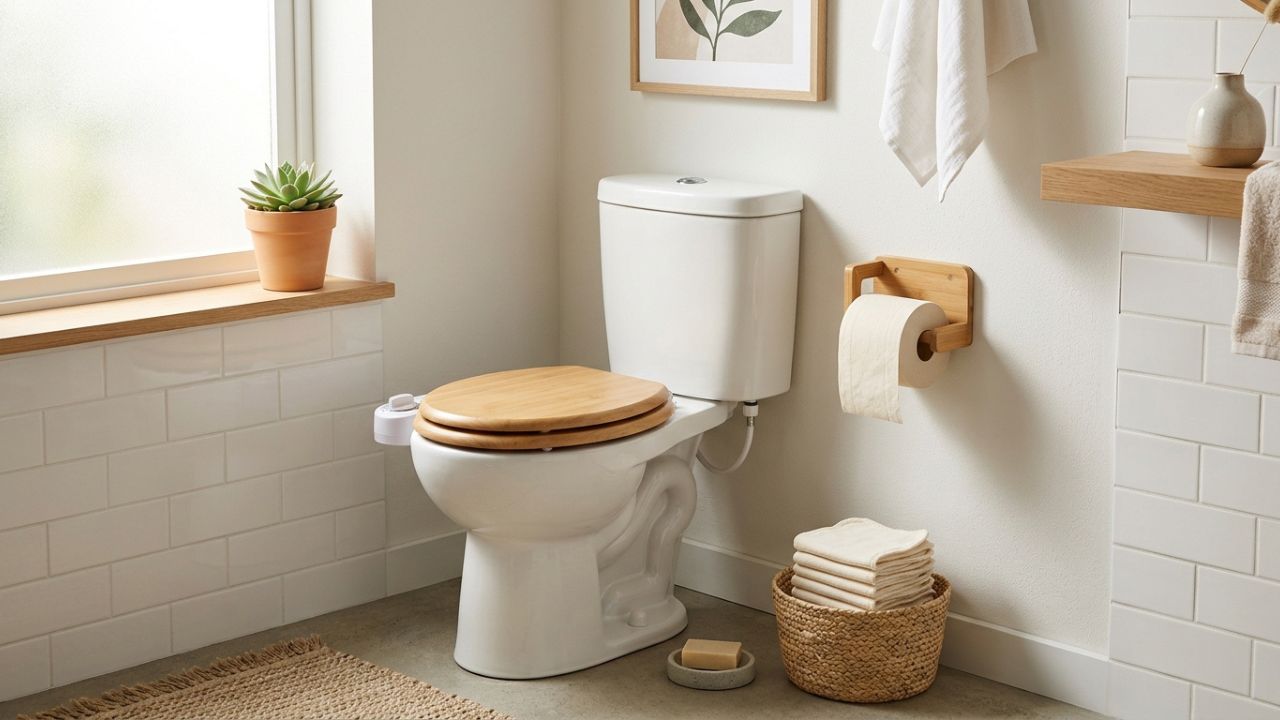
Bidets have long been popular in many parts of the world, and they are steadily gaining traction elsewhere as people search for ways to cut down on paper waste. A bidet uses a stream of water to clean instead of relying on paper, which drastically reduces the amount of toilet paper a household needs.
Types of Bidets to Consider
- Attachable bidet sprayers that connect to an existing toilet
- Electronic bidet seats with adjustable water pressure and temperature
- Standalone bidet fixtures installed separately from the toilet
Bidets do not eliminate the need for paper entirely, since some people still prefer to pat dry afterward, but they can cut usage by a significant margin. Over time, this also saves money since paper purchases drop dramatically.
2. Reusable Cloth Wipes
Similar to reusable cloth diapers, washable cloth wipes are an option some households adopt for at-home use. These are typically made from soft, absorbent fabric like flannel or bamboo cotton and are stored in a small bin after use, then laundered regularly.
This option requires a bit of an adjustment period and is not for everyone, but for those already comfortable with cloth diapering or family cloth practices, it can feel like a natural extension. It is worth noting that proper washing and sanitizing routines are essential for hygiene.
3. Bamboo Toilet Paper
For households not ready to give up traditional paper altogether, bamboo toilet paper is one of the easiest swaps to make. Bamboo grows remarkably fast, often reaching maturity in just a few years compared to decades for hardwood trees, and it requires far less water and no pesticides to thrive.
Benefits of Bamboo Toilet Paper
- Rapid renewability compared to tree pulp
- Naturally soft texture that rivals traditional paper
- Often produced without harsh bleaching chemicals
- Biodegrades quickly once flushed
Because bamboo toilet paper looks and feels similar to what most people are used to, it is often the first alternative households try when starting their sustainability journey.
4. Recycled Toilet Paper
Recycled toilet paper is made from post-consumer paper waste rather than freshly cut trees. This diverts paper from landfills and reduces the demand for new pulp production.
Some people worry that recycled paper feels rougher, but manufacturing processes have improved significantly, and many recycled brands now offer a texture close to conventional paper. It is also usually one of the more affordable eco-friendly options, making it accessible for budget-conscious households.
5. Family Cloth
Family cloth is essentially the do-it-yourself version of reusable wipes. Instead of purchasing pre-made cloth wipes, households cut up old t-shirts, towels, or flannel sheets into small squares for reuse.
This is one of the most budget-friendly options on this list since it repurposes fabric that would otherwise be thrown away. However, it does require commitment to a proper washing routine, and it is a practice best suited to households where everyone is on board with the idea.
6. Toilet Paper Made from Alternative Fibers
Beyond bamboo, several other fast-growing or waste-based fibers are being used to create toilet paper with a lighter environmental footprint.
- Sugarcane bagasse, the fibrous leftover material after sugarcane is processed
- Wheat straw, an agricultural byproduct that would otherwise be discarded
- Bamboo and recycled paper blends, combining two sustainable sources for added softness
These alternatives make use of materials that are often considered waste products in other industries, giving them a second life rather than letting them go unused.
7. Compostable Wet Wipes
For households that like the fresh, clean feeling of a wet wipe but want to avoid the environmental damage of traditional flushable wipes, compostable versions offer a middle ground. Traditional wet wipes are notorious for clogging pipes and contributing to massive blockages in sewage systems because they do not break down the way paper does.
What to Look for in Compostable Wipes
- Plant-based fibers rather than synthetic material
- Certification confirming they are safe to flush or compost
- No added plastics or synthetic binding agents
It is worth noting that even compostable wipes should be used sparingly and disposed of properly, since not all municipal systems are equipped to handle any wipes, compostable or not.
8. Toilet Paper with Sustainable Packaging
Sometimes the paper itself is not the only issue. Many households are also paying closer attention to how their toilet paper is packaged. Traditional plastic wrapping contributes heavily to single-use plastic waste, so a growing number of companies now offer rolls wrapped in paper or delivered in bulk with minimal packaging.
- Look for rolls wrapped in recyclable paper instead of plastic film
- Consider bulk subscription services that reduce packaging per roll
- Choose brands that ship with minimal or recycled cardboard boxing
This option can be combined with any of the paper types mentioned above, making it an easy add-on for households that want to maximize their impact.
Comparing the Alternatives
To make it easier to decide which option fits a particular household, here is a side-by-side comparison of the key factors.
| Alternative | Water Usage to Produce | Cost Over Time | Ease of Switching | Best For |
|---|---|---|---|---|
| Bidet | Low | Saves money long term | Moderate, requires installation | Households wanting a permanent solution |
| Reusable cloth wipes | Low after initial purchase | Low ongoing cost | Moderate, needs washing routine | Families already using cloth products |
| Bamboo toilet paper | Low | Similar to standard paper | Very easy | First time switchers |
| Recycled toilet paper | Low | Often cheaper | Very easy | Budget conscious households |
| Family cloth | Very low | Very low | Harder, requires full commitment | Highly motivated eco households |
| Alternative fiber paper | Low to moderate | Comparable to standard paper | Easy | Households wanting variety |
| Compostable wet wipes | Moderate | Slightly higher | Easy | Those who prefer a wet clean |
| Sustainably packaged paper | Depends on paper type | Similar | Very easy | Anyone wanting to reduce plastic waste |
Tips for Making the Switch Successfully
Transitioning away from conventional toilet paper does not need to happen overnight. A gradual approach often works best, especially in households where multiple people need to get comfortable with the change.
- Start with one small swap, such as choosing bamboo or recycled paper first
- Introduce a bidet attachment before committing to a full electronic seat
- Test reusable cloth wipes in a guest bathroom before using them full time
- Keep a designated laundry bin nearby if using cloth options
- Read packaging labels carefully to confirm certifications and material sourcing
The Bigger Picture
Making a change in the bathroom might seem like a small act, but small acts add up. When a household chooses bamboo paper over traditional pulp, or installs a bidet to cut down on paper use altogether, the impact multiplies across communities. Forests are given a chance to regenerate, water systems face less chemical runoff, and landfills receive less plastic packaging.
Sustainability is rarely about achieving perfection. It is about making thoughtful choices where possible and building habits that fit realistically into daily life. For some households, that might mean a full switch to a bidet. For others, it could simply mean choosing recycled paper wrapped in paper packaging instead of plastic. Either way, every small shift contributes to a larger movement toward more mindful living.
Final Thoughts
Rethinking toilet paper is one of the simplest ways for a household to reduce its environmental footprint without a major lifestyle overhaul. From bamboo and recycled paper to bidets and reusable cloth, there are options suited to nearly every comfort level and budget.
The key is to choose an alternative that feels sustainable not just for the planet, but for the household adopting it, since a change that sticks long term will always have more impact than one that is abandoned after a few weeks.
Whether starting small with a single swap or committing to a full bathroom overhaul, every conscious choice adds up to a more sustainable future.