
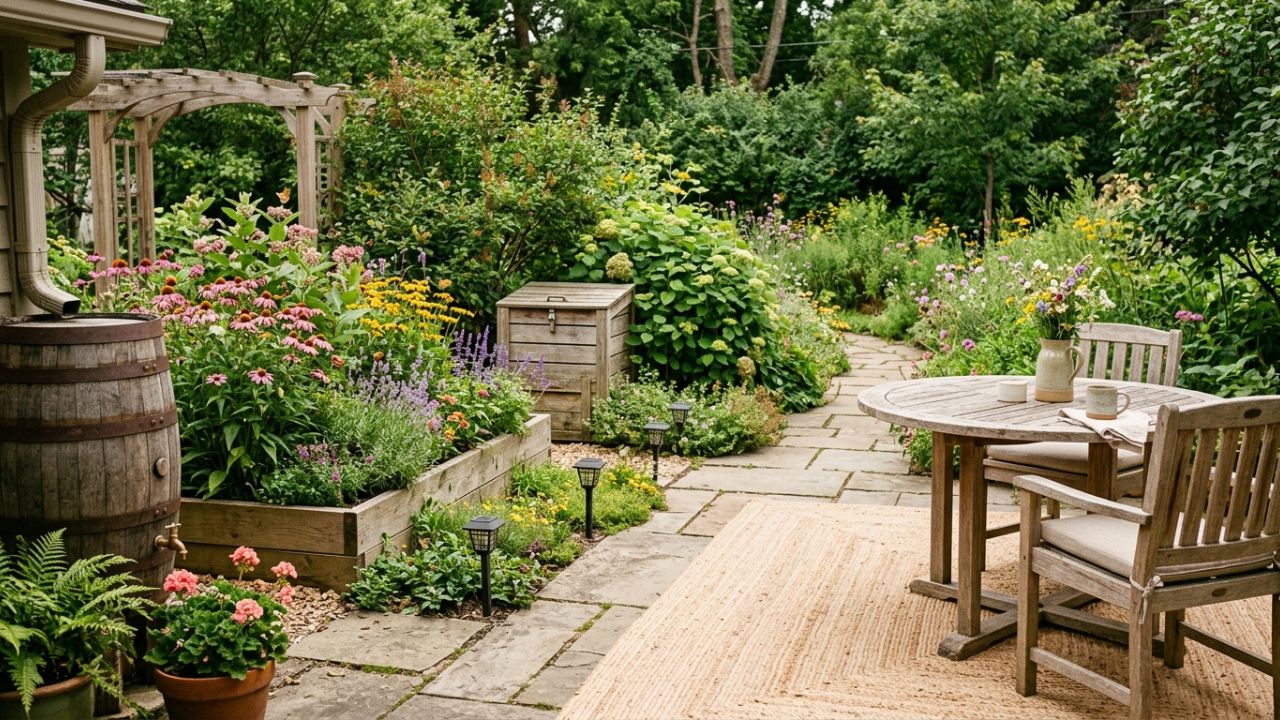
For anyone trying to live a greener life, the garden and patio are often the easiest places to start. These outdoor spaces are where sustainability can be seen, touched, and enjoyed every single day. Swapping out a few everyday items for eco-friendly alternatives is a simple way to reduce waste, save water, and create a healthier environment for plants, pets, and people alike.
The good news is that eco-conscious garden and patio products have come a long way. They are no longer just a niche trend for die-hard environmentalists. Today, sustainable outdoor products are stylish, functional, and widely available. Whether someone is furnishing a small balcony or transforming a sprawling backyard, there are countless ways to make outdoor living kinder to the planet.
This article explores eight useful eco-friendly products that can help anyone build a greener garden and patio space, without sacrificing comfort or style.
Why Eco-Friendly Garden and Patio Products Matter
Before diving into the product list, it helps to understand why this shift matters in the first place. Traditional garden and patio products are often made from materials that are resource-intensive to produce and difficult to dispose of responsibly. Plastic furniture, chemical fertilizers, and non-biodegradable planters all contribute to landfill waste and environmental strain.
Choosing sustainable alternatives supports:
- Reduced plastic waste and pollution
- Lower water consumption through smarter irrigation
- Healthier soil free from harsh chemicals
- Support for local pollinators like bees and butterflies
- A smaller overall carbon footprint at home
Small changes in the garden can add up to a meaningful impact over time, especially when combined with other sustainable habits around the house.
1. Solar-Powered Garden Lights
Outdoor lighting is one of the easiest upgrades for anyone looking to cut down on energy use. Solar-powered garden lights harness sunlight during the day and automatically illuminate pathways, flower beds, and patios once the sun goes down.
These lights require no wiring and no electricity from the grid, which means they do not add a single cent to a monthly power bill. Many modern versions come with motion sensors, adjustable brightness, and weatherproof casings that hold up well through rain and heat.
Benefits of Solar Lighting
- No electricity costs after the initial purchase
- Easy to install without an electrician
- Reduces reliance on fossil fuel powered energy
- Adds ambiance and safety to outdoor spaces
2. Compost Bins and Tumblers
Composting is one of the most impactful habits a household can adopt. Instead of tossing food scraps and yard waste into the trash, a compost bin turns that waste into nutrient-rich soil that can be used to feed gardens naturally.
Compost tumblers, in particular, make the process faster and less messy. They allow the compost to be rotated easily, speeding up decomposition and keeping pests away. Over time, this reduces the need for synthetic fertilizers and diverts a surprising amount of waste from landfills.
A well-maintained compost bin can process:
- Vegetable and fruit scraps
- Coffee grounds and eggshells
- Grass clippings and dried leaves
- Shredded paper and cardboard
3. Rain Barrels and Water Collection Systems
Water conservation is a cornerstone of sustainable outdoor living, and rain barrels are one of the simplest tools to achieve it. These systems collect rainwater from rooftops and gutters, storing it for later use on gardens, lawns, or potted plants.
Using collected rainwater instead of tap water reduces the strain on municipal water supplies and can noticeably lower water bills during dry seasons. Many rain barrels are made from recycled plastic, adding another layer of sustainability to the product itself.
How Rain Barrels Help the Environment
Rainwater collection systems help prevent stormwater runoff, which can carry pollutants into local waterways. By capturing rain before it hits the pavement, these systems reduce erosion and protect nearby streams and rivers from contamination.
4. Biodegradable and Recycled Planters
Traditional plastic planters can take hundreds of years to decompose. Biodegradable planters, often made from materials like coconut coir, bamboo, rice husk, or recycled paper pulp, offer a much friendlier alternative.
These planters break down naturally over time and, in some cases, can even be planted directly into the ground along with the seedling, reducing transplant shock for young plants. For those who prefer more durable options, planters made from recycled plastic or reclaimed wood are also excellent choices that keep new plastic out of production.
5. Organic Pest Control Solutions
Chemical pesticides can harm beneficial insects, contaminate soil, and pose risks to pets and children who play in the yard. Organic pest control products offer a safer way to manage unwanted bugs without those downsides.
Popular organic options include:
- Neem oil sprays
- Diatomaceous earth
- Insecticidal soaps
- Beneficial insects like ladybugs
These solutions target pests effectively while preserving the health of pollinators and the surrounding ecosystem. Many gardeners find that a combination of these methods, along with companion planting, keeps their gardens thriving naturally.
6. Sustainable Outdoor Furniture
Patio furniture made from eco-friendly materials has become increasingly popular as more people look for durable, stylish, and planet-friendly options. Furniture crafted from recycled plastic, reclaimed teak, bamboo, or FSC-certified wood offers the same comfort as traditional pieces without the same environmental cost.
What Makes Furniture Sustainable
| Material | Why It Is Eco-Friendly |
|---|---|
| Recycled plastic | Diverts plastic waste from landfills and oceans |
| Reclaimed wood | Reuses existing timber instead of cutting new trees |
| Bamboo | Grows quickly and requires minimal water or pesticides |
| FSC-certified wood | Sourced from responsibly managed forests |
| Organic fabric cushions | Made without harmful synthetic dyes or chemicals |
Choosing furniture built to last also reduces the frequency of replacement, which in turn cuts down on manufacturing waste over the years.
7. Drip Irrigation Systems
Watering a garden by hand or with a traditional sprinkler often wastes a significant amount of water through evaporation and runoff. Drip irrigation systems solve this problem by delivering water directly to the base of each plant, slowly and efficiently.
This targeted approach not only conserves water but also promotes healthier root growth since plants receive a consistent, controlled amount of moisture. Many systems can be paired with timers or smart controllers, allowing gardeners to water only when necessary rather than on a fixed schedule regardless of weather conditions.
Advantages of Drip Irrigation
- Reduces water waste by up to 50 percent compared to sprinklers
- Minimizes weed growth by keeping water focused on plants
- Prevents fungal disease caused by wet foliage
- Works well for both small gardens and large landscapes
8. Natural Fiber Outdoor Rugs and Textiles
Outdoor rugs, cushions, and textiles made from natural fibers like jute, sisal, hemp, or organic cotton are a simple way to bring sustainability into patio decor. Unlike synthetic rugs that shed microplastics and take generations to break down, natural fiber textiles are biodegradable and often produced using fewer harmful chemicals.
These materials also tend to be breathable and durable, standing up well to sun exposure while adding warmth and texture to outdoor living spaces. When it is finally time to replace them, natural fiber products return to the earth far more gracefully than plastic-based alternatives.
Tips for Building a More Sustainable Outdoor Space
Beyond individual products, there are broader habits that support a greener garden and patio over time.
- Choose native plants that require less water and maintenance
- Group plants with similar water needs together to avoid overwatering
- Reuse containers and materials before buying new ones
- Avoid single-use plastic pots when possible
- Maintain tools properly so they last longer instead of needing replacement
- Attract pollinators with flowering plants that support local ecosystems
Small, consistent choices like these often matter more in the long run than any single purchase.
Making the Switch Gradually
It is worth remembering that sustainability does not have to happen overnight. Replacing an entire patio setup or garden system all at once can be expensive and unnecessary. Instead, many people find success by making one change at a time, starting with whichever product feels most practical or affordable.
For example, someone might begin with a compost bin, then add a rain barrel a few months later, followed by solar lights and a drip irrigation system as budget allows. This gradual approach makes the transition to sustainable outdoor living feel manageable rather than overwhelming.
Final Thoughts
Creating an eco-friendly garden and patio does not require a complete lifestyle overhaul. By choosing products like solar lights, compost bins, rain barrels, biodegradable planters, organic pest control, sustainable furniture, drip irrigation, and natural fiber textiles, anyone can build an outdoor space that is both beautiful and better for the planet.
Each of these products offers a practical way to reduce waste, conserve resources, and support a healthier environment, all while creating a garden and patio that feels comfortable and inviting. Over time, these small changes add up, proving that sustainable living can start right outside the back door.



