Food waste is one of the quiet culprits behind a lot of unnecessary environmental damage, and most people do not realize how much they throw away until they start paying closer attention. Wilted lettuce, forgotten leftovers, and bread that goes stale before it is finished all add up over time.
The good news is that small changes in the kitchen, paired with the right tools, can make a real difference. For anyone trying to live a more sustainable lifestyle, investing in a few smart, reusable products can transform the way food is stored, used, and enjoyed.
This article looks at nine eco-friendly products that can help reduce food waste at home. Each one is practical, easy to find, and designed to replace single-use items that typically end up in landfills.
Why Reducing Food Waste Matters
Before diving into the products themselves, it helps to understand why this topic deserves attention in the first place. Food waste is not just about losing money on groceries that never get eaten. It has ripple effects that touch the environment, the economy, and even global food security.
The Environmental Impact
When food ends up in a landfill, it does not just disappear. It breaks down and releases methane, a greenhouse gas that is significantly more potent than carbon dioxide in the short term. On top of that, all the resources that went into growing, packaging, and transporting that food, including water, fuel, and land, are wasted along with it. Reducing food waste is one of the simplest ways an individual household can lower its carbon footprint without making drastic lifestyle changes.
The Economic Impact
Wasted food is wasted money. Many households throw away a surprising percentage of what they buy each week, often without realizing it. Over the course of a year, this can add up to hundreds of dollars spent on food that was never eaten. Reducing waste through better storage and planning helps stretch a grocery budget further, which is a welcome bonus for anyone trying to save money while also being kinder to the planet.
The Bigger Picture
Beyond the individual household, food waste on a global scale contributes to hunger and inequality. A large portion of the food produced worldwide is lost or wasted before it ever reaches a plate, even as many people struggle with food insecurity. While one person cannot fix this problem alone, small daily choices contribute to a larger cultural shift toward mindful consumption.
The 9 Best Eco-Friendly Products for Reducing Food Waste
The following products are designed to help food stay fresher for longer, make composting easier, and cut down on the plastic wrap and single-use bags that so often end up in the trash.
1. Beeswax Food Wraps
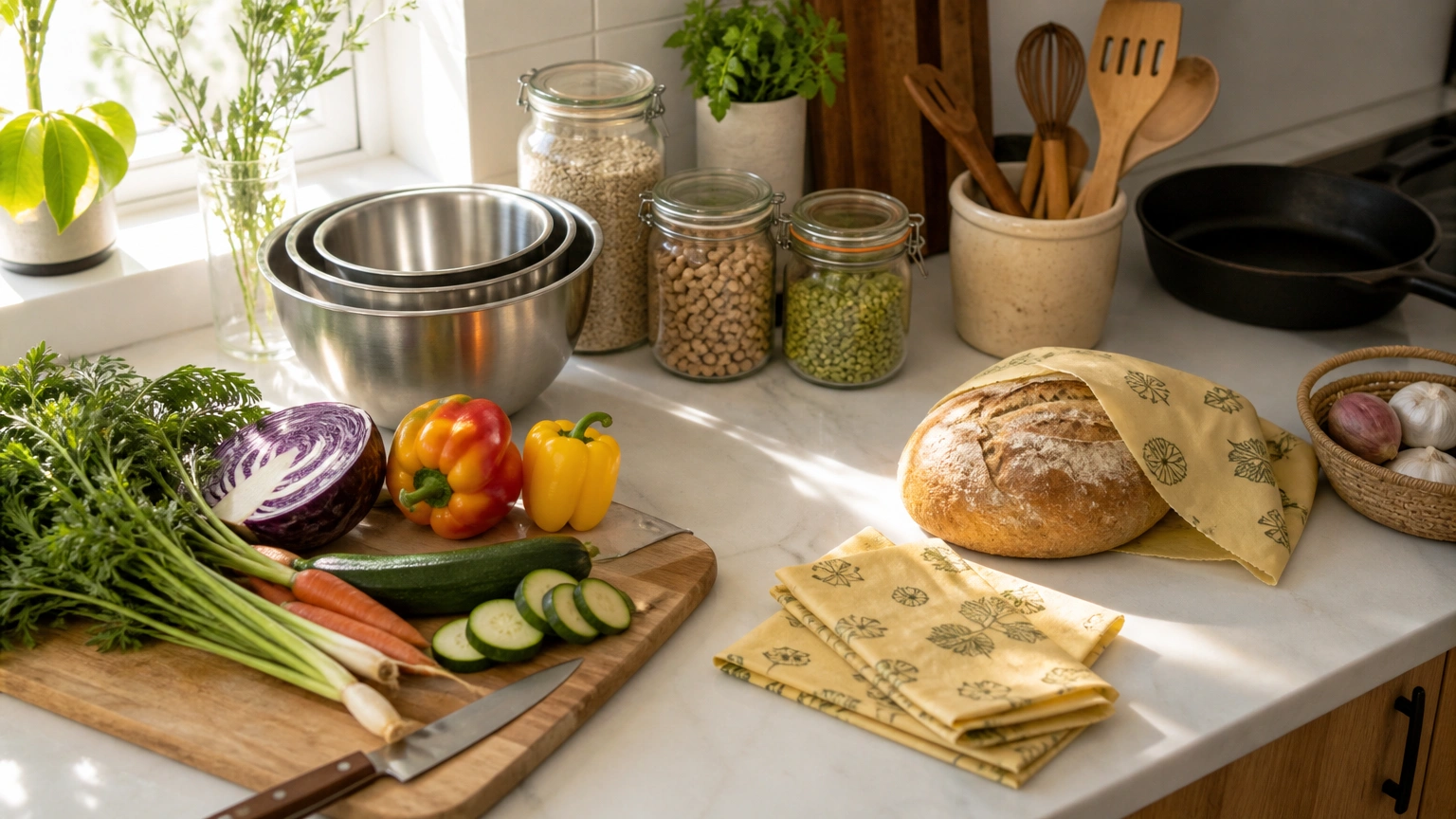
Beeswax wraps are a reusable alternative to plastic cling film. Made from cotton fabric coated in beeswax, tree resin, and jojoba oil, these wraps mold to the shape of a bowl or a piece of food when warmed slightly by hand. They are ideal for covering leftovers, wrapping sandwiches, or storing cut fruit and vegetables.
- Naturally antibacterial, which helps keep food fresher
- Washable with cool water and mild soap
- Can last up to a year with proper care
- Compostable at the end of their life
2. Airtight Glass Storage Containers
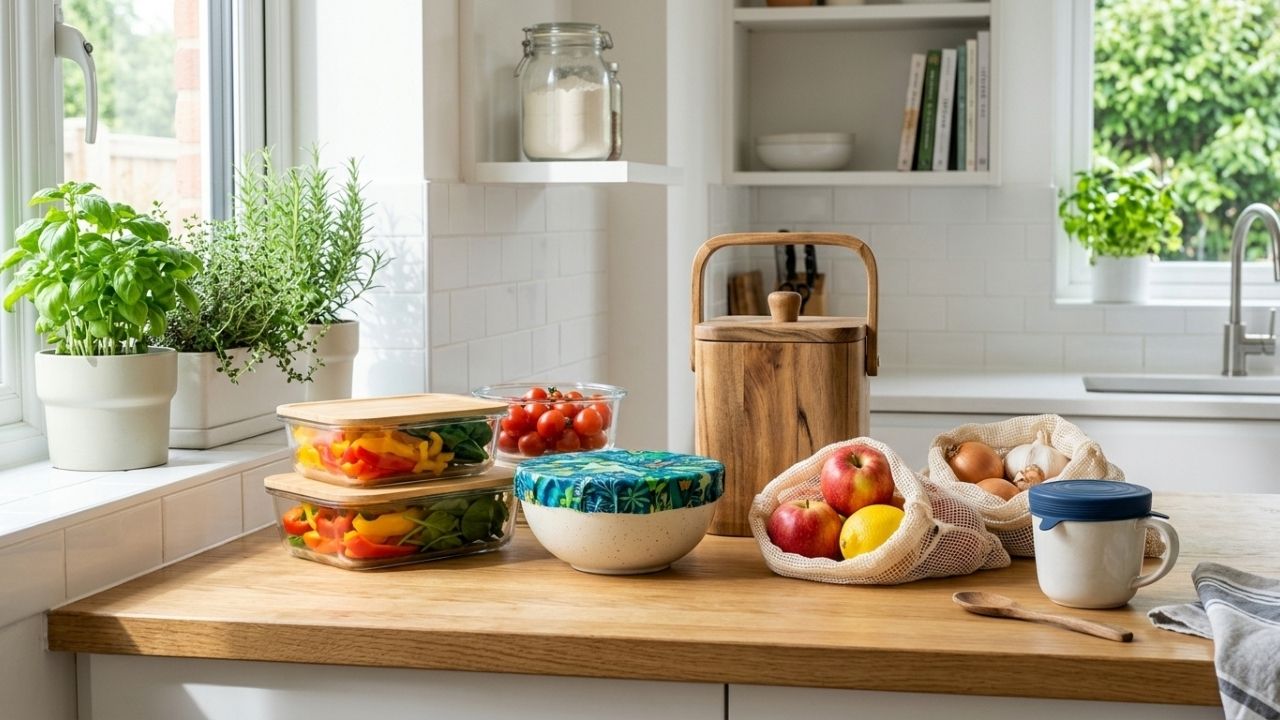
Glass containers with airtight lids are a staple for anyone serious about reducing food waste. Unlike plastic containers that can warp, stain, or absorb odors over time, glass containers are durable and do not degrade with repeated use. Keeping leftovers visible in glass rather than buried in the back of the fridge also makes people more likely to actually eat them before they spoil.
- Safe for the fridge, freezer, microwave, and oven in most cases
- Does not retain smells or stains from previous meals
- Helps with portion control and meal prepping
- Long lifespan compared to plastic alternatives
3. Countertop Compost Bins
Not everything can be saved, and that is where composting comes in. A small countertop compost bin makes it easy to collect vegetable peels, coffee grounds, eggshells, and other scraps throughout the day without the smell or hassle of running to an outdoor bin every time. These scraps can then be transferred to a larger compost pile or a community composting program.
- Reduces the amount of organic waste sent to landfills
- Turns food scraps into nutrient-rich compost for gardens
- Many models come with charcoal filters to control odor
- Encourages more mindful cooking and food prep habits
4. Vacuum Sealing Machines
Vacuum sealers remove air from storage bags before sealing them shut, which slows down the oxidation process that causes food to spoil. This is particularly useful for meat, cheese, and bulk purchases that would otherwise need to be used quickly. Vacuum-sealed food can last significantly longer in the fridge or freezer compared to food stored in a regular container.
- Extends the shelf life of perishable items
- Reduces freezer burn on frozen foods
- Useful for batch cooking and meal prepping
- Many reusable bag options are available to pair with the machine
5. Breathable Produce Storage Bags
Fruits and vegetables often spoil faster than necessary simply because they are stored the wrong way. Breathable produce bags, usually made from a mesh or cotton material, allow air to circulate around fresh produce while still protecting it from bruising and excess moisture. This helps items like leafy greens, herbs, and berries stay fresh for a longer stretch of time.
- Reduces moisture buildup that leads to mold and rot
- Machine washable and reusable for years
- Replaces plastic produce bags at the grocery store
- Comes in a range of sizes for different produce types
6. Silicone Stretch Lids
Silicone stretch lids are a flexible, reusable substitute for plastic wrap. They stretch over bowls, cups, cans, and even cut fruit like avocados or melons, creating an airtight seal without any waste. Because they come in multiple sizes, they can cover almost anything in the kitchen.
- Reusable thousands of times before needing replacement
- Dishwasher safe for easy cleaning
- Works on containers of many different shapes and sizes
- Eliminates the need for disposable plastic wrap
7. Refrigerator Storage Bins and Organizers
A cluttered, disorganized fridge is one of the biggest hidden causes of food waste. When items get pushed to the back and forgotten, they are far more likely to spoil before anyone notices them. Clear storage bins designed specifically for fridge organization make it easier to see what is on hand, which naturally leads to less waste.
- Improves visibility of items that spoil quickly
- Keeps similar foods grouped together for easier meal planning
- Makes it simple to do a quick inventory check before grocery shopping
- Reduces the chances of buying duplicate items already in the fridge
8. Glass Preserving Jars for Canning
Preserving food through canning is an old practice that is seeing a resurgence among people interested in sustainability. Glass preserving jars allow excess produce, homemade sauces, jams, and pickled vegetables to be stored safely for months without refrigeration. This is especially useful during harvest season or when buying produce in bulk.
- Extends the usability of seasonal produce well beyond its natural shelf life
- Reusable indefinitely with proper care
- Reduces reliance on store-bought products with plastic packaging
- Encourages a deeper connection to seasonal, local eating
9. Reusable Mesh Produce Bags for Shopping
The waste reduction process often starts before food even enters the kitchen. Reusable mesh produce bags replace the thin plastic bags typically found in the produce section of grocery stores. Bringing these bags along while shopping cuts down on single-use plastic right from the start and also happens to be great for storing produce once it gets home.
- Lightweight and easy to carry in a purse or reusable shopping tote
- Washable and durable for repeated use
- See-through mesh design makes checkout easy
- Reduces plastic waste at the source
Comparing the 9 Products
The table below offers a quick side-by-side look at each product, its main purpose, and the type of food waste it helps prevent.
| Product | Best For | Sustainability Benefit |
|---|---|---|
| Beeswax food wraps | Covering leftovers and cut produce | Replaces single-use plastic wrap |
| Airtight glass containers | Storing meals and leftovers | Durable, long-term reusable storage |
| Countertop compost bin | Collecting food scraps | Diverts organic waste from landfills |
| Vacuum sealing machine | Preserving meat and bulk items | Extends shelf life, reduces freezer burn |
| Breathable produce bags | Storing fruits and vegetables | Slows spoilage from trapped moisture |
| Silicone stretch lids | Sealing bowls and cut produce | Reusable alternative to plastic wrap |
| Fridge storage bins | Organizing the refrigerator | Improves visibility to prevent forgotten food |
| Glass preserving jars | Canning and long-term storage | Extends usability of seasonal produce |
| Reusable produce bags | Grocery shopping | Cuts plastic waste at the point of purchase |
Simple Habits That Pair Well With These Products
Owning the right tools is only part of the equation. Building a few simple habits around them can make a noticeable difference in how much food actually gets used before it spoils.
- Plan meals around what is already in the fridge before buying more
- Store fruits and vegetables in the parts of the fridge best suited to their needs
- Freeze items that will not be eaten within a few days
- Keep a small list of items nearing their expiration date in a visible spot
- Get creative with leftovers by turning them into soups, stir-fries, or smoothies
Final Thoughts
Reducing food waste does not require a complete lifestyle overhaul. It starts with small, intentional choices, like swapping plastic wrap for a beeswax alternative or organizing the fridge so nothing gets lost in the back.
Each of these nine products offers a practical way to extend the life of food, cut down on plastic waste, and save money along the way. Over time, these small shifts add up to a kitchen that runs more efficiently and a household that treads a little more lightly on the planet.
Anyone looking to start this journey does not need to buy everything at once. Choosing one or two products that fit naturally into an existing routine is often the easiest way to build lasting habits that support a more sustainable, less wasteful way of living.